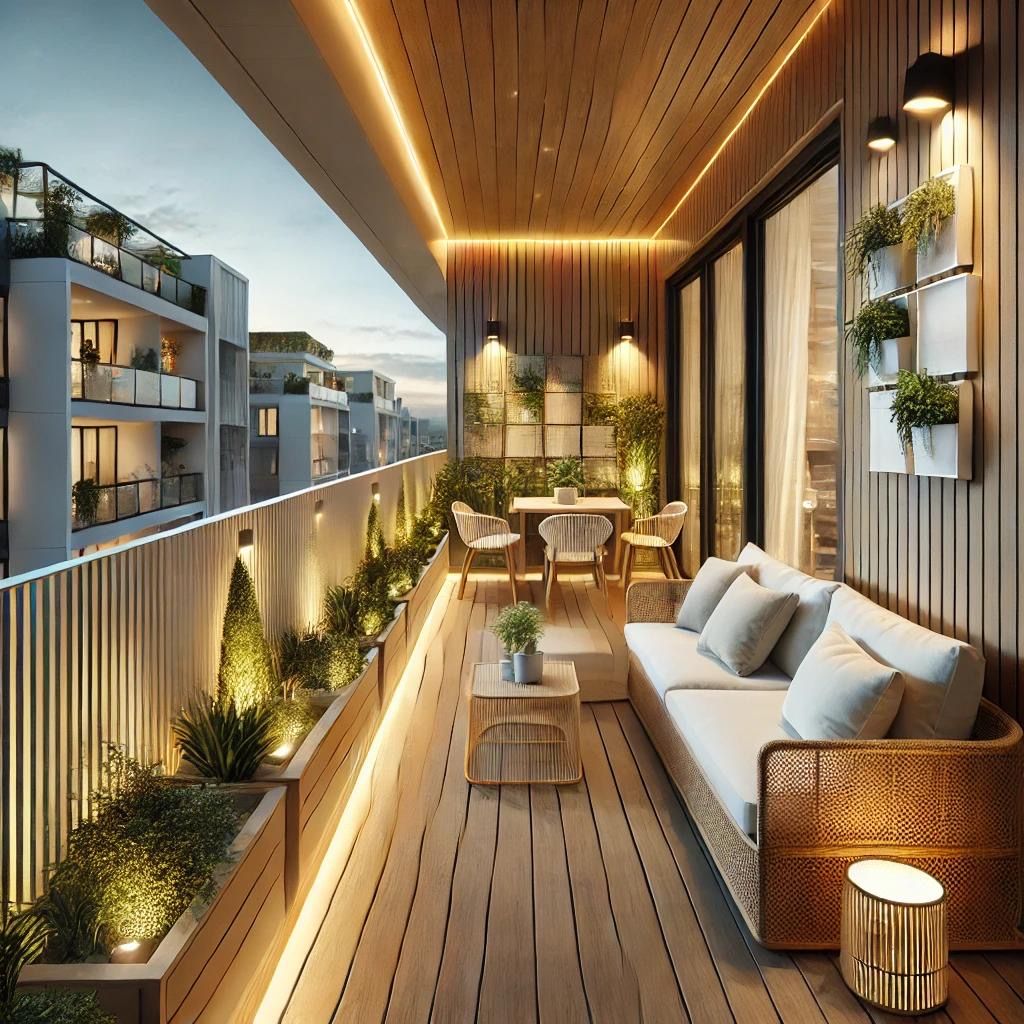
- Ambiance and Mood:
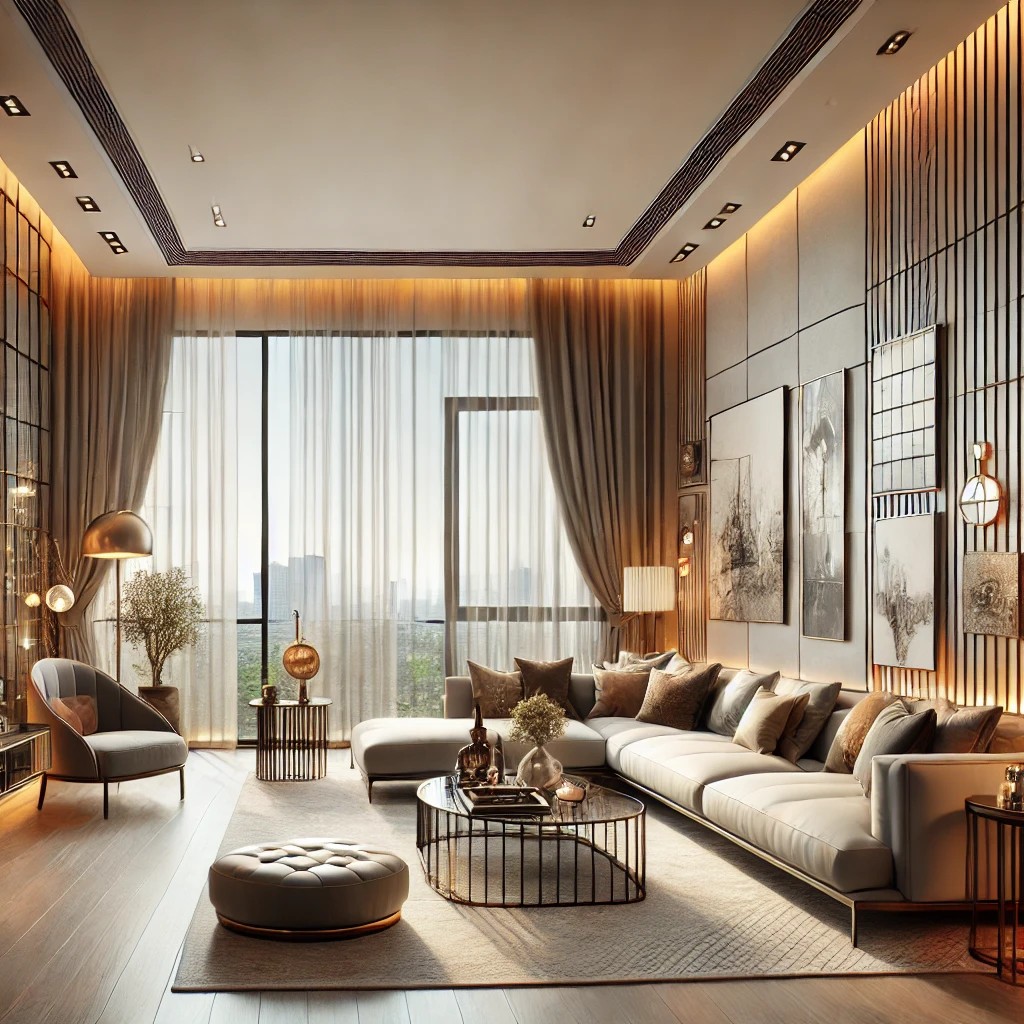
- Different lighting fixtures and intensities can create various moods. Soft and warm lights, such as table lamps or wall sconces, contribute to a cozy and inviting atmosphere in bedrooms or living rooms.
- Bright and cool lighting, like recessed lights or pendant fixtures, can create an energetic and vibrant ambiance in spaces like kitchens or home offices.
- Highlighting Architectural Features:
- Well-placed lighting can accentuate the architectural features of your home. For example, spotlights or track lighting can draw attention to a beautiful piece of art, a decorative fireplace, or an architectural detail.
- Task Lighting:
- Task lighting is essential for performing specific activities. In the kitchen, under-cabinet lighting helps with food preparation, while a desk lamp provides focused illumination for work or reading in a home office.
- Creating Visual Interest:
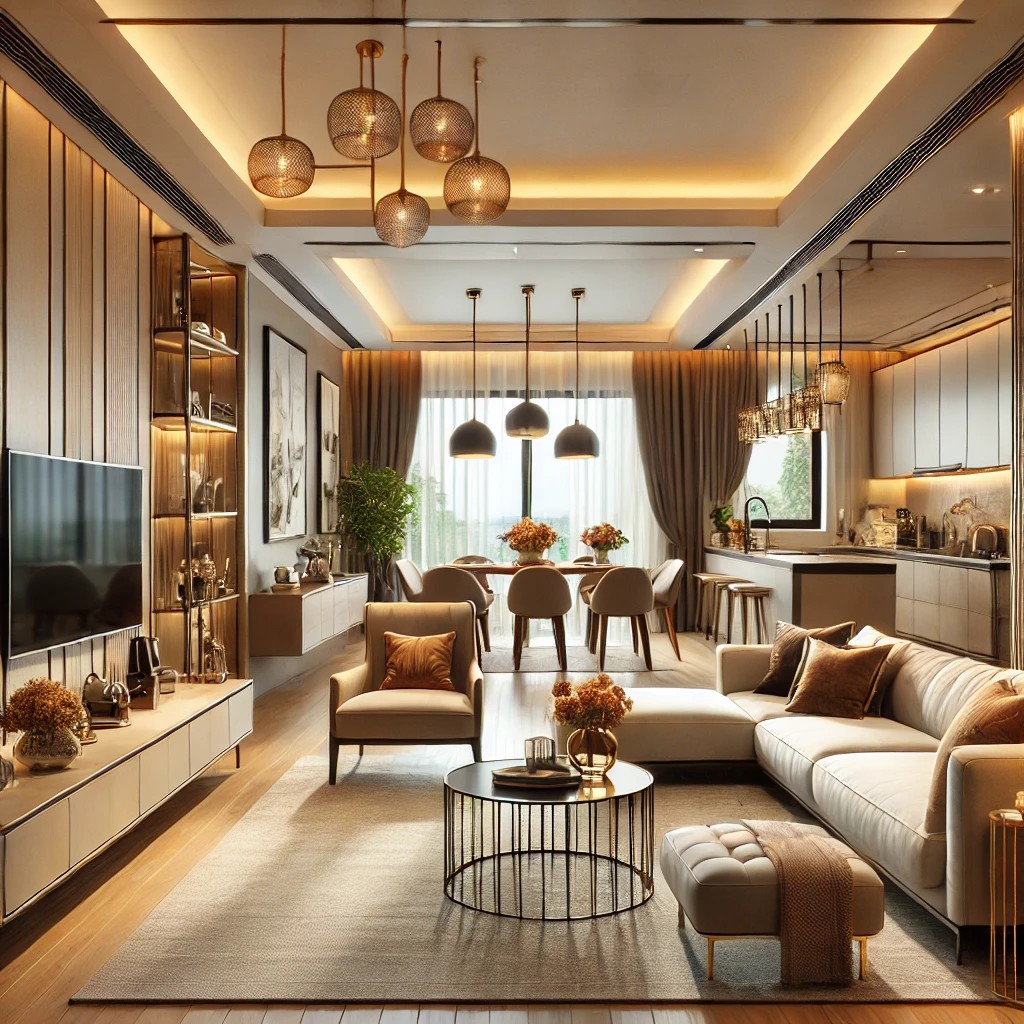
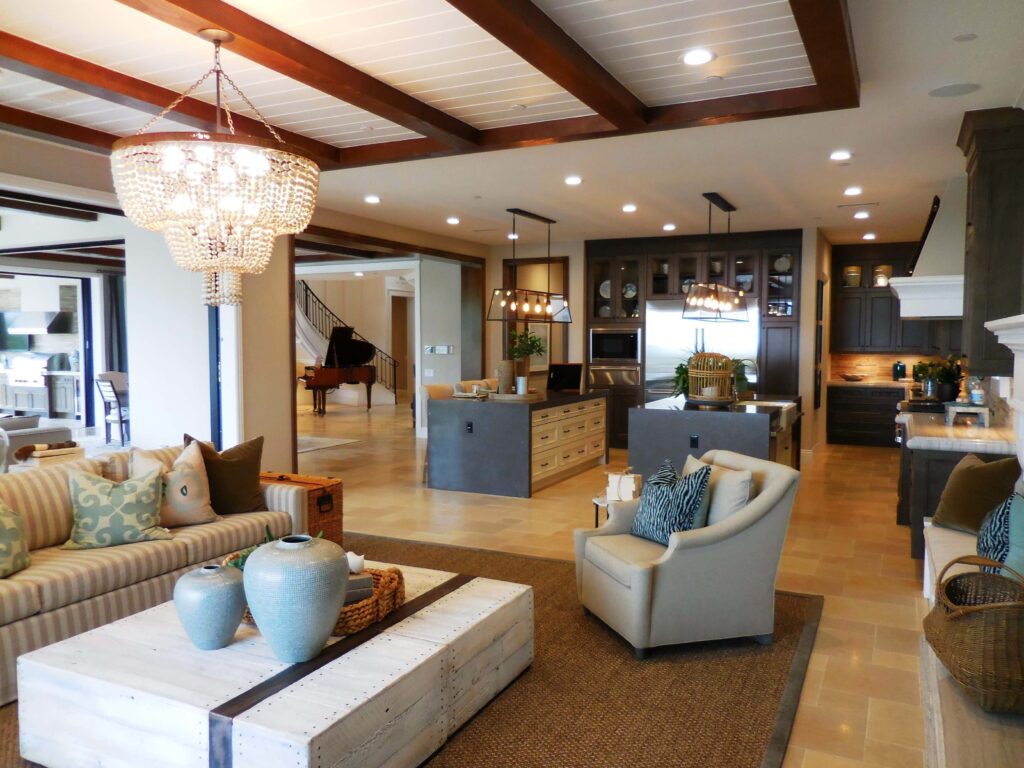
- Creative use of lighting fixtures, such as chandeliers, pendant lights, or unique floor lamps, can serve as focal points and add a touch of elegance or flair to a room. Lighting fixtures are not just functional; they are also decorative elements.
- Spatial Perception:
- Proper lighting design can influence how spacious or intimate a room feels. Strategically placed lights can create the illusion of more space, while softer, dimmer lights can make a large room feel cozier.
- Color Temperature:
- The color temperature of light bulbs can affect the overall feel of a space. Warmer tones (e.g., yellows and oranges) create a cozy atmosphere, while cooler tones (e.g., blues and whites) provide a more modern and refreshing feel.
- Outdoor Lighting:
- Exterior lighting is just as important as interior lighting. Well-designed outdoor lighting can enhance curb appeal, improve security, and create a welcoming entrance for your home.
- Energy Efficiency:
- Consider using energy-efficient lighting solutions, such as LED bulbs. Not only do they last longer, but they also consume less energy, reducing your environmental impact and energy bills.
- Smart Lighting Systems:
- Integration of smart lighting systems allows you to control the intensity and color of lights through mobile apps or voice commands. This adds a layer of convenience and customization to your home lighting.
In conclusion, the role of lighting in home design is multifaceted. By carefully selecting and arranging lighting fixtures, you can transform your home into a comfortable, visually appealing, and functional space that aligns with your aesthetic preferences and lifestyle.
Q: How does lighting contribute to the overall design of a home?
A: Lighting plays a crucial role in enhancing the overall design of a home by influencing ambiance, mood, and visual appeal. It goes beyond mere illumination, contributing to the functionality and aesthetics of each space.
Q: What types of lighting are essential for different areas of the home?
A: Different areas of the home require specific types of lighting. For instance, task lighting is crucial for activities such as cooking or working, while ambient lighting sets the overall mood. Accent lighting highlights specific features or artworks.
Q: Can lighting be used to make a space appear larger or cozier?
A: Yes, lighting can influence the perception of space. Bright and cool lighting can make a room feel more expansive, while warm and soft lighting creates a cozier and more intimate atmosphere.
Q: How does outdoor lighting contribute to home design?
A: Outdoor lighting enhances curb appeal, improves security, and creates a welcoming atmosphere. Well-designed exterior lighting can highlight architectural features, landscaping, and pathways.
Q: What is the significance of color temperature in lighting design?
A: Color temperature influences the feel of a space. Warmer tones create a cozy ambiance, while cooler tones provide a modern and refreshing feel. The choice of color temperature depends on the desired atmosphere for each room.
Q: Are there energy-efficient lighting options for homes?
A: Yes, energy-efficient options like LED bulbs are widely available. These not only last longer but also consume less energy, contributing to reduced environmental impact and lower energy bills.
Q: How can lighting be used to highlight architectural features or decorative elements?
A: Spotlights, track lighting, or accent lights can be strategically placed to draw attention to specific architectural features or decorative elements, adding visual interest and depth to a room.
Q: What is the role of smart lighting systems in home design?
A: Smart lighting systems offer convenience and customization by allowing homeowners to control light intensity and color through mobile apps or voice commands. This technology adds a modern and flexible dimension to home lighting.
Q: How can one use lighting to create a focal point in a room?
A: Creative use of decorative lighting fixtures, such as chandeliers, pendant lights, or unique floor lamps, can serve as focal points, adding a touch of elegance or flair to a room.
Q: Are there specific lighting considerations for different rooms in the house?
A: Yes, lighting considerations vary based on the function of each room. For example, the kitchen may require task lighting for food preparation, while the living room benefits from a mix of ambient and accent lighting for versatility.
Q: How does lighting contribute to the overall aesthetic and style of a home?
A: Lighting fixtures and their placement contribute significantly to the aesthetic and style of a home. Thoughtful selection and arrangement of lighting elements can enhance the overall design, creating a cohesive and visually pleasing atmosphere.