- Consider the Mood:
- Identify the mood or atmosphere you want to create in each room. Colors can evoke different emotions, so choose a palette that aligns with the desired ambiance. For example, cool tones like blues and greens can create a calm atmosphere, while warm tones like reds and yellows can add energy.
- Understand Natural Light:
- Take into account the amount of natural light each room receives. Lighter colors tend to amplify natural light and create a sense of openness, while darker colors can make a room feel cozy but may require more artificial lighting.
- Start with a Neutral Base:
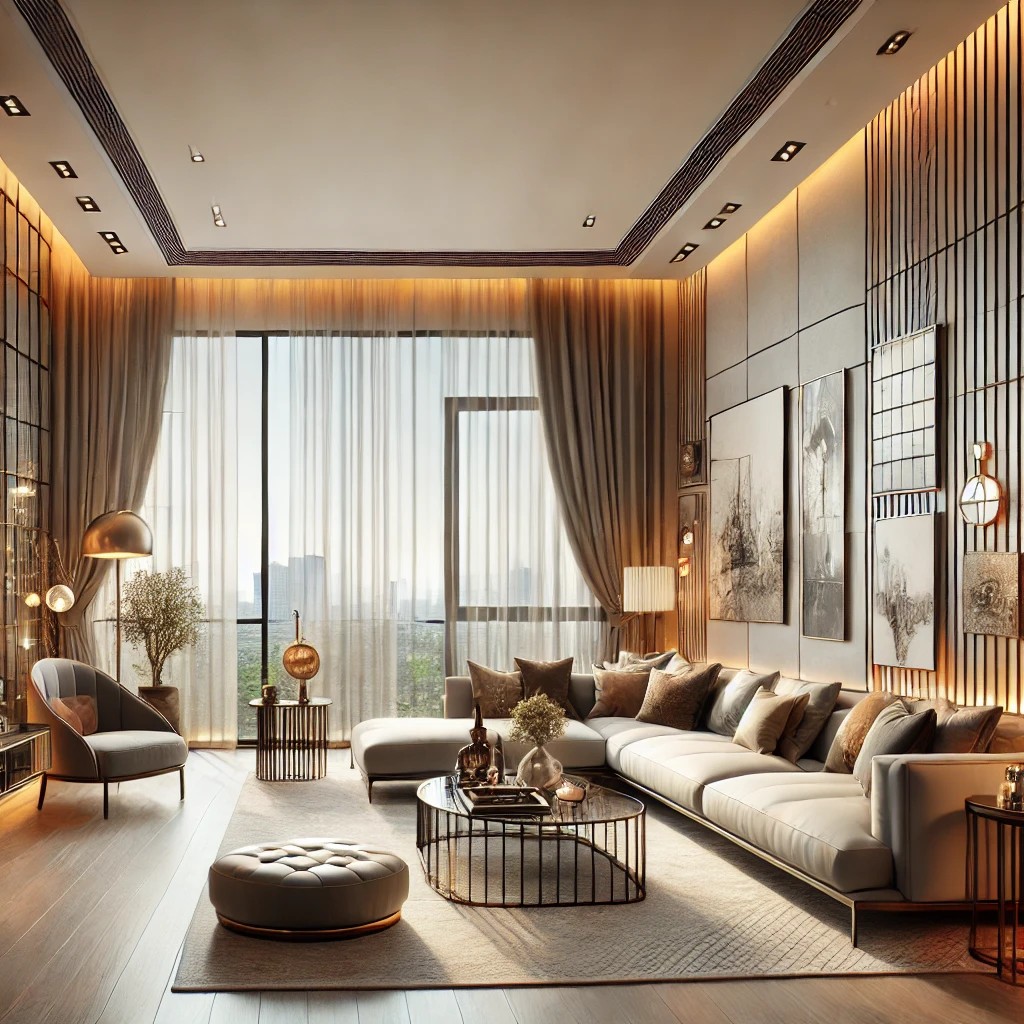
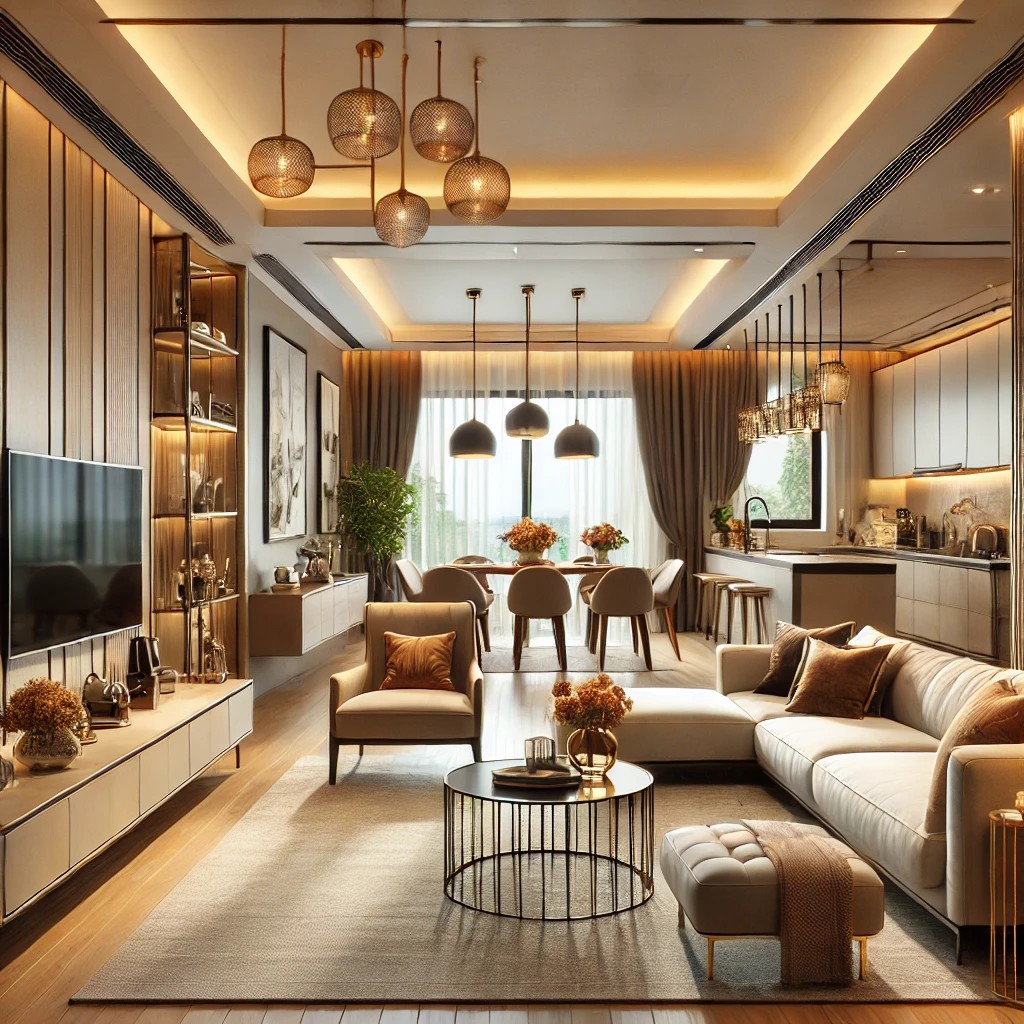
- Begin by selecting neutral colors for larger surfaces like walls, floors, and large furniture pieces. Neutrals, such as whites, grays, and beiges, provide a timeless and versatile backdrop that allows for flexibility in decor.
- Use the 60-30-10 Rule:
- Follow the 60-30-10 rule, where 60% of the room is dominated by a primary color, 30% by a secondary color, and 10% by an accent color. This helps maintain balance and visual interest without overwhelming the space.
- Coordinate with Fixed Elements:
- Consider existing fixed elements in the room, such as flooring, cabinets, and countertops. Ensure that your color palette complements these elements rather than clashes with them.
- Inspiration from Art and Fabric:
- Draw inspiration from art pieces, fabrics, or a favorite decor item. Pull colors from these sources to create a harmonious palette throughout the room.
- Create Flow Between Rooms:
- Maintain a sense of cohesion by choosing a consistent color scheme for connected or open-concept spaces. This creates a flow from one room to another, making the overall design more cohesive.
- Consider the Size of the Room:
- Lighter colors can make small rooms feel larger and more open, while darker colors can add warmth and intimacy to larger spaces. Tailor your color choices to the size of each room.
- Test Samples in Different Lighting:
- Before committing to a color, test paint samples in various areas of the room and observe how they look in different lighting conditions. Colors can appear differently under natural light, artificial light, and at night.
- Evaluate Color Psychology:
- Understand the psychological impact of colors. For example, blues and greens are often associated with calmness, while reds and yellows can be energizing. Choose colors that resonate with the function and purpose of each room.
- Follow Trends Mindfully:
- While trends can be inspiring, be mindful that they may change over time. Consider timeless elements and incorporate trends in smaller, more easily changeable items like accessories or decor.
- Personal Preferences:
- Trust your personal preferences and style. Your home should reflect your taste and personality, so choose colors that resonate with you and make you feel comfortable.
Remember that color selection is a personal choice, and there are no strict rules. Take your time, experiment with samples, and create a color palette that enhances the overall design and reflects your unique style.
Certainly! Here’s a brief FAQ summarizing tips for choosing the right color palette for your home interior:
Q1: How do I decide on the mood or atmosphere for each room? A1: Consider the desired mood for each room. Cool tones like blues and greens create a calm atmosphere, while warm tones like reds and yellows add energy. Align the colors with the intended ambiance.
Q2: What role does natural light play in selecting colors? A2: Natural light impacts how colors appear. Lighter colors amplify natural light, creating openness, while darker colors can make a room feel cozy. Consider the amount of natural light each room receives.
Q3: Where should I start when choosing a color palette? A3: Begin with a neutral base for larger surfaces. Whites, grays, and beiges provide a timeless backdrop, allowing flexibility in decor. Use the 60-30-10 rule for balance: 60% primary color, 30% secondary color, and 10% accent color.
Q4: How do I coordinate with fixed elements in the room? A4: Consider existing fixed elements like flooring and cabinets. Ensure your color palette complements these elements rather than clashes with them.
Q5: How can I draw inspiration for a color palette? A5: Draw inspiration from art, fabrics, or favorite decor items. Pull colors from these sources to create a harmonious palette throughout the room.
Q6: What’s the importance of creating flow between rooms? A6: Maintain cohesion by choosing a consistent color scheme for connected spaces. This creates a visual flow and enhances overall design cohesiveness.
Q7: Are there considerations for the size of the room? A7: Lighter colors make small rooms feel larger, while darker colors add warmth to larger spaces. Tailor your color choices to the size and purpose of each room.
Q8: How do I test paint colors before committing? A8: Test paint samples in different areas of the room and observe how they look in various lighting conditions. Colors can appear differently under natural and artificial light.
Q9: How can I incorporate personal preferences into the color palette? A9: Trust your personal style and preferences. Choose colors that resonate with you and make you feel comfortable in your home.
Q10: Should I follow color trends when selecting a palette? A10: While trends can be inspiring, be mindful that they may change over time. Consider timeless elements and incorporate trends in smaller, easily changeable items.
Q11: How does color psychology play a role in choosing colors? A11: Understand the psychological impact of colors. For example, blues and greens are calming, while reds and yellows are energizing. Choose colors that align with the function and purpose of each room.
Remember, the key is to take your time, trust your instincts, and create a color palette that not only looks appealing but also enhances the overall atmosphere of your home.