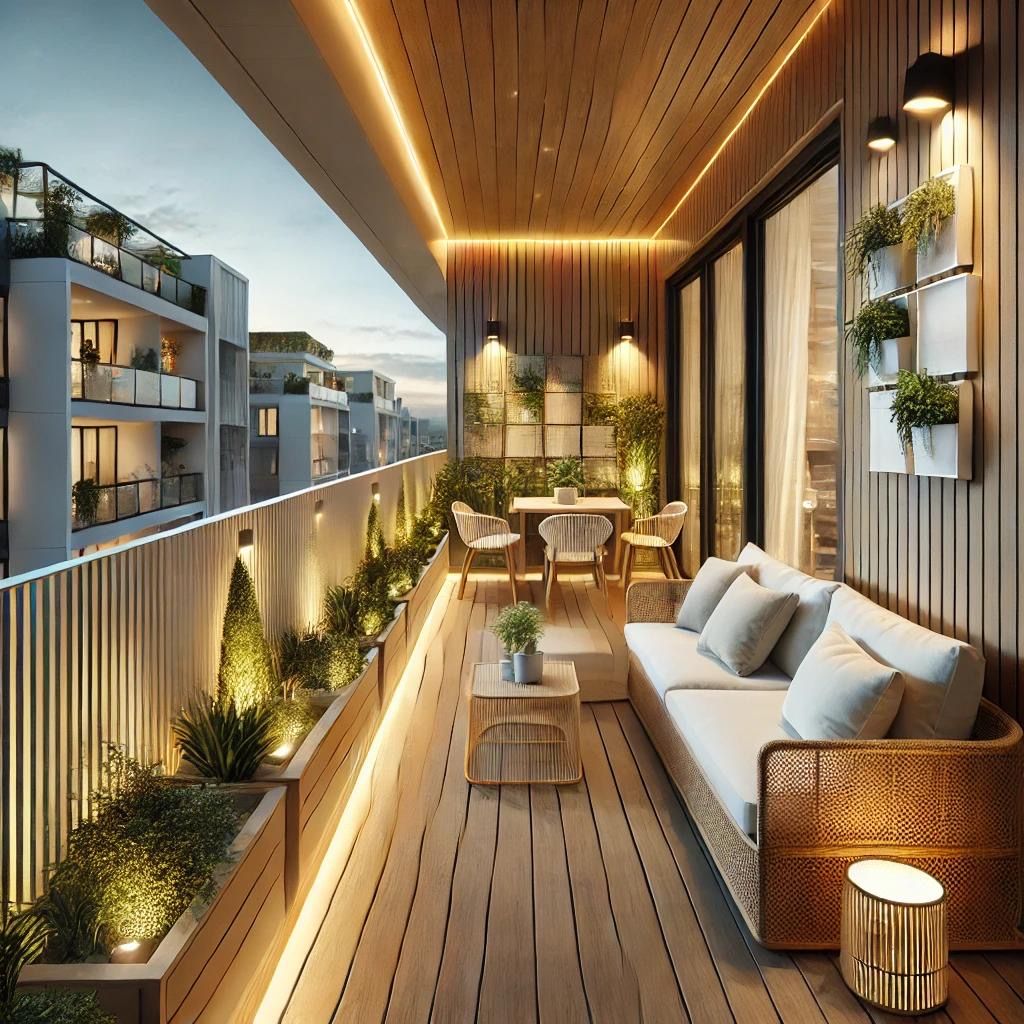
Planning the interior design of your apartment involves careful consideration of various elements to create a cohesive and functional living space. Here’s a step-by-step guide to help you plan your apartment’s interior design:
- Define Your Style:
- Identify your personal style preferences. Whether you prefer modern, traditional, minimalist, eclectic, or a blend of styles, having a clear sense of your design aesthetic will guide your decisions.
- Determine a Budget:
- Establish a realistic budget for your interior design project. This will help you make informed decisions about the scope of your project, the quality of materials, and the hiring of professionals if needed.
- Assess the Space:
- Measure the dimensions of each room in your apartment. Take note of architectural features, such as windows and doors, as well as any structural elements that may impact the layout.
- Consider Functionality:
- Identify the primary functions of each room. For example, consider how you’ll use the living room, bedroom, kitchen, and any additional spaces. This will inform the layout and design choices.
- Create a Floor Plan:
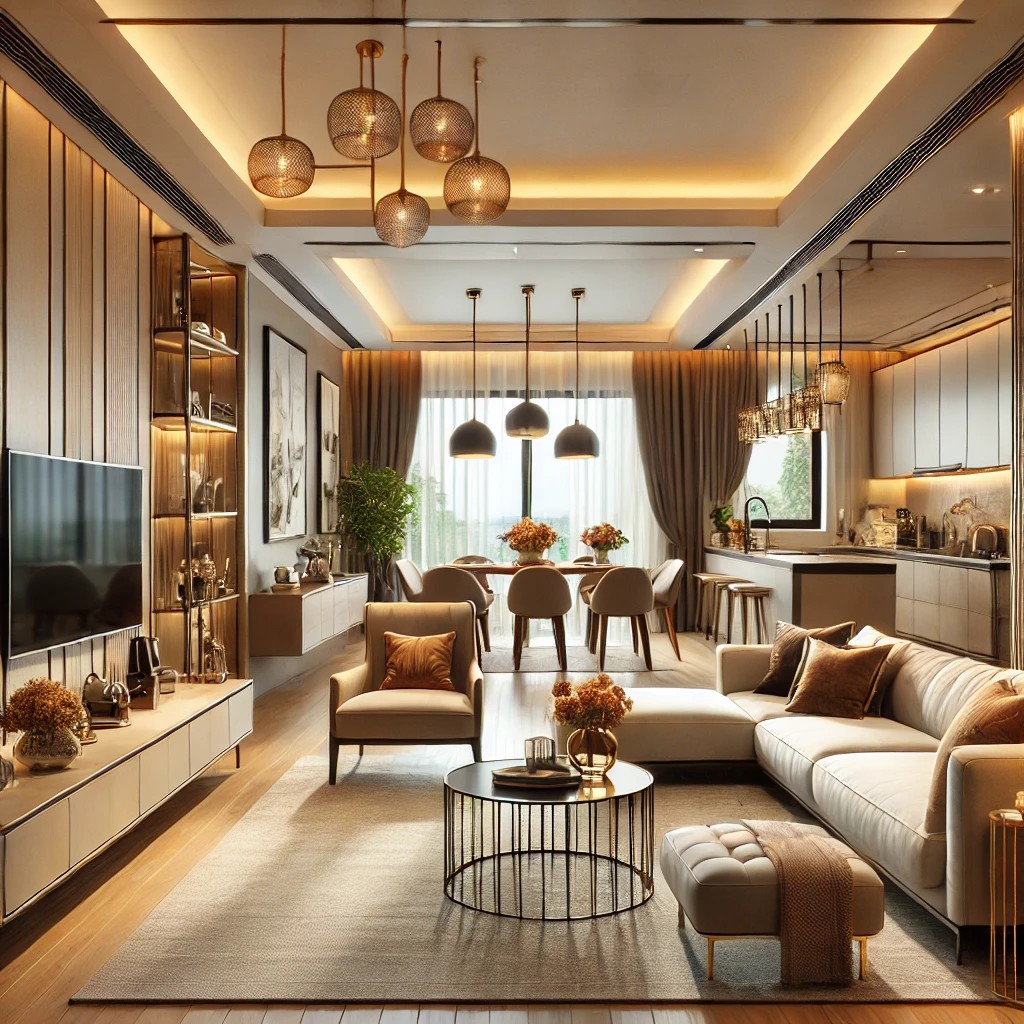
- Develop a floor plan to visualize the placement of furniture and key elements. This plan will help you make efficient use of space and ensure a balanced and functional layout.
- Establish a Color Palette:
- Choose a color palette that suits your style and preferences. Consider the mood you want to create in each room. Neutral tones create a versatile backdrop, while bold colors can add personality.
- Select Furniture:
- Choose furniture that complements your style and fits the scale of your rooms. Consider multi-functional pieces, especially in smaller spaces, to maximize utility.
- Plan for Storage:
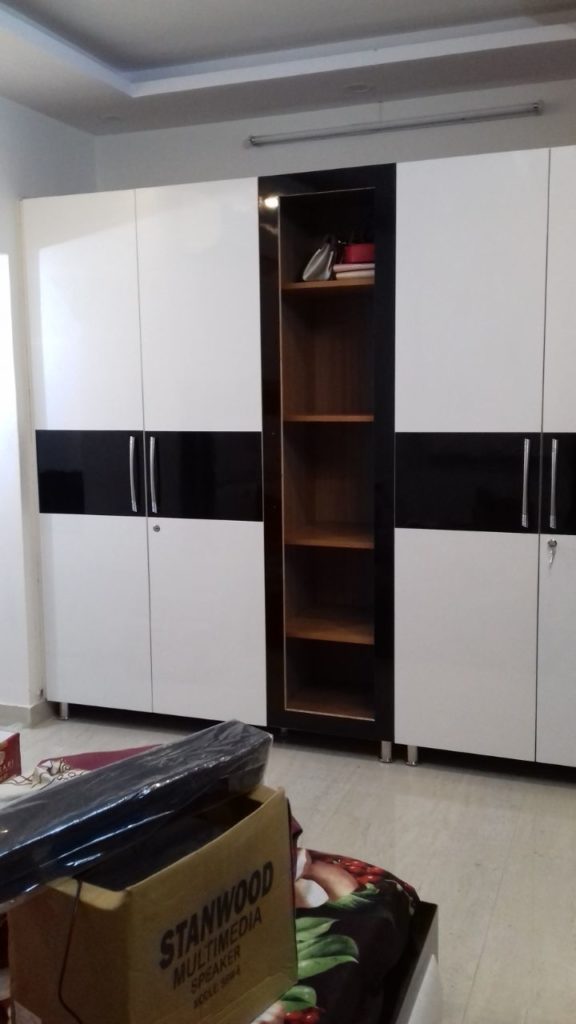
- Prioritize storage solutions to keep your apartment organized and clutter-free. Utilize built-in storage, shelving, and furniture with hidden storage compartments.
- Lighting Design:
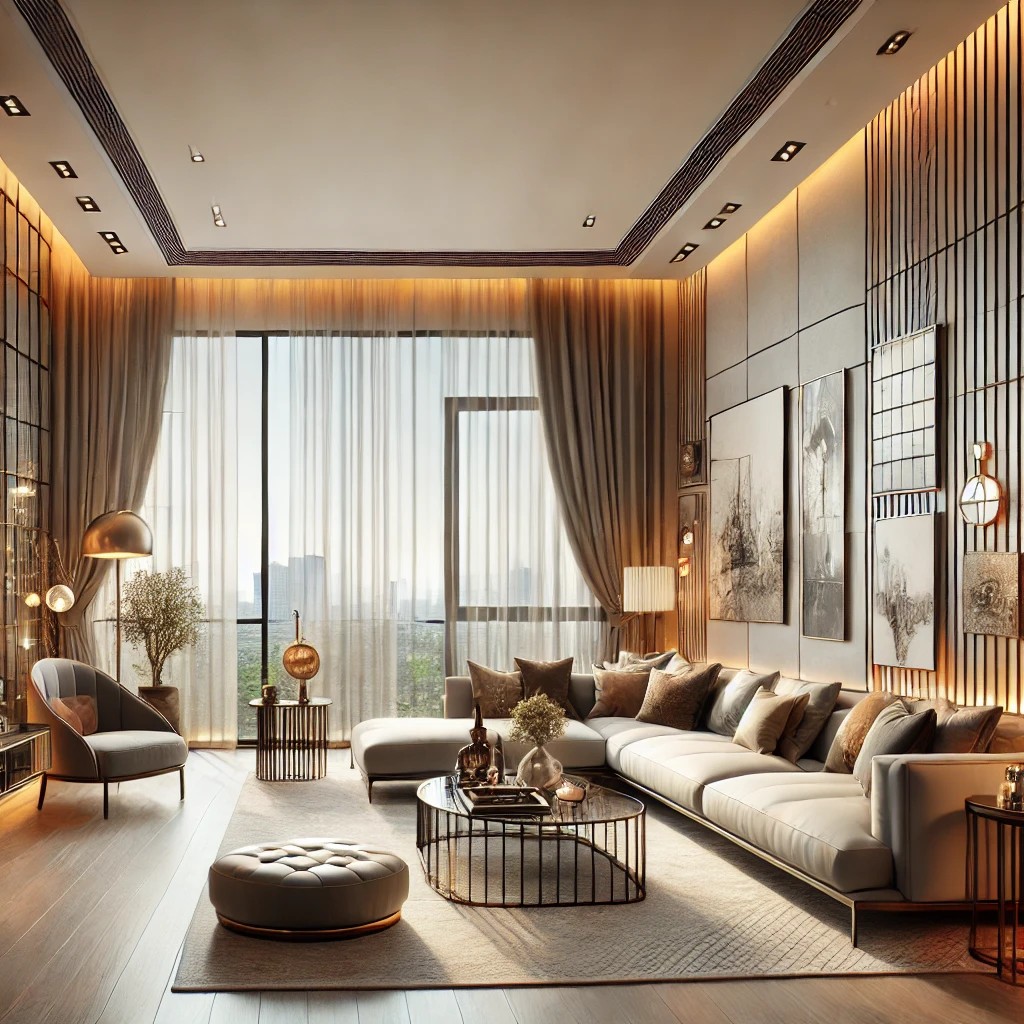
- Plan for a mix of lighting sources, including ambient, task, and accent lighting. Consider natural light and window treatments, as well as the placement of fixtures to enhance the overall ambiance.
- Choose Flooring and Finishes:
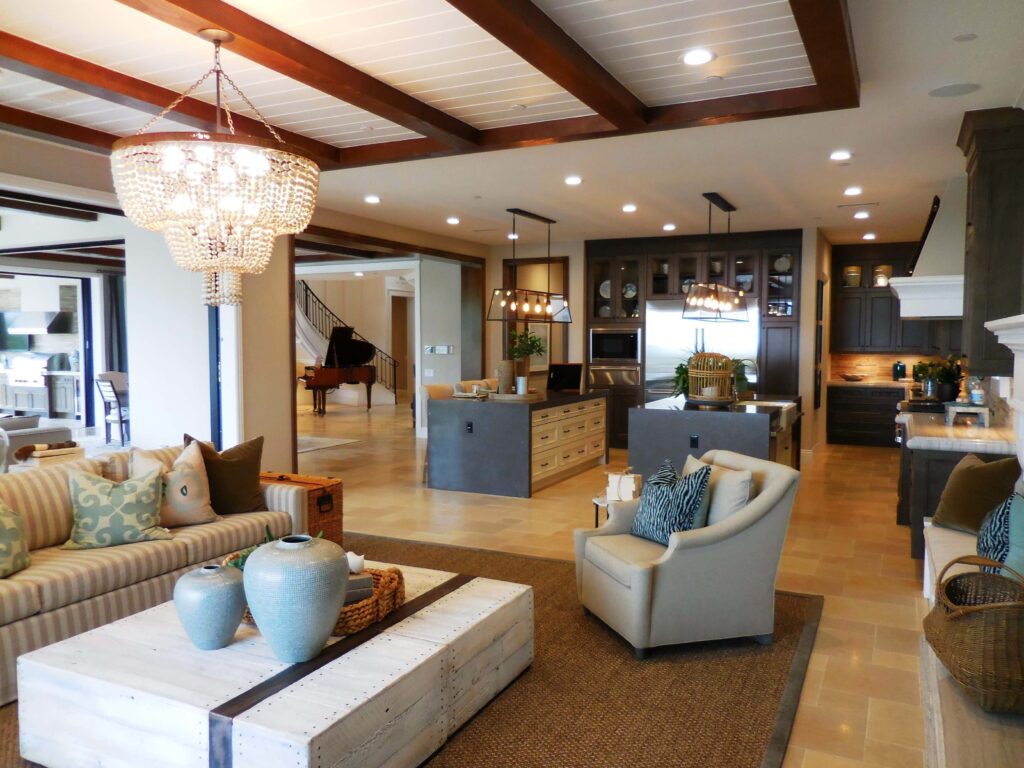
- Select flooring materials and finishes that align with your design vision. Consider factors such as durability, maintenance, and how they contribute to the overall aesthetic.
- Accessorize and Decorate:
- Add decorative elements, such as rugs, throw pillows, artwork, and accessories, to infuse personality into your space. Ensure that each element contributes to the overall design concept.
- Create Focal Points:
- Identify focal points in each room. This could be a statement piece of furniture, an accent wall, or a unique architectural feature. Focal points draw attention and add interest.
- Consider Traffic Flow:
- Ensure that there is a logical flow of movement within each room. Arrange furniture to allow for easy navigation and prevent overcrowding in high-traffic areas.
- Personalize Your Space:
- Incorporate personal touches, such as family photos, mementos, or items with sentimental value. This will make your apartment feel like a home that reflects your personality.
- Evaluate Sustainability:
- Consider sustainable and eco-friendly design choices, such as energy-efficient lighting, recycled materials, and eco-conscious furniture. This aligns with modern trends in interior design.
- Seek Professional Advice if Needed:
- If you’re uncertain about design decisions or have a complex project, consider consulting with an interior designer. Their expertise can provide valuable insights and ensure a cohesive design.
- Test and Adjust:
- Before finalizing your design, experiment with furniture arrangements and decor placements. Test different configurations to find the most visually appealing and functional layout.
- Create a Timeline:
- Develop a timeline for your interior design project. This will help you prioritize tasks, set realistic deadlines, and ensure that the project progresses smoothly.
- Gather Inspiration:
- Explore design magazines, websites, and social media platforms for inspiration. Create mood boards to visualize your design concept and guide your decision-making process.
- Regularly Review and Revise:
- Throughout the design process, regularly review and revise your plans as needed. Stay flexible and open to adjustments that enhance the overall design concept.
By following these steps, you can create a well-planned and thoughtfully designed interior for your apartment. Keep in mind that the goal is to create a space that not only looks good but also meets your lifestyle needs and feels comfortable and inviting.