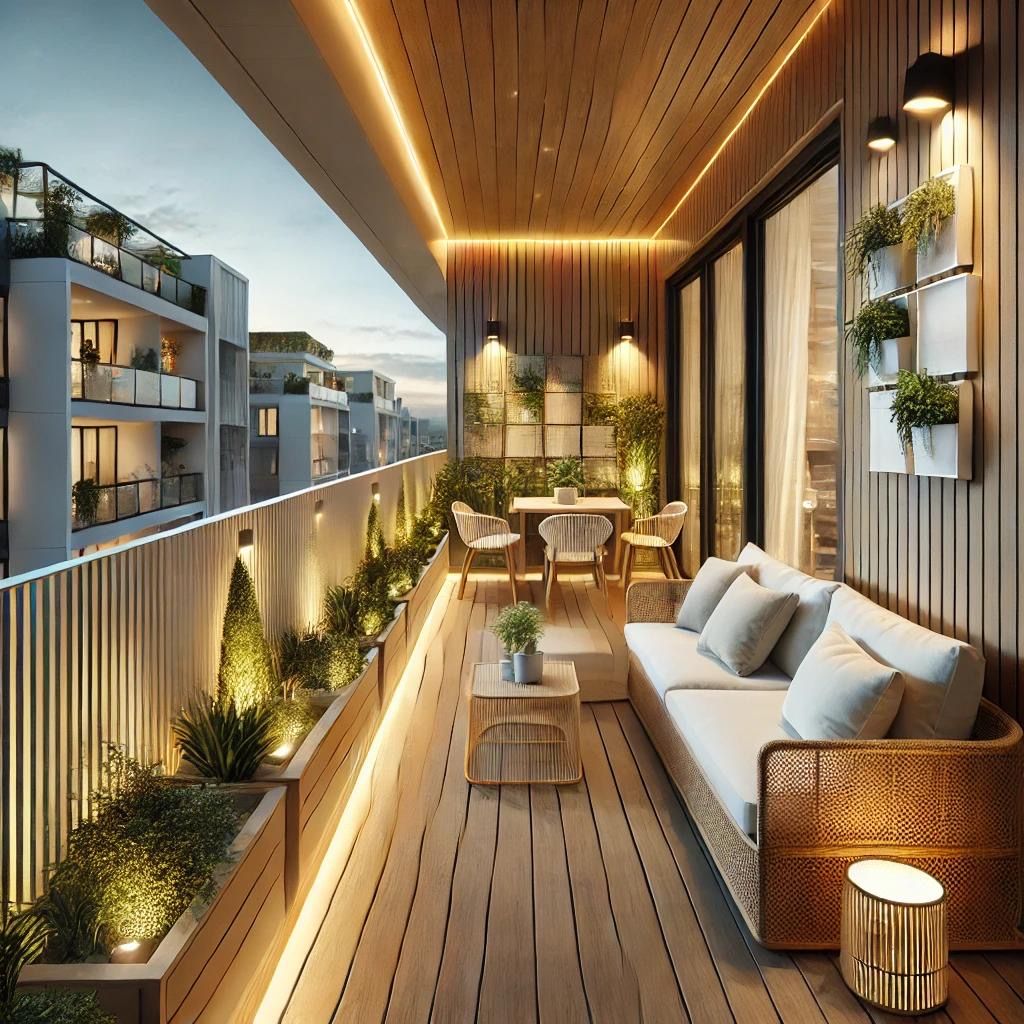
Modern interior design is a style that emerged in the early to mid-20th century and continues to be popular today. It is characterized by clean lines, minimalistic aesthetics, and a focus on functionality. Here are key features of modern interior design:
- Clean and Simple Lines:
- Modern design emphasizes clean, straight lines. Furniture and architectural elements often have crisp edges and minimal ornamentation.
- Open and Airy Spaces:
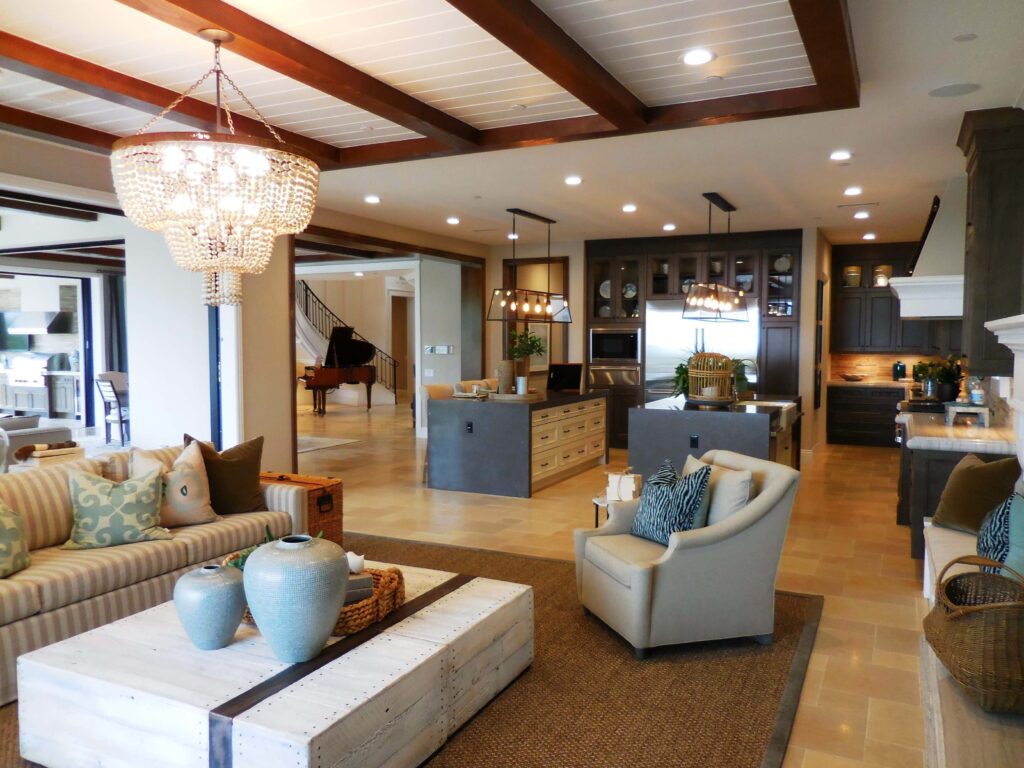
- Modern interiors favor open floor plans and a sense of airiness. This design style often eliminates unnecessary partitions, allowing for a more fluid and interconnected living space.
- Neutral Color Palette:
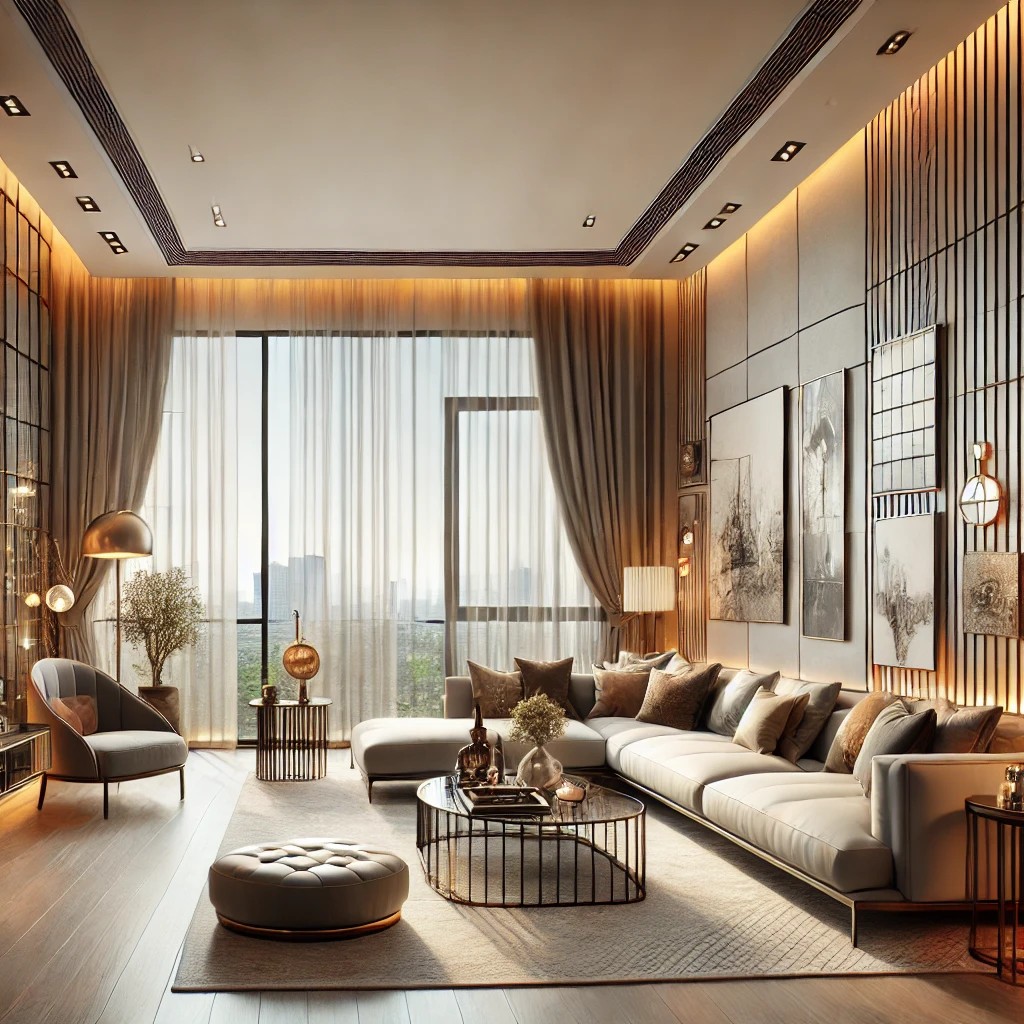
- A neutral color palette is a hallmark of modern design. Whites, grays, and earth tones are commonly used, creating a calm and cohesive atmosphere. Bold accent colors may be introduced through furniture or artwork.
- Natural Materials:
- Modern interiors often incorporate natural materials like wood, stone, and metal. These materials are used in their natural state or with minimal finishing to showcase their inherent textures and beauty.
- Functional Furniture:
- Furniture in modern design is chosen for both form and function. Pieces are sleek, with an emphasis on simplicity and functionality. Multi-functional furniture is often utilized to maximize space.
- Minimalistic Approach:
- The mantra of modern design is “less is more.” Minimalism is key, with a focus on decluttered spaces and a curated selection of decor items. Each element serves a purpose and contributes to the overall design.
- Large Windows and Natural Light:
- Modern interiors prioritize natural light. Large windows and glass doors are common features to bring in ample sunlight, fostering a connection with the outdoors.
- Geometric Shapes:
- Geometric shapes, such as rectangles, squares, and circles, are prevalent in modern design. From furniture to architectural details, these shapes contribute to the clean and organized look.
- Innovative Materials:
- Modern design often incorporates innovative and industrial materials, such as glass, steel, and concrete. These materials are used in unexpected ways to create a contemporary aesthetic.
- Art as a Focal Point:
- Modern interiors may feature bold and abstract artwork as a focal point. Large, statement pieces can add visual interest and serve as a point of contrast in a minimalist setting.
- Technology Integration:
- Given the contemporary nature of modern design, it often integrates technology seamlessly. This could include hidden or built-in tech features, smart home systems, and sleek electronic devices.
- Uncluttered Spaces:
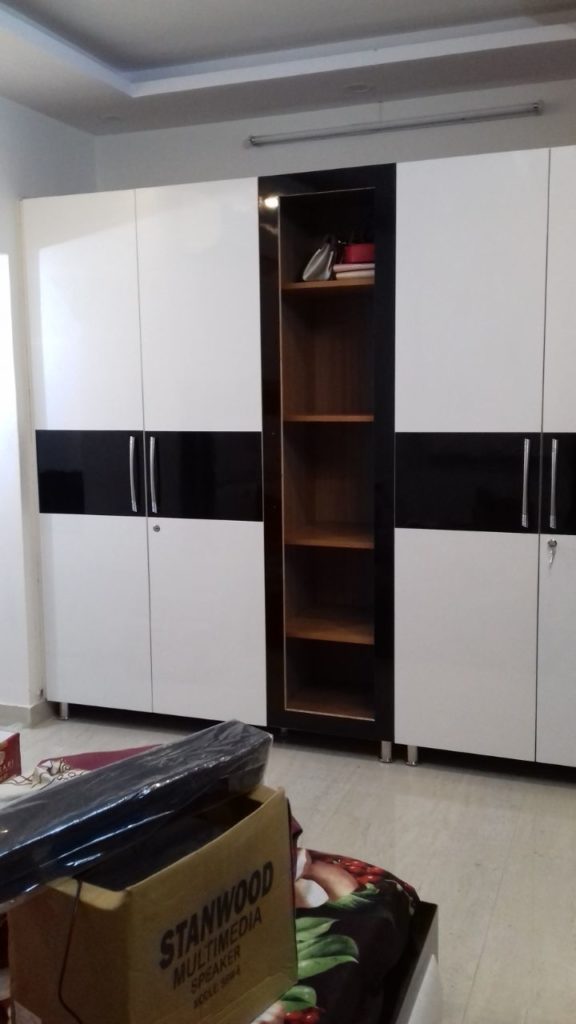
- Clutter is minimized in modern design. Storage solutions are often integrated into the design to keep spaces tidy and organized.
- Accent on Horizontal and Vertical Lines:
- Strong horizontal and vertical lines contribute to the overall balance and visual appeal of modern interiors. This can be seen in architectural details, furniture design, and even patterns.
- Bold Lighting Fixtures:
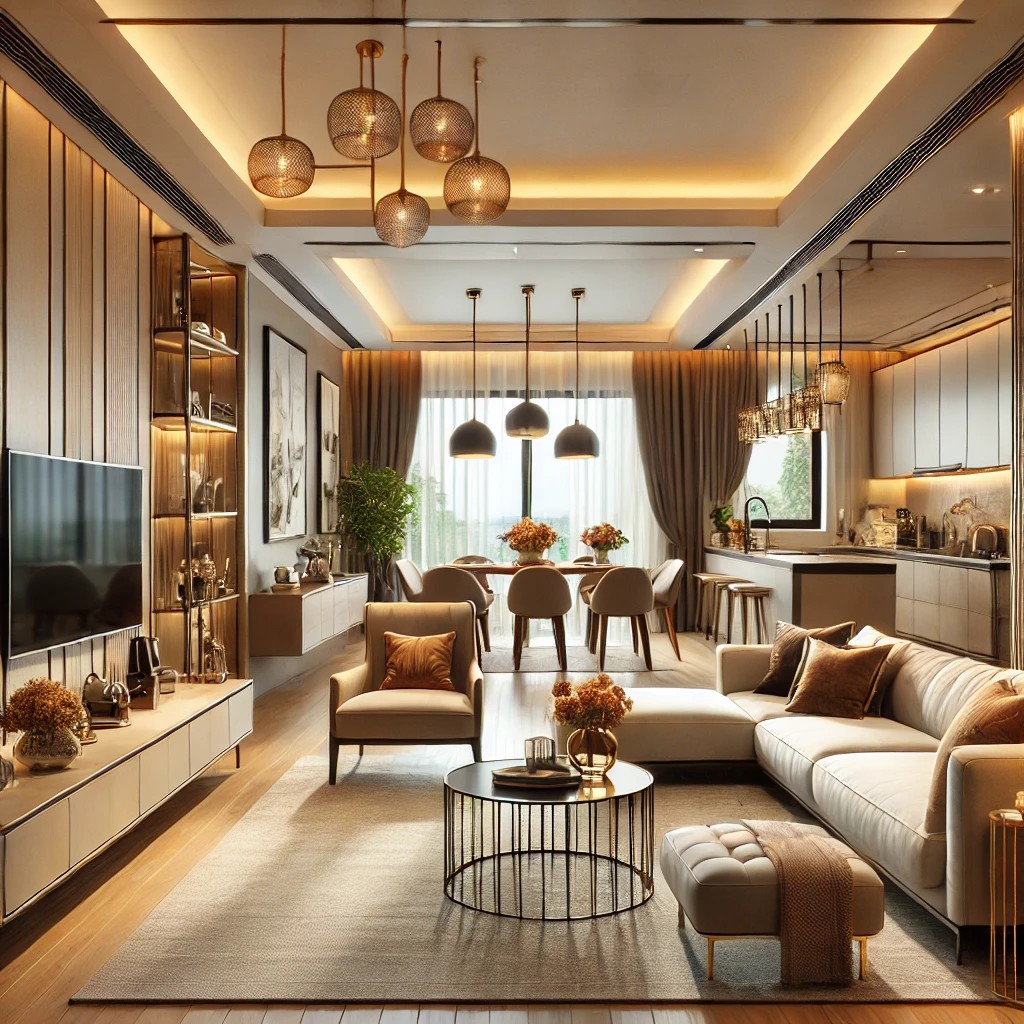
- Modern design often features statement lighting fixtures. These can range from unique pendant lights to minimalist chandeliers, adding a touch of sophistication to the space.
- Neutral or Bare Floors:
- Flooring choices in modern design often lean towards neutral materials like hardwood, concrete, or tiles. Bare floors contribute to the clean and uncluttered look.
Remember, modern design is versatile, and there are variations within the style, such as mid-century modern or industrial modern, each with its own unique characteristics. Ultimately, modern design is about creating a sleek, functional, and visually appealing environment that reflects the aesthetics of the present era.