Introduction:
In the world of interior design, the challenge of transforming small spaces into stylish havens is an art form. The strategic use of color palettes becomes a key player in this endeavor, offering a powerful tool to enhance the perception of space, add personality, and create a visually appealing atmosphere. Join us on a journey as we explore the magic of strategic color choices to unlock the full potential of your petite living spaces.
Understanding the Illusion:
The first step in designing small spaces is to embrace the power of optical illusions that colors can create. Lighter colors tend to reflect more light, making a space feel larger and more open. Whites, creams, and soft pastels become your allies in visually expanding the boundaries of a room, tricking the eye into perceiving more space than there actually is.
Monochromatic Magic:
Monochromatic color schemes, featuring variations of a single color, are a go-to strategy for small spaces. This cohesive approach eliminates visual clutter, creating a seamless and unifying look. Shades and tones of the same color provide depth without overwhelming the senses, resulting in a harmonious and visually expansive environment.
Neutral Foundations:
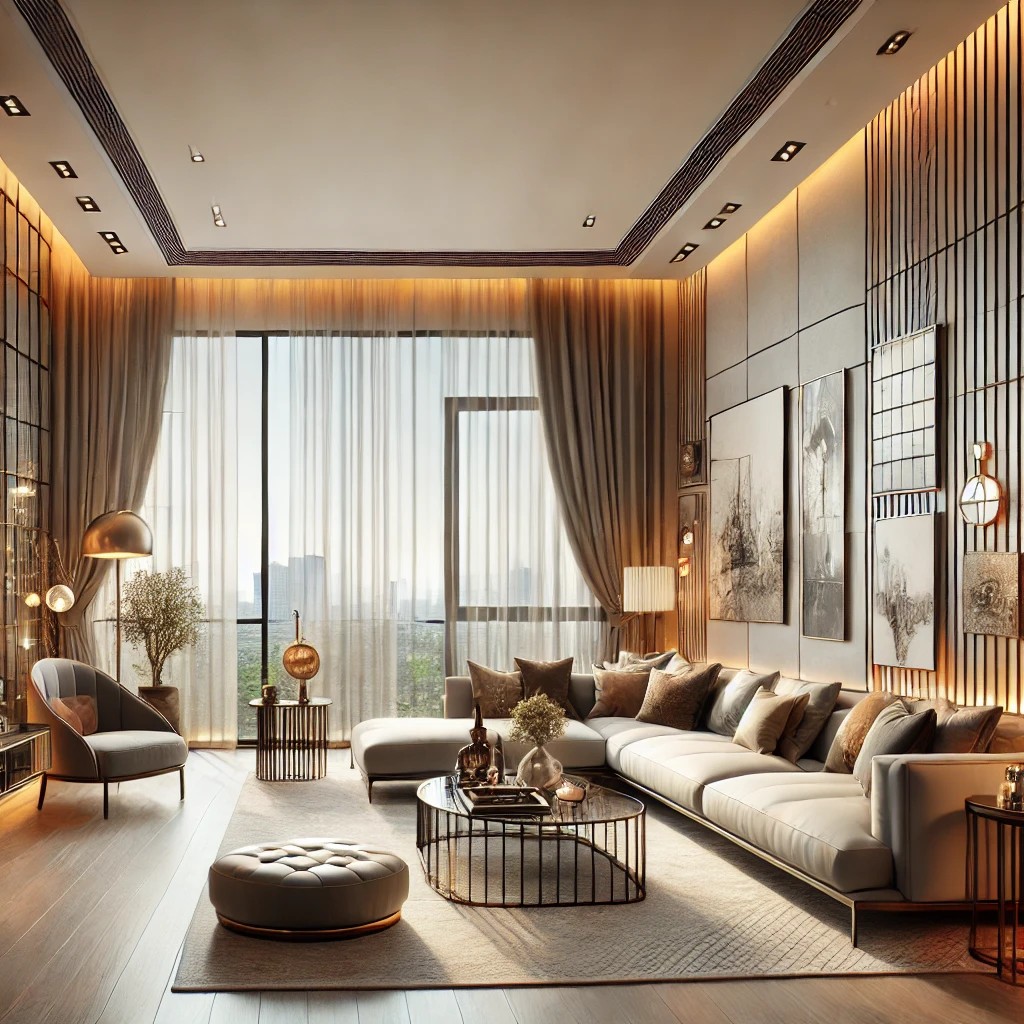
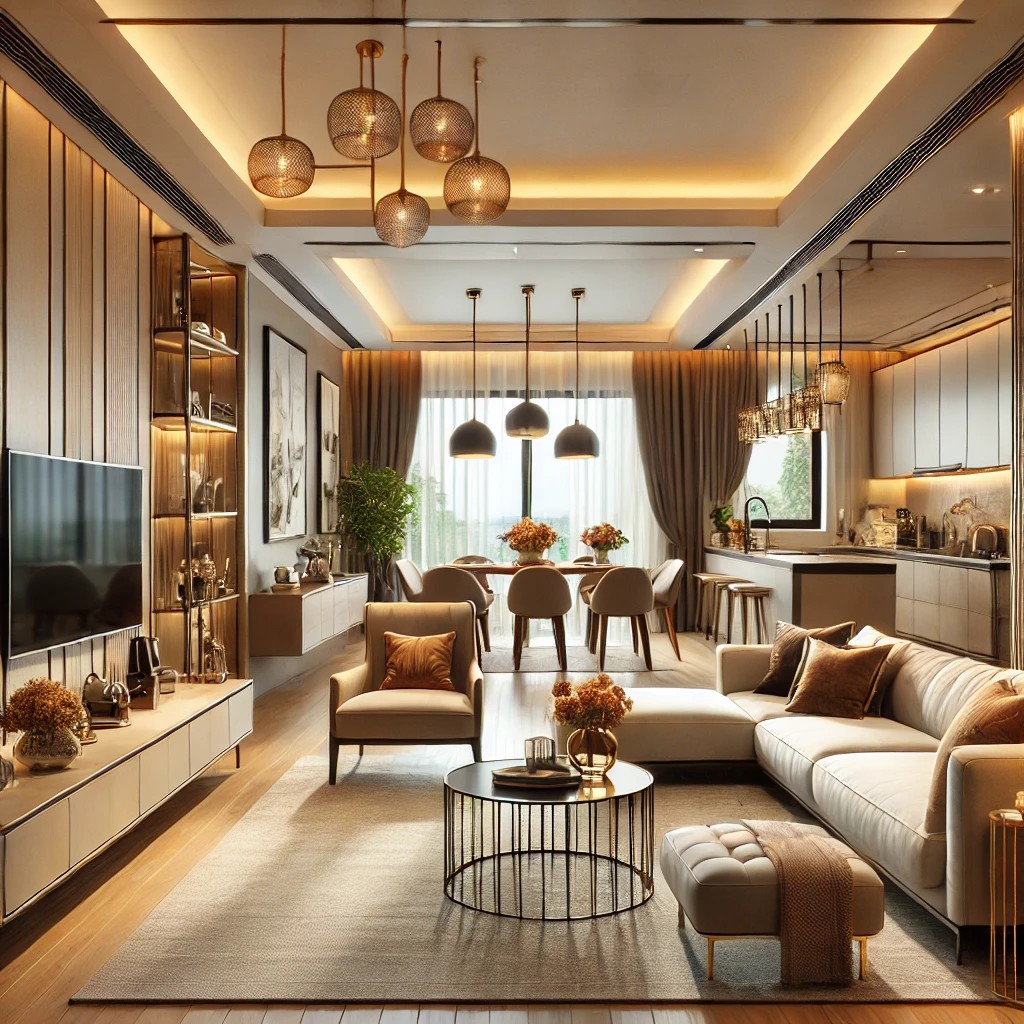
Neutrals, such as whites, grays, and beiges, act as the perfect foundation for small spaces. Their timeless appeal complements various design styles, and they serve as a versatile backdrop for furniture and decor. Neutrals not only create a clean and sophisticated aesthetic but also allow for easy adaptation to changing trends and personal preferences.
Strategic Accents for Personality:
While neutrals dominate the foundation, strategic use of bold accents injects personality into the space. Vibrant accessories, a colorful statement piece of furniture, or eye-catching artwork can become focal points that draw attention away from the size of the room. These accents add character and interest without overwhelming the overall design.
Opting for Optical Illusions:
Beyond just color, certain patterns and designs can contribute to the illusion of space. Vertical stripes, for instance, draw the eye upward, creating the perception of higher ceilings. Similarly, mirrors strategically placed can reflect light and make the room feel more expansive. The synergy of these design elements enhances the overall illusion of space.
Playing with Light and Dark:
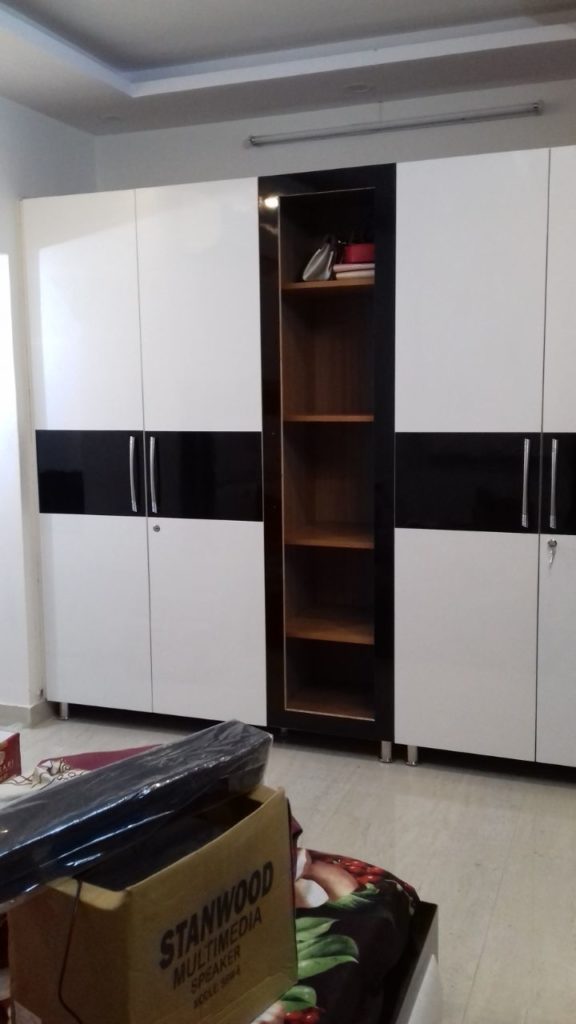
While light colors are generally favored for small spaces, a judicious use of dark tones can add depth and contrast. Consider incorporating darker hues as accents or in strategic areas to create visual interest. Darker colors can anchor a room and create a sense of coziness when used sparingly and thoughtfully.
Furniture as Colorful Accents:
When dealing with limited square footage, multi-functional furniture becomes a necessity. Introduce color through these functional pieces, such as a colorful sofa or vibrant chairs. This not only adds a touch of style but also serves a dual purpose, making the most of the available space.
Conclusion: Unlocking the Potential of Small Spaces:
Designing small spaces with strategic color palettes is a nuanced process that combines creativity with functionality. The careful selection of colors, the artful use of neutrals, and the incorporation of optical illusions work together to transform petite areas into stylish retreats. By understanding the impact of color on perception, you can unlock the full potential of your small space, creating an environment that is not only visually appealing but also tailored to your unique style and needs. So, embrace the art of strategic color choices and watch as your compact living space transforms into a stylish oasis of comfort and charm.