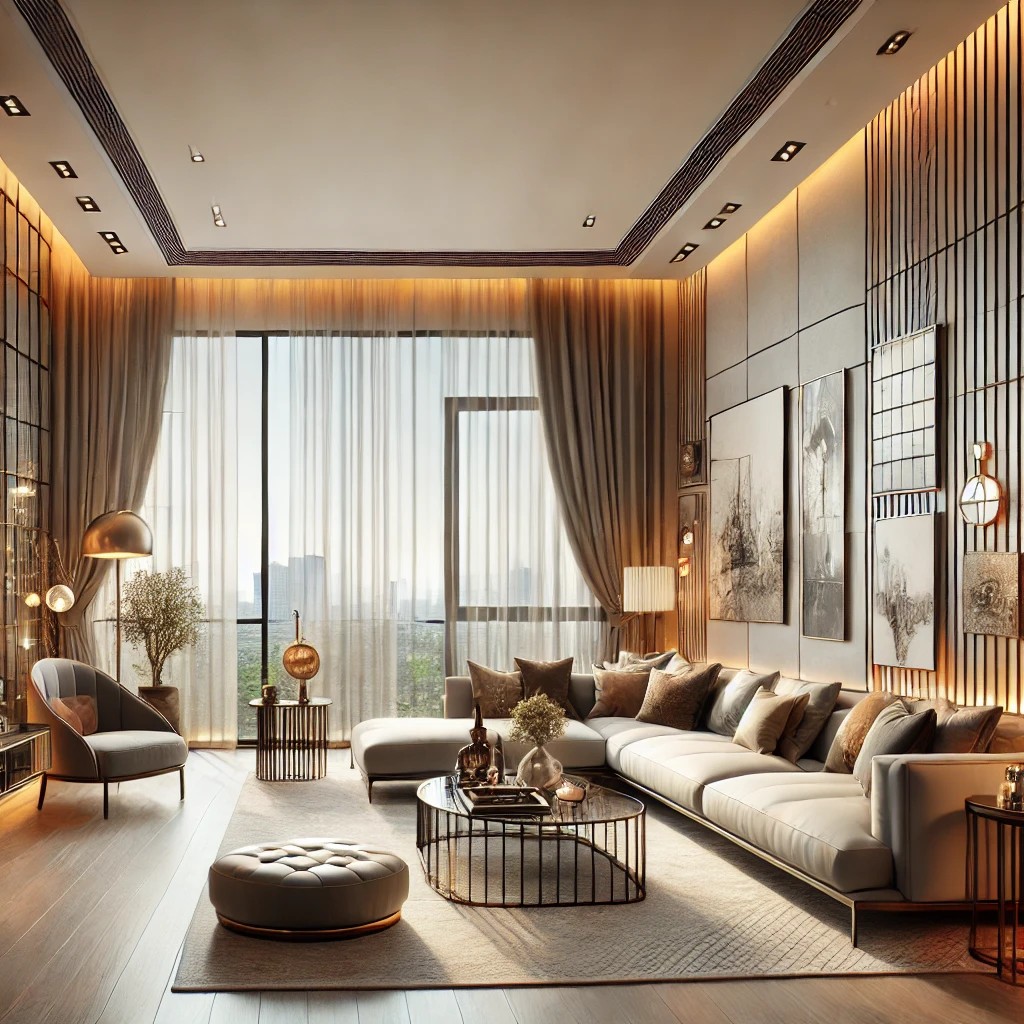
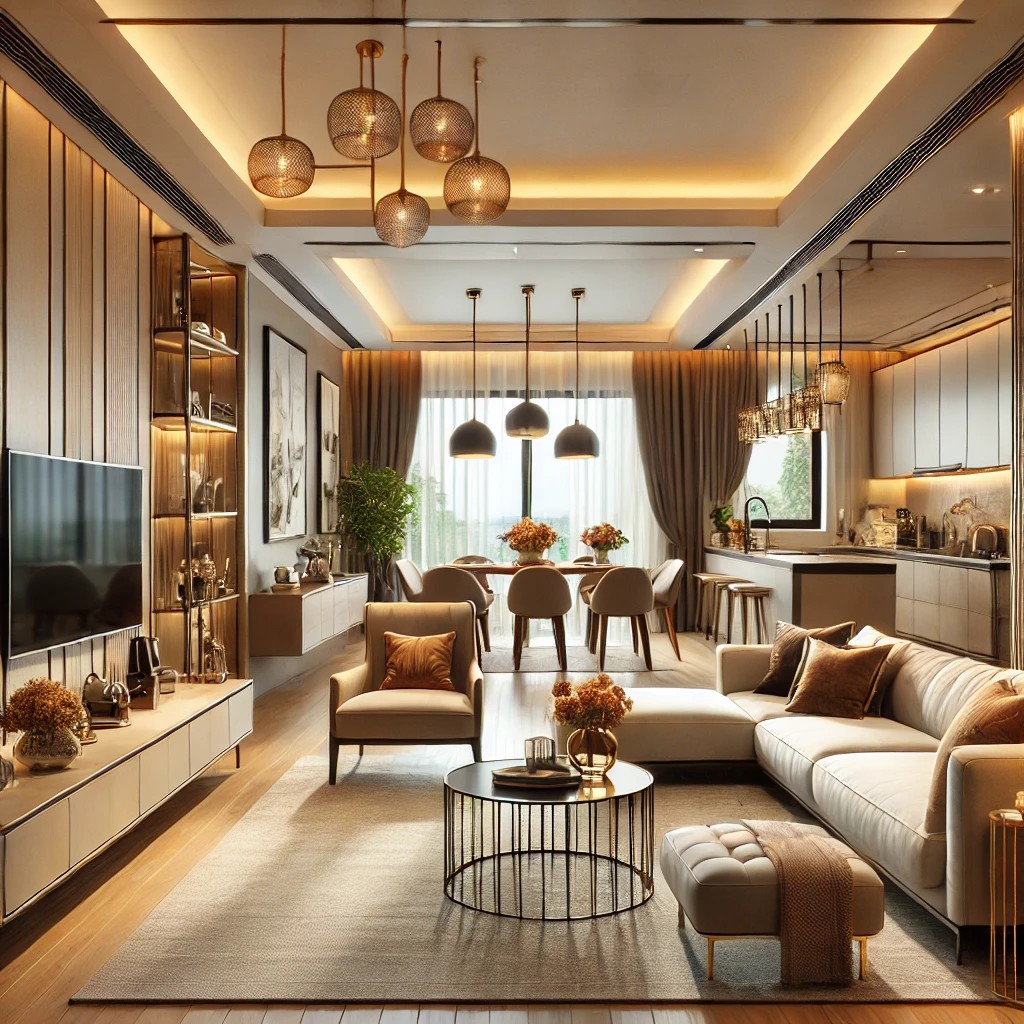
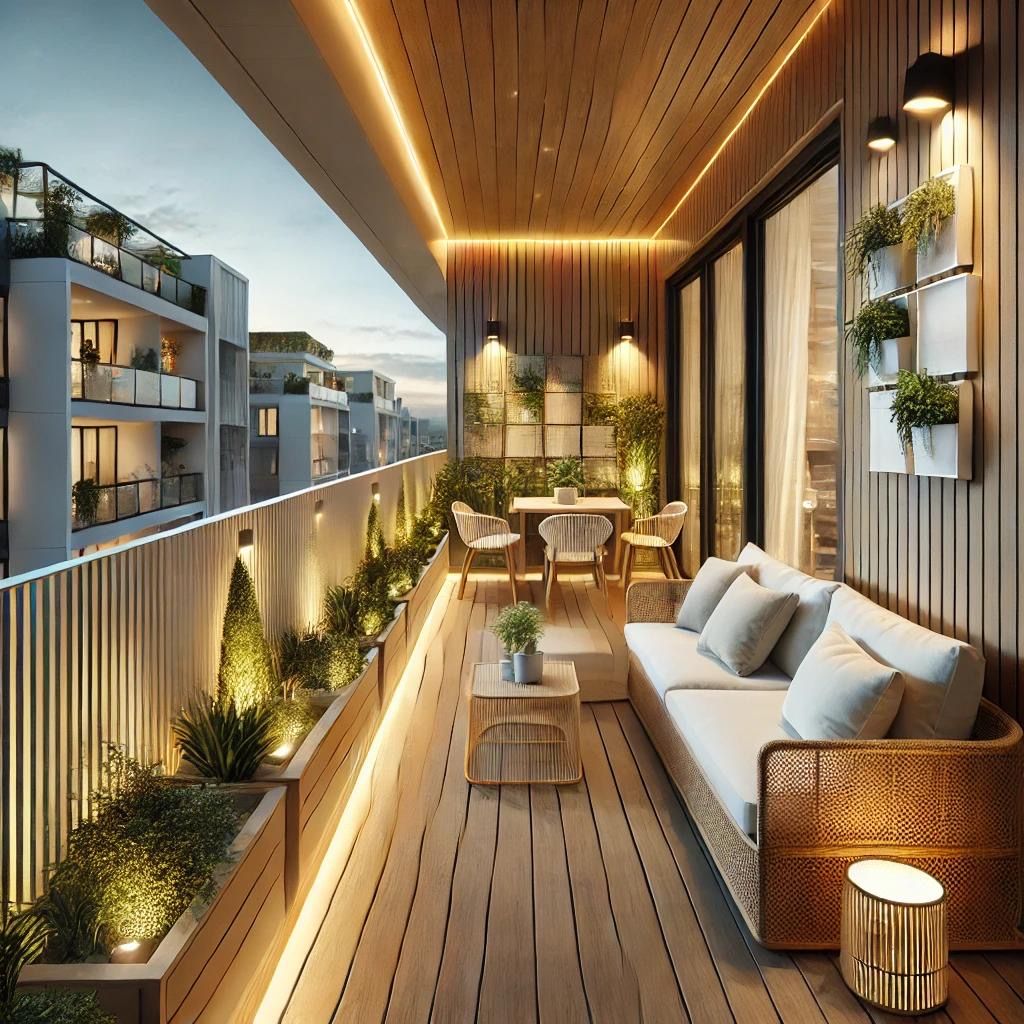
Natural Light Oasis: Invite the outdoors in by positioning your home office near a window. Natural light not only illuminates your workspace but also positively influences mood and alertness, fostering a dynamic environment for increased productivity.
Ergonomic Elegance: Invest in ergonomic furniture to blend comfort with functionality. A supportive chair, an adjustable desk, and proper lighting contribute to a workspace that prioritizes physical well-being, ensuring sustained focus during extended work hours.
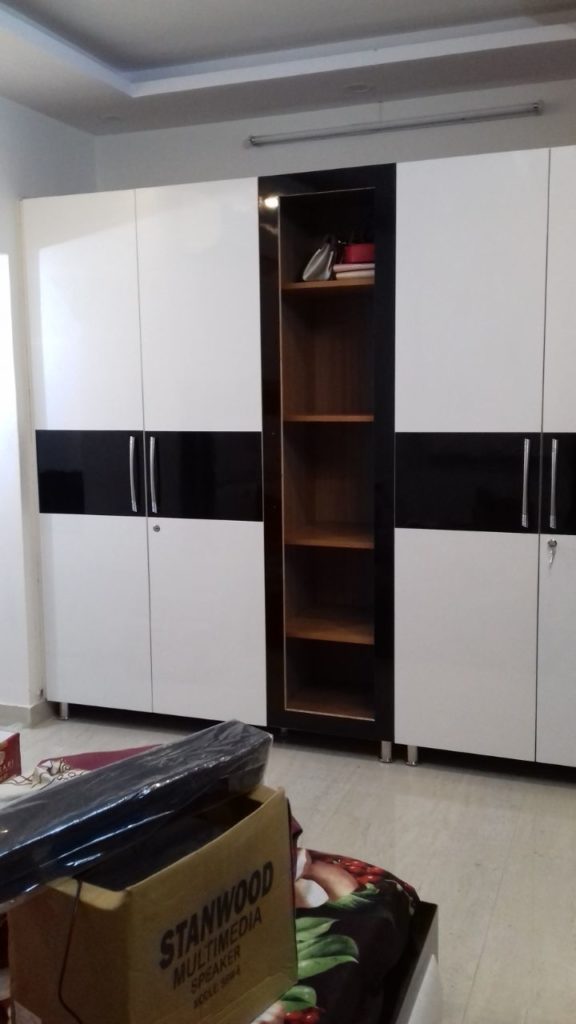
Declutter for Clarity: A clutter-free environment is a prerequisite for a productive home office. Keep essentials within reach and embrace organizational solutions like shelves, filing cabinets, and desk organizers to maintain a clean and focused workspace.
Personalized Inspirational Nook: Integrate a personalized touch to your home office with an inspiration nook. Display motivational quotes, artwork, or items that resonate with your professional journey, creating a space that fuels creativity and resilience during challenging tasks.
Tech-Savvy Productivity Hub: Embrace technology as a productivity ally. Cable organizers, wireless charging stations, and smart devices streamline the workspace, eliminating distractions and creating an efficient hub for seamless workflow.
Color Psychology for Focus: Harness the power of color psychology in your home office design. Calming blues, focused greens, or energizing yellows can influence mood and concentration. Choose a color palette that aligns with your work objectives and personal preferences.
Flexible Layout Configurations: Design your home office with flexibility in mind. Adjustable furniture and modular setups allow you to adapt the workspace based on varying tasks and work dynamics, promoting versatility and optimal productivity.
Biophilic Design Elements: Incorporate elements of biophilic design to bring nature indoors. Plants, natural materials, and earthy tones enhance the connection with the outdoors, promoting a sense of well-being and productivity.
Distraction-Free Zones: Create designated zones within your home office for specific tasks. A focused work area, a cozy reading corner, and a break zone delineate different activities, minimizing distractions and optimizing the efficiency of each space.
Inspiration from Art and Culture: Integrate elements of art and culture into your home office design. Artwork, sculptures, or cultural artifacts add a touch of inspiration, turning your workspace into a canvas of creativity that stimulates fresh ideas and enhances productivity.
Soundscapes for Concentration: Carefully curate your auditory environment for concentration. Whether it’s instrumental music, white noise, or nature sounds, incorporating soundscapes can create a cocoon of focus, drowning out potential distractions and enhancing productivity.
Personalized Organization Systems: Tailor your organization systems to match your workflow. Customized storage solutions, labeled shelves, and digital organization tools ensure that everything has its place, reducing the time spent searching for materials and maximizing efficiency.
Conclusion: As we navigate the evolution of workspaces, the home office stands as a sanctuary of productivity. Designing this space requires a thoughtful blend of functionality, inspiration, and personalization. From ergonomic furniture to personalized nooks, each element plays a crucial role in creating a workspace that not only facilitates work but also nurtures creativity and enhances overall well-being. In the symphony of home office design, every note contributes to a harmonious composition, transforming a simple room into a dynamic hub where productivity and inspiration converge.
Q: How can natural light enhance productivity in a home office? A: Positioning your home office near a window invites natural light, illuminating the workspace and positively influencing mood and alertness. This design choice creates a dynamic environment conducive to increased productivity.
Q: Why is ergonomic furniture crucial for a productive home office? A: Ergonomic furniture, including a supportive chair and adjustable desk, blends comfort with functionality. Prioritizing physical well-being in the workspace ensures sustained focus during extended work hours, fostering a productive environment.
Q: How does a clutter-free environment contribute to productivity in a home office? A: A clutter-free environment is essential for productivity. Organizational solutions like shelves, filing cabinets, and desk organizers help maintain a clean and focused workspace, reducing distractions and optimizing efficiency.
Q: How can a personalized inspiration nook enhance creativity in a home office? A: Integrating a personalized inspiration nook with motivational quotes, artwork, or items that resonate with your professional journey creates a space that fuels creativity and resilience during challenging tasks, enhancing productivity.
Q: What role does technology play in creating a productive home office? A: Technology serves as a productivity ally in the home office. Cable organizers, wireless charging stations, and smart devices streamline the workspace, eliminating distractions and creating an efficient hub for seamless workflow.
Q: How can color psychology influence focus in a home office design? A: Color psychology plays a crucial role in home office design. Choosing calming blues, focused greens, or energizing yellows can influence mood and concentration, aligning the color palette with work objectives and personal preferences.
Q: Why is flexibility important in the layout of a home office? A: Designing a home office with flexibility in mind, including adjustable furniture and modular setups, allows for adaptation based on varying tasks and work dynamics. This promotes versatility and optimal productivity within the workspace.
Q: What are the benefits of incorporating biophilic design elements in a home office? A: Biophilic design elements, such as plants, natural materials, and earthy tones, bring nature indoors, enhancing the connection with the outdoors. This design choice promotes a sense of well-being and productivity in the home office.
Q: How can designated zones minimize distractions in a home office? A: Creating designated zones within a home office for specific tasks, such as a focused work area, a cozy reading corner, and a break zone, minimizes distractions and optimizes the efficiency of each space, contributing to overall productivity.
Q: What role do art and culture play in home office design for inspiration? A: Integrating elements of art and culture, such as artwork, sculptures, or cultural artifacts, into a home office design adds a touch of inspiration. These elements turn the workspace into a canvas of creativity, stimulating fresh ideas and enhancing productivity.
Q: How can soundscapes contribute to concentration in a home office? A: Carefully curating the auditory environment in a home office, whether through instrumental music, white noise, or nature sounds, creates a cocoon of focus. This design choice drowns out potential distractions and enhances overall concentration and productivity.
Q: Why are personalized organization systems crucial for a productive home office? A: Tailoring organization systems to match one’s workflow, including customized storage solutions, labeled shelves, and digital organization tools, ensures that everything has its place. This reduces the time spent searching for materials and maximizes efficiency in the home office.
In the dynamic landscape of remote work, home offices are central to productivity. Designing an effective workspace involves thoughtful considerations, from embracing natural light to incorporating personalized inspiration nooks. These design ideas not only enhance productivity but also create a harmonious environment where work and inspiration seamlessly converge. The home office becomes more than a functional space; it becomes a sanctuary that nurtures creativity and fosters a productive mindset.
Crafting a Productive Haven: In the evolving paradigm of remote work, the home office stands as more than a functional space—it’s a haven of productivity. Each design choice contributes to a symphony of efficiency, creativity, and well-being, transforming a room into a dynamic workspace.
Radiance of Natural Light: Positioning your home office near a window isn’t just about aesthetics; it’s a strategic move to infuse the workspace with the radiance of natural light. This simple decision illuminates more than the room; it brightens moods and enhances focus, setting the stage for heightened productivity.
Ergonomics as a Priority: Ergonomic furniture is the silent ally in the productivity journey. A supportive chair, an adjustable desk—these elements seamlessly blend comfort with functionality. Prioritizing physical well-being becomes a foundation for sustained focus during those crucial work hours.
Serene Order in Decluttered Spaces: A clutter-free environment is not a mere aesthetic preference; it’s a prerequisite for a productive home office. Shelves, filing cabinets, and organizers become guardians of serene order, minimizing distractions and providing a canvas for focused work.
Inspiration Nooks: Amidst the functional setup, the inclusion of a personalized inspiration nook adds a touch of humanity to the workspace. Motivational quotes, cherished artwork, or personal mementos create a sanctuary within the office—a space that fuels creativity and resilience in the face of challenges.
Tech-Savvy Efficiency: In the realm of technology, the home office becomes a hub of efficiency. Cable organizers, wireless charging stations, and smart devices seamlessly integrate into the design, streamlining the workspace and eliminating unnecessary disruptions.
Color Palette Psychology: The colors surrounding us wield a subtle influence on our productivity. Blues for calm focus, greens for rejuvenation, and yellows for energy—color psychology becomes a deliberate choice, aligning the workspace with objectives and personal preferences.
Versatility in Layout: Designing with flexibility in mind, including adjustable furniture and modular setups, ensures the home office can adapt to varying tasks and work dynamics. This versatility not only optimizes space but also fosters a dynamic environment conducive to productivity.
Biophilic Harmony: The inclusion of biophilic elements bridges the gap between indoors and outdoors. Plants, natural materials, and earthy tones weave a harmonious connection with nature, creating a workspace that nurtures well-being and enhances overall productivity.
Zoning for Focus: Strategic zoning within the home office delineates specific tasks. A focused work area, a cozy reading corner, and a break zone provide distinct spaces, minimizing distractions and optimizing the efficiency of each area, fostering a conducive environment for focused work.
Artistic Inspiration: Art and culture find their place in the home office, turning it into a canvas of inspiration. Artwork, sculptures, or cultural artifacts add a touch of creativity, stimulating fresh ideas and infusing the workspace with an artistic essence.
Harmony in Soundscapes: The auditory landscape is curated with precision. Instrumental music, white noise, or the soothing sounds of nature become the backdrop for concentration, creating a cocoon that drowns out distractions and elevates overall focus and productivity.
Efficient Personalization: Personalized organization systems become the backbone of efficiency. Customized storage solutions, labeled shelves, and digital tools ensure everything has its place. This not only reduces time spent searching for materials but also maximizes efficiency within the home office.
As we conclude this exploration of home office design for productivity, it becomes clear that the nuances of each design choice contribute to a larger narrative. The home office is not merely a space for work; it’s a sanctuary carefully crafted to enhance efficiency, inspire creativity, and foster a sense of well-being. In the symphony of design ideas, every note resonates with the goal of creating a home office that transcends the functional, becoming a dynamic environment where productivity thrives and inspiration flourishes.