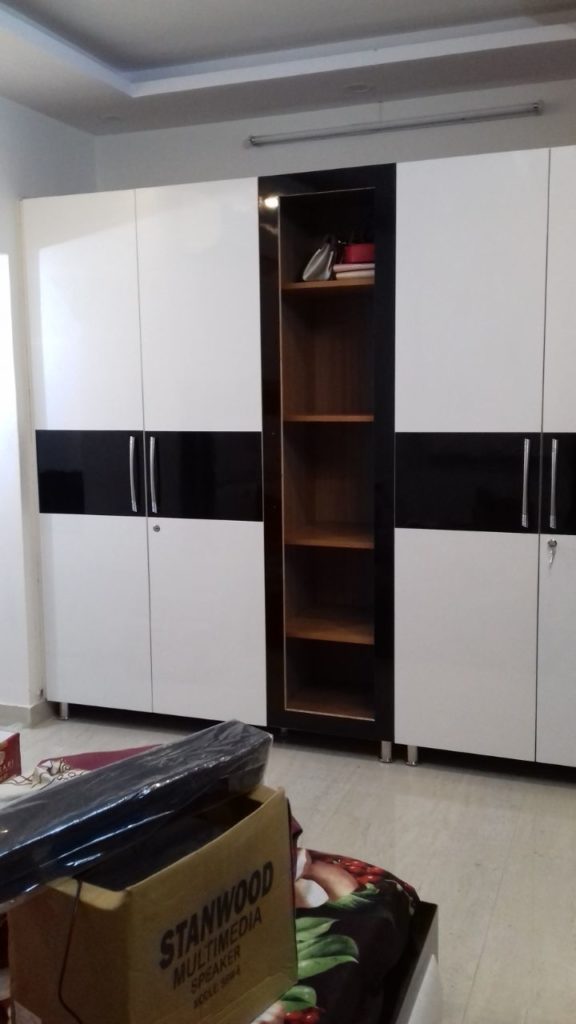
Wardrobes are essential pieces of furniture for storing clothing and accessories in bedrooms. Whether freestanding or built-in, wardrobes come in various styles, sizes, and configurations. Here are some key considerations when it comes to wardrobes:
- Size and Space Planning:
- Measure the available space in your bedroom to determine the size and placement of the wardrobe.
- Consider the height, width, and depth of the wardrobe, ensuring it fits comfortably in the designated area.
- Freestanding vs. Built-In:
- Freestanding wardrobes are versatile and can be moved around, while built-in wardrobes are custom-fitted to the space and offer a seamless look.
- Choose based on your space constraints, design preferences, and the level of customization you desire.
- Materials:
- Common wardrobe materials include wood, MDF, laminates, and metal.
- Choose a material that complements your bedroom decor and meets your durability and maintenance preferences.
- Style and Design:
- Wardrobes come in various styles, such as traditional, modern, and transitional.
- Consider the overall design aesthetic of your bedroom and choose a wardrobe that complements it.
- Doors:
- Wardrobe doors can be hinged, sliding, or even bi-fold.
- Consider the available space around the wardrobe when choosing the door type.
- Interior Configuration:
- Evaluate your storage needs and choose a wardrobe with an interior configuration that suits your clothing and accessory collection.
- Features may include hanging rods, shelves, drawers, and built-in organizers.
- Lighting:
- Built-in lighting can enhance visibility inside the wardrobe.
- Consider options such as LED lights or motion-activated lighting for a practical and stylish touch.
- Mirrors:
- Wardrobe doors with built-in mirrors can serve a dual purpose, providing both storage and a functional dressing mirror.
- Customization:
- Custom-built wardrobes allow you to tailor the interior layout to your specific storage requirements.
- Consider adjustable shelves and removable dividers for versatility.
- Ventilation:
- Ensure proper ventilation to prevent musty odors inside the wardrobe.
- Gaps or vents can facilitate air circulation.
- Budget:
- Establish a budget for the wardrobe, considering the materials, design complexity, and any additional features.
- Assembly and Installation:
- Consider whether the wardrobe comes pre-assembled or if it requires assembly.
- For built-in wardrobes, professional installation may be necessary for a precise fit.
- Maintenance:
- Choose materials and finishes that are easy to clean and maintain.
Whether you opt for a freestanding wardrobe or a built-in solution, the key is to balance functionality with aesthetics. By carefully considering the size, style, and interior configuration, you can choose a wardrobe that not only meets your storage needs but also enhances the overall look of your bedroom.