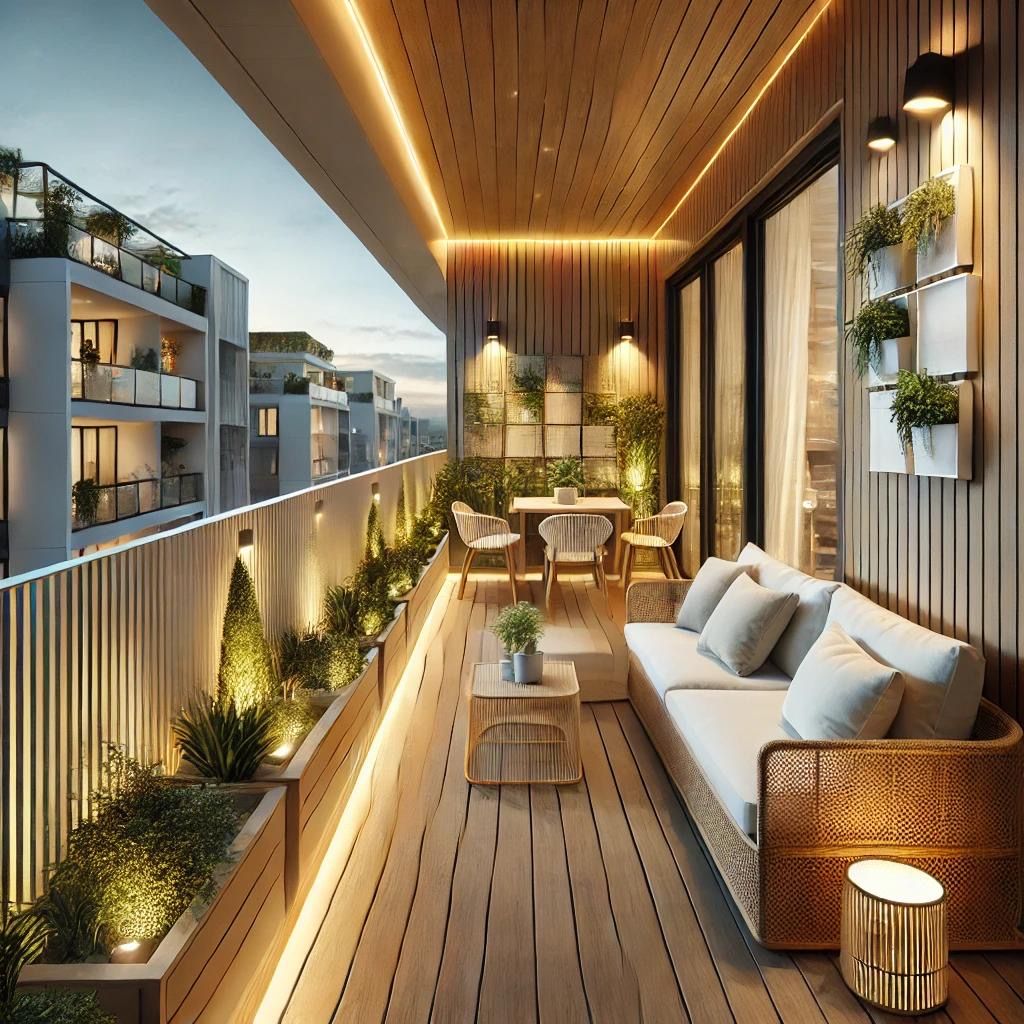
- Space Planning:
- Interior designers consider the layout and arrangement of furniture to optimize the functionality and flow of a space. Proper space planning ensures that furniture fits well within the available space and serves its intended purpose.
- Aesthetics and Style:
- Furniture contributes to the overall aesthetics and style of a room or space. The choice of furniture, including its design, color, and material, can significantly impact the visual appeal and atmosphere of an interior.
- Furniture Selection:
- Interior designers are involved in selecting appropriate furniture pieces for a space. This includes choosing items such as sofas, chairs, tables, beds, and storage solutions that align with the design concept and meet the client’s needs.
- Custom Furniture Design:
- In some cases, interior designers may collaborate with furniture designers or craftsmen to create custom pieces tailored to the specific requirements of a project. Custom furniture allows for a unique and personalized touch.
- Scale and Proportion:
- Achieving balance and harmony in a space involves considering the scale and proportion of furniture. Interior designers ensure that furniture pieces are appropriately sized in relation to the room and other elements.
- Functionality and Ergonomics:
- Interior designers prioritize the functionality and comfort of furniture. They choose pieces that not only look good but also serve their intended purposes efficiently. Consideration is given to ergonomics and user experience.
- Material Selection:
- The choice of materials for furniture is an important aspect of interior design. Different materials, such as wood, metal, glass, and fabric, contribute to the overall design aesthetic and can be selected based on the desired style and functionality.
- Arrangement and Placement:
- Interior designers carefully arrange and place furniture to create a cohesive and well-balanced design. The arrangement takes into account factors like traffic flow, focal points, and the function of each area within a space.
- Color Coordination:
- Furniture color and upholstery choices are coordinated with the overall color scheme of the interior design. This ensures a harmonious and visually pleasing composition.
In summary, furniture is an integral part of interior design, and designers play a key role in selecting, arranging, and customizing furniture to enhance the functionality and aesthetics of a space. The thoughtful integration of furniture is essential for creating well-designed and cohesive interiors.
Certainly! Here’s a set of frequently asked questions (FAQ) related to whether interior design includes furniture:
- Does interior design only focus on the layout and colors of a space, or does it involve furniture selection as well?
- Interior design encompasses both the overall layout and aesthetics of a space and the selection, arrangement, and customization of furniture. Furniture is an integral part of the design process.
- How do interior designers choose furniture for a project?
- Interior designers consider various factors, including the client’s preferences, the functionality of the space, the design concept, and the overall aesthetic. They often create mood boards and collaborate with clients to ensure the selected furniture aligns with the vision for the space.
- Is custom furniture a common element in interior design projects?
- Custom furniture is often used in interior design projects, especially when designers aim for a unique and personalized look. Designers may work with craftsmen or furniture designers to create bespoke pieces tailored to the specific needs of the project.
- Do interior designers also consider the comfort and functionality of furniture?
- Yes, comfort and functionality are crucial considerations for interior designers when selecting furniture. They ensure that furniture not only looks good but also serves its intended purpose efficiently and enhances the overall usability of the space.
- Can interior designers work with existing furniture in a space, or do they always recommend new pieces?
- Interior designers can work with existing furniture if it aligns with the design goals and the client’s preferences. They may offer recommendations on how to incorporate existing pieces into the overall design or suggest modifications if needed.
- How does furniture contribute to the aesthetics of a space in interior design?
- Furniture plays a significant role in contributing to the visual appeal and style of a space. The design, color, material, and arrangement of furniture all contribute to the overall aesthetics of an interior.
- Is furniture placement important in interior design?
- Yes, furniture placement is crucial in interior design. Designers carefully plan the arrangement of furniture to optimize traffic flow, create focal points, and achieve a balanced and harmonious composition within the space.
- Can interior designers provide advice on where to purchase furniture and accessories for a project?
- Yes, many interior designers have access to a network of suppliers and can provide recommendations on where to purchase furniture and accessories. They may also have access to trade discounts that can benefit the client.
- Do interior designers consider the longevity and durability of furniture when making selections?
- Yes, the longevity and durability of furniture are important factors in the decision-making process. Interior designers select materials and pieces that not only look good but also withstand the wear and tear of everyday use.
- Can a client be involved in the furniture selection process during an interior design project?
- Absolutely. Interior designers often collaborate closely with clients, involving them in the furniture selection process. Client preferences, tastes, and lifestyle are taken into consideration to ensure a personalized and satisfactory outcome.
In summary, furniture is a fundamental aspect of interior design, and designers consider a variety of factors to select, arrange, and customize furniture to create functional, aesthetically pleasing, and personalized spaces.
The inclusion of furniture in interior design extends beyond the mere selection of pieces; it encompasses spatial planning, scale and proportion considerations, color coordination, and the creation of a cohesive and harmonious design. Whether integrating existing furniture or curating new pieces, interior designers play a crucial role in optimizing the use of space and enhancing the visual appeal of interiors.
In essence, furniture is a vital tool through which interior designers bring their creative vision to life, creating environments that are not only visually pleasing but also tailored to the needs and preferences of the occupants. The thoughtful integration of furniture into the design process ensures that interiors are both functional and aesthetically satisfying.