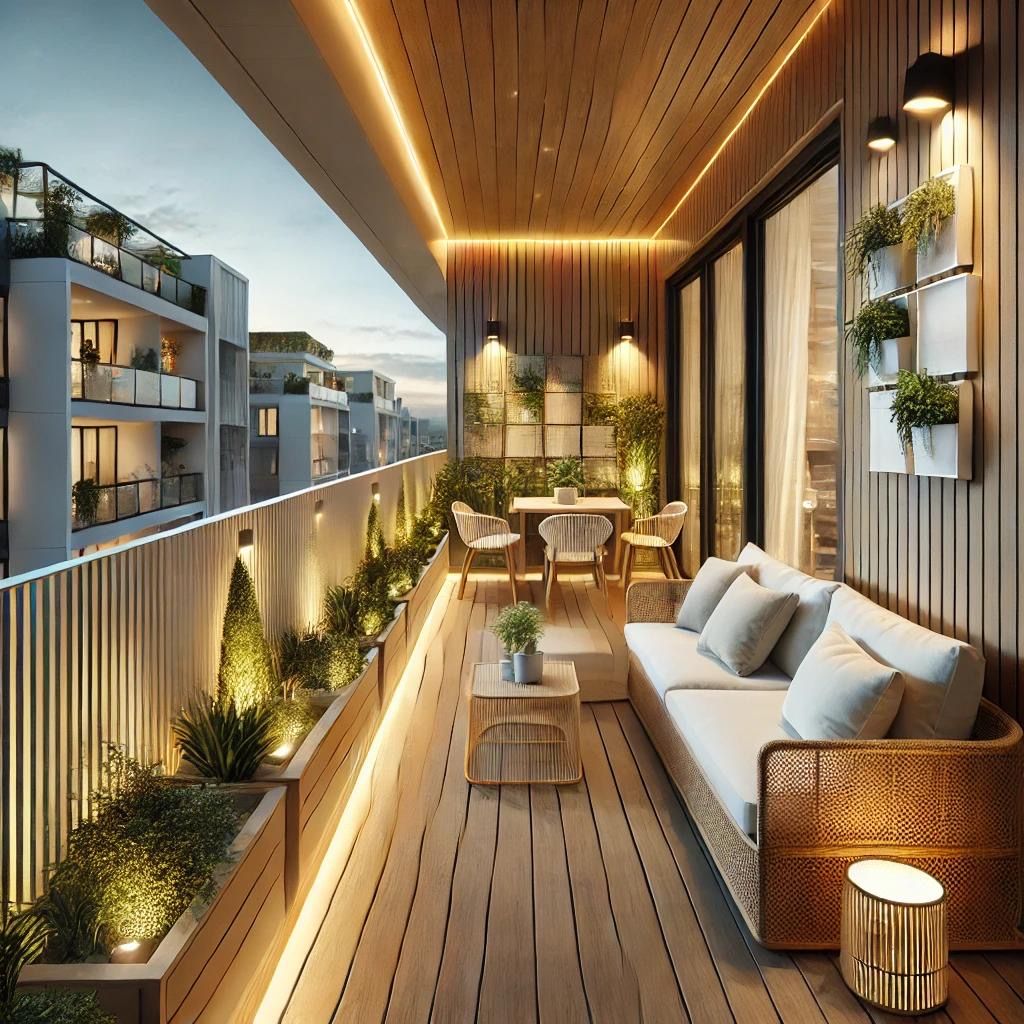
Designing the interior of your home involves creating a comfortable, functional, and aesthetically pleasing space that reflects your personal style and meets your lifestyle needs. Here are key considerations and tips for home interior design:
- Define Your Style:
- Identify your preferred interior design style. Whether it’s modern, traditional, minimalist, eclectic, or a fusion of styles, having a clear style preference will guide your design choices.
- Set a Budget:
- Establish a budget for your interior design project. This will help you make informed decisions and prioritize spending on key elements.
- Assess Your Needs:
- Consider the functional requirements of each space. Think about how you use each room and design accordingly. For example, the design of a living room may differ from that of a home office or bedroom.
- Color Scheme:
- Choose a cohesive color palette that flows throughout your home. Consider the psychological impact of colors and how they contribute to the overall mood of each space.
- Furniture Selection:
- Invest in quality, comfortable furniture that complements your design style. Pay attention to scale and proportion, and ensure that the furniture fits the room appropriately.
- Layout and Flow:
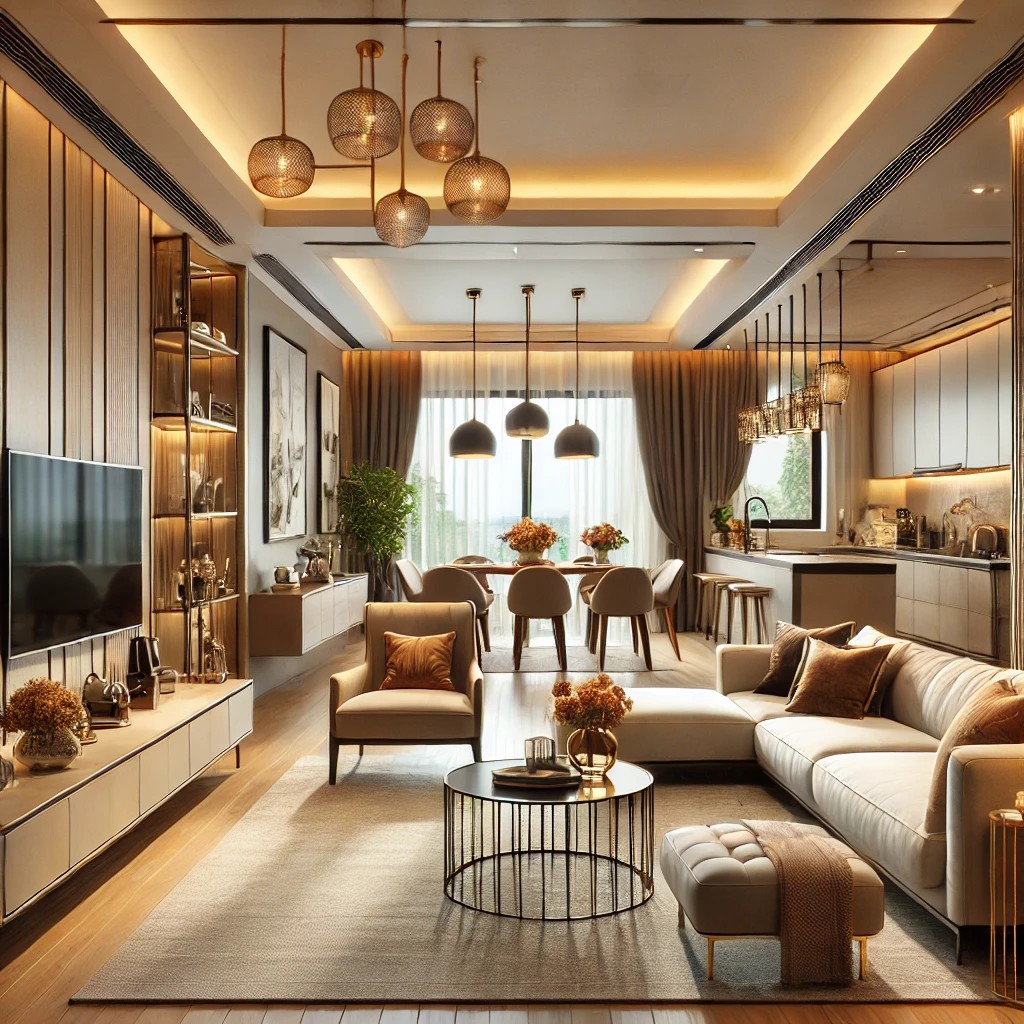
- Arrange furniture to create a functional layout with good traffic flow. Consider the placement of key pieces to optimize the use of space.
- Lighting Design:
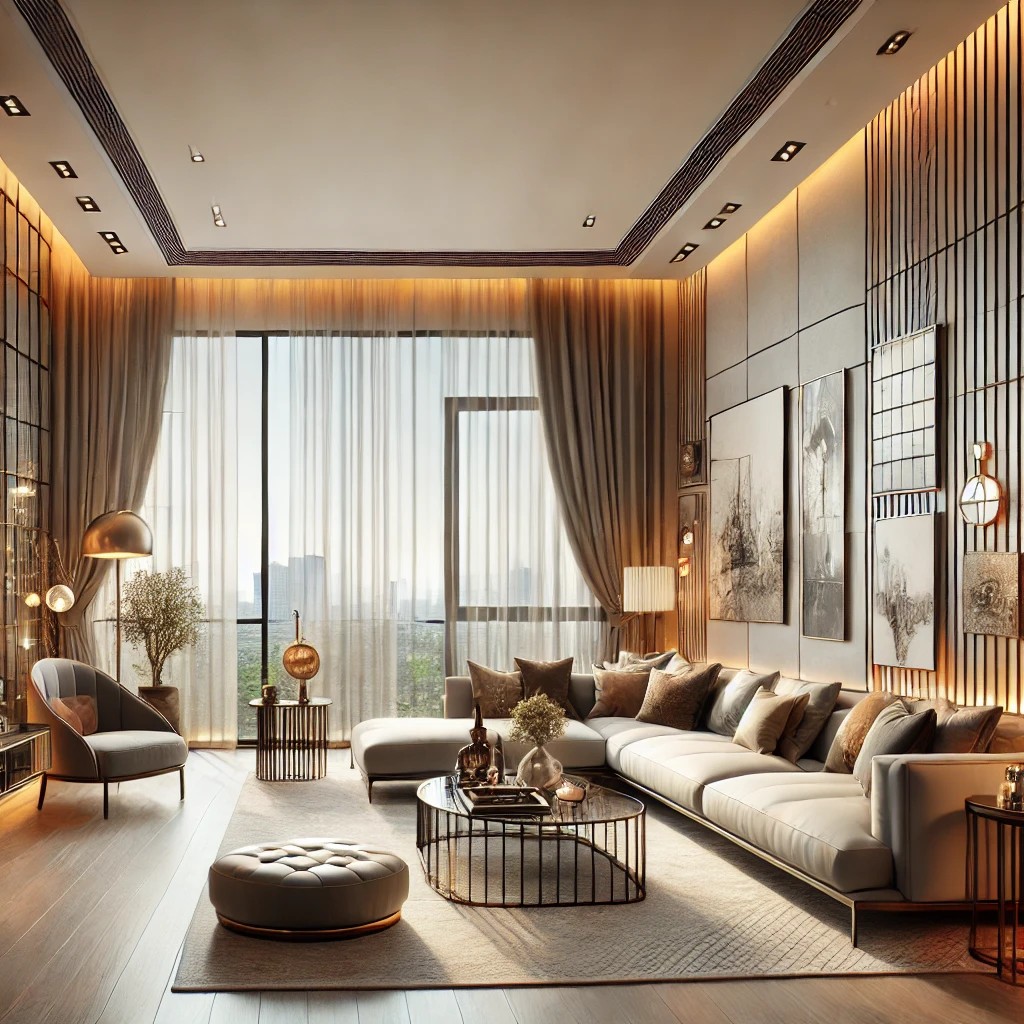
- Plan the lighting scheme for each room. Use a combination of ambient, task, and accent lighting to create a well-lit and inviting atmosphere.
- Textures and Patterns:
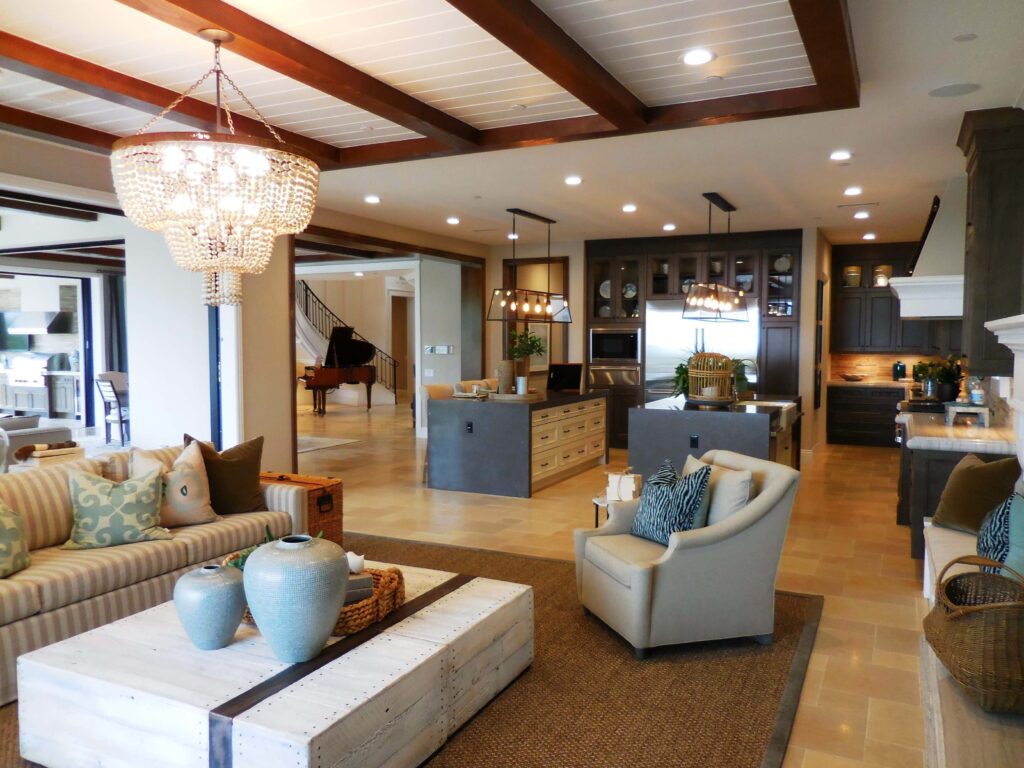
- Introduce a variety of textures and patterns to add visual interest. This can be achieved through textiles, rugs, wallpaper, or decor items.
- Art and Decor:
- Display artwork and decor items that resonate with your style. These personal touches add character and make the space uniquely yours.
- Window Treatments:
- Choose window treatments that enhance the overall design while providing privacy and controlling natural light. Options include curtains, blinds, shades, or a combination.
- Storage Solutions:
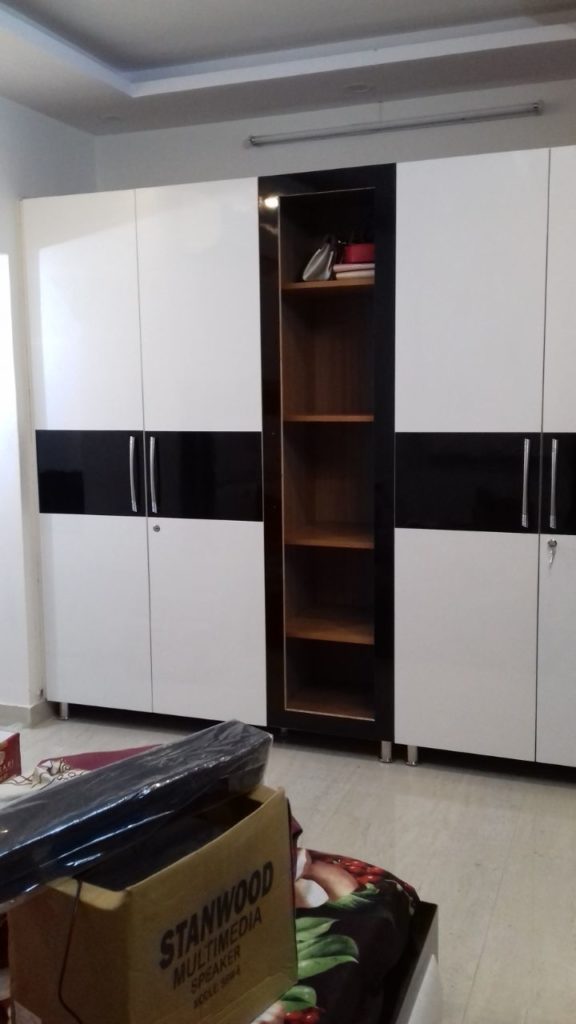
- Prioritize storage to maintain a clutter-free environment. Consider built-in storage solutions and furniture with hidden storage.
- Personal Touches:
- Incorporate elements that reflect your personality, such as family photos, memorabilia, or items collected during travels.
- Greenery and Plants:
- Bring nature indoors with houseplants. Greenery not only adds a decorative element but also contributes to a healthier indoor environment.
- Rearrange Existing Furniture:
- Consider rearranging existing furniture before making new purchases. Sometimes, a simple rearrangement can breathe new life into a space.
- DIY Projects:
- Explore do-it-yourself (DIY) projects to add a personal touch to your home. This could involve creating custom decor items or repurposing existing furniture.
- Stay Organized:
- Keep your home organized to maintain a tidy and welcoming atmosphere. Incorporate storage solutions to help manage clutter.
- Sustainable Design:
- Consider sustainable and eco-friendly design choices, such as energy-efficient appliances, recycled materials, and environmentally conscious furniture.
Remember that your home is a reflection of your personality and lifestyle. Take your time with the design process, and make choices that enhance both the functionality and visual appeal of your living spaces.