Home interior contractors are professionals who specialize in overseeing and executing the construction, renovation, or remodeling of the interior spaces of residential properties. They work on projects that involve structural changes, electrical and plumbing work, and other modifications to enhance the functionality and aesthetics of a home’s interior. Here are key aspects of what home interior contractors typically do:
- Initial Consultation:
- Home interior contractors start by meeting with clients to discuss their vision, requirements, and budget. During this consultation, they gather information about the scope of the project and the specific goals the client wants to achieve.
- Project Planning:
- Contractors develop a detailed project plan that includes a timeline, budget breakdown, and a scope of work. They may also work with architects or designers to ensure the project aligns with the client’s vision.
- Permits and Approvals:
- Depending on the nature of the project, contractors handle the necessary permits and approvals from local authorities. This ensures that the work complies with building codes and regulations.
- Structural Changes:
- If the project involves structural modifications, such as removing or adding walls, home interior contractors coordinate and oversee these changes. This may include working with engineers and architects to ensure structural integrity.
- Electrical and Plumbing Work:
- Contractors manage and coordinate any necessary electrical or plumbing work. This could involve rewiring, installing new fixtures, or relocating plumbing lines to accommodate the new design.
- Carpentry and Finishing Work:
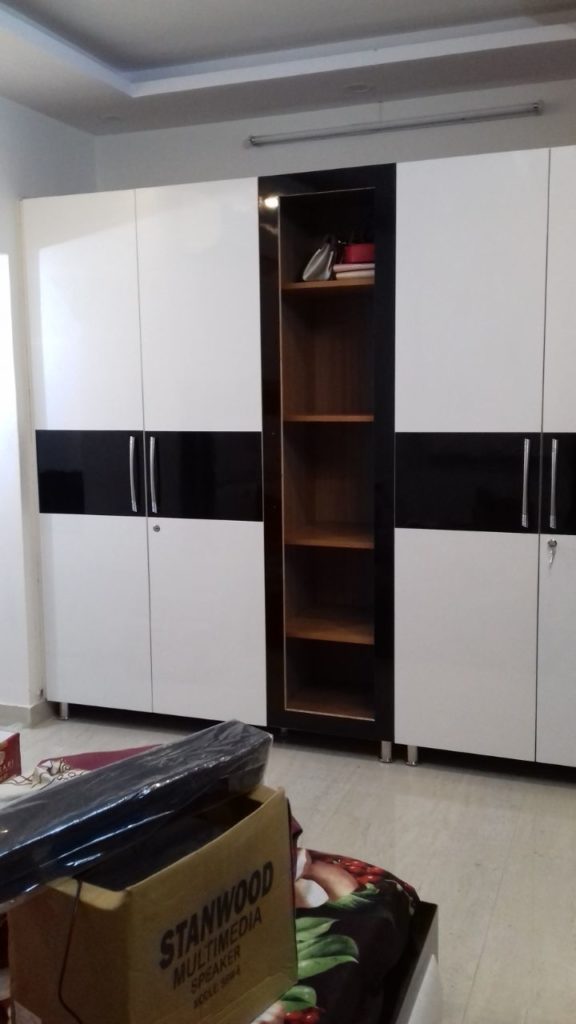
- Home interior contractors handle carpentry work, such as installing built-in furniture, cabinetry, and trim. They also oversee finishing work, including painting, flooring installation, and other details that contribute to the overall aesthetic.
- Coordination with Subcontractors:
- Contractors often work with a team of subcontractors, including electricians, plumbers, carpenters, and painters. They coordinate these professionals to ensure that each aspect of the project is completed according to the plan.
- Quality Control:
- Throughout the project, contractors monitor the quality of work, ensuring that it meets industry standards and the client’s expectations. They address any issues promptly and make necessary adjustments.
- Budget Management:
- Home interior contractors manage the budget for the project, keeping track of expenses and making adjustments as needed. They help clients make informed decisions to stay within budget constraints.
- Timeline Management:
- Contractors create and manage a project timeline, ensuring that each phase of the project is completed on schedule. Delays can be costly, so effective time management is crucial.
- Communication with Clients:
- Contractors maintain open communication with clients, providing regular updates on the progress of the project, addressing concerns, and seeking client input when necessary.
- Post-Construction Cleanup:
- After the construction work is completed, contractors oversee the cleanup of the site, ensuring that the space is ready for occupancy. This includes removing debris and construction-related materials.
- Final Inspections:
- Contractors schedule final inspections to ensure that the renovated or remodeled space complies with building codes and regulations. This step is essential for obtaining any necessary certifications and approvals.
When hiring a home interior contractor, it’s important for clients to choose a reputable professional with experience in the specific type of project they have in mind. Clear communication, transparency, and collaboration are key factors for a successful partnership between the client and the contractor.