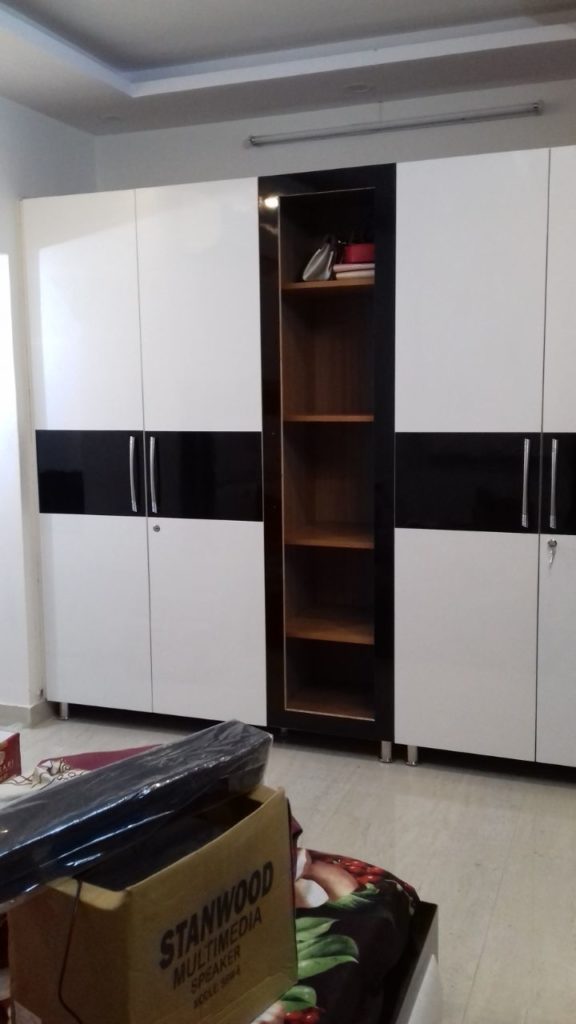
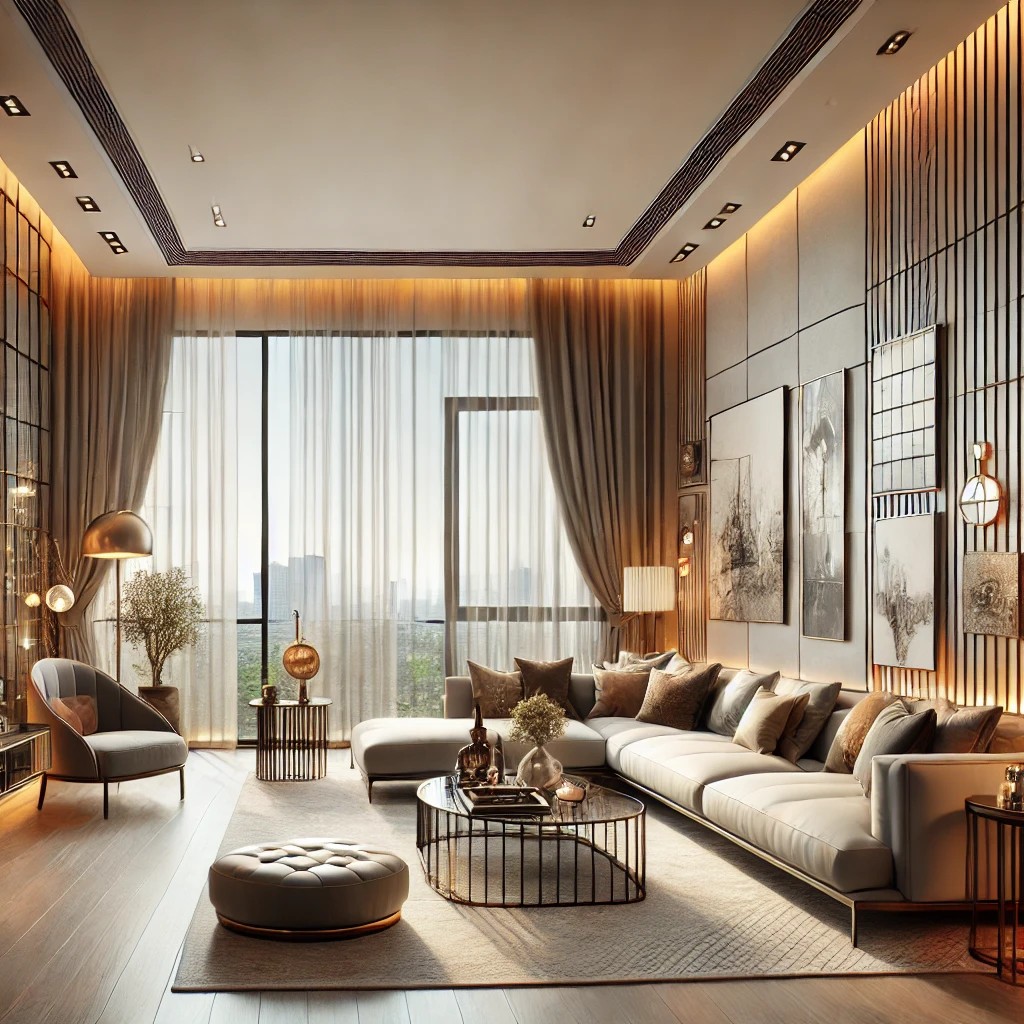
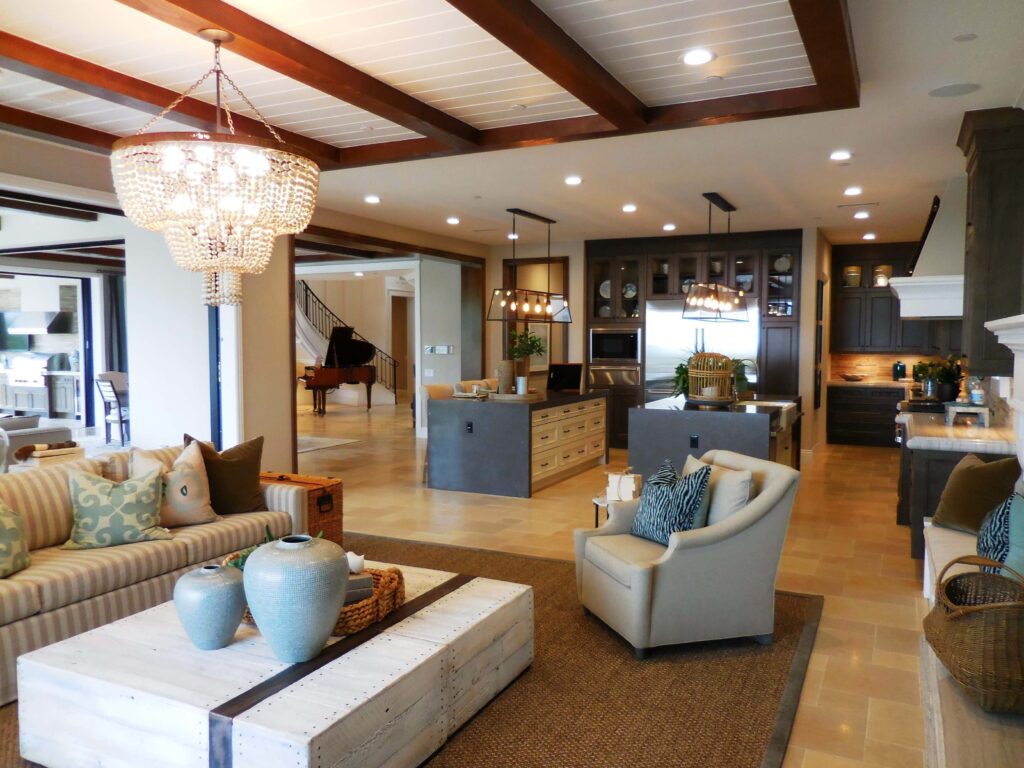
A false ceiling, also known as a dropped ceiling or suspended ceiling, is a secondary ceiling installed below the main structural ceiling of a room or space. This type of ceiling is a popular architectural element that serves several functional and aesthetic purposes. Here are some key aspects of false ceilings:
1. Aesthetic Enhancement:
- False ceilings contribute to the overall aesthetics of a space by providing a clean, finished look. They can be customized to complement the interior design style, and various materials, colors, and patterns can be used.
2. Concealing Services:
- One of the primary functions of a false ceiling is to conceal electrical wiring, air conditioning ducts, plumbing, and other services that run across the ceiling. This not only improves the visual appeal but also facilitates easy maintenance and repairs.
3. Acoustic Improvement:
- False ceilings are often used to enhance acoustic properties in a space. They can help absorb sound, reduce echoes, and improve overall acoustics. This is especially beneficial in commercial spaces, theaters, and auditoriums.
4. Thermal Insulation:
- Some false ceilings come with thermal insulation properties. They can help in maintaining a comfortable temperature within a room by reducing heat transfer between the interior and exterior of the building.
5. Lighting Integration:
- False ceilings offer an ideal platform for integrating various types of lighting fixtures, such as recessed lights, LED strips, or pendant lights. This allows for creative and efficient lighting design.
6. Fire Safety:
- Fire-resistant materials can be used in the construction of false ceilings, contributing to fire safety measures in buildings. This is particularly important in commercial and public spaces.
7. Types of False Ceilings:
- There are different types of false ceilings based on the materials used, including gypsum board ceilings, metal ceilings, PVC ceilings, wooden ceilings, and mineral fiber ceilings. Each type has its own characteristics and applications.
8. Installation Process:
- The installation of a false ceiling involves creating a metal framework that is suspended from the main ceiling. Ceiling tiles or panels are then attached to this framework. The process is relatively quick and minimizes disruption to the existing space.
9. Maintenance:
- False ceilings are relatively easy to maintain. Individual panels can be removed and replaced if necessary, allowing for easy access to services hidden above the ceiling.
10. Customization: – False ceilings can be customized in terms of design, shape, and color. They offer architects and designers flexibility to create unique and visually appealing ceiling designs.
False ceilings are widely used in residential, commercial, and institutional buildings for their functional and aesthetic benefits. They provide a versatile solution for concealing infrastructure while adding a decorative element to interior spaces.