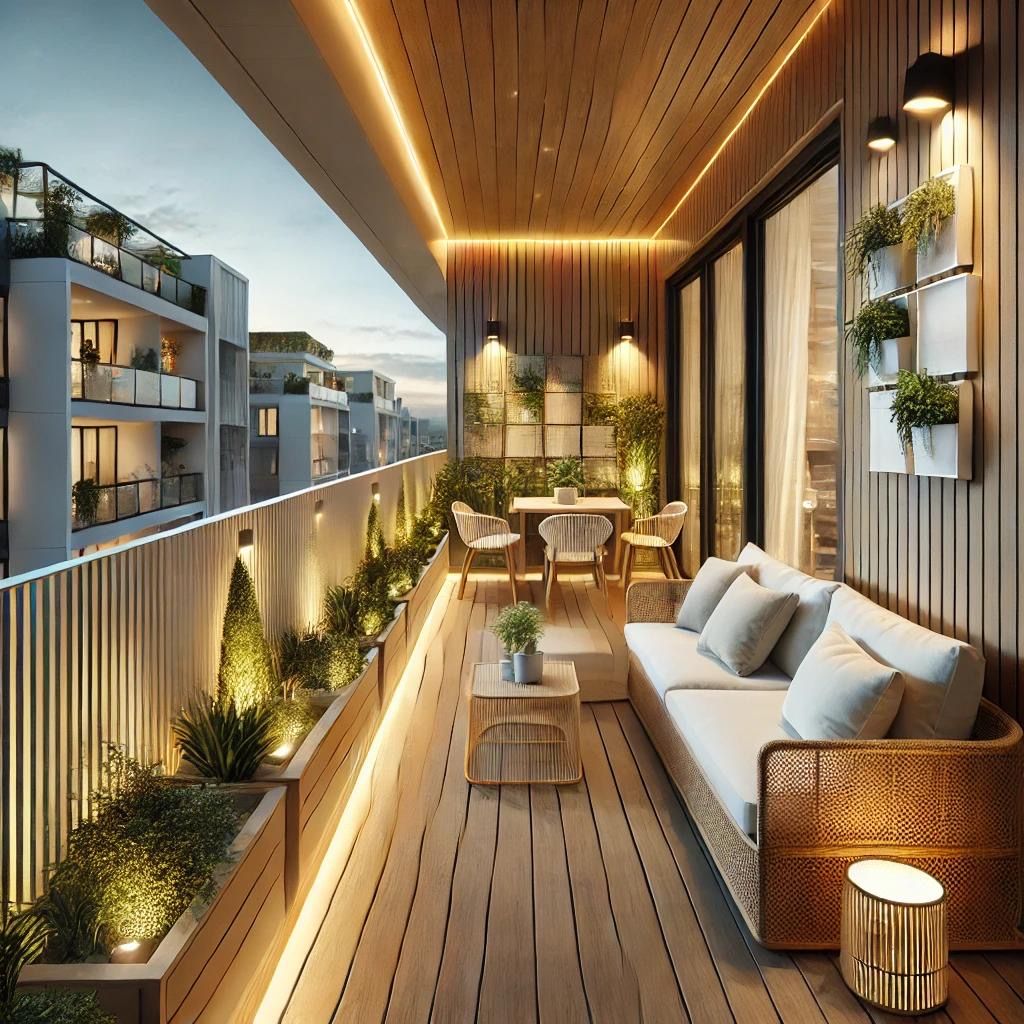
Designing a studio interior involves creating a versatile and efficient space that serves multiple functions. Studios are often compact, so maximizing functionality while maintaining an aesthetically pleasing environment is crucial. Whether it’s a residential or a creative studio, here are some key elements and considerations:
- Open Layout:
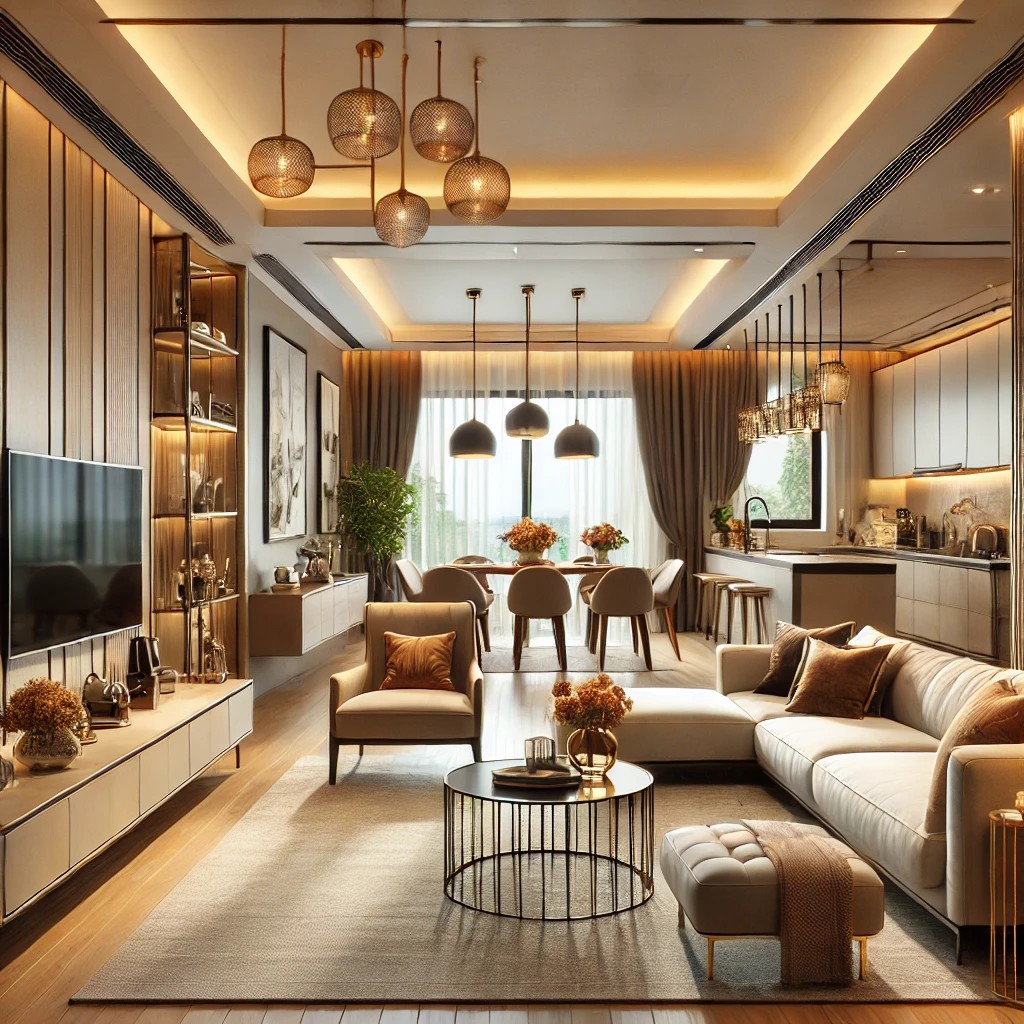
- Embrace an open layout to create a sense of spaciousness, especially in smaller studios.
- Use minimalistic furniture and avoid heavy, bulky pieces.
- Multi-Functional Furniture:
- Invest in multi-functional furniture that serves more than one purpose.
- Consider items like sofa beds, foldable tables, and storage ottomans.
- Smart Storage Solutions:
- Maximize storage with built-in shelving, wall-mounted cabinets, and under-bed storage.
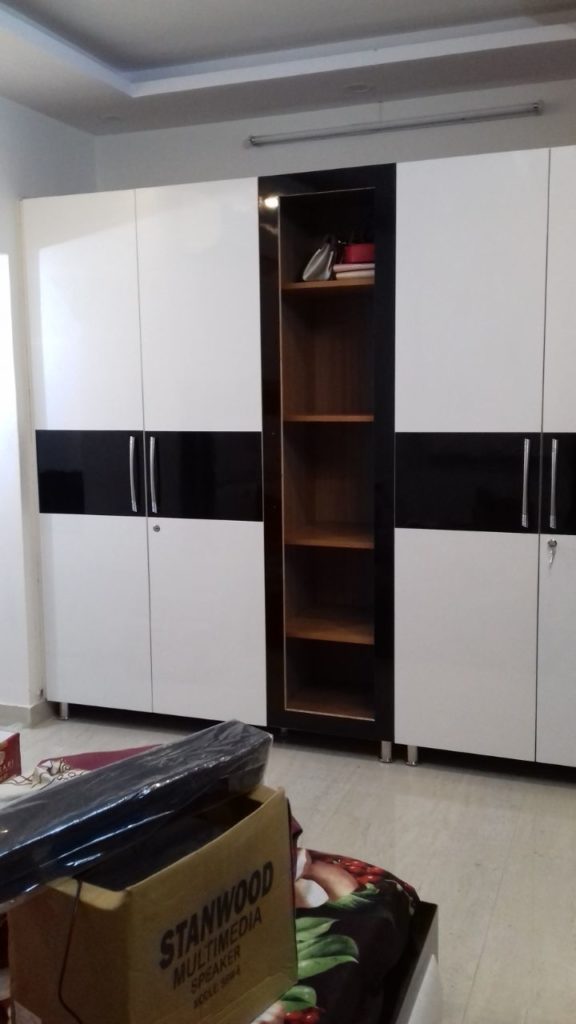
- Utilize vertical space with floor-to-ceiling bookshelves or closets.
- Light Color Palette:
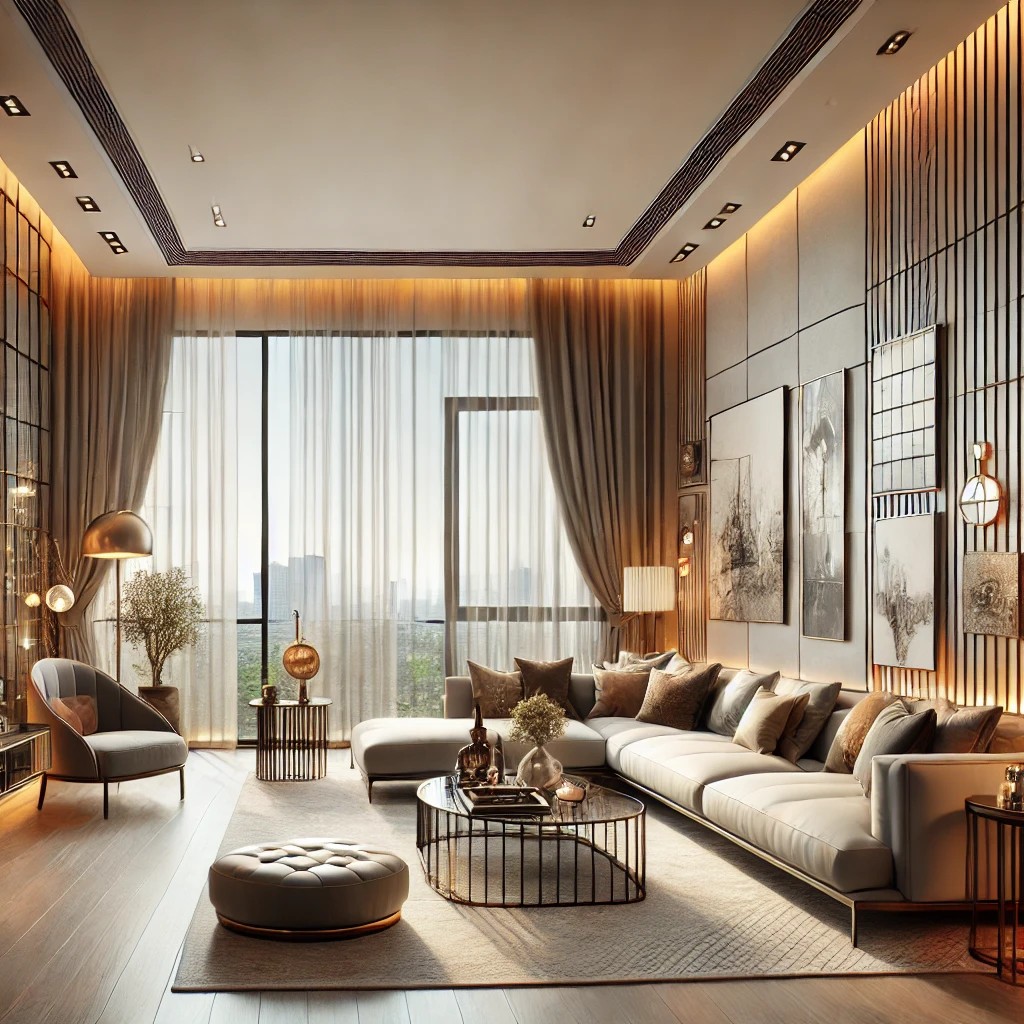
- Choose light and neutral color schemes to make the studio feel brighter and more spacious.
- Use pops of color through decor items and accessories.
- Flexible Room Dividers:
- Use room dividers or curtains to create separation between different functional areas.
- Consider open shelving or furniture with dual functionality.
- Natural Light:
- Maximize natural light by using light and sheer window treatments.
- Consider mirrors to enhance the perception of light and space.
- Compact Kitchen Design:
- Design a compact and efficient kitchen layout with space-saving appliances and clever storage solutions.
- Use open shelving or glass cabinets to maintain an open feel.
- Small-Scale Furniture:
- Choose furniture that is proportionate to the size of the studio.
- Opt for smaller-scale sofas, chairs, and tables.
- Customized Workspaces:
- Create a customized workspace that fits the specific needs of the studio occupant.
- Use built-in desks or wall-mounted work surfaces to save space.
- Clever Decor Arrangements:
- Opt for decor items that enhance the overall aesthetic without overcrowding.
- Consider wall art, decorative mirrors, and plants for a touch of personality.
- Minimalistic Decor:
- Embrace a minimalistic approach to decor to avoid visual clutter.
- Choose a few key pieces that make a statement rather than numerous smaller items.
- Accent Furniture:
- Incorporate accent furniture to add visual interest without overwhelming the space.
- Consider a statement chair, a unique coffee table, or an eye-catching rug.
- Technology Integration:
- Integrate technology seamlessly with smart home devices, compact entertainment systems, and hidden wiring.
- Consider wall-mounted TVs or projectors to save floor space.
- Foldable and Portable Elements:
- Use foldable or portable furniture and accessories that can be easily stored when not in use.
- Folding chairs, nesting tables, and portable lamps are good examples.
- Personalized Touch:
- Add a personalized touch to the studio with artwork, photographs, and decor items that reflect the occupant’s style.
- Consider creating a gallery wall or displaying a collection of favorite items.
- Flexible Lighting:
- Incorporate flexible lighting options, such as adjustable task lights and floor lamps.
- Use lighting fixtures that can be easily repositioned to suit different activities.
- Convertible Furniture:
- Consider convertible furniture options, like a sofa that transforms into a bed or a dining table that doubles as a desk.
- These pieces can optimize space usage in a studio.
- Vertical Gardens or Planters:
- Bring nature indoors with vertical gardens or potted plants to add a touch of greenery.
- Use hanging or wall-mounted planters to save floor space.
- Creative Storage Solutions:
- Think creatively about storage, such as using storage benches, ottomans with hidden compartments, or wall-mounted storage systems.
- Utilize the space under furniture for additional storage.
- Compact Bathroom Design:
- Design a compact and functional bathroom with space-saving fixtures and storage.
- Use mirrors to create the illusion of a larger space.
Remember, the key to designing a studio interior is to optimize the available space while maintaining a sense of style and functionality. Customization based on the specific needs and lifestyle of the studio occupant is crucial for a successful design.