Designing a hotel interior involves creating a welcoming, functional, and aesthetically pleasing environment for guests. Here are some key elements and considerations for hotel interior design:
- Reception Area:
- Design an inviting and efficient reception area with a well-designed front desk.
- Use comfortable seating for guests during check-in/check-out.
- Lobby Design:
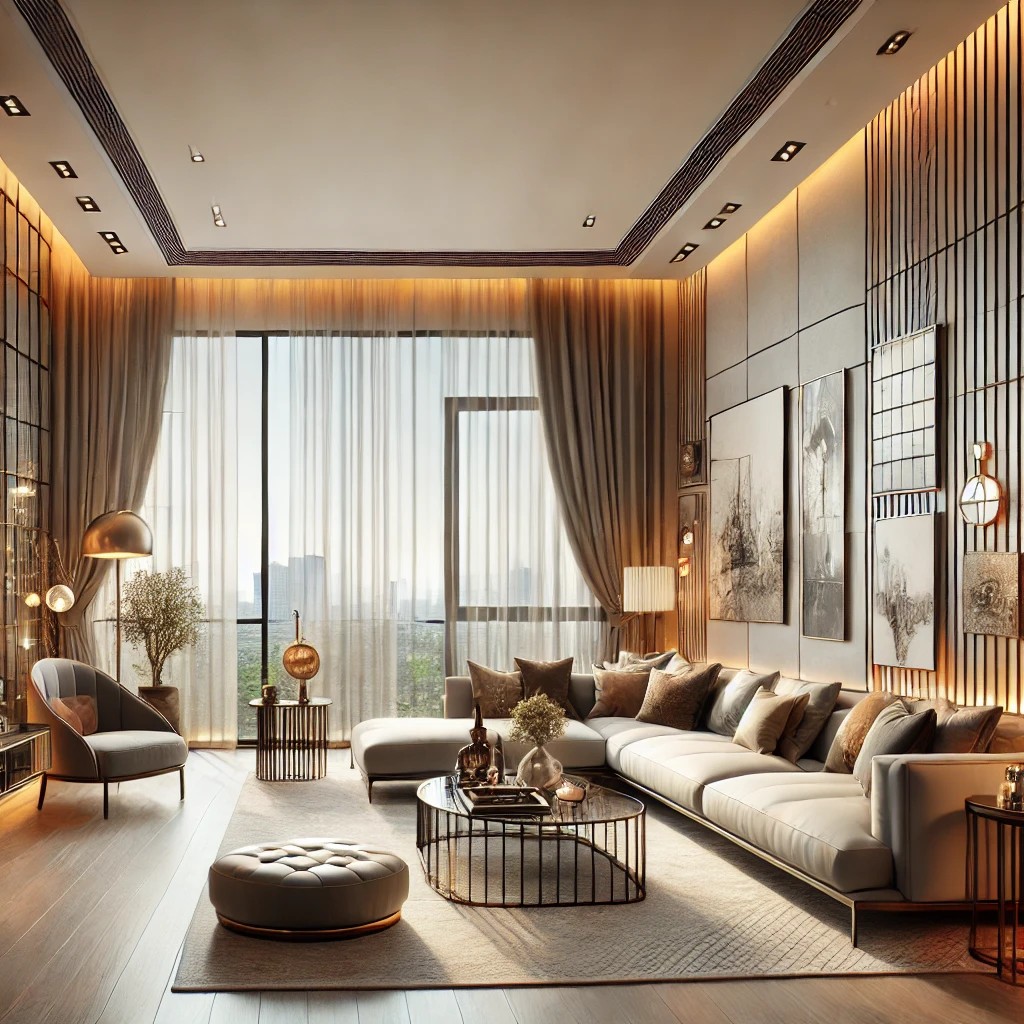
- Create a visually appealing lobby with comfortable seating arrangements.
- Consider incorporating a lounge area, a business center, or a concierge desk.
- Color Scheme:
- Choose a color scheme that aligns with the hotel’s branding and creates a warm, inviting atmosphere.
- Consider using neutral tones with accent colors for a sophisticated look.
- Furniture Selection:
- Use high-quality and durable furniture in common areas.
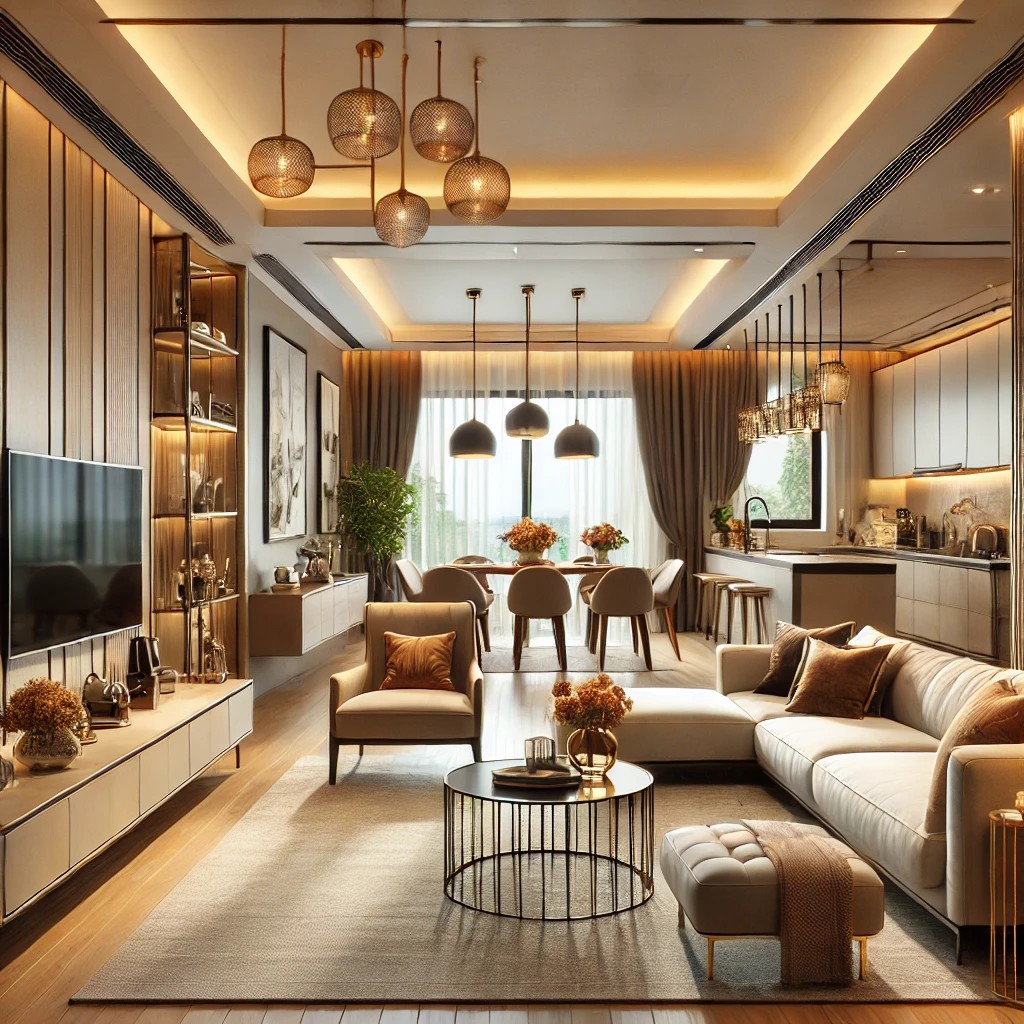
- Consider a mix of seating options, including sofas, lounge chairs, and bar stools.
- Art and Decor:
- Incorporate artwork and decor that reflects the local culture or the hotel’s theme.
- Use decorative elements such as sculptures, paintings, or murals to add interest.
- Lighting Design:
- Implement a well-thought-out lighting plan with a mix of ambient, task, and accent lighting.
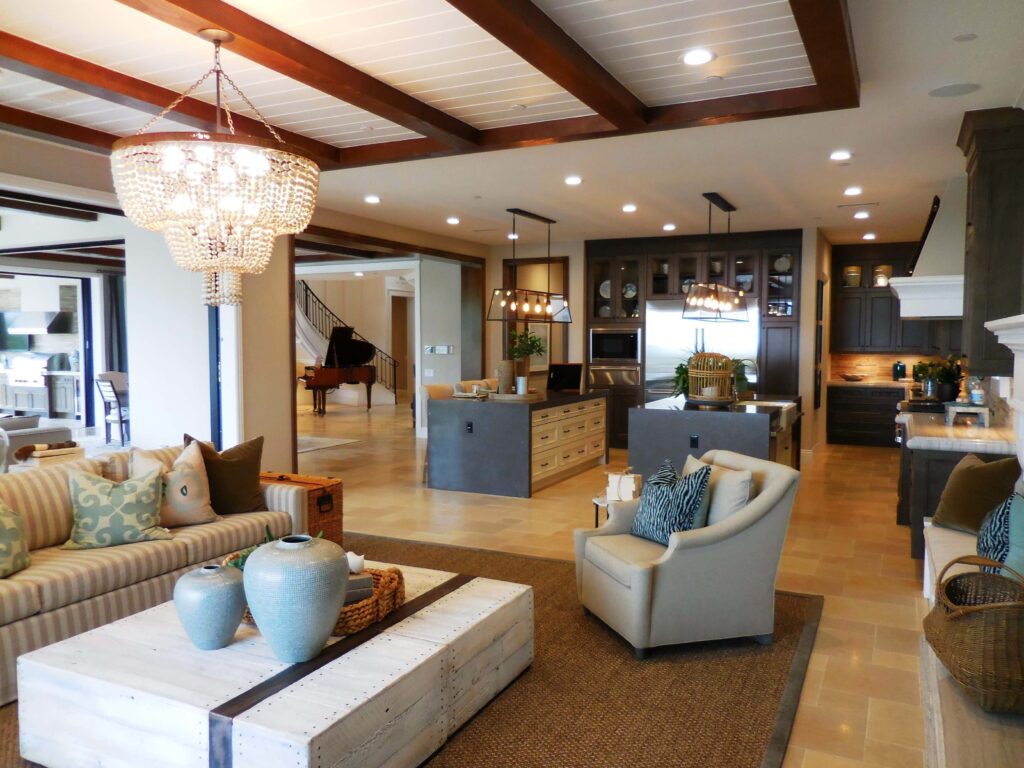
- Consider decorative pendant lights, chandeliers, or unique fixtures as focal points.
- Guest Rooms:
- Design guest rooms with comfort and functionality in mind.
- Optimize the layout for efficient use of space, and choose comfortable bedding and furnishings.
- Bathroom Design:
- Create elegant and functional bathrooms with high-quality fixtures and finishes.
- Consider features like walk-in showers, luxurious tubs, and ample counter space.
- Technology Integration:
- Integrate technology into guest rooms with smart thermostats, in-room controls, and USB charging ports.
- Provide high-speed Wi-Fi and consider smart room features for convenience.
- Cohesive Theme:
- Maintain a cohesive design theme throughout the hotel.
- Consider the architecture, color palette, and decor elements to create a unified look.
- Conference and Meeting Rooms:
- Design functional and well-equipped conference and meeting rooms.
- Provide audio-visual facilities, comfortable seating, and flexible layouts.
- Fitness Center:
- Create an inviting and well-equipped fitness center with a range of exercise equipment.
- Consider incorporating natural light and mirrors to enhance the space.
- Restaurant and Dining Areas:
- Design restaurant and dining areas with a focus on ambiance and functionality.
- Consider the overall theme, seating arrangements, and lighting for a pleasant dining experience.
- Bar Design:
- If applicable, design a stylish and inviting bar area with a well-stocked bar.
- Incorporate comfortable seating and ambient lighting.
- Spa and Wellness Facilities:
- Create a serene and relaxing spa environment with calming decor and comfortable treatment rooms.
- Consider amenities such as saunas, steam rooms, and relaxation areas.
- Outdoor Spaces:
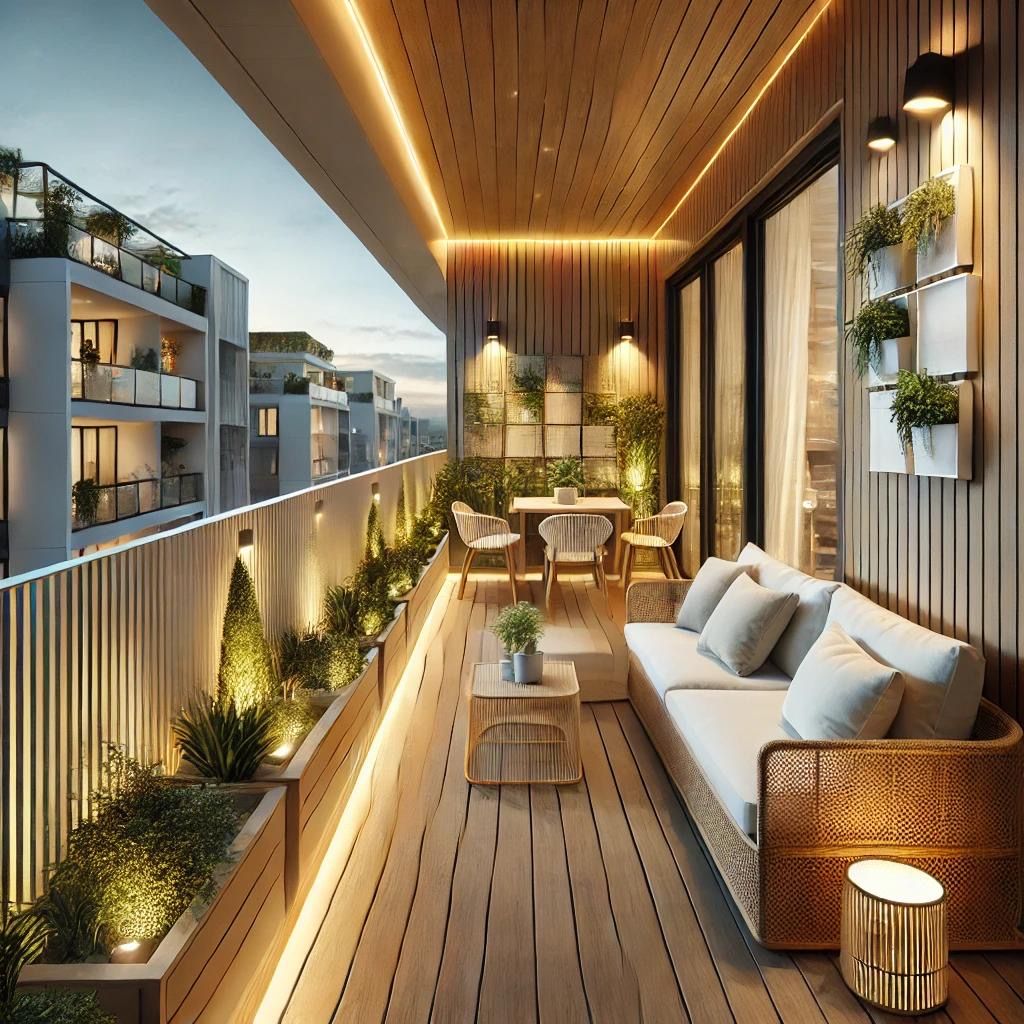
- If the hotel has outdoor spaces, design them with comfortable seating, landscaping, and possibly a pool or terrace.
- Create a seamless transition between indoor and outdoor areas.
- Retail Spaces:
- If the hotel includes retail spaces, design them to align with the overall aesthetic.
- Consider boutique shops or galleries that add to the guest experience.
- Accessibility:
- Ensure that the hotel is accessible to people with disabilities, with features like ramps, elevators, and accessible rooms.
- Prioritize universal design principles for inclusivity.
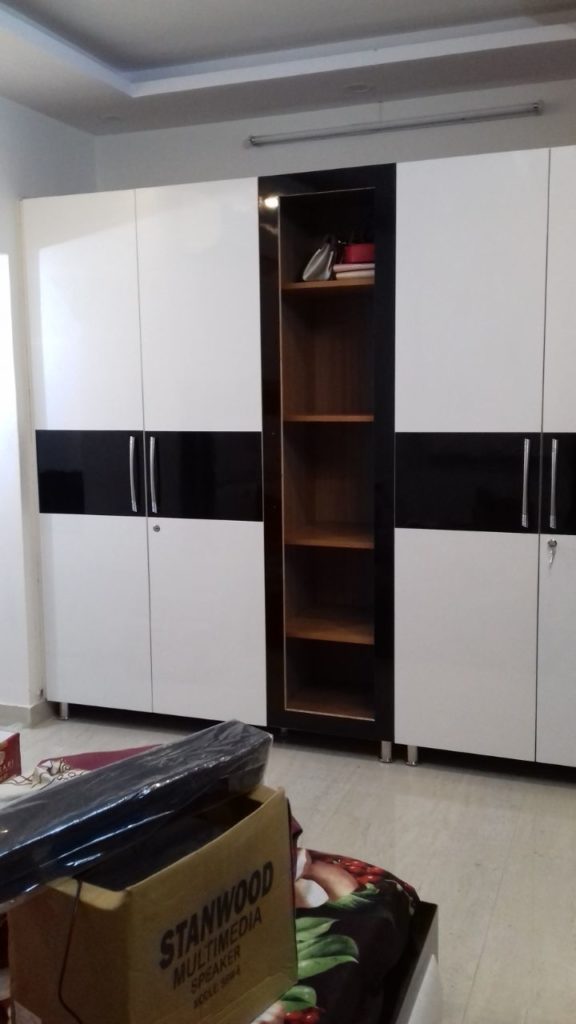
- Storage Solutions:
- Design storage solutions for housekeeping, luggage, and other operational needs.
- Prioritize functionality and organization in storage areas.
- Security Measures:
- Implement security measures such as surveillance cameras, access control systems, and well-lit public areas.
- Prioritize guest safety throughout the hotel.
Collaboration with experienced architects and interior designers is essential to achieving a successful hotel interior design that meets both aesthetic and functional requirements. The goal is to create a memorable and comfortable experience for guests while aligning with the hotel’s brand and identity.