Soft Skills Essential for a Successful Interior Designer
Great interior designers need more than creativity and technical knowledge. Communication, listening, collaboration, problem-solving, time management and client relationships are equally important for building successful interior design projects.
What Makes a Great Designer?
Professional success comes from combining design expertise with strong people skills.
- Clear communication
- Active listening
- Creative problem-solving
- Client relationship management
- Team collaboration
- Time and project management

Why Soft Skills Matter in Interior Design
Interior design is a people-focused profession. A designer may create an excellent concept, but the success of a project also depends on how well that designer communicates ideas, understands client expectations and works with contractors, architects, vendors and other professionals.
Soft skills help designers turn creative ideas into practical results. They influence everything from the first client consultation to presentations, revisions, procurement, site coordination and project completion.
Developing these abilities can make a designer more confident, dependable and effective while creating stronger professional relationships.
12 Soft Skills Every Interior Designer Should Develop
Technical design knowledge creates the foundation. Strong soft skills help a designer communicate, collaborate and deliver that knowledge effectively.

Clear Communication
Designers need to explain concepts, materials, budgets, timelines and design decisions in a way clients and project teams can easily understand.

Active Listening
Listening carefully helps designers understand how clients actually live, what they need and what they expect from the final interior.

Empathy
Understanding a client’s emotions, lifestyle and priorities helps a designer create spaces that feel genuinely personal rather than simply visually attractive.

Creative Thinking
Creativity allows designers to develop original solutions when working with challenging spaces, budgets or client requirements.

Problem-Solving
Interior projects often involve unexpected site conditions, budget changes or product issues. Strong problem-solving keeps the project moving forward.

Adaptability
Design preferences, budgets, schedules and site realities can change. Adaptable designers respond to change without losing the overall project vision.
Negotiation
Designers often negotiate with clients, suppliers, contractors and vendors regarding budgets, specifications, timelines and project expectations.

Team Collaboration
Successful interiors require coordination between designers, architects, contractors, craftsmen, vendors and clients.

Time Management
Managing design development, client meetings, sourcing, site visits and deadlines is essential for delivering projects efficiently.

Presentation Skills
Designers must present mood boards, layouts, material selections and concepts with clarity and confidence.
Relationship Building
Strong professional relationships create trust and can lead to repeat projects, referrals and long-term collaboration.
Professional Confidence
Confidence helps designers explain their recommendations, handle feedback and make informed decisions without losing sight of the client’s goals.

Communication Is One of the Most Valuable Design Skills
A designer may have exceptional visual creativity, but the client experience can suffer if ideas are not communicated clearly. Good communication helps turn abstract design concepts into decisions that clients can understand and approve.
- Explain design concepts in simple language.
- Ask meaningful questions before designing.
- Confirm requirements instead of assuming them.
- Discuss budgets and limitations honestly.
- Handle revisions professionally.
- Communicate changes quickly with the project team.
- Document important decisions clearly.
Soft Skills vs Technical Skills in Interior Design
The strongest interior designers combine design knowledge with communication and professional skills.
| Area | Technical Skill | Soft Skill |
|---|---|---|
| Design Development | Space planning, materials, colour, lighting and furniture knowledge. | Creativity, listening and understanding client preferences. |
| Client Meetings | Present drawings, layouts and material specifications. | Communication, empathy and confidence. |
| Project Execution | Knowledge of drawings, measurements, materials and specifications. | Organisation, teamwork and adaptability. |
| Budget Management | Knowledge of quantities, materials and project costs. | Negotiation, prioritisation and communication. |
| Problem Resolution | Technical knowledge of design and construction. | Critical thinking, calm decision-making and collaboration. |
| Career Growth | Continued design education and industry knowledge. | Leadership, networking and relationship building. |
How Soft Skills Improve an Interior Design Career
Strong professional behaviour can influence project quality, client satisfaction, teamwork and long-term career opportunities.
Better Client Trust
Clients are more likely to trust designers who listen carefully, communicate clearly and follow through on commitments.
More Referrals
A positive professional experience can encourage clients to recommend a designer to friends, family and colleagues.
Smoother Projects
Better coordination and communication can reduce misunderstandings between clients, vendors and project teams.
Stronger Leadership
Communication, delegation and decision-making skills help experienced designers lead larger teams and projects.
Better Negotiation
Negotiation skills help balance client budgets, project requirements, supplier terms and practical limitations.
Long-Term Relationships
Professional relationships can create repeat business, partnerships and valuable industry connections.
How to Improve Your Soft Skills as an Interior Designer
Soft skills improve through deliberate practice, real project experience and honest feedback.
Practise Listening
During meetings, focus on understanding the client’s needs before presenting solutions.
Improve Presentations
Practise explaining your design decisions without relying only on technical terminology.
Ask for Feedback
Ask colleagues and clients where communication or project coordination could improve.
Manage Time
Use schedules, task lists and clear priorities to manage multiple project responsibilities.
Learn from Projects
Review completed projects and identify what worked well and what could be handled better.
Where Soft Skills Come Into Practice
Soft skills are used throughout the entire interior design process, from the first meeting to final project delivery.



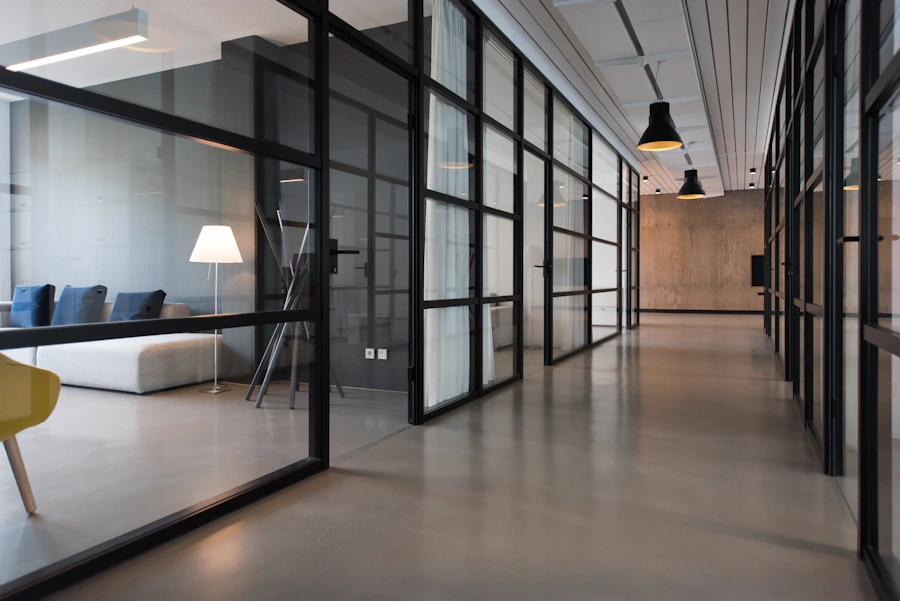
Soft Skills for Interior Designers in Delhi NCR
Interior designers working in Gurgaon, Noida, Delhi and the wider Delhi NCR market often work with homeowners, developers, architects, contractors and specialist vendors. Strong communication and coordination skills can make a significant difference in complex projects.


Soft Skills for Interior Designers FAQs
Build the Skills Behind Great Interior Design
A successful interior designer combines creative thinking with communication, empathy, collaboration, organisation and professional confidence. Keep developing both your design expertise and your people skills to create better projects and stronger professional relationships.
While technical skills and knowledge are crucial for an interior designer, soft skills play an equally vital role in ensuring success in the field. Here are some essential soft skills for a successful interior designer:
- Creativity:
- Interior designers need to think creatively to come up with innovative and visually appealing design concepts. This involves thinking outside the box and being open to new ideas and concepts.
- Communication:
- Effective communication is key when working with clients, architects, contractors, and other stakeholders. Interior designers must be able to articulate their ideas clearly, listen actively, and understand the needs and preferences of their clients.
- Listening Skills:
- Understanding the client’s needs and preferences requires active listening. Interior designers should be able to listen attentively to clients’ desires, concerns, and feedback to create spaces that truly reflect their vision.
- Adaptability:
- Interior designers often encounter unexpected challenges or changes in project requirements. Being adaptable and flexible allows designers to adjust to new circumstances and find creative solutions to problems.
- Attention to Detail:
- Precision and attention to detail are crucial in interior design. Whether it’s choosing the right color palette, selecting furniture, or ensuring accurate measurements, small details can have a significant impact on the overall design.
- Time Management:
- Interior designers often juggle multiple projects with varying deadlines. Effective time management ensures that projects are completed on schedule, and deadlines are met without compromising the quality of the design.
- Empathy:
- Understanding the emotions and lifestyle of clients helps interior designers create spaces that are not only aesthetically pleasing but also functional and comfortable. Empathy enables designers to connect with clients on a personal level.
- Problem Solving:
- Interior designers encounter various challenges during a project. The ability to analyze problems, think critically, and find practical solutions is essential for overcoming obstacles and ensuring the success of the design.
- Collaboration:
- Interior designers often work as part of a team, collaborating with architects, contractors, and other professionals. Being a team player and effectively collaborating with others enhances the overall success of a project.
- Business Acumen:
- Understanding the business aspects of interior design, including budgeting, pricing, and project management, is crucial for a successful career. This includes negotiating contracts, managing finances, and maintaining a profitable design practice.
- Networking:
- Building a strong professional network can open up opportunities, from attracting clients to collaborating with other industry professionals. Networking helps interior designers stay connected, informed, and inspired within the design community.
By combining technical expertise with these soft skills, interior designers can not only create visually stunning spaces but also build strong relationships with clients and collaborators, ultimately leading to a successful and fulfilling career.