Designing the interior of a small house requires creativity, strategic planning, and a focus on maximizing space efficiency. In this guide, we’ll explore design ideas that transform small spaces into stylish and functional havens.
1. Multi-Functional Furniture: Maximizing Utility
Invest in furniture that serves multiple purposes. Consider a sofa with built-in storage, a dining table that can double as a desk, or ottomans with hidden compartments. Multi-functional pieces help declutter while providing essential functionality.
2. Light and Bright Color Schemes: Space Illusion
Opt for light and neutral color schemes to create the illusion of more space. Whites, soft grays, and pastels reflect light and make small rooms feel airy and open. Accents of brighter colors can add pops of personality without overwhelming the space.
3. Wall-Mounted Shelves: Vertical Storage Solutions
Utilize vertical space with wall-mounted shelves. These not only provide storage for books, decor, and essentials but also draw the eye upward, creating the perception of higher ceilings and a more expansive atmosphere.
4. Foldable and Nesting Furniture: Flexible Arrangements
Embrace foldable and nesting furniture for flexibility. Folding tables, chairs, and nesting side tables can be tucked away when not in use, allowing you to adapt the layout based on your immediate needs.
5. Mirror Magic: Visual Expansion
Strategically place mirrors to enhance the feeling of space. Mirrors reflect light and create the illusion of depth, making small rooms appear larger. Consider oversized mirrors or mirrored furniture for added impact.
6. Smart Storage Solutions: Organized Simplicity
Maximize storage with smart solutions. Utilize under-bed storage, opt for furniture with built-in drawers, and use organizers to keep belongings tidy. A well-organized space not only looks more spacious but also enhances daily functionality.
7. Open Concept Design: Airy Connectivity
Consider an open concept layout to create a sense of continuity. Removing unnecessary walls and barriers can make a small home feel more interconnected, promoting a spacious and cohesive living environment.
8. Strategic Lighting: Illuminating Corners
Strategically place lighting to brighten every corner. Avoid relying on a single overhead light and instead incorporate task lighting, floor lamps, and wall sconces. Well-lit spaces feel more inviting and expansive.
9. Compact Furniture: Tailored for Size
Choose furniture that is proportionate to the size of the room. Opt for smaller sofas, compact dining sets, and streamlined pieces that fit comfortably without overwhelming the space. The goal is to maintain a sense of openness.
10. Bold Accents: Focal Points of Interest
Introduce bold accents to divert attention. A statement rug, vibrant throw pillows, or a feature wall with a bold pattern can add personality and draw focus away from the size limitations of the space.
11. Dual-Purpose Rooms: Flexible Living
Consider dual-purpose rooms to make the most of limited space. A home office that transforms into a guest room with a pull-out sofa or a living room that accommodates a dining area demonstrates versatility in a small house.
12. Outdoor Extensions: Expanding Living Spaces
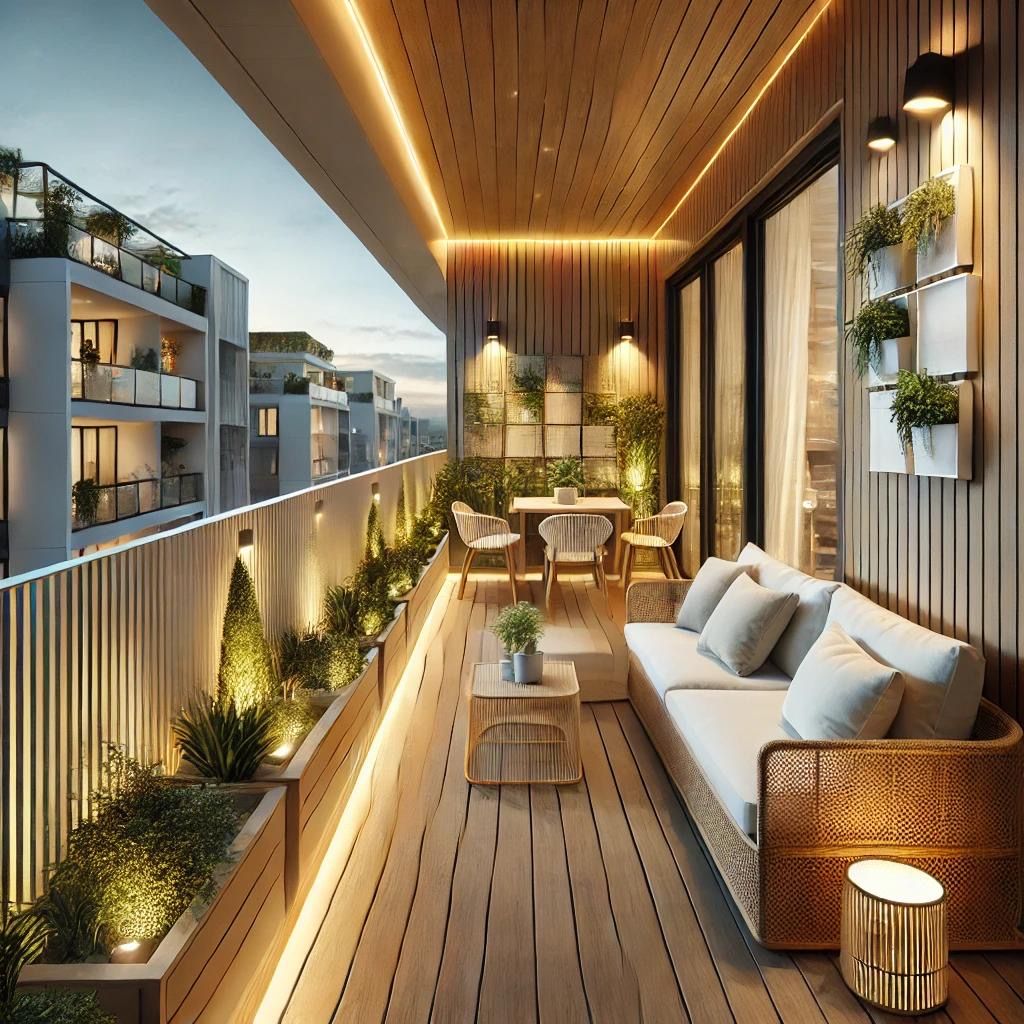
If applicable, extend your living space outdoors. A small patio, balcony, or garden can become an extension of your home, providing additional space for relaxation and entertainment.
Conclusion: Small Size, Big Impact
In conclusion, designing the interior of a small house is an exercise in thoughtful optimization. By embracing smart storage, flexible furniture, and visual tricks that enhance the perception of space, you can turn a compact dwelling into a stylish and functional haven. Small size doesn’t limit style or comfort; it simply invites creativity and ingenuity in making every square foot count.**