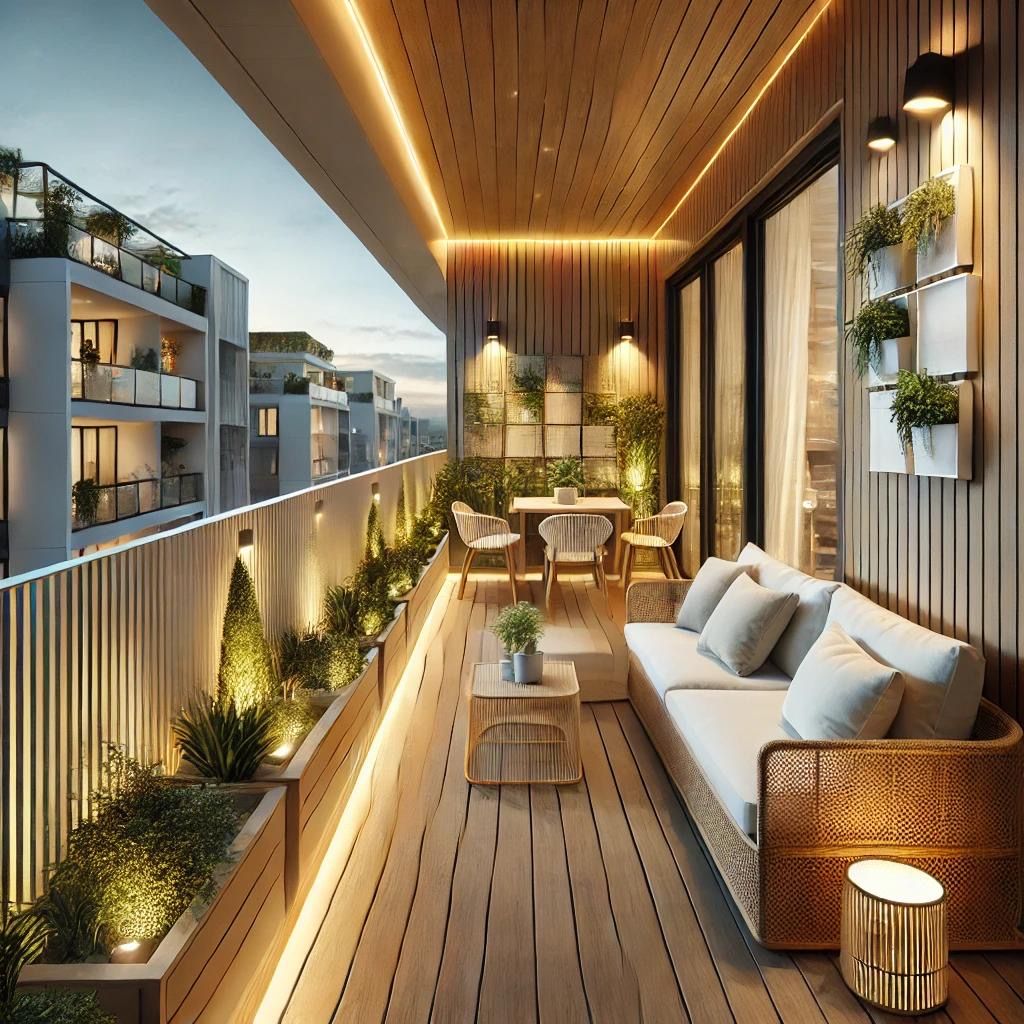
Embark on a journey where functionality meets aesthetics, and every space becomes a canvas for enhancing productivity, brand identity, and customer experiences. Join me in exploring the multifaceted world of commercial interior design, where each decision serves a purpose in shaping dynamic and purpose-driven environments.
1. Strategic Brand Integration: The Essence of Identity in Design:
Commercial interior design begins with strategic brand integration. Every element – from colors and materials to layout and decor – aligns with the brand identity, conveying a cohesive message that resonates with both employees and clients.
2. Ergonomic Workspaces: Fostering Productivity and Well-being:
Workspaces are meticulously crafted for ergonomic efficiency. Furniture, lighting, and spatial arrangements are designed to foster productivity, employee well-being, and collaboration, creating environments that adapt to the evolving needs of modern businesses.
3. Fluid and Adaptive Layouts: Responding to Dynamic Work Cultures:
Commercial interiors embrace fluid and adaptive layouts. Open office designs, flexible workstations, and collaborative spaces respond to the dynamic work cultures of today, encouraging innovation and fostering a sense of community among team members.
4. Technology Integration: Enhancing Efficiency and Connectivity:
Technology seamlessly integrates into commercial interior design. Smart office solutions, integrated communication systems, and innovative tools enhance efficiency, connectivity, and contribute to a modern and technologically advanced work environment.
5. Sustainable Design Practices: Nurturing Environmental Responsibility:
Sustainability is a cornerstone of commercial interior design. From energy-efficient lighting to eco-friendly materials, designers prioritize sustainable practices, fostering a commitment to environmental responsibility that aligns with the values of conscious businesses.
6. Wayfinding and Traffic Flow: Enhancing User Experience:
Commercial spaces prioritize wayfinding and traffic flow. Thoughtful navigation design ensures that employees and clients can move seamlessly through the space, enhancing user experience and contributing to an organized and efficient atmosphere.
7. Brand-Centric Color Schemes: Conveying Messages Through Hues:
Color schemes are curated with brand-centric precision. Whether it’s vibrant and energetic tones for a creative agency or calming neutrals for a professional firm, the chosen hues convey messages that align with the brand’s personality and objectives.
8. Collaborative Spaces: Nurturing Creativity and Teamwork:
Collaborative spaces take center stage in commercial interiors. Designated areas for teamwork, brainstorming, and informal meetings nurture creativity and encourage collaboration, fostering a sense of camaraderie among team members.
9. Impressive Reception Areas: Setting the Tone for Business Success:
Reception areas are designed to impress and set the tone for business success. From elegant furniture to carefully selected decor, these spaces convey professionalism and hospitality, leaving a lasting first impression on clients and visitors.
10. Acoustic Considerations: Balancing Privacy and Openness:
Acoustic considerations play a vital role in commercial interior design. Strategic placement of sound-absorbing materials, office partitions, and privacy solutions balance the need for open collaboration with the necessity for individual focus, creating a harmonious acoustic environment.
Conclusion: Crafting Dynamic Environments for Success:
In the dynamic world of commercial interior design, every decision is a meticulous step towards crafting environments that foster success and well-being. As designers, let us continue to blend creativity with functionality, shaping spaces that not only reflect brand identities but also serve as catalysts for innovation, collaboration, and business excellence.