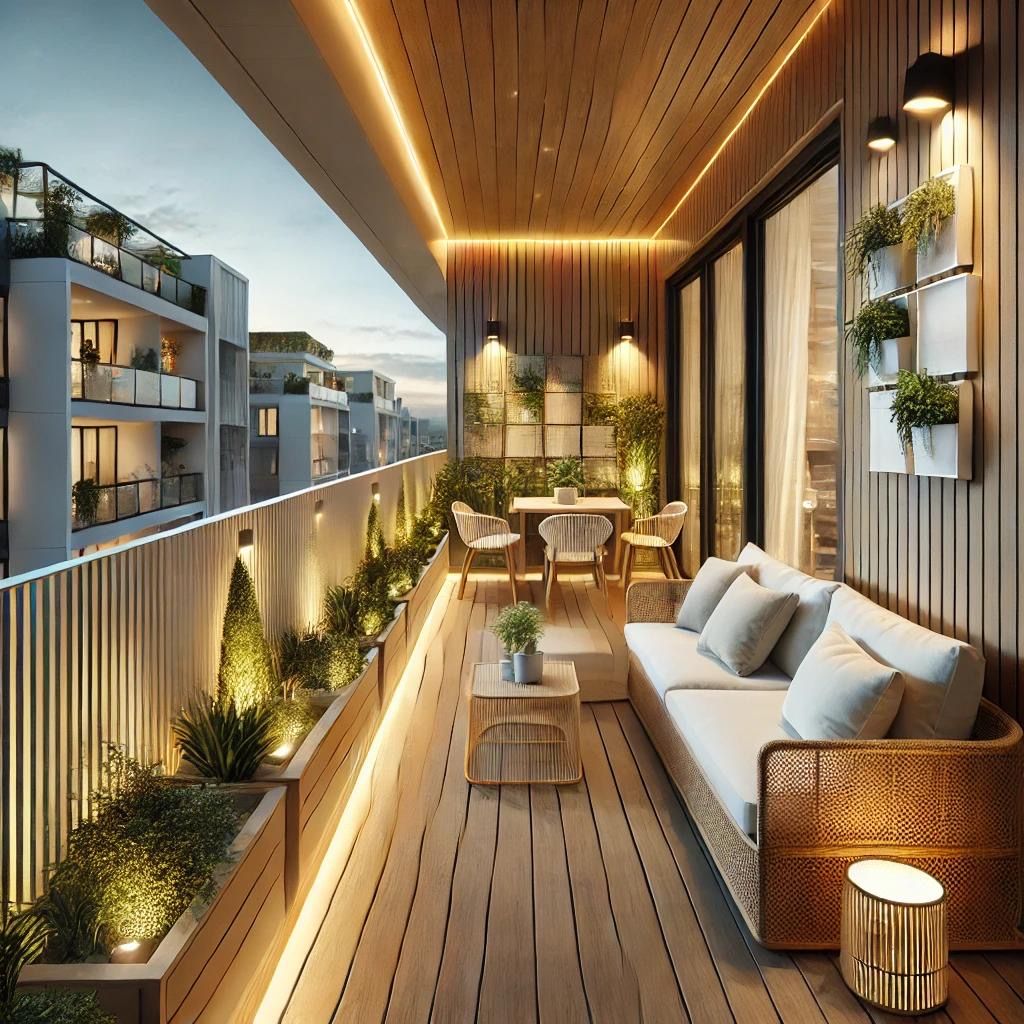
Introduction: In a world increasingly aware of the environmental impact of our choices, eco-friendly house interior design has emerged as a powerful and inspiring trend. As an interior designer committed to sustainable living, join me on a journey through innovative solutions that not only enhance the beauty of your home but also contribute to a healthier planet. From conscious material choices to energy-efficient designs, let’s explore how eco-friendly design can transform your house into a haven of sustainability and style.
Chapter 1: Mindful Material Choices The foundation of eco-friendly house interior design lies in the careful selection of materials. Dive into the world of sustainable options, from reclaimed wood and bamboo to recycled glass and salvaged materials. Explore how choosing materials with low environmental impact contributes to a home that is both stylish and eco-conscious.
Chapter 2: Energy-Efficient Lighting Lighting plays a crucial role in interior design, and making it energy-efficient is a key aspect of eco-friendly living. Dive into the world of LED lighting, energy-efficient bulbs, and smart lighting systems that not only reduce energy consumption but also provide versatile and customizable illumination. Explore how a well-designed lighting plan can enhance both aesthetics and sustainability.
Chapter 3: Indoor Air Quality Improvement Creating a healthy indoor environment is a cornerstone of eco-friendly house interior design. Dive into the world of low-VOC (volatile organic compounds) paints, non-toxic finishes, and eco-friendly adhesives that contribute to better air quality. Explore how incorporating natural ventilation and indoor plants can further enhance the well-being of your home.
Chapter 4: Sustainable Furniture Choices Furniture is a significant component of interior design, and opting for sustainable choices can make a substantial impact. Dive into the world of FSC-certified wood, recycled metal, and reclaimed furniture pieces that align with eco-friendly principles. Explore how investing in durable and responsibly sourced furniture can contribute to a circular and sustainable approach to design.
Chapter 5: Eco-Friendly Textiles Soft furnishings like curtains, rugs, and upholstery offer ample opportunities for eco-friendly choices. Dive into the world of organic cotton, hemp, and recycled textiles that bring comfort and style without compromising sustainability. Explore how embracing natural fibers and avoiding synthetic materials can make a positive difference in your home and the environment.
Chapter 6: Water-Efficient Fixtures Conserving water is a critical aspect of sustainable living, and incorporating water-efficient fixtures is a smart choice in eco-friendly house interior design. Dive into the world of low-flow faucets, showerheads, and dual-flush toilets that contribute to water conservation without sacrificing functionality. Explore how small changes in fixtures can lead to significant environmental benefits.
Chapter 7: Upcycling and Repurposing Give new life to old items through upcycling and repurposing, a creative and eco-friendly approach to interior design. Dive into the world of DIY projects, where old furniture, pallets, and other materials can be transformed into unique and personalized pieces. Explore how embracing upcycling adds a touch of individuality to your home while reducing waste.
Chapter 8: Energy-Efficient Appliances The kitchen is a hub of activity, and making it eco-friendly involves choosing energy-efficient appliances. Dive into the world of Energy Star-rated devices, which use less energy and water while maintaining optimal performance. Explore how investing in eco-friendly appliances not only reduces your carbon footprint but also lowers utility bills in the long run.
Chapter 9: Solar Power Integration Harness the power of the sun to make your home more sustainable by integrating solar power. Dive into the world of solar panels, solar water heaters, and solar-powered lighting solutions. Explore how incorporating solar technology not only reduces reliance on traditional energy sources but also adds a futuristic and eco-friendly touch to your house.
Conclusion: As we conclude our exploration of eco-friendly house interior design solutions, envision a home that harmonizes with nature and promotes sustainable living. By making mindful material choices, embracing energy-efficient lighting and appliances, improving indoor air quality, choosing sustainable furniture and textiles, incorporating water-efficient fixtures, upcycling and repurposing, and integrating solar power, you can create a space that is not only aesthetically pleasing but also aligns with your commitment to a healthier planet. Here’s to a home where style and sustainability coexist in perfect harmony, creating a haven that reflects your eco-conscious values.