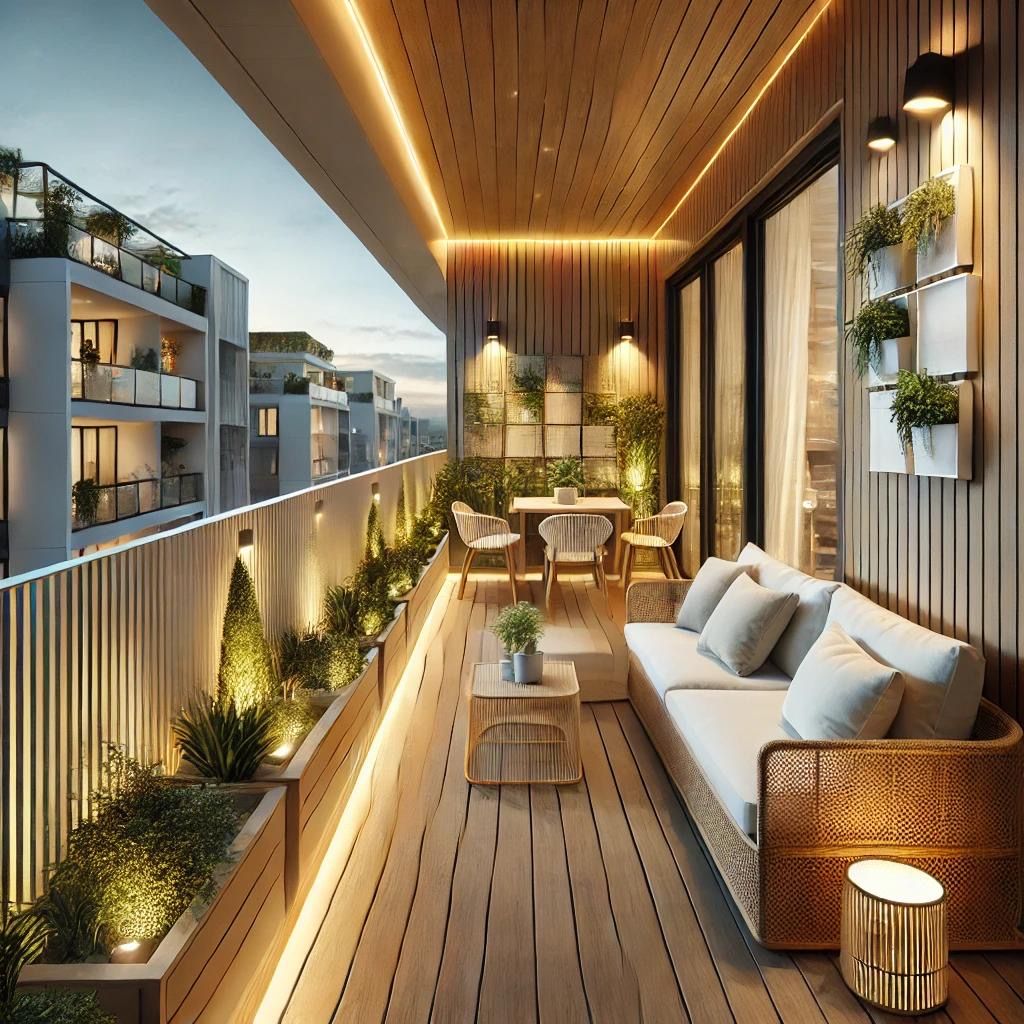
Interior design has a profound impact on our mood and well-being, influencing how we feel and behave within a given space. Here are several ways in which interior design can affect your mood:
- Color Psychology:
- Different colors evoke different emotions. For example:
- Warm colors like red and orange can create a sense of energy and warmth.
- Cool colors like blue and green can evoke calmness and tranquility.
- Neutral colors like beige and gray can provide a sense of balance.
- Different colors evoke different emotions. For example:
- Lighting Effects:
- Natural and artificial lighting play a crucial role in mood.
- Natural light promotes feelings of positivity and alertness, while poor lighting can lead to feelings of lethargy and sadness.
- Warm lighting (yellow tones) can create a cozy and intimate atmosphere, while cool lighting (blue tones) can enhance focus.
- Spatial Arrangement:
- The layout of furniture and the overall spatial arrangement can impact how a room feels.
- Cluttered spaces can contribute to stress and anxiety, while well-organized spaces can promote a sense of order and calm.
- Texture and Touch:
- Different textures can evoke different tactile sensations.
- Soft textures like plush cushions and carpets can create a sense of comfort, while hard surfaces may convey a more formal and structured environment.
- Furniture Comfort:
- Comfortable and ergonomic furniture contributes to a positive mood.
- Uncomfortable or poorly designed furniture can lead to physical discomfort and, consequently, impact mood negatively.
- Art and Decor:
- Artwork and decor can influence emotional responses.
- Personalized items or art that resonates with positive memories can boost mood, while uninspiring or chaotic decor may have the opposite effect.
- Personalization and Identity:
- A space that reflects your personality and preferences can positively impact mood.
- Adding personal touches, such as photos, artwork, or items with sentimental value, creates a sense of connection to the space.
- Aromatherapy and Scents:
- The use of pleasant scents, whether through natural ventilation, candles, or essential oils, can influence mood and relaxation.
- Aromas like lavender and citrus are often associated with stress reduction and mood enhancement.
- Sound and Acoustics:
- The acoustic environment can affect mood.
- Excessive noise or lack of sound privacy can contribute to stress, while a well-balanced acoustic design can enhance a sense of tranquility.
- Biophilic Design:
- Incorporating elements of nature into interior design, known as biophilic design, has been shown to have positive effects on mood and well-being.
- Plants, natural materials, and views of nature can contribute to a calming and rejuvenating atmosphere.
- Cultural and Historical Influences:
- Elements that reflect cultural or historical influences can evoke a sense of connection and nostalgia, influencing mood positively.
Understanding these influences allows individuals and designers to create spaces that align with the desired emotional and psychological experiences. Whether at home or in commercial settings, thoughtful interior design has the potential to enhance mood and contribute to overall well-being.