Choosing appropriate pieces of furniture is a crucial aspect of interior design, as it contributes to the overall functionality, comfort, and aesthetic appeal of a space. Here are some tips to guide you in selecting the right furniture for your interior design project:
1. Understand the Function of the Space:
- Consider the purpose of the room and the activities that will take place there.
- Choose furniture that aligns with the function of the space, such as comfortable seating for a living room or functional workstations for an office.
2. Measure the Space:
- Take accurate measurements of the room to ensure that the furniture fits well without overcrowding or creating awkward empty spaces.
- Consider the scale of the furniture in relation to the room’s size.
3. Create a Furniture Layout:
- Plan the furniture layout to optimize the flow of the room.
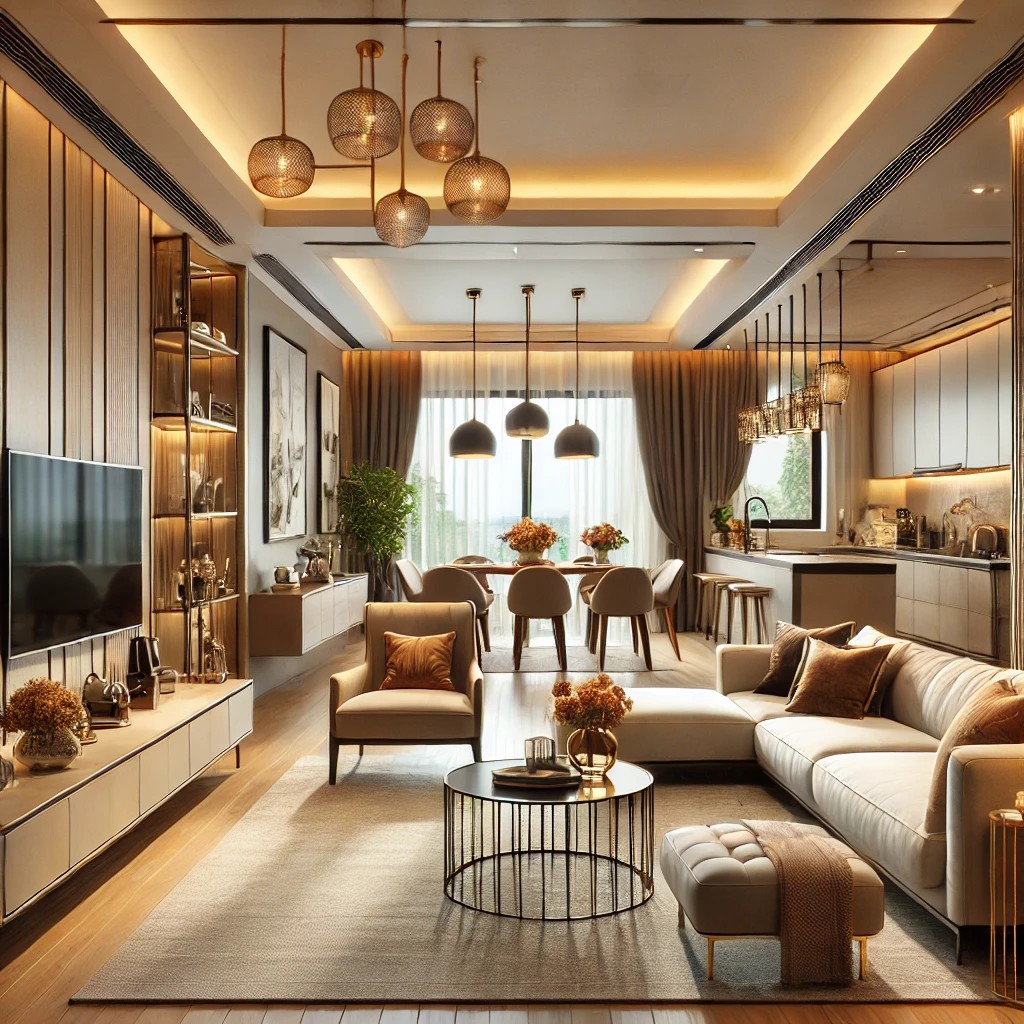
- Arrange furniture to create conversation areas, define traffic paths, and maximize usability.
4. Consider Comfort:
- Prioritize comfort, especially for pieces like sofas, chairs, and beds.
- Test furniture for comfort before making a purchase, considering factors like cushion firmness and ergonomic design.
5. Choose a Cohesive Style:
- Maintain a cohesive design style throughout the space by selecting furniture pieces that complement each other.
- Consider the overall design theme or aesthetic you want to achieve.
6. Quality Matters:
- Invest in high-quality furniture that is durable and built to last.
- Quality pieces often have better craftsmanship and materials, providing long-term value.
7. Mix Textures and Materials:
- Introduce visual interest by combining different textures and materials.
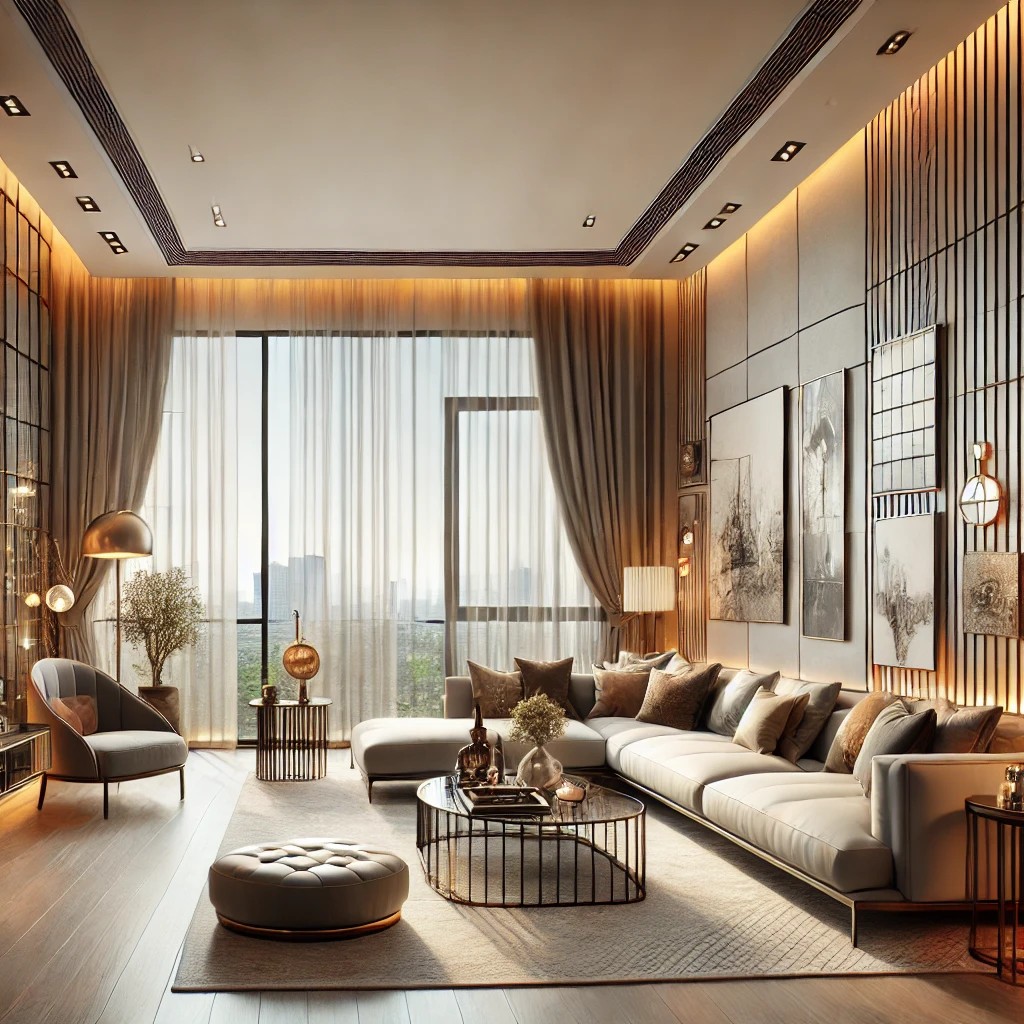
- For example, pair a sleek metal coffee table with a plush fabric sofa to add contrast and depth.
8. Consider Storage Solutions:
- Maximize functionality by incorporating furniture with built-in storage options.
- Choose pieces like ottomans with hidden storage, or bookshelves that serve both decorative and practical purposes.
9. Adapt to the Room’s Layout:
- Choose furniture that complements the architectural features and layout of the room.
- Avoid obstructing windows, doors, or focal points with oversized or improperly placed furniture.
10. Pay Attention to Proportions:
- Ensure that the proportions of the furniture are suitable for the room.
- Avoid overwhelming small spaces with large, bulky furniture or using small pieces in a spacious room.
11. Consider Flexibility:
- Opt for furniture that can adapt to different uses or arrangements.
- Modular and multifunctional pieces can be particularly useful in versatile spaces.
12. Personalize with Accessories:
- Use accessories like throw pillows, blankets, and decorative items to personalize and add flair to neutral or classic furniture.
13. Budget Wisely:
- Establish a budget for furniture and prioritize key pieces.
- Look for high-quality, budget-friendly options or consider investing more in long-lasting foundational pieces.
14. Test Durability and Maintenance:
- Consider the ease of maintenance and durability of materials, especially if the furniture will be subject to heavy use.
- Choose materials that suit the lifestyle and needs of the occupants.
15. Stay Open to Mixing Styles:
- Don’t be afraid to mix different furniture styles for an eclectic and personalized look.
- Ensure that there’s a unifying element, such as color or texture, to tie the pieces together.
Remember that the selection of furniture should align with the preferences and lifestyle of the inhabitants while contributing to the overall design concept of the space. Taking the time to carefully curate and plan the furniture selection will result in a well-balanced and harmonious interior.