Staying inspired by historical design styles is a nuanced process that involves a deep appreciation for the past while infusing creativity and innovation into contemporary projects. Here are several strategies to stay inspired by historical design styles in your work:
- Study and Research: Immerse yourself in the study of historical design styles. Explore architecture, interior design, art, and decorative elements from different periods. Understand the cultural, social, and technological influences that shaped those styles. Books, documentaries, and museum visits can provide valuable insights.
- Visit Historical Sites: Go beyond books and immerse yourself in the physical spaces of historical significance. Visit museums, historical homes, and architectural landmarks. Observing the detailing, craftsmanship, and spatial arrangements firsthand can be a rich source of inspiration.
- Attend Design Exhibitions and Events: Keep up with design exhibitions, events, and conferences that showcase historical design styles. These platforms often feature reinterpretations, discussions, and retrospectives that can spark fresh ideas and perspectives.
- Explore Different Cultures: Historical design styles vary across cultures and regions. Explore diverse cultural influences, from European classical styles to Asian aesthetics. This broader perspective allows you to incorporate a rich tapestry of design elements into your work.
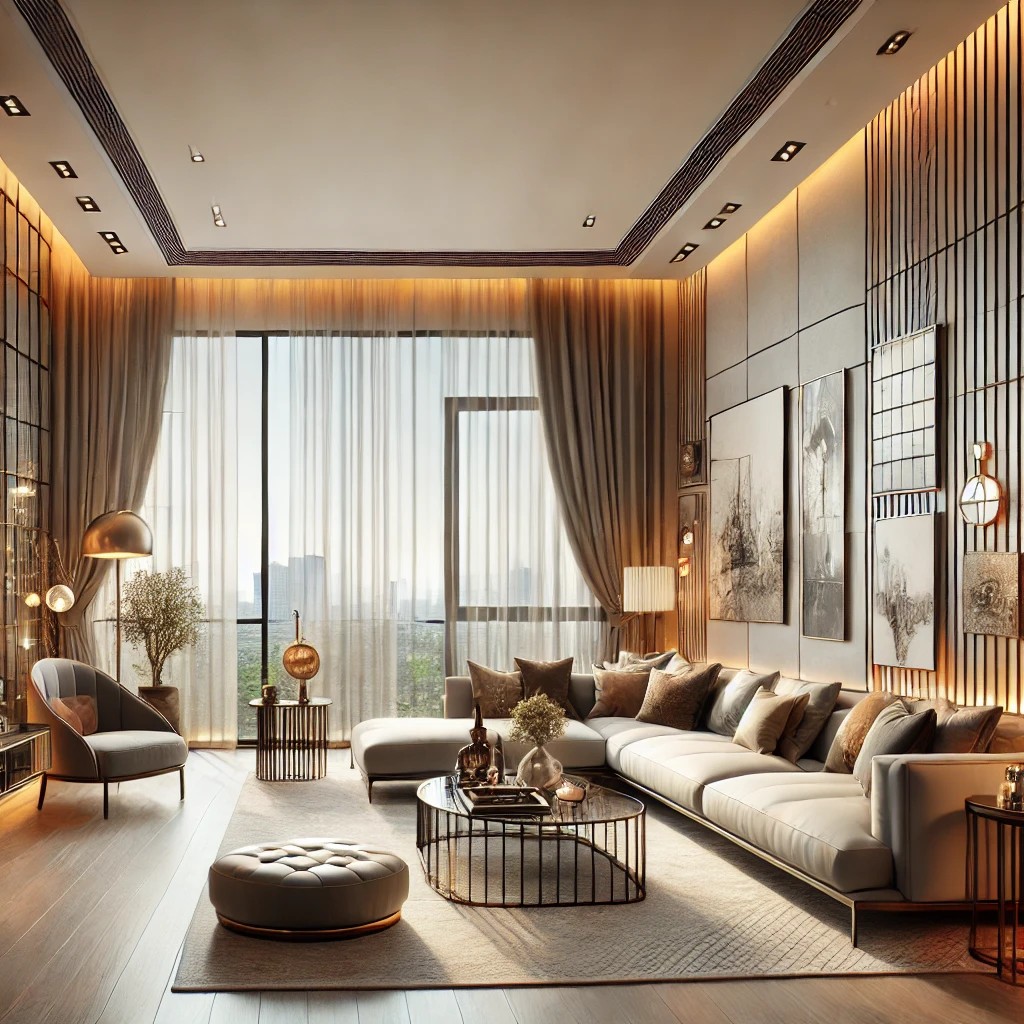
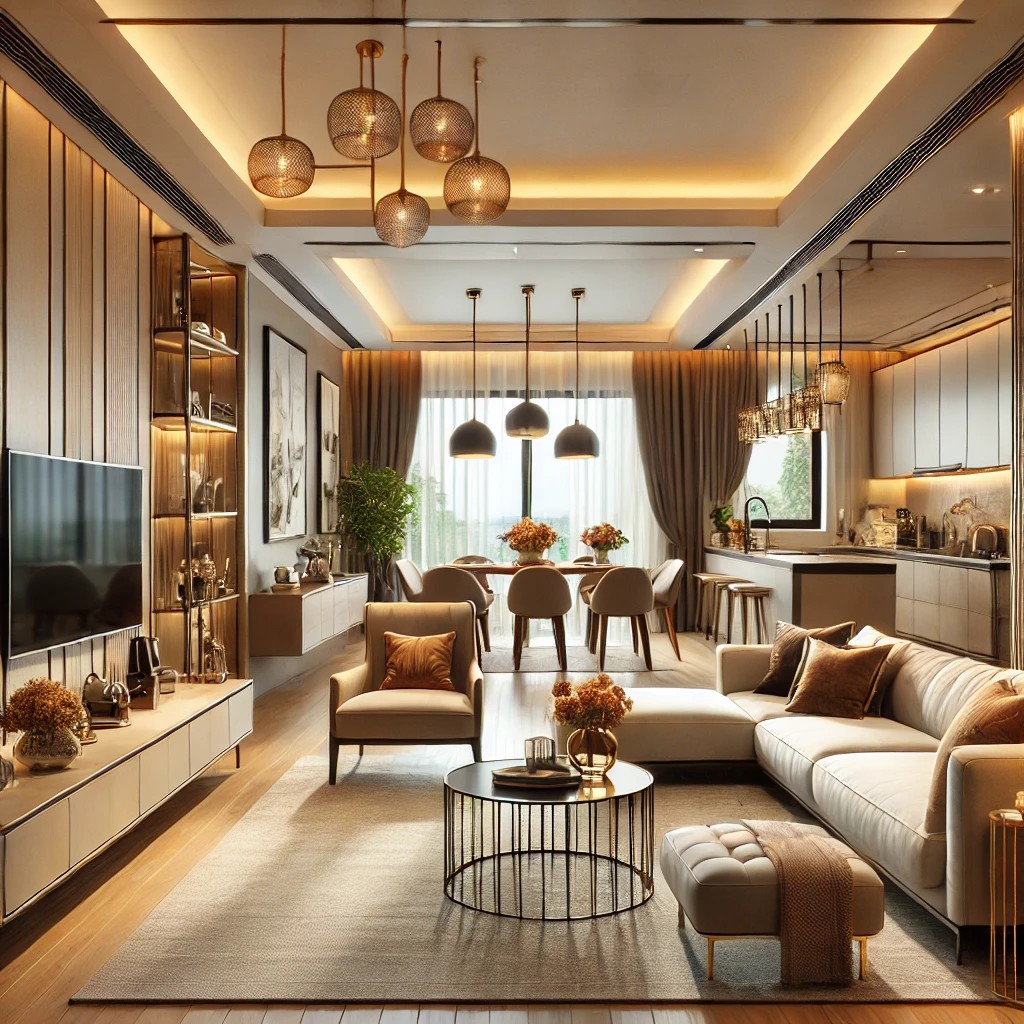
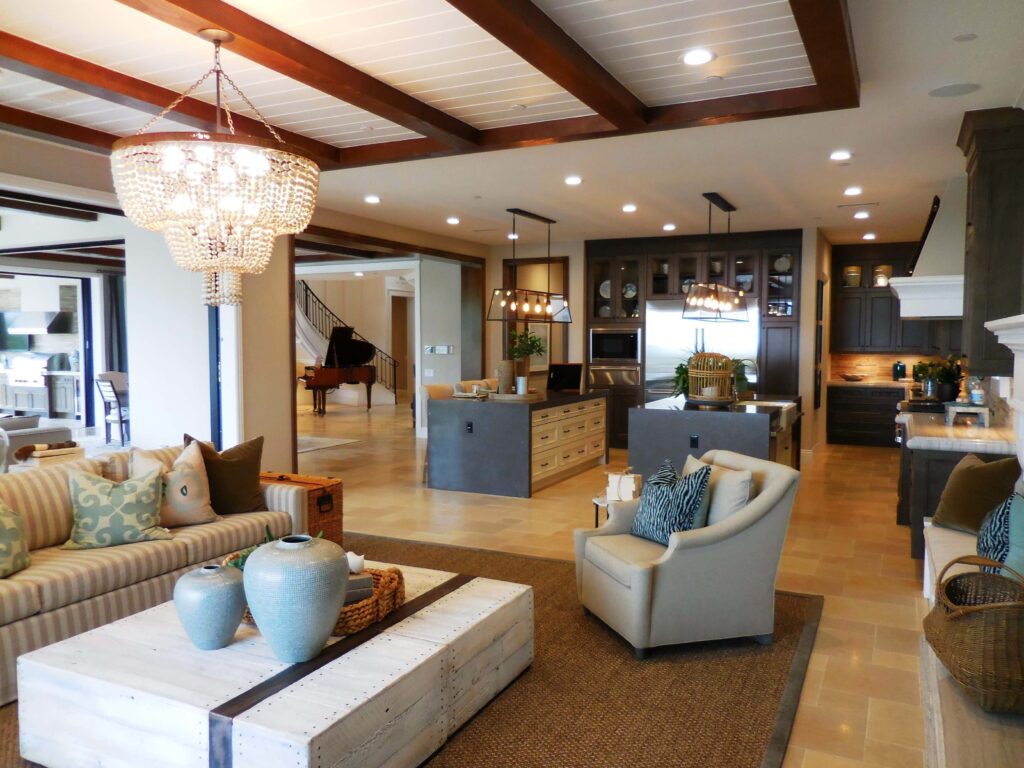
- Adapt and Modernize: Rather than replicating historical styles, focus on adapting and modernizing them. Incorporate classic elements in a way that aligns with contemporary needs and sensibilities. This fusion of old and new creates a unique and timeless aesthetic.
- Understand Design Principles: Grasp the underlying design principles that define historical styles. Whether it’s symmetry, proportion, or ornamentation, understanding these principles allows you to apply them thoughtfully in your designs without being bound by a strict historical replication.
- Create Mood Boards: Curate mood boards that feature elements from different historical periods. This visual exploration can help you identify recurring motifs, color palettes, and textures that resonate with your design sensibilities.
- Experiment with Materials: Experiment with traditional and contemporary materials to achieve a harmonious blend. Incorporate modern materials with historical references, such as using reclaimed wood or introducing classic patterns in innovative ways.
- Stay Informed about Design Trends: Keep abreast of contemporary design trends that draw inspiration from historical styles. Magazines, online platforms, and design publications often showcase projects that seamlessly integrate classical elements into modern settings.
- Collaborate with Artisans: Collaborate with skilled artisans and craftsmen who specialize in traditional techniques. Working with professionals who have a deep understanding of historical craftsmanship can bring authenticity and a high level of detail to your designs.
- Participate in Design Workshops: Engage in design workshops that focus on historical styles. Hands-on experiences, whether in furniture making, textile design, or architectural detailing, can deepen your understanding and appreciation for historical craftsmanship.
- Document Your Observations: Keep a design journal to document your observations, sketches, and ideas inspired by historical styles. This personal archive becomes a valuable resource for sparking creativity in future projects.
- Engage in Cross-Disciplinary Learning: Expand your horizons by delving into related disciplines. Understanding the intersection of architecture, art, literature, and fashion during different historical periods provides a holistic view that can inform your design choices.
- Seek Inspiration in Nature: Nature has been a timeless source of inspiration for designers throughout history. Study natural forms, patterns, and colors that have influenced various design movements. Bringing elements of nature into your designs can create a sense of timelessness.
- Encourage Client Collaboration: Collaborate closely with clients to understand their preferences and inclinations toward historical styles. Tailor your designs to their personal tastes, ensuring a connection between the historical elements incorporated and the client’s vision.
- Attend Design History Courses: Consider enrolling in design history courses or workshops. Formal education can provide a structured understanding of historical design movements, offering a comprehensive knowledge base to draw inspiration from.
- Stay Curious and Open-Minded: Cultivate a mindset of curiosity and open-mindedness. Approach historical design styles with a sense of wonder and a willingness to explore new interpretations. Embrace the joy of discovery in every historical detail.
- Travel and Immerse Yourself in Culture: Travel to diverse locations and immerse yourself in different cultural contexts. Experiencing the architecture, art, and design of different regions firsthand can deepen your appreciation for historical diversity and inform your creative process.
By incorporating these strategies into your design approach, you can maintain a dynamic and evolving relationship with historical design styles. This synthesis of past and present allows you to create designs that honor tradition while embracing the innovation and individuality of contemporary aesthetics.