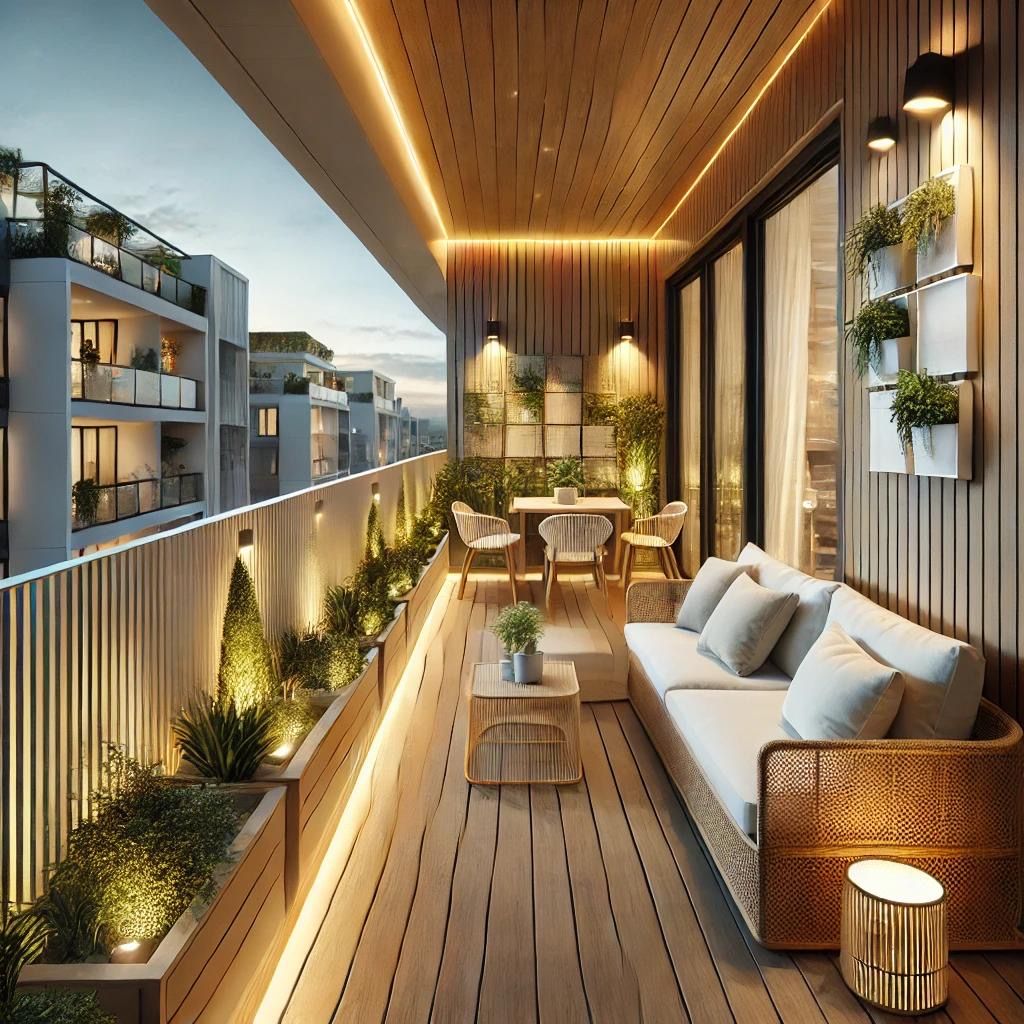
Saving money on interior design requires a mix of creativity, resourcefulness, and strategic planning. Here are some creative ways to cut costs on your interior design projects:
- Virtual Design Consultations: Take advantage of virtual design consultations. Many designers offer online services, providing advice, recommendations, and guidance without the need for in-person meetings.
- DIY Projects: Embrace do-it-yourself (DIY) projects for elements that don’t require professional expertise. Painting, creating artwork, or even simple furniture assembly can be done yourself to save on labor costs.
- Upcycling and Repurposing: Give old furniture and decor items a new life through upcycling and repurposing. With a bit of creativity, you can transform existing pieces into something fresh and unique.
- Thrift Store Finds: Explore thrift stores and secondhand shops for budget-friendly furniture and accessories. You might discover unique items that can be integrated into your design at a fraction of the cost.
- Shop Online Sales and Clearance: Keep an eye on online sales, clearance sections, and discount retailers. Many reputable stores offer stylish and affordable options, especially during sales events and promotions.
- Budget-Friendly Materials: Choose cost-effective materials that mimic the look of more expensive ones. For example, laminate flooring that resembles hardwood or budget-friendly tile options that imitate natural stone.
- Temporary Changes: Consider temporary design solutions that are easy to update or remove. This could include peel-and-stick wallpaper, removable decals, or modular furniture that can be reconfigured.
- Community Resources: Tap into community resources. Some areas have community workshops, tool-sharing programs, or local artisans who offer more affordable services.
- Bargain Hunting: Become a savvy bargain hunter. Visit flea markets, garage sales, and discount stores to find unique items at lower prices. Bargaining can also be a useful skill in these settings.
- Focus on High-Impact Areas: Concentrate your efforts and budget on high-impact areas that will make the most significant difference in the overall design. This might include the focal point of a room or frequently used spaces.
- Rent or Borrow: Consider renting furniture or decor items for special occasions or for short-term use. This is particularly useful for events or when you want to experiment with different looks without committing to a purchase.
- Smart Furniture Choices: Invest in versatile furniture that can serve multiple purposes. For example, a sofa bed for a guest room or a dining table that can also be used as a workspace.
- Local Artisans and Craftsmen: Explore the work of local artisans and craftsmen. They may offer unique and affordable pieces that contribute to a personalized and authentic design.
- Energy-Efficient Upgrades: Consider energy-efficient upgrades. While there may be an initial investment, these upgrades can lead to long-term cost savings on utility bills.
- Barter Services: If you have skills or services to offer in return, consider bartering with designers or artisans. This can be a mutually beneficial arrangement that reduces costs for both parties.
Remember, a creative and resourceful approach to interior design doesn’t mean sacrificing style or quality. By thinking outside the box and exploring alternative options, you can achieve a beautiful and budget-friendly design for your space.