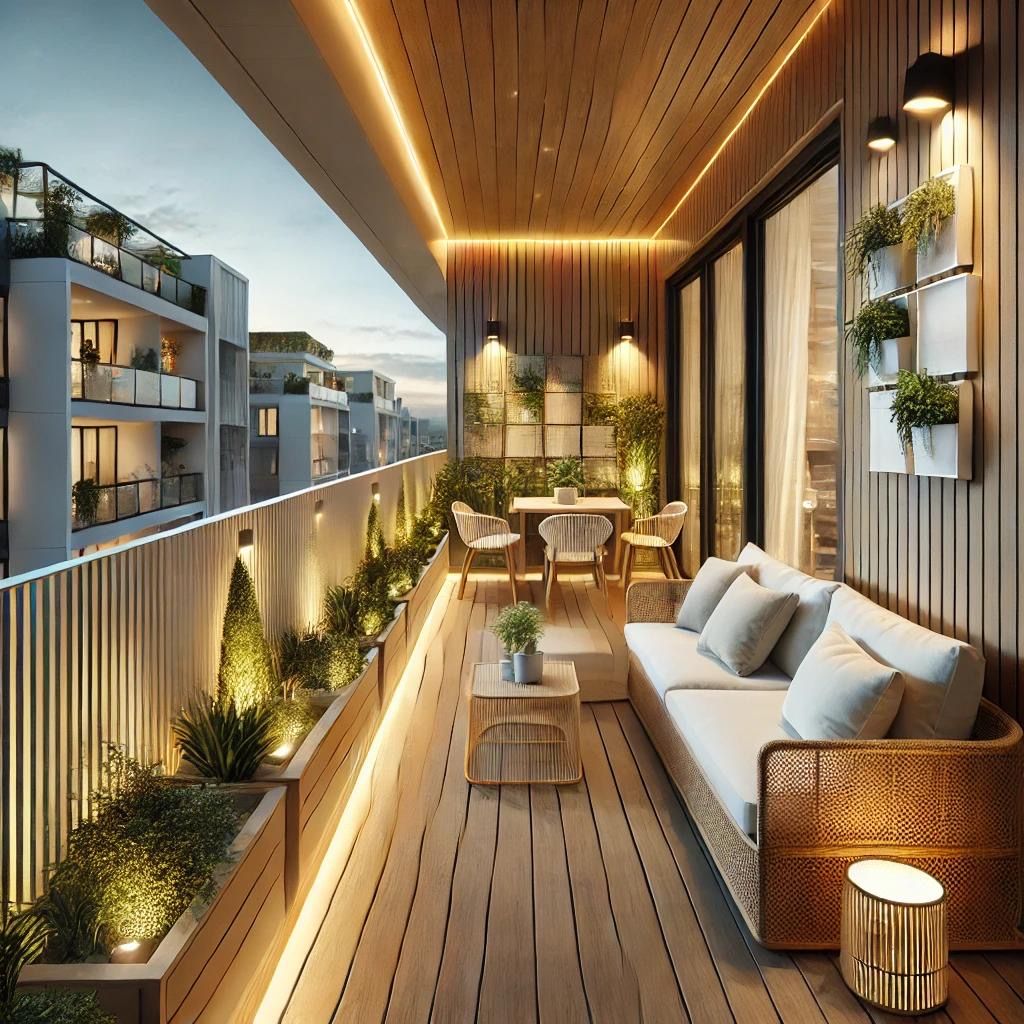
Designing your interior on a budget requires creativity, resourcefulness, and careful planning. Here’s a comprehensive guide to help you achieve a stylish and cost-effective interior design:
1. Define Your Budget:
- Start by determining how much you’re willing to spend on your interior design project. Consider all potential costs, including furniture, decor, paint, and any professional assistance.
2. Prioritize and Plan:
- Identify the key areas or elements you want to focus on. Prioritize based on what will have the most significant impact on the overall look and feel of your space.
3. DIY and Upcycling:
- Explore do-it-yourself projects and upcycling to breathe new life into existing furniture and decor. This can include painting, reupholstering, or repurposing items you already own.
4. Shop Secondhand:
- Check out thrift stores, consignment shops, garage sales, and online marketplaces for budget-friendly finds. You might discover unique pieces that add character to your space without breaking the bank.
5. Virtual Design Tools:
- Use virtual design tools and apps to visualize potential changes before making any purchases. This can help you avoid costly mistakes and ensure that your design choices work well together.
6. Optimize Furniture Layout:
- Experiment with different furniture arrangements to optimize your space. Sometimes a simple rearrangement can make a significant difference in the overall flow and functionality.
7. Budget-Friendly Decor:
- Look for affordable decor items in discount stores, clearance sections, or online marketplaces. Consider DIY art projects, and frame prints or postcards for inexpensive wall art.
8. Paint for Impact:
- A fresh coat of paint is one of the most budget-friendly ways to transform a space. Choose neutral colors for a timeless look or experiment with an accent wall for a pop of color.
9. Energy-Efficient Upgrades:
- If possible, invest in energy-efficient upgrades. While there may be upfront costs, these changes can lead to long-term savings on utility bills.
10. Minimalist Approach:
- Embrace a minimalist design approach. Focus on essential pieces and declutter to create a clean, sophisticated look that doesn’t require a hefty budget.
11. Strategic Lighting:
- Update lighting fixtures strategically. Affordable and stylish lighting can significantly impact the ambiance of a room.
12. Greenery and Natural Elements:
- Introduce indoor plants and natural elements to enhance the decor without spending much. Plants add freshness and a touch of nature to any space.
13. Comparison Shopping:
- Before making any major purchases, compare prices across different stores and online platforms. Take advantage of sales and promotions.
14. Rent or Borrow:
- For items you might only need temporarily, consider renting or borrowing. This could include furniture, decor, or even tools for DIY projects.
15. Focus on High-Impact Areas:
- Invest more in high-impact areas like the living room or bedroom. Make these spaces a priority for design enhancements, while less frequently used areas can be tackled later.
16. Seek Professional Advice:
- If your budget allows, consult with an interior designer for advice. They can provide valuable insights and help you make the most of your budget.
17. Phased Approach:
- Consider a phased approach to your interior design. Tackle one room or area at a time, allowing you to spread out costs and adjust your plans as needed.
18. Smart Storage Solutions:
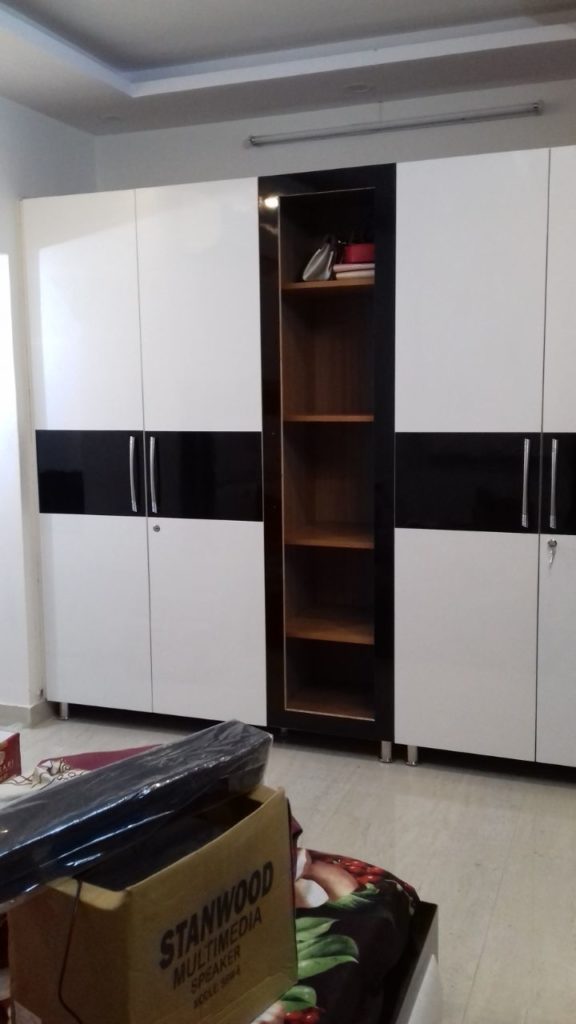
- Invest in cost-effective storage solutions to keep your space organized. This can prevent the need for additional furniture or renovations.
19. Budget-Friendly Flooring:
- If new flooring is necessary, explore cost-effective options such as laminate, vinyl, or bamboo flooring, which can mimic the look of more expensive materials.
20. Bargain Hunting:
- Keep an eye out for seasonal sales, clearance events, and holiday promotions. Bargain hunting can yield excellent deals on furniture and decor.
Remember, the key to successful budget-friendly interior design is a combination of creativity, strategic planning, and a willingness to explore alternative solutions. Be patient, and enjoy the process of transforming your space within your financial means.