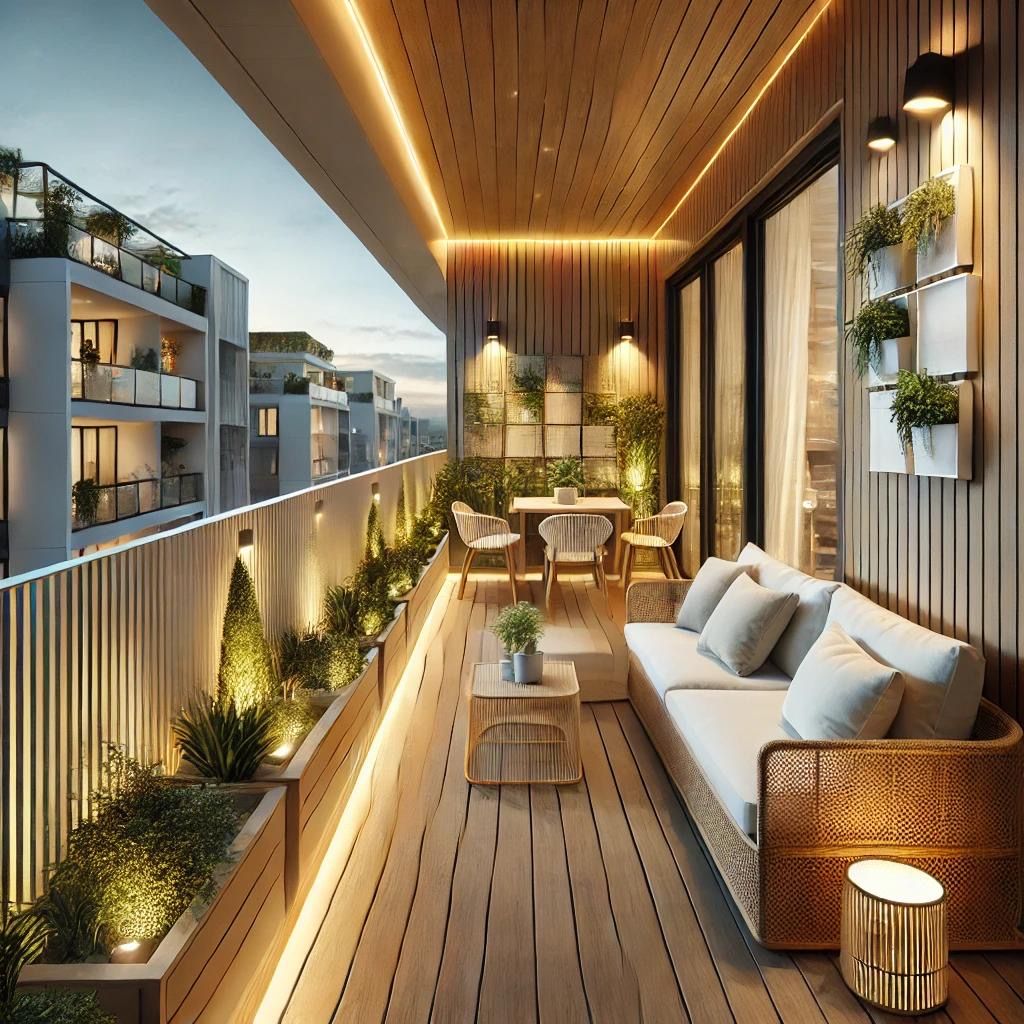
Redesigning your home with an interior designer on a budget requires a strategic and thoughtful approach. Here are some tips for achieving an economical home redesign with the help of a professional:
- Clear Communication on Budget:
- Clearly communicate your budget constraints to the interior designer from the beginning. Be specific about what you can comfortably spend on the project, including both design fees and the actual implementation.
- Define Priorities:
- Work with your designer to identify the key areas or elements that are most important to you. This could be a specific room, focal points, or functional aspects that need attention. Prioritizing allows you to focus your budget on what matters most.
- Reuse and Repurpose:
- Look for opportunities to repurpose existing furniture and decor items. Your designer can provide creative ideas on how to update or rearrange items to give them a fresh look without buying entirely new pieces.
- Smart Shopping:
- Take advantage of sales, discounts, and clearance items. Your designer may have access to trade discounts, and they can help you find quality items within your budget.
- DIY Projects:
- Consider tackling some do-it-yourself projects to save on labor costs. This could include painting, simple furniture upgrades, or creating custom decor pieces.
- Shop Secondhand:
- Explore thrift stores, consignment shops, and online marketplaces for budget-friendly furniture and accessories. Your designer can help you find gems that can be incorporated into the redesign.
- Focus on Statement Pieces:
- Invest in a few statement pieces that will have a significant impact on the overall design. This could be a unique piece of furniture, an eye-catching light fixture, or a bold piece of artwork.
- Flexible Design Plans:
- Work with your designer to develop a phased design plan. This allows you to implement changes gradually over time as your budget allows. The designer can create a roadmap for future improvements.
- Cost-Effective Materials:
- Opt for cost-effective materials that still provide a polished look. For example, consider laminate flooring that mimics hardwood or budget-friendly tile options.
- Energy-Efficient Updates:
- If possible, incorporate energy-efficient updates into the redesign. While there may be upfront costs, these updates can save money on utility bills in the long run.
- Local Artisans and Craftspeople:
- Explore the work of local artisans and craftspeople for unique, handmade items. Your designer may have connections with local talent, offering custom pieces at reasonable prices.
- Minimalist Design Approach:
- Embrace a minimalist design approach, focusing on essential elements and avoiding unnecessary clutter. This not only saves money but also creates a clean and timeless aesthetic.
- Virtual Consultations:
- Take advantage of virtual design consultations to minimize costs associated with in-person meetings. This can be a cost-effective way to get professional advice without additional travel expenses.
Remember that open communication, collaboration, and a clear understanding of your priorities are essential when working with an interior designer on a budget. With thoughtful planning and creative solutions, you can achieve an economical home redesign that meets your aesthetic preferences and financial constraints.