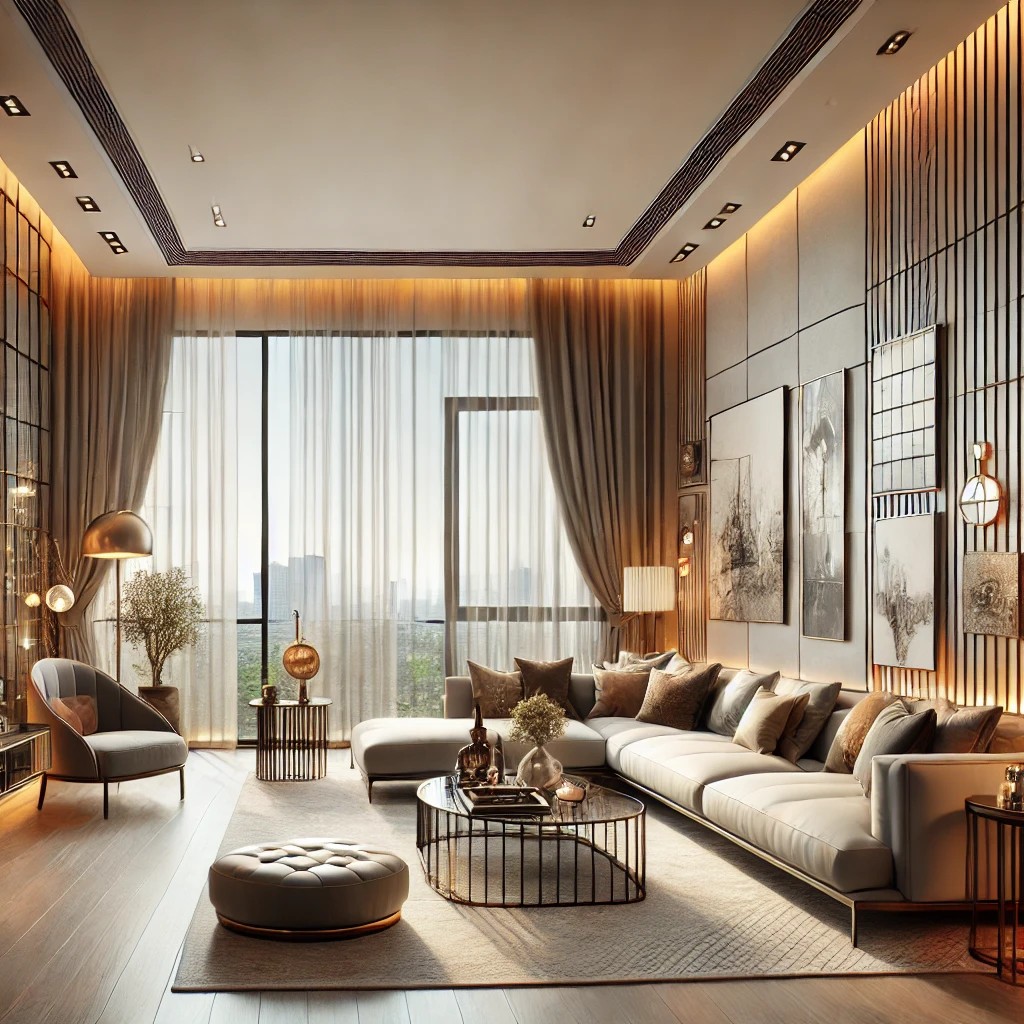
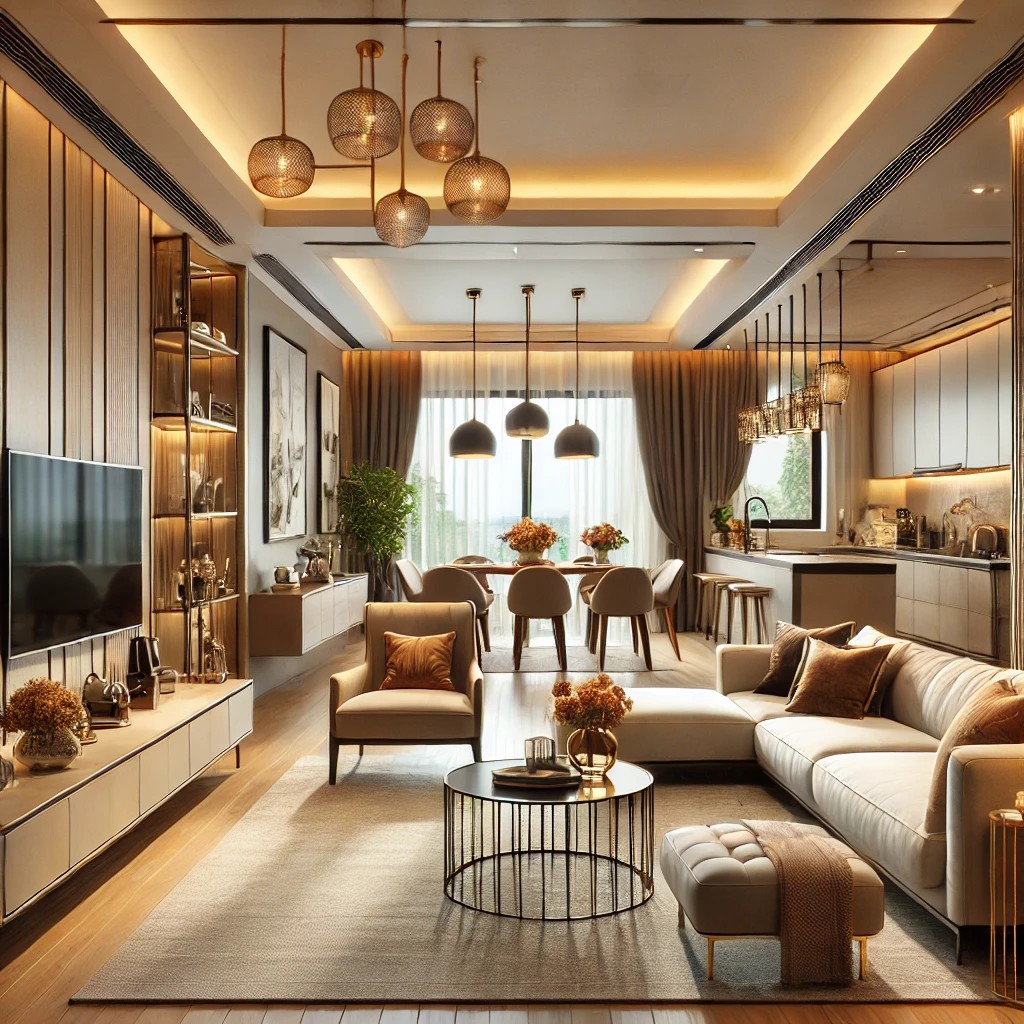
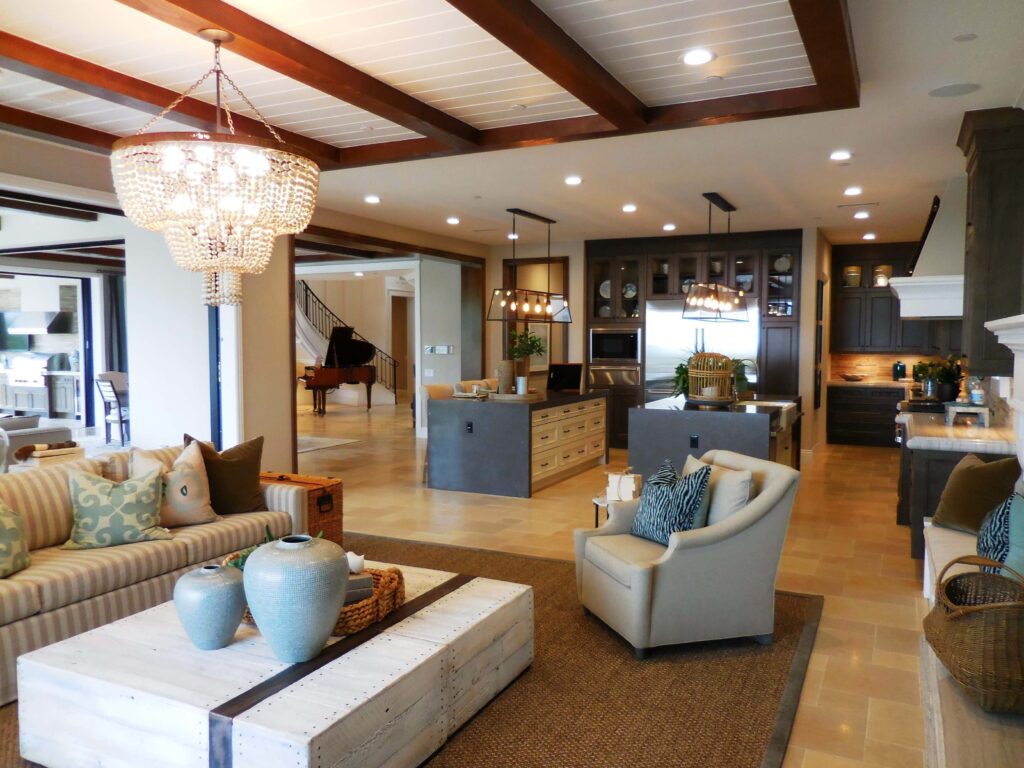
Resimercial design, a portmanteau of “residential” and “commercial,” represents a growing trend in workplace design where the boundaries between home and office aesthetics blur. This approach aims to create a more comfortable, inviting, and personalized work environment by incorporating elements traditionally associated with residential spaces. Here are some key features and furnishings often found in resimercial design:
- Comfortable Seating:
- Soft, upholstered furniture such as sofas, lounge chairs, and ottomans.
- Ergonomic task chairs with residential-style upholstery and finishes.
- Flexible Workstations:
- Adjustable-height desks with a variety of finishes, including wood and natural materials.
- Mobile and modular furniture that can be easily reconfigured to accommodate different work styles.
- Homelike Lighting:
- Warm, ambient lighting with a mix of floor lamps, table lamps, and pendant lights.
- Incorporation of decorative lighting fixtures to create a cozy atmosphere.
- Natural Materials:
- Use of natural materials like wood, stone, and plants to bring an organic feel to the workspace.
- Furniture with wooden accents, live-edge tables, and other elements inspired by nature.
- Residential Textiles:
- Soft, inviting textiles such as throw pillows, blankets, and area rugs.
- Upholstery with residential-style fabrics, patterns, and textures.
- Art and Decor:
- Wall art, framed photographs, and other decor items to personalize the space.
- Shelving and display areas for personal and decorative items.
- Casual Meeting Spaces:
- Informal meeting areas with comfortable seating arrangements.
- Collaborative zones resembling living room settings for casual discussions.
- Homey Color Palettes:
- Use of warm and neutral color schemes, often inspired by residential interiors.
- Accent colors to add vibrancy and personality to the space.
- Biophilic Elements:
- Incorporation of biophilic design principles, such as indoor plants and natural light.
- Large windows and greenery to connect the workspace with the outdoors.
- Technology Integration:
- Concealed or integrated technology solutions to maintain a clean and uncluttered aesthetic.
- Use of residential-style tech, such as lamps with built-in charging stations.
- Acoustic Solutions:
- Soft furnishings and acoustic panels to mitigate noise and create a more peaceful environment.
- Carpets and curtains to absorb sound and improve acoustics.
- Personalization:
- Allow employees to personalize their workspaces with personal items and decorations.
- Customizable furniture and accessories to accommodate individual preferences.
The goal of resimercial design is to foster a sense of well-being, comfort, and community in the workplace. By blending the comforts of home with the functionality of a professional setting, resimercial spaces aim to create environments where people feel more relaxed, motivated, and engaged in their work. This approach is particularly relevant as flexible work arrangements become more common, and the line between work and life continues to evolve.