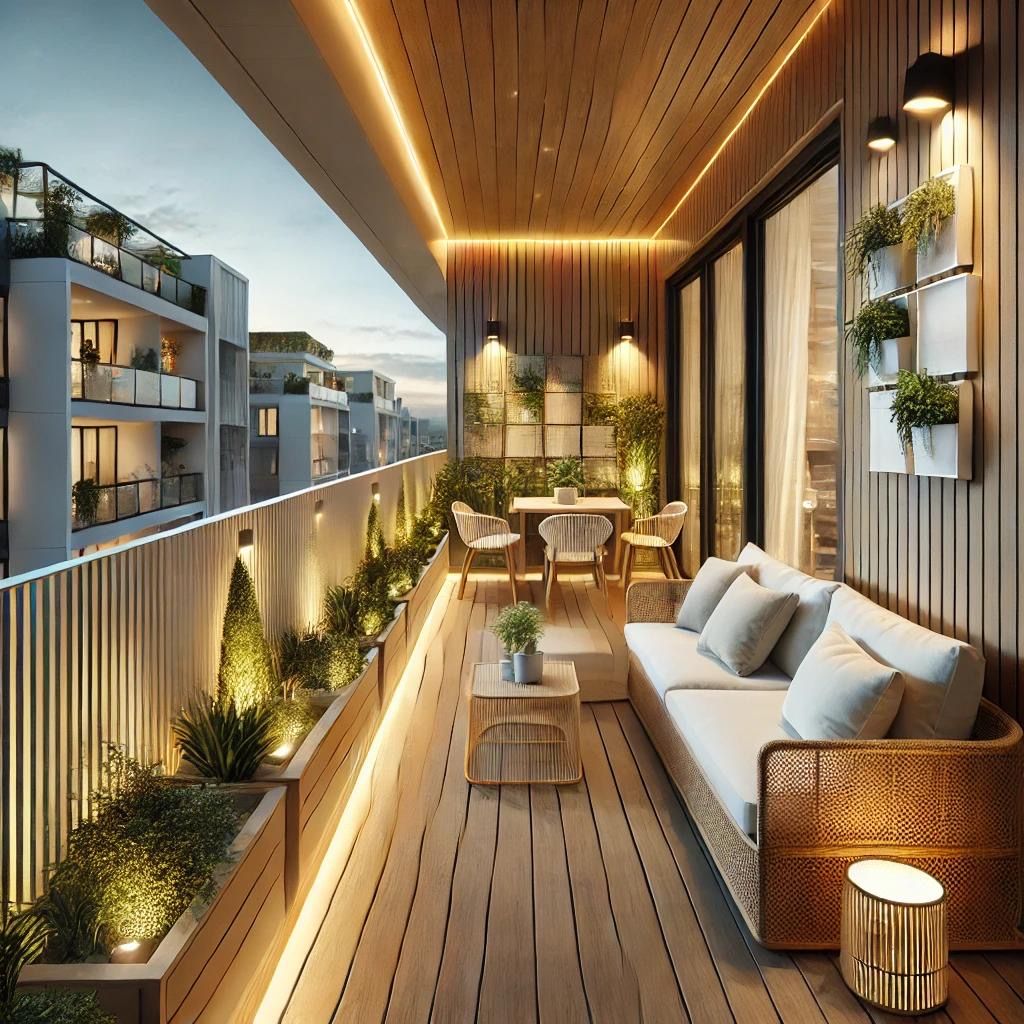
As remote work becomes increasingly prevalent, the importance of creating a conducive and inspiring home office space has never been more apparent. Designing a home office goes beyond setting up a desk and chair—it’s about crafting a space that enhances focus, productivity, and overall well-being. Whether you have a dedicated room or a corner in a shared space, here are some practical and creative tips for decorating a home office that combines functionality with aesthetic appeal.
1. Selecting the Right Location: Choose a location in your home that is conducive to work and minimizes distractions. Ideally, opt for a quiet area with ample natural light. Consider proximity to power outlets and a good Wi-Fi signal to ensure a seamless workflow.
2. Invest in Ergonomic Furniture: Prioritize comfort and health by investing in ergonomic furniture. Choose a desk and chair that provide proper support for your posture. Adjustable chairs, sit-stand desks, and ergonomic accessories can contribute to a workspace that promotes well-being during long work hours.
3. Personalize Your Space: Infuse your personality into the space to create a motivating and enjoyable work environment. Decorate your home office with items that inspire you, whether it’s artwork, plants, or personal mementos. A personalized touch can make your workspace feel more inviting and conducive to creativity.
4. Optimize Lighting: Maximize natural light whenever possible, positioning your desk near a window. Natural light not only enhances mood but also reduces eye strain. Supplement with task lighting, such as desk lamps with adjustable brightness, to ensure adequate illumination for focused work.
5. Declutter for Focus: A clutter-free environment is essential for maintaining focus and productivity. Keep your home office organized by using storage solutions like shelves, drawers, and organizers. Regularly declutter to maintain a clean and inspiring workspace.
6. Choose Calming Colors: Select calming colors for your home office to promote a relaxed yet focused atmosphere. Soft blues, greens, or neutral tones are popular choices. Consider your personal preferences and the nature of your work when choosing a color scheme.
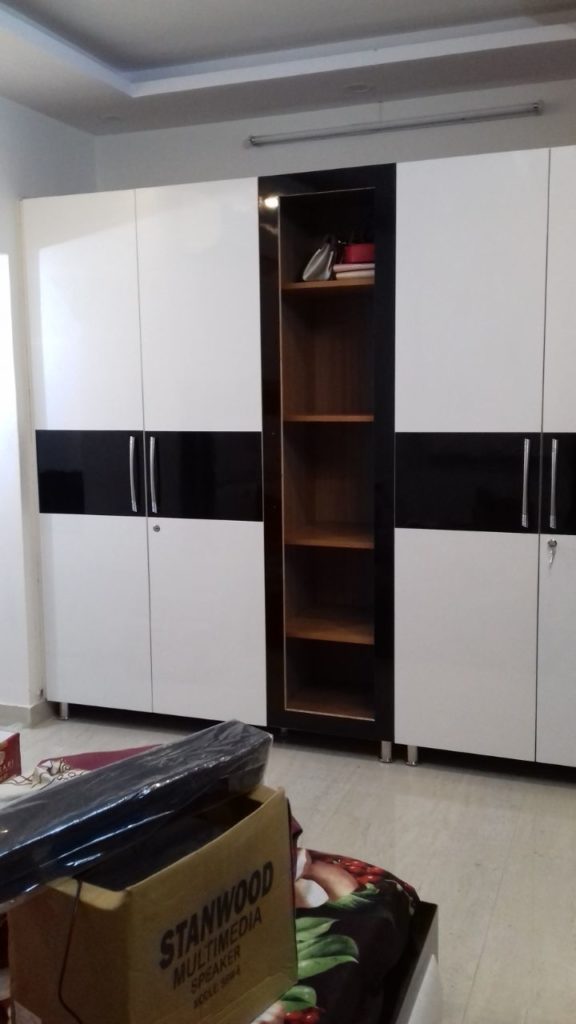
7. Incorporate Functional Storage: Efficient storage solutions are crucial for keeping your home office organized. Invest in filing cabinets, bookshelves, or wall-mounted storage to keep paperwork and office supplies neatly arranged. This not only enhances organization but also contributes to a visually appealing workspace.
8. Create a Dedicated Work Zone: Establish clear boundaries between your work and personal spaces, especially if your home office shares a room with other functions. Use rugs, room dividers, or furniture arrangement to define a dedicated work zone. This helps signal when it’s time to focus and when it’s time to relax.
9. Integrate Technology Seamlessly: Ensure that your home office is equipped with the necessary technology for seamless productivity. Conceal or organize cables to reduce visual clutter. Invest in a good-quality monitor, webcam, and other peripherals to enhance your virtual communication experience.
10. Consider Sound Solutions: If your home is prone to noise, consider sound solutions to maintain a quiet work environment. Invest in noise-canceling headphones or use background music or white noise to drown out distractions. Acoustic panels or rugs can also help absorb sound.
11. Inspirational Wall Decor: Hang inspirational or motivational artwork on your office walls to boost creativity and morale. Whether it’s a vision board, framed quotes, or artwork that resonates with you, surrounding yourself with positive visuals can contribute to a more uplifting work environment.
12. Greenery for Vitality: Introduce plants into your home office to add a touch of nature and enhance air quality. Low-maintenance indoor plants like succulents, snake plants, or pothos are excellent choices. Greenery not only adds visual appeal but also contributes to a healthier workspace.
13. Create a Comfortable Seating Area: If space allows, consider creating a comfortable seating area within your home office. This can be a cozy reading nook or a spot to take short breaks. Having a secondary seating area adds versatility to the space and allows for moments of relaxation.
14. Functional Workstation Layout: Organize your workstation for efficiency. Keep frequently used items within arm’s reach, and arrange your desk to facilitate a smooth workflow. Consider the principles of feng shui or other design philosophies to create a harmonious and balanced workstation layout.
15. Adapt as Needed: Finally, be flexible and adapt your home office as your needs evolve. Regularly reassess the functionality and aesthetics of the space, making adjustments based on your work requirements and personal preferences. A dynamic and responsive home office environment will better support your changing needs over time.
In conclusion, decorating a home office is an opportunity to create a space that not only meets your practical work requirements but also inspires and uplifts. By incorporating these tips, you can design a home office that aligns with your personal style, enhances productivity, and fosters a positive work environment. Whether you’re tackling complex projects, attending virtual meetings, or simply seeking a tranquil space to work, a thoughtfully decorated home office can be a game-changer in achieving both professional and personal success.