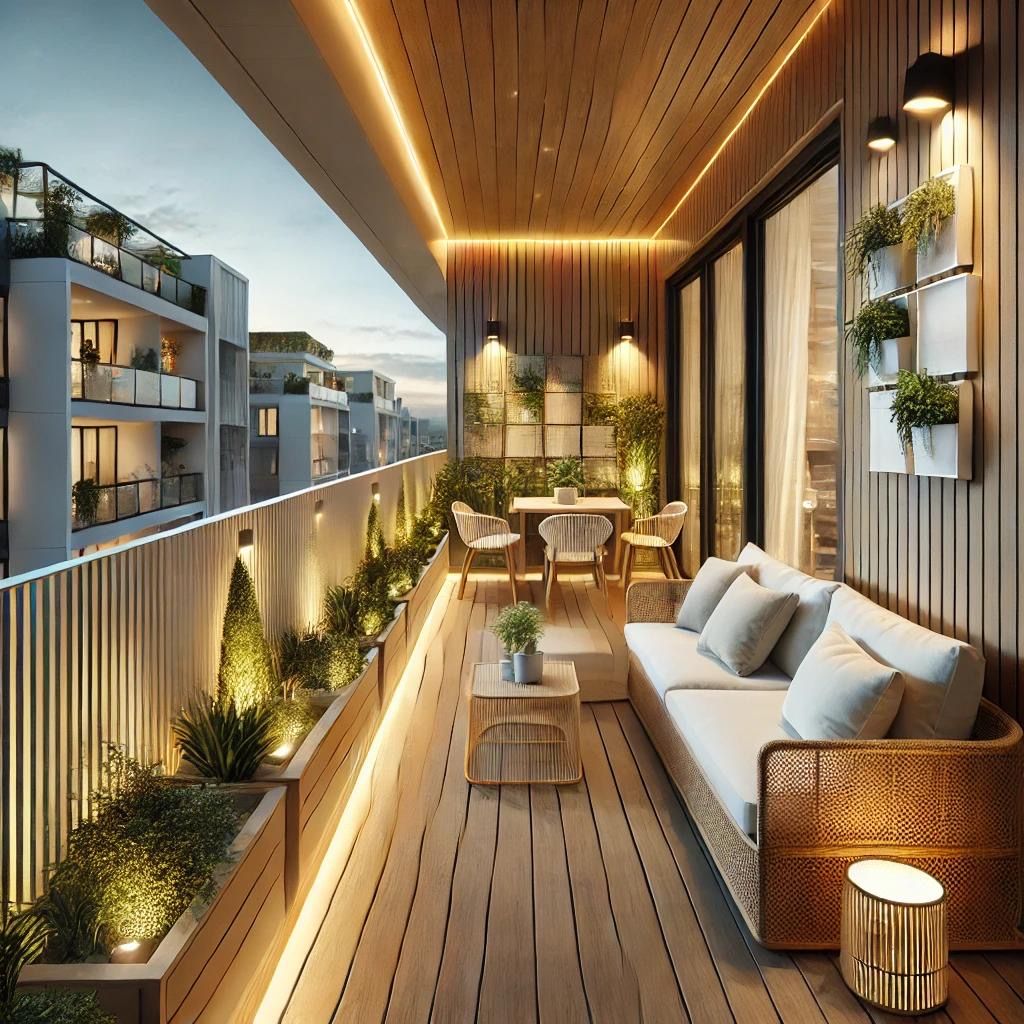
Introduction: Natural ventilation not only promotes a healthier living environment but also adds a breath of fresh air to your interior design. Discover these tricks to optimize airflow and bring the benefits of the outdoors into your home.
1. Strategic Window Placement: Start with strategic window placement. Position windows to capture prevailing winds, facilitating a natural flow of air throughout your home.
2. Use Operable Windows: Choose operable windows. Windows that can be opened allow you to control the amount of ventilation, bringing in fresh air when needed and promoting air circulation.
3. Consider Cross-Ventilation: Embrace cross-ventilation. Arrange windows on opposite sides of a room to encourage a natural breeze, effectively cooling and refreshing the space.
4. Utilize Ventilation Aids: Incorporate ventilation aids. Ceiling fans, exhaust fans, or attic vents can complement natural ventilation, enhancing airflow and maintaining a comfortable temperature.
5. Install French Doors or Sliding Doors: Opt for French doors or sliding doors. These designs offer a larger opening than traditional doors, allowing for better air exchange between indoor and outdoor spaces.
6. Emphasize Interior Courtyards: Design interior courtyards. If possible, incorporate open-air courtyards or atriums to serve as ventilation channels, bringing outdoor air into the heart of your home.
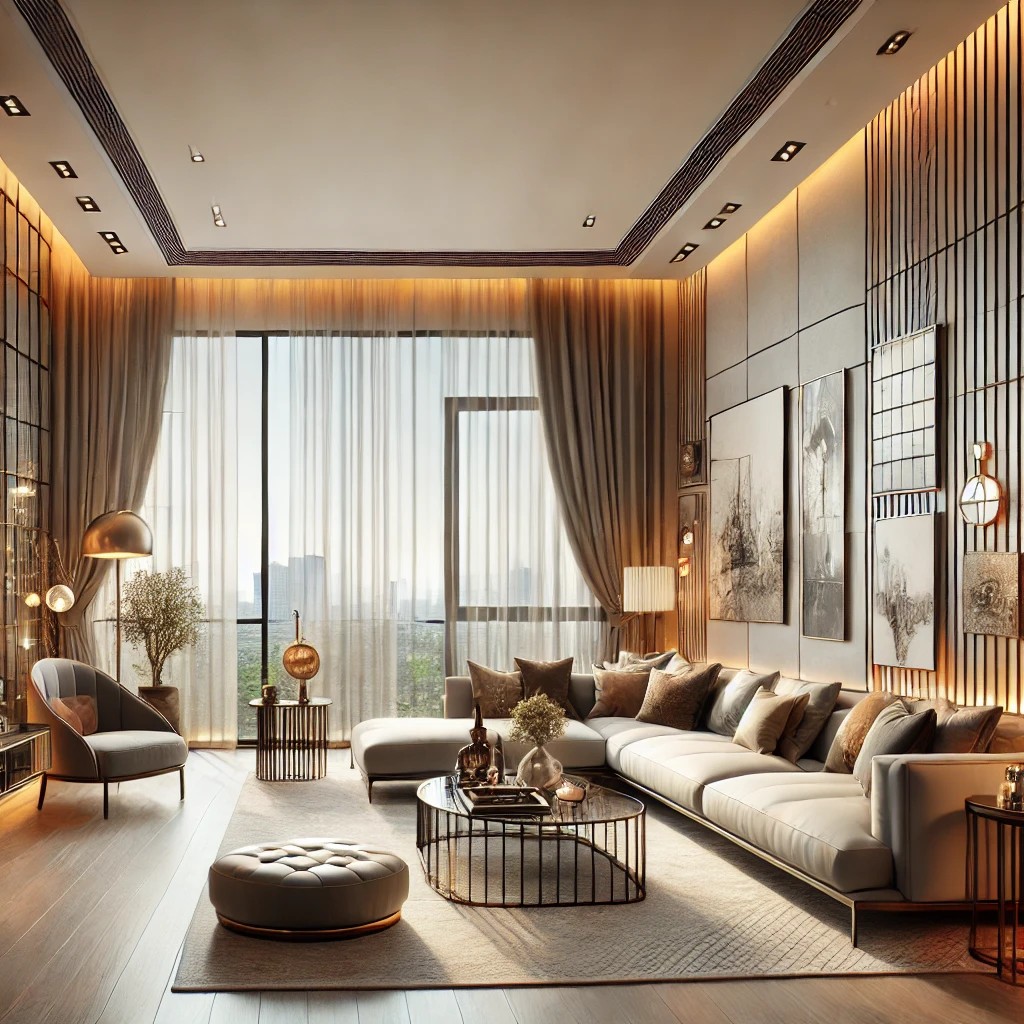
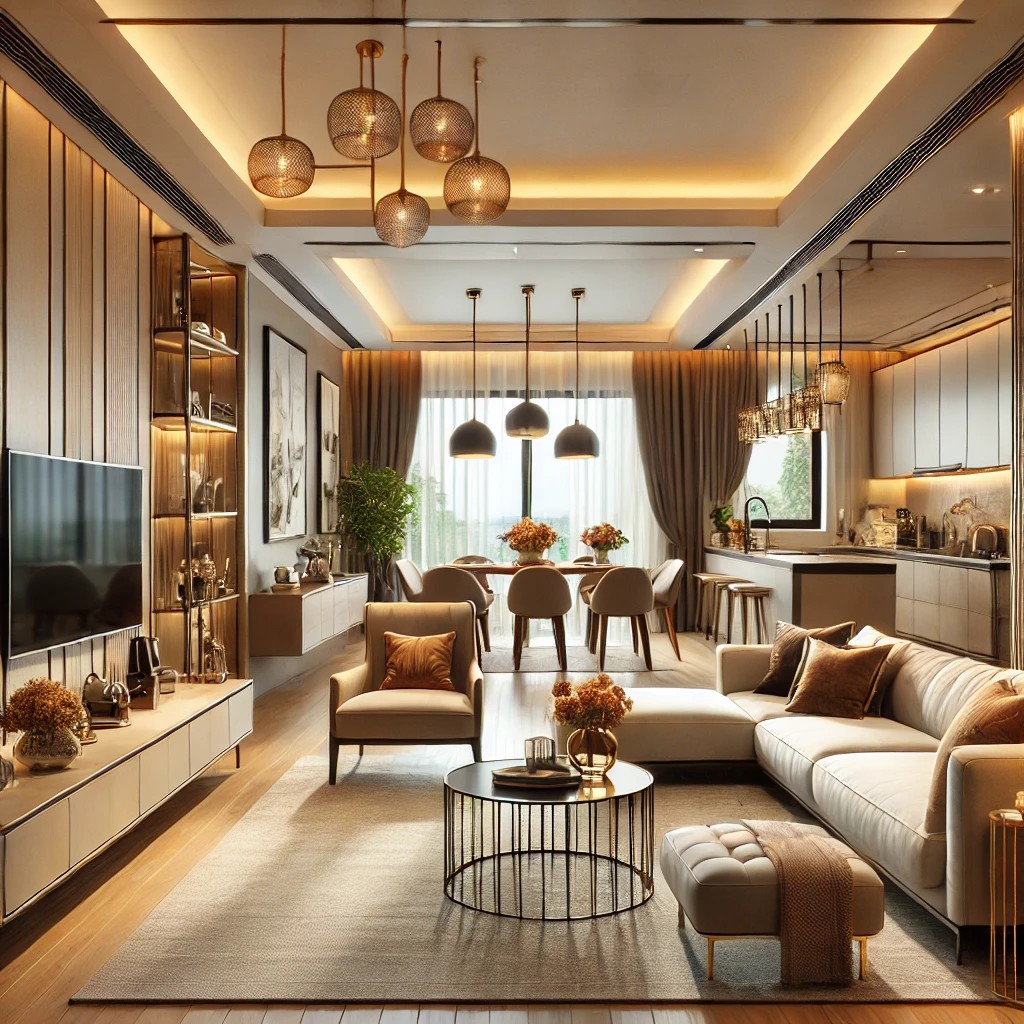
7. Choose Light and Sheer Curtains: Select light and sheer curtains. Heavy drapes can obstruct airflow; opt for lightweight curtains that allow air to filter through while providing privacy.
8. Use Ventilated Furniture: Invest in ventilated furniture. Opt for pieces with slatted designs or perforated surfaces, allowing air to circulate around furniture and prevent stuffiness.
9. Keep Furniture Away from Vents: Position furniture away from vents. Ensure that vents and windows are not obstructed, allowing air to move freely around the room.
10. Consider Skylights for Natural Light: Integrate skylights. In addition to enhancing natural light, skylights can serve as additional ventilation points, promoting upward airflow for a well-ventilated space.
Conclusion: Enhancing natural ventilation is a design approach that not only improves indoor air quality but also contributes to a more sustainable and energy-efficient home. By incorporating these tricks into your interior design, you can create a living space that breathes with vitality, harnessing the power of nature to bring comfort and freshness into every corner of your home. Let the winds of change refresh your living space and elevate your well-being.