Top-Rated Contemporary Interior Designer for Homes Near Me
Create a contemporary home that feels refined, functional and personal. Explore modern space planning, storage, lighting, materials, furniture and room-by-room interior solutions designed around the way you actually live.
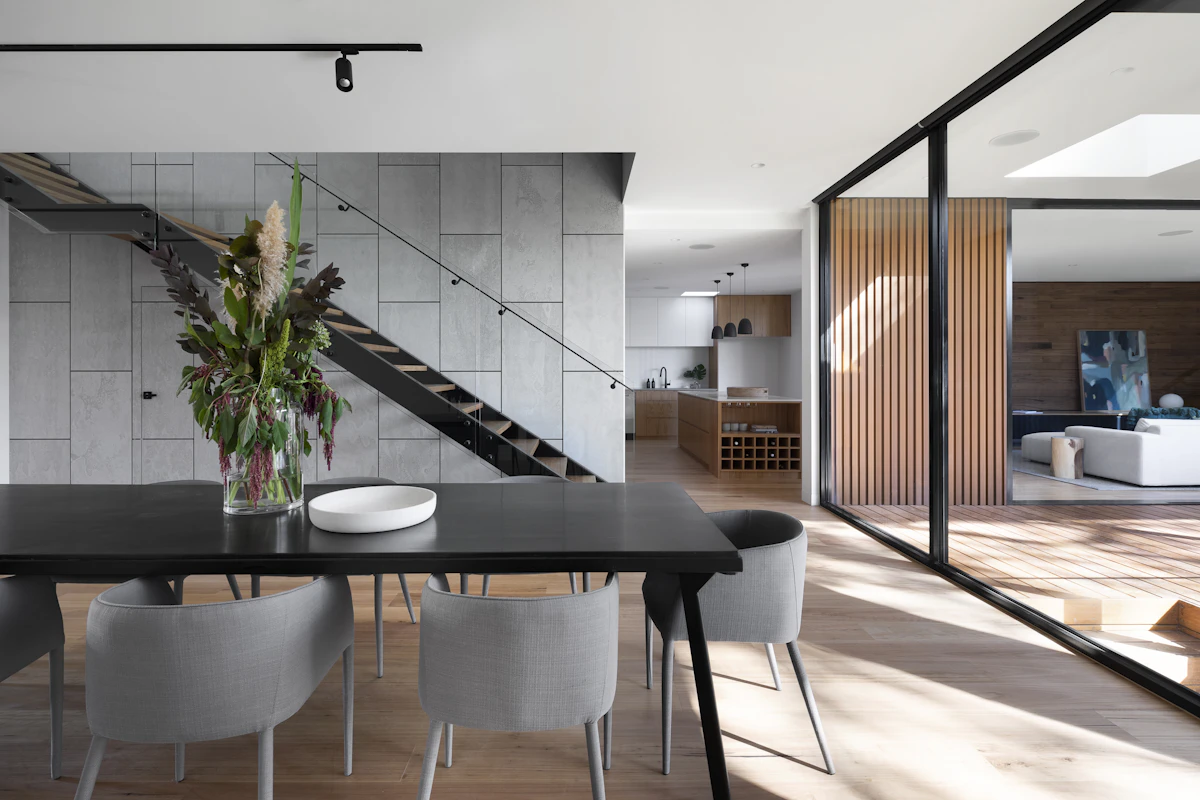
Contemporary interior design is not simply about buying modern furniture. It is about creating a cohesive home through good proportions, efficient space planning, functional storage, controlled colours, layered lighting, appropriate materials and details that reflect the homeowner’s lifestyle.
Modern design should improve the way your home works
The strongest contemporary interiors balance visual simplicity with everyday functionality. Furniture should fit the architecture, storage should solve real problems and decorative elements should support the overall design rather than compete with it.
12 characteristics of a well-planned contemporary home
These principles can be adapted to apartments, builder floors, independent homes, villas and other residential spaces.
Clean Lines
Use clear furniture profiles and architectural lines to create a calm, organized visual language.
Functional Layouts
Plan furniture around circulation, daily routines and the actual way each room will be used.
Integrated Storage
Built-in and carefully planned storage keeps everyday belongings organized without overwhelming the room.
Balanced Colours
Neutral foundations with controlled accent colours create a contemporary palette that can evolve over time.
Layered Lighting
Combine ambient, task and accent lighting rather than depending entirely on one central fixture.
Material Contrast
Combine wood textures, stone-like surfaces, glass, metal and fabrics to create depth.
Appropriate Proportions
Furniture dimensions should relate to room size, ceiling height and circulation requirements.
Visual Restraint
Leave enough negative space so important architectural and decorative elements remain visible.
Personal Details
Photographs, artwork, books and objects can give a contemporary home a personal identity.
Comfort
Contemporary styling should never come at the expense of comfortable seating, sleeping and everyday usability.
Adaptability
Plan rooms so furniture and storage can respond to changing family, work and lifestyle requirements.
Cohesive Design
Repeat selected materials, colours and forms to connect separate rooms into one complete home.
Contemporary design is more than appearance
A residential designer should translate aesthetic preferences into practical decisions about layout, storage, lighting, materials and execution.
Contemporary interior design for every part of your home
A cohesive home does not mean every room looks identical. Each space can have its own function while sharing a consistent design language.
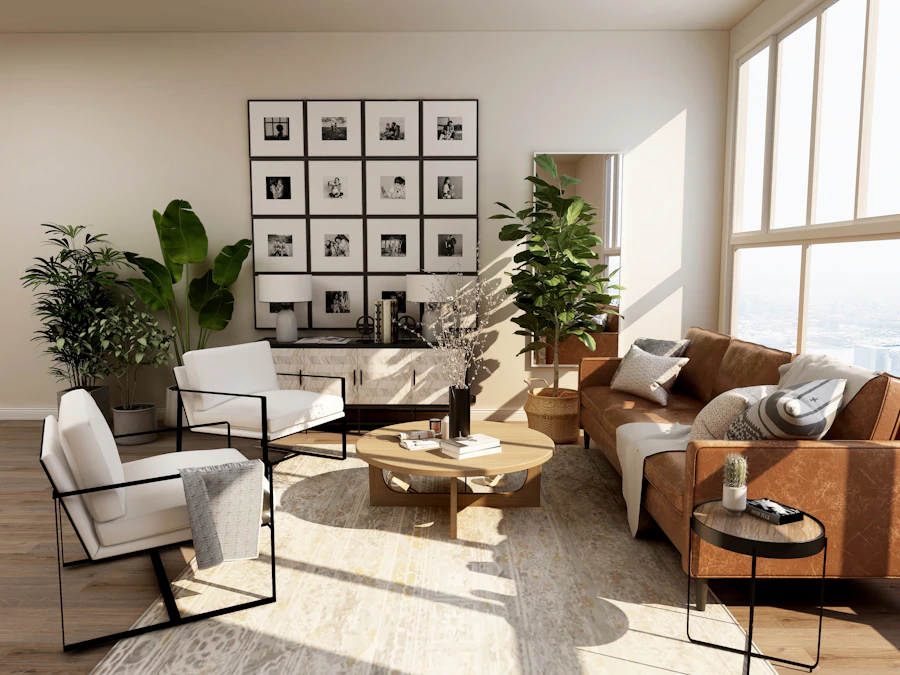
Contemporary Living Room
Create a refined social space with comfortable furniture and a controlled visual palette.
- Comfortable contemporary sofa
- Balanced TV or media wall
- Layered lighting
- Area rug and selected artwork
- Integrated storage where required

Contemporary Bedroom
Focus on comfort, calm colours, efficient storage and soft lighting.
- Simple upholstered or panelled headboard
- Functional wardrobe interiors
- Bedside lighting
- Layered textiles
- Minimal decorative treatment

Contemporary Kitchen
Combine clean cabinetry with practical storage and efficient work zones.
- Handleless or streamlined profiles
- Organized drawers and cabinets
- Durable countertop
- Under-cabinet lighting
- Easy-to-maintain finishes

Dining Area
Define the dining area through proportion, lighting and carefully selected furniture.
- Appropriately sized dining table
- Comfortable seating
- Statement pendant or linear light
- Mirror or artwork
- Minimal tabletop styling

Home Office
Design a focused workspace that integrates naturally with the rest of the home.
- Ergonomic desk setup
- Efficient storage
- Task lighting
- Cable management
- Acoustic and visual comfort

Contemporary Bathroom
Combine practical fixtures, clean surfaces and well-planned lighting for a modern bathroom.
- Simple vanity design
- Large-format or coordinated tiles
- Functional storage
- Mirror lighting
- Easy-to-maintain surfaces
How to choose a contemporary interior designer near you
Location is useful, but it should not be the only consideration. Compare the designer’s relevant residential experience, process, scope and ability to execute the design.
| What to check | Useful question | Why it matters |
|---|---|---|
| Residential experience | Have they completed homes similar to yours? | Relevant experience helps with practical planning decisions. |
| Design approach | Can they adapt contemporary design to your lifestyle? | Good design should reflect how the home will actually be used. |
| Scope | Does the service cover design, materials and execution? | A clear scope reduces misunderstandings later. |
| Materials | Are specifications and finishes clearly documented? | Material clarity makes comparison easier. |
| Project management | Who coordinates suppliers, contractors and site work? | Defined responsibility improves execution clarity. |
| Quotation | Are inclusions and exclusions clearly stated? | A detailed quotation helps prevent unexpected scope gaps. |
| Communication | How are revisions and approvals handled? | A documented decision process keeps the project organized. |
A clear contemporary home interior design process
A structured process helps connect the initial concept with actual materials, dimensions and site execution.
Consultation
Discuss lifestyle, priorities, design preferences and project requirements.
Site Assessment
Review measurements, architecture, services, natural light and existing conditions.
Concept
Develop the layout, design direction, colours, materials and furniture approach.
Detailed Planning
Finalize drawings, storage, specifications, lighting and execution details.
Execution
Coordinate site work, materials, installation and finishing through to handover.
Build the look through a balanced material palette
Contemporary interiors often become more interesting when a small number of materials are repeated intentionally throughout the home.
Lighting can make a simple interior feel considerably more refined
Plan lighting according to function rather than treating it as a final decorative decision.
Ambient Lighting
Provides general illumination through ceiling fixtures, recessed lights or other broad sources.
Task Lighting
Supports reading, cooking, working, dressing and other activities that need focused light.
Accent Lighting
Highlights artwork, niches, architectural features or selected furniture elements.
Before hiring a contemporary interior designer
Use this checklist to organize your requirements before the first design consultation.
Mistakes to avoid when planning contemporary home interiors
Explore related home interior design services
Build your contemporary home interior plan around the rooms, lifestyle and level of execution support you need.
Contemporary interior designer FAQs
What does a contemporary interior designer do?
A contemporary interior designer plans the layout, furniture, storage, materials, colours, lighting and decorative details of a home around the client’s lifestyle, architecture and practical requirements.
How do I find a contemporary interior designer near me?
Compare designers based on relevant residential projects, design approach, scope of services, communication process, material options, execution capabilities and the clarity of their quotation.
What makes a home interior contemporary?
Contemporary interiors commonly use clean lines, practical layouts, restrained decoration, balanced colours, functional storage, layered lighting and a combination of modern materials and textures.
Can contemporary interior design work for a small apartment?
Yes. Contemporary design can work particularly well in compact homes when furniture is correctly scaled, storage is integrated and circulation is kept clear.
Can contemporary interiors be designed on different budgets?
Yes. Contemporary design can be adapted through material selection, furniture choices, scope prioritization and phased execution without requiring every element to use premium finishes.
Why is a local interior designer useful?
A designer who works in the relevant area may be able to coordinate site visits, suppliers, contractors and execution more conveniently while understanding local project conditions.
What should I ask an interior designer before hiring?
Ask about relevant project experience, scope, design process, material specifications, execution responsibilities, timelines, payment stages, revisions, warranties and what is excluded from the quotation.
Plan a contemporary home around the way you live.
From space planning and storage to lighting, materials and execution, create a home that looks contemporary while remaining comfortable and practical.