What Should You Never Do to Save Money on a Remodel?
Cutting a renovation budget does not have to mean cutting corners. Protect safety, compliance and long-term performance first—then find savings in design, finishes and unnecessary complexity.
Plan Your Renovation
Save on choices, not on safety
The most useful remodeling budget question is not simply “Where can I spend less?” It is “Which decisions are expensive to undo?” Safety-critical work, concealed services and required approvals deserve careful planning. Decorative elements are usually easier to simplify or postpone.
Safety & compliance
Do not bypass required approvals or use unsafe shortcuts in structural, electrical, plumbing or other regulated work.
Concealed construction
Waterproofing, wiring, plumbing and substrate preparation can be difficult to inspect after finishes are installed.
Decorative complexity
Simplify feature walls, decorative ceilings, accessories and excessive customization when they are not essential to the brief.
Never skip a required building permit
Permit requirements vary by property, location and the type of work being carried out. If approval is required, treating it as an optional expense can create problems later.
The original Interior A to Z article specifically identifies skipping required permits as a poor way to reduce remodeling costs because non-compliant work can create fines and future property complications. citeturn0search0
Before starting structural or regulated work, confirm which permissions apply to your property with the relevant local authority or qualified professional.

Five places where the cheapest option can become costly
Structural changes
Never remove, cut or alter structural elements simply to reduce labour or construction costs. Get the required technical assessment first.
Electrical work
Do not compromise on appropriate wiring, protection, load planning or qualified installation to reduce the initial quote.
Plumbing
Cheap fittings or poorly planned concealed plumbing can result in leaks, access problems and repeated repair work.
Waterproofing
Bathrooms, kitchens, balconies and other moisture-prone areas need the correct waterproofing system and proper application.
Substrate preparation
Paint, tiles, panels and finishes perform only as well as the surface beneath them. Skipping preparation can shorten their useful life.
Critical hardware
Do not reduce quality blindly on hinges, channels, locks, electrical protection or other components that affect daily operation and durability.
The lowest quote is not always the lowest project cost
A lower headline price may reflect a smaller scope, cheaper materials, fewer included services or exclusions that appear later. Compare quotations line by line before making a decision.
| Compare | Ask | Why it matters |
|---|---|---|
| Materials | What board, laminate, hardware, paint, tile or fitting is specified? | Different specifications can produce very different long-term performance. |
| Quantity | Are measurements and quantities clearly stated? | Missing quantities make quotes difficult to compare. |
| Labour | Is installation included? | A low material price can be offset by separate labour charges. |
| Electrical & plumbing | Are points, fixtures and installation included? | Hidden service costs can appear after work begins. |
| Exclusions | What is specifically not included? | Exclusions are essential for understanding the real project budget. |
| Changes | How are variations approved and priced? | Uncontrolled changes can quickly increase the final cost. |
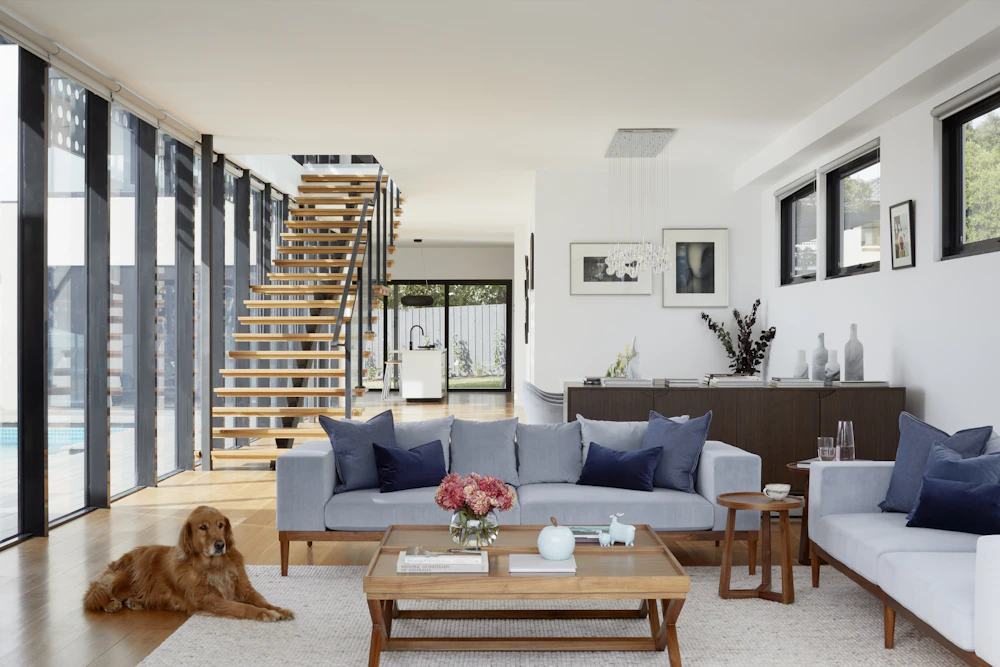
Reduce cost without reducing the home’s fundamentals
Refinish or reupholster pieces that still fit the new plan.
Standardized systems can reduce unnecessary custom manufacturing.
Reduce elaborate wall treatments, ceilings and decorative layers.
Select durable, easy-maintenance materials instead of paying only for appearance.
Complete essential areas first and add optional upgrades later.
Plan before you spend
Budget carefully across a 2 BHK, 3 BHK or 4 BHK remodel
The same principle applies whether you are updating one room or completing a full home interior. Plan the functional foundation first—layout, kitchen, storage, electrical, plumbing and durable finishes—then allocate the remaining budget to aesthetics and optional upgrades.
Prioritize high-use spaces
Kitchen, living room, wardrobes and essential lighting can form the core scope before secondary decorative upgrades.
Coordinate the whole palette
Use a consistent material strategy across rooms to reduce unnecessary one-off finishes and customization.
Phase where practical
A larger home can be divided into logical execution phases when the project and contractor arrangement allow it.
Use expertise where mistakes are expensive
Interior designers can help with space planning, material selection, measurements, drawings, budgeting and execution coordination. Interior A to Z’s related guidance also emphasizes avoiding incorrect furniture sizes, poor layouts, inadequate storage, wrong materials and rework. citeturn0search2
The right scope of professional involvement depends on the size and complexity of your project. For a simple refresh, you may need less support; for multi-trade renovation or turnkey execution, planning and coordination become more substantial.
Explore Interior Design Services
Save money by removing waste—not by removing safety.
Define the scope, compare complete quotations and spend carefully on the parts of the remodel that are difficult or expensive to correct later.
Discuss Your Interior ProjectQuestions about saving money on remodeling
What should you never do to save money on a remodel?
Do not save money by bypassing required permits, compromising structural work, using unsafe electrical or plumbing practices, skipping waterproofing, or choosing materials that are unsuitable for their application.
Can skipping a building permit save money?
If a permit is required, skipping it can create compliance, safety, penalty and future-sale complications. Check the requirements that apply to your property and project before work begins.
Where can I safely save money during a renovation?
Potential savings can come from simplifying decorative details, reusing suitable furniture, choosing practical finishes, reducing unnecessary customization and completing the work in phases.
Should I choose the cheapest renovation quotation?
Compare the complete scope, materials, hardware, labour, exclusions, timeline and warranty terms rather than selecting a contractor solely on the lowest headline price.
Why is waterproofing a bad place to cut costs?
Poor waterproofing can lead to moisture damage, deterioration and expensive remedial work. The correct system should match the location and site conditions.
How can an interior designer help control remodeling costs?
A designer can help define scope, plan layouts, specify materials, coordinate drawings and reduce rework. The value depends on the project and the agreed scope of professional services.