Which Is Better: PVC or uPVC?
PVC and uPVC are widely used polymer-based materials, but they are not identical. Learn the practical differences in composition, strength, maintenance, moisture resistance, insulation, applications and suitability for modern homes.
Compare PVC & uPVC Explore Interior ServicesPVC and uPVC are related, but they are not the same material.
The term PVC generally refers to polyvinyl chloride, while uPVC means unplasticized polyvinyl chloride. The important difference is that conventional flexible PVC can contain plasticizers, whereas uPVC is formulated without them.
In residential applications, the terms are sometimes used loosely. However, homeowners should look at the exact product specification, profile, reinforcement, thickness, hardware, glazing and installation method before comparing quotations.
For windows and doors, uPVC is commonly selected where rigid profiles, low maintenance and weather resistance are important. PVC-based products can also be useful for selected interior applications where flexibility, water resistance or lightweight construction is required.
Home Material Guide
PVC vs uPVC: side-by-side comparison
The right choice depends on the product and application. The table below provides a practical starting point rather than treating one material as universally better.
| Factor | PVC | uPVC |
|---|---|---|
| Meaning | Polyvinyl chloride, a broad material category. | Unplasticized polyvinyl chloride. |
| Flexibility | Can be formulated in flexible or rigid forms. | Generally rigid because plasticizers are not used. |
| Typical Uses | Pipes, sheets, panels, flooring, cables and selected interior products. | Commonly used for rigid window and door profiles. |
| Moisture Resistance | Generally resistant to moisture, depending on product construction. | Well suited to applications where moisture and weather exposure are concerns. |
| Maintenance | Generally low maintenance when correctly installed. | Generally low maintenance for suitable window and door applications. |
| Rigidity | Depends strongly on formulation and product design. | Rigid and commonly engineered into structural profiles. |
| Insulation | Depends on product design and construction. | Window and door systems can provide useful thermal and acoustic performance when correctly specified and glazed. |
| Best Approach | Select according to the specific product and application. | Particularly relevant for rigid window and door systems. |
What is PVC?
PVC stands for polyvinyl chloride. It is a widely used synthetic polymer available in different formulations and forms. Depending on how it is manufactured, PVC can be relatively flexible or rigid.
Many Applications
PVC is used across construction, plumbing, electrical products, surfaces, panels and various manufactured products.
Useful in Moisture-Prone Areas
Appropriate PVC products can be useful where resistance to water and moisture is an important requirement.
Specification Matters
PVC should not be judged by the material name alone. Thickness, formulation, reinforcement, finish and installation influence performance.
What is uPVC?
uPVC means unplasticized polyvinyl chloride. It is a rigid PVC formulation commonly used in window and door profiles because it can provide a combination of rigidity, low maintenance and resistance to weather-related exposure.
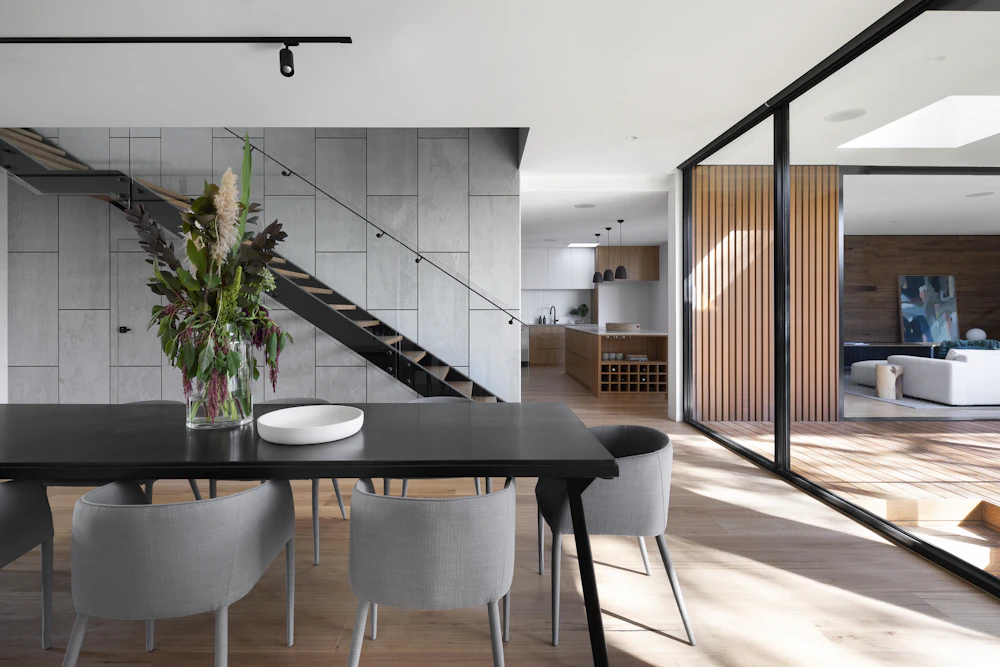


15 things to compare before choosing PVC or uPVC
Composition
The most important distinction is that uPVC is PVC without added plasticizers.
Rigidity
uPVC is generally rigid, making it particularly relevant to rigid profiles and frames.
Flexibility
Some PVC formulations can be made more flexible for applications where rigidity is not required.
Moisture Resistance
Both can be useful in moisture-sensitive applications when the complete product is appropriately designed.
Weather Exposure
For exterior doors and windows, the complete profile and system specification matter more than the label alone.
Thermal Performance
Window performance depends on profile geometry, glazing, seals and installation as well as the frame material.
Acoustic Performance
Sound reduction depends on the complete window or door assembly, particularly glazing and sealing.
Maintenance
Properly specified PVC and uPVC products can require relatively little routine maintenance.
Cleaning
Smooth manufactured surfaces can generally be cleaned using appropriate non-abrasive methods.
Hardware Compatibility
Hinges, locks, handles and other hardware should be compatible with the exact profile system.
Profile Quality
Wall thickness, reinforcement, chambers and profile engineering can significantly affect performance.
Glazing
Glass type, thickness and configuration can materially affect insulation, noise and safety.
Installation
Correct measurement, fixing, sealing and alignment are essential to achieve the intended performance.
Appearance
Colour, surface finish, profile dimensions and hardware influence the final architectural appearance.
Total Cost
Compare the complete installed specification rather than comparing PVC or uPVC by material name alone.

For windows, the complete system matters.
When comparing PVC and uPVC windows, do not evaluate only the frame material. Window performance depends on the profile, reinforcement, glass, seals, hardware, frame dimensions and installation quality.
uPVC window systems are commonly used in residential projects because rigid profiles can support practical window configurations while requiring relatively little routine maintenance.
The best specification depends on the window size, opening type, climate exposure, acoustic requirements, ventilation needs and project budget.
Explore Window TypesWhich material is suitable for different applications?
Windows
uPVC is widely considered for rigid residential window systems. Evaluate the complete profile, glazing, reinforcement, hardware and installation.
Balcony Doors
uPVC systems can be useful where weather resistance, low maintenance and practical operation are important.
Bathroom Applications
Suitable PVC-based products can be useful in selected moisture-prone interior applications, subject to product specification.
Wall Panels
PVC panels can be used for selected decorative and moisture-resistant wall applications.
Interior Doors
Material selection should consider moisture, impact, appearance, hardware and the required construction rather than choosing by label alone.
Furniture Components
PVC-based products may suit selected applications, but structural requirements and complete construction should always be checked.
Do not choose PVC or uPVC by price alone.
A lower material price does not necessarily mean a lower total project cost. Compare the complete specification before making a decision.
- Confirm the exact product and profile specification.
- Check thickness and reinforcement where applicable.
- Compare the glass specification for windows and doors.
- Check seals, gaskets and weather protection.
- Confirm hardware quality and compatibility.
- Review installation and sealing details.
- Ask what warranty is provided and what it covers.
- Compare the complete installed cost.
What should homeowners consider in Delhi NCR?
For Delhi, Gurgaon and Noida homes, material selection should account for heat, dust, outdoor exposure, maintenance, noise, ventilation and the specific requirements of the property.
Heat & Sun Exposure
Consider the orientation of windows, direct sunlight and the complete glazing specification when selecting window systems.
Urban Noise
For busy roads and high-rise homes, evaluate the complete glazing and sealing specification rather than the frame material alone.
Dust & Maintenance
Easy-to-clean surfaces and properly sealed window and door systems can simplify routine home maintenance.
Before ordering PVC or uPVC, ask these questions.
What exactly am I buying?
Ask for the exact product, profile, series, dimensions and specification.
What is inside the profile?
For applicable window systems, clarify reinforcement and construction details.
What glass is included?
Confirm single, double or other glazing configurations and their specifications.
Which hardware is included?
Check handles, hinges, locks, rollers and other operating components.
Who installs it?
Confirm whether measurement, fabrication, delivery, installation and finishing are included.
What is covered by warranty?
Ask for warranty terms covering profiles, hardware, glass and installation where applicable.
Material selection should work with the interior design.
Windows, doors and interior materials influence the visual character of a home. Their colour, profile proportions, handles, glass and surrounding finishes should work with the wider design scheme.
Measure
Confirm opening dimensions and existing conditions.
Specify
Select the appropriate profile and construction.
Choose Glass
Match glazing to light, privacy and performance needs.
Coordinate
Align colours, hardware and surrounding interiors.
Install
Ensure accurate installation, sealing and finishing.
PVC and uPVC solutions for Delhi, Gurgaon and Noida homes.
Interior material selection is part of a wider residential design process. The appropriate specification depends on the property, application, lifestyle and required performance.
Delhi
Material and interior planning for apartments, builder floors, independent homes and residential renovations across Delhi.
Delhi Home Interior Design →Gurgaon / Gurugram
Residential interior solutions for high-rise apartments, builder floors, villas and modern homes.
Gurgaon Interior Design →Noida
Practical material and interior planning for apartments and residential properties across Noida and nearby NCR areas.
Noida Interior Design →More interior material and planning resources.
PVC vs uPVC FAQs
Which is better, PVC or uPVC?
Neither is universally better. uPVC is a rigid PVC formulation and is commonly used for windows and doors, while other PVC formulations are used across a wider range of applications. The correct choice depends on the product, application, specification and required performance.
What is the main difference between PVC and uPVC?
PVC is the broader polyvinyl chloride material family. uPVC means unplasticized polyvinyl chloride, meaning plasticizers are not added to create flexibility. This makes uPVC suitable for many rigid profile applications.
Is uPVC good for windows?
uPVC is commonly used for residential window profiles because rigid profiles can provide low-maintenance and weather-resistant solutions. Actual window performance depends on the profile, reinforcement, glass, seals, hardware and installation.
Is PVC good for home interiors?
Certain PVC products can be useful for selected interior applications such as panels and moisture-sensitive surfaces. The appropriate product should be selected according to the room, exposure, durability requirements and construction.
Which is more durable, PVC or uPVC?
Durability depends on the specific product and application. uPVC is a rigid formulation and is widely used for durable window and door profiles, while PVC products vary considerably depending on their formulation and construction.
Is uPVC maintenance-free?
No material is completely maintenance-free. Properly specified uPVC windows and doors generally require relatively little routine maintenance, but hardware, seals, drainage and moving parts still need appropriate care.
Are uPVC windows suitable for Delhi NCR?
uPVC window systems can be considered for Delhi NCR homes. Selection should account for heat, sunlight, dust, ventilation, noise, glazing requirements, profile quality and installation.
Is PVC cheaper than uPVC?
Cost varies by product, profile, thickness, finish, hardware, glazing and installation. Comparing only the material name can be misleading. The complete installed specification should be compared.
What should I check before buying uPVC windows?
Check the profile specification, reinforcement, glazing, seals, hardware, drainage, installation method, warranty and complete installed price.
Choose the material according to the job it needs to do.
Whether you are planning windows, doors, wardrobes, kitchens or a complete home interior, compare the actual specification, performance requirements and installation details before selecting a material.
Call +91 98910 50117 WhatsApp Consultation