What Are the Main Types of Interior Design?
Interior design includes many styles rather than one fixed list. From modern and contemporary to traditional, minimalist, Scandinavian, industrial, rustic, bohemian, Japandi and luxury interiors, each style creates a different visual language and atmosphere.
There is no universally fixed number of interior design styles. The most commonly discussed styles include Modern, Contemporary, Traditional, Minimalist, Industrial, Scandinavian, Rustic, Bohemian, Transitional, Mid-Century Modern, Japandi and Luxury. New hybrid and emerging styles continue to develop.
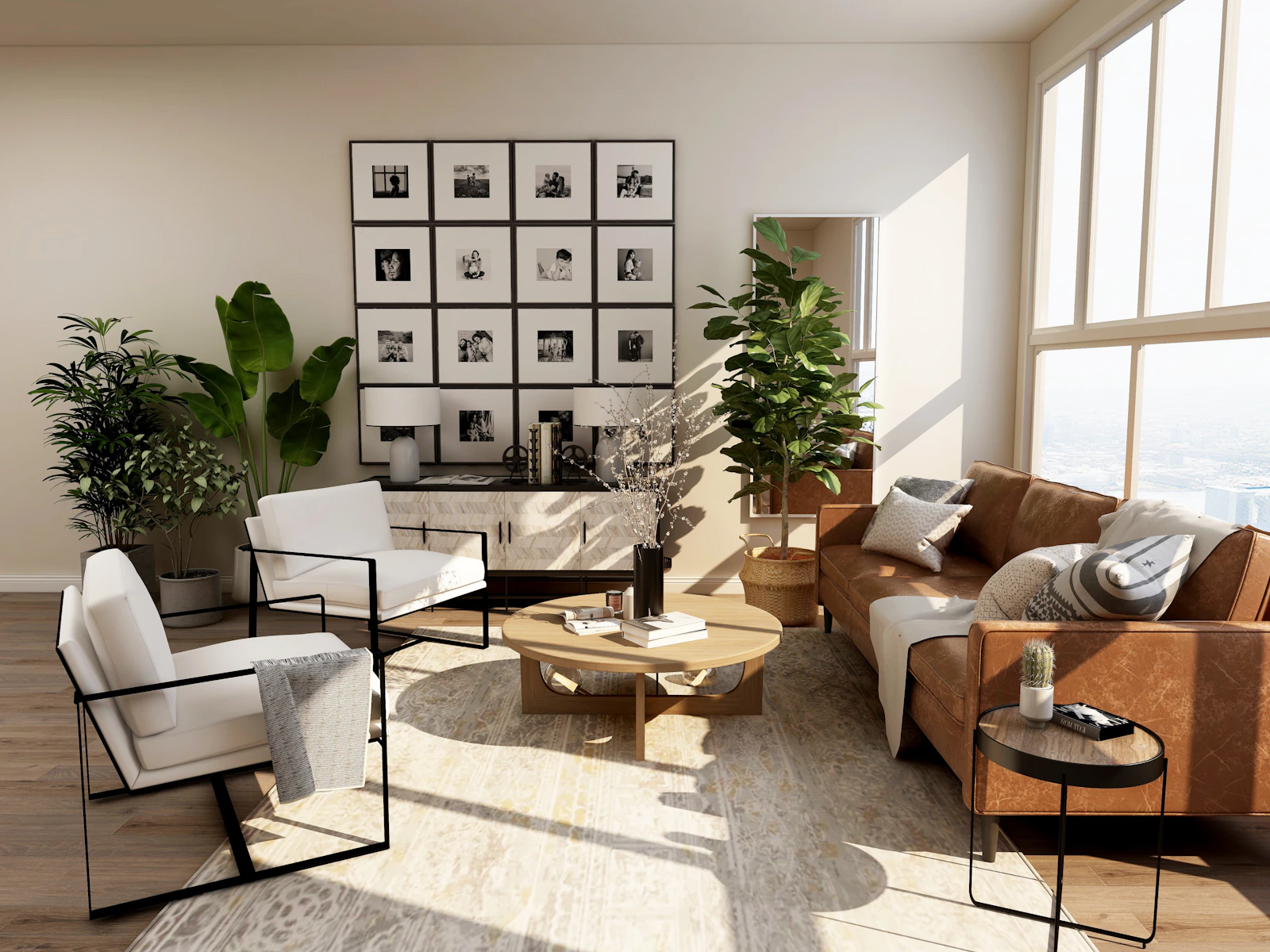
Interior Design Types and Interior Design Styles Are Not Exactly the Same
The phrase “types of interior design” is often used to describe aesthetic styles such as Modern, Traditional or Scandinavian. However, interior design can also be classified by the type of space being designed, such as residential, commercial or institutional.
For most homeowners searching for interior design types, the intended meaning is usually design style. This guide focuses primarily on those styles while also explaining the broader categories.
12 Main Types of Interior Design Styles
These styles cover many of the visual directions used in residential and commercial interiors. They can also be combined to create personalized hybrid interiors.
Modern Interior Design
Modern design is associated with clean lines, functional furniture, restrained decoration and an emphasis on simplicity. Natural materials and neutral colours are commonly used.
Contemporary Interior Design
Contemporary design reflects current tastes and can evolve over time. It often combines clean forms with current materials, lighting, colours, furniture and technology.
Traditional Interior Design
Traditional interiors draw from established decorative traditions. Rich colours, classic furniture, wood details, symmetry and ornamental elements can create a formal and timeless atmosphere.
Minimalist Interior Design
Minimalism focuses on essential elements, clean spaces and controlled visual detail. Furniture, storage and materials are selected carefully rather than used in excess.
Scandinavian Interior Design
Scandinavian interiors emphasize simplicity, functionality, natural materials, light colours and comfortable textures. Natural light and a warm atmosphere are important characteristics.
Industrial Interior Design
Industrial style takes inspiration from warehouses and factories, often exposing or visually referencing materials such as metal, brick, concrete and raw wood.
Rustic Interior Design
Rustic design emphasizes natural textures and a warm, relaxed atmosphere. Wood, stone, earthy colours and handcrafted details are common choices.
Bohemian Interior Design
Bohemian interiors are expressive and layered, combining patterns, textures, colours, plants, artwork and handcrafted or vintage elements.
Mid-Century Modern
Mid-Century Modern design uses clean forms, functional furniture, organic shapes and warm wood tones, with visual references to the mid-20th century.
Japandi Interior Design
Japandi combines Japanese-inspired simplicity with Scandinavian warmth and functionality. Natural materials, muted colours, craftsmanship and negative space are central themes.
Luxury Interior Design
Luxury interiors focus on material quality, craftsmanship, customized details, sophisticated lighting and carefully selected furniture rather than simply adding expensive objects.
Biophilic Interior Design
Biophilic design strengthens the connection between interiors and nature through daylight, plants, natural materials, ventilation, organic forms and nature-inspired colours.
Modern vs Contemporary Interior Design
These two terms are frequently used interchangeably, but they have different meanings. Modern design refers to a specific historical design movement, while contemporary design describes what is current and can change over time.
- Modern: rooted in a defined design movement.
- Contemporary: reflects current design thinking.
- Modern interiors often favour clean, functional forms.
- Contemporary interiors can change as trends evolve.
- Both can use neutral palettes and uncluttered layouts.
- Both can be adapted to Indian apartments and larger homes.
Three Broad Types of Interior Spaces
If “types” refers to the purpose of the space rather than its visual style, interior design can also be broadly understood through these three categories.
Residential Interior Design
Residential design covers homes such as apartments, independent houses, villas and other living environments. Comfort, storage, lifestyle and personalization are central requirements.
Commercial Interior Design
Commercial interiors include offices, retail spaces, restaurants, showrooms and other business environments. Branding, customer experience, productivity and operational requirements are important.
Institutional Interior Design
Institutional spaces can include education, healthcare and public facilities. Their design may involve specialized functional, accessibility, safety and operational requirements.
Popular Interior Design Styles for Indian Homes
Indian homes often combine international design styles with local materials, craftsmanship, cultural details and practical requirements. Hybrid interiors can be especially useful when homeowners want both contemporary functionality and traditional character.
Modern Minimalist
Clean lines, neutral colours and efficient storage can work well in compact urban apartments.
Indo-Contemporary
Combines contemporary furniture and layouts with Indian textiles, artwork, craft details and cultural elements.
Modern Luxury
Uses sophisticated materials, layered lighting, customized furniture and controlled decorative detailing.
Traditional Indian
Can incorporate wood craftsmanship, traditional patterns, artwork, textiles and regionally inspired decorative elements.
Scandinavian
Light colours, natural wood and simple furniture can create a visually open feeling in urban homes.
Fusion / Eclectic
Combines elements from different styles while maintaining a deliberate palette, material language and visual balance.
Interior Design Styles at a Glance
| Style | Visual Character | Common Materials | Often Suitable For |
|---|---|---|---|
| Modern | Clean, structured and functional | Wood, glass, metal, stone | Urban homes and apartments |
| Contemporary | Current, flexible and refined | Glass, metal, wood, mixed finishes | Modern homes and offices |
| Traditional | Classic, detailed and warm | Wood, textiles, brass, stone | Large homes and heritage-inspired interiors |
| Minimalist | Simple, calm and uncluttered | Wood, laminate, glass, neutral finishes | Compact apartments and modern homes |
| Scandinavian | Bright, warm and functional | Light wood, wool, linen, soft finishes | Urban apartments and small homes |
| Industrial | Raw, urban and utilitarian | Metal, brick, concrete, raw wood | Lofts, studios and commercial spaces |
| Bohemian | Layered, colourful and expressive | Textiles, wood, plants, artwork | Personalized residential spaces |
| Japandi | Calm, natural and restrained | Natural wood, stone, linen, muted finishes | Contemporary homes and calm interiors |
How to Choose the Right Interior Design Style
Start With Your Lifestyle
Think about how you actually use your home. A family with children may have different practical needs from a couple or someone living alone.
Consider the Architecture
The size, ceiling height, windows, flooring and existing architectural character can influence which styles work naturally.
Define Your Palette
Decide whether you prefer neutral, warm, earthy, colourful or dramatic colours before selecting large furniture and finishes.
Think About Maintenance
Consider cleaning, durability, children, pets, daily use and long-term maintenance when selecting materials and furniture.
Set a Realistic Budget
The style should work within your budget. A premium appearance does not require every element to use the most expensive material.
Mix Carefully
You do not have to follow one style rigidly. Combine styles through a consistent colour palette, materials, proportions and repeated design details.
How Interior Styles Change From Room to Room
Explore More Interior Design Styles
Interior Design Styles in India
Explore traditional Indian, minimalist, Scandinavian, fusion and other styles used across Indian homes.
Choose the Right Interior Style
Learn how lifestyle, functionality, architecture and personal preference influence style selection.
Modern Interior Design Styles
Explore minimalist modern, Scandinavian, industrial, Japandi, contemporary and other modern approaches.
Interior Design Trends
Explore emerging aesthetics including biophilic design, Japandi, Scandinavian and other evolving approaches.
What Are the Main Types of Interior Design?
What are the main types of interior design?
There is no single fixed number of interior design styles. Common styles include modern, contemporary, traditional, minimalist, industrial, Scandinavian, rustic, bohemian, transitional, mid-century modern, Japandi and luxury design.
What is the difference between modern and contemporary interior design?
Modern design generally refers to a design movement associated with the early and mid-20th century, while contemporary design describes what is current and can change as trends and preferences evolve.
Which interior design style is best for a small home?
Styles that emphasize simple layouts, light colours, functional furniture and reduced visual clutter can work well in smaller homes. Minimalist and Scandinavian approaches are examples, but the best choice depends on the home’s layout and occupants’ needs.
Which interior design styles are popular in India?
Indian homes use many styles, including modern, contemporary, traditional Indian, minimalist, Scandinavian, luxury, rustic, bohemian and Indo-contemporary or fusion approaches.
Can different interior design styles be mixed?
Yes. Transitional and eclectic approaches deliberately combine elements from different styles. A successful mix normally uses a consistent colour palette, material language, proportions or repeated details to maintain visual cohesion.
How do I choose an interior design style?
Consider your lifestyle, room size, architecture, maintenance requirements, preferred colours and materials, budget and the atmosphere you want to create. Then select a style or combination that supports those requirements.
Create a Style That Fits Your Home
The best interior is not necessarily the one that follows the latest trend. A successful style should work with your architecture, lifestyle, storage requirements, maintenance needs and budget while still reflecting your personality.