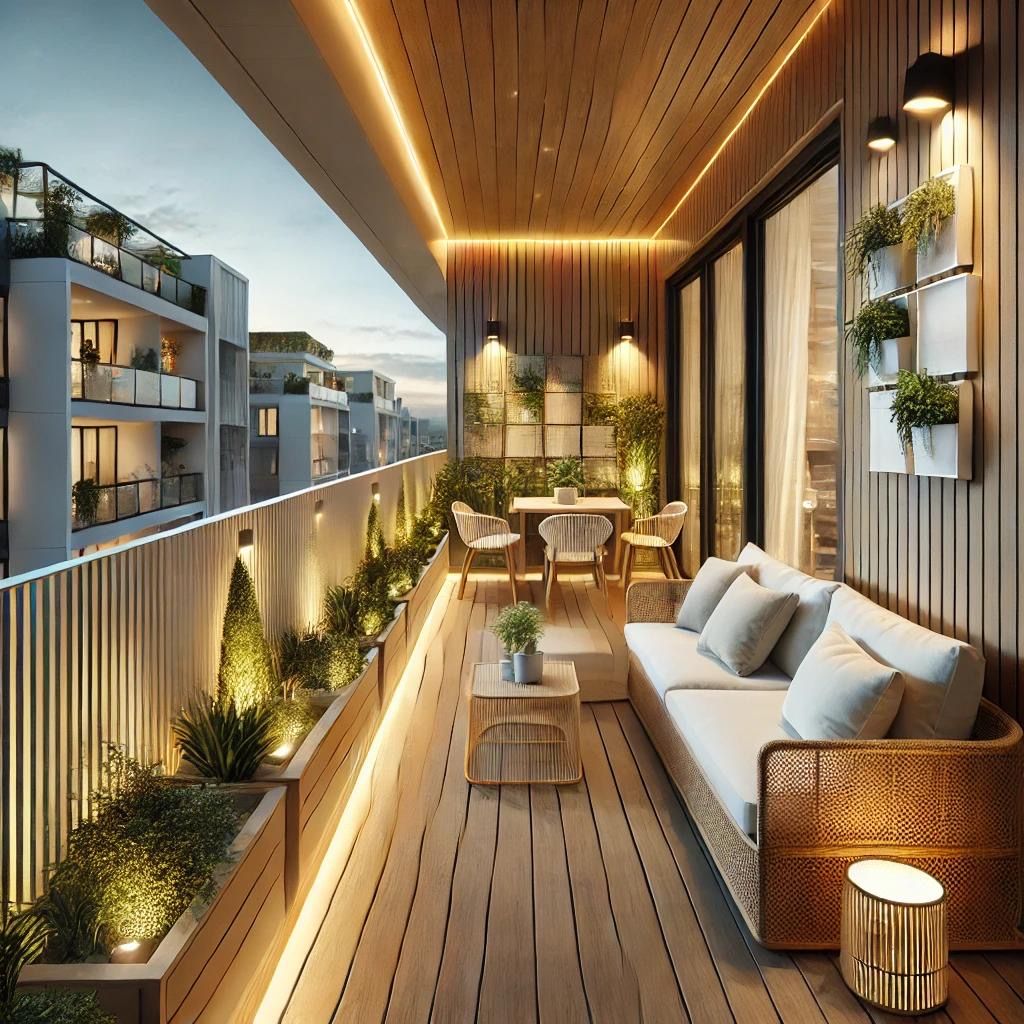
Color is more than just a visual element; it profoundly influences emotions, perceptions, and behaviors. Understanding color theory in design can be a game changer for creating spaces that resonate with your personal style and enhance functionality. In this comprehensive guide, we’ll delve into the fundamentals of color theory, its application in design, and answer common questions to help you harness the power of color in your home or workspace.
What is Color Theory?
- Definition: Color theory is the study of how colors interact with one another and how they can be combined to create appealing aesthetics. It encompasses the principles of color harmony, color temperature, and the psychological effects of colors.
- Importance: A strong grasp of color theory can significantly improve your design projects, allowing for cohesive and impactful visual communication.
The Color Wheel: A Foundation for Design
- Primary Colors: Red, blue, and yellow are the building blocks of all other colors.
- Secondary Colors: Created by mixing primary colors, they include green (blue + yellow), orange (red + yellow), and purple (red + blue).
- Tertiary Colors: These are formed by mixing a primary color with a secondary color, resulting in hues like red-orange and yellow-green.
Color Harmonies
Understanding color harmonies is essential for creating balanced and aesthetically pleasing designs. Here are some popular color schemes:
- Monochromatic:
- Definition: Uses variations in lightness and saturation of a single color.
- Effect: Creates a cohesive and soothing atmosphere.
- Example: Light blue, medium blue, and navy blue.
- Analogous:
- Definition: Combines colors that are next to each other on the color wheel.
- Effect: Creates serene and comfortable designs.
- Example: Blue, blue-green, and green.
- Complementary:
- Definition: Uses colors that are opposite each other on the color wheel.
- Effect: Creates high contrast and vibrant designs.
- Example: Red and green.
- Triadic:
- Definition: Involves three colors that are evenly spaced on the color wheel.
- Effect: Offers vibrant contrast while maintaining harmony.
- Example: Red, yellow, and blue.
- Tetradic:
- Definition: Uses two complementary color pairs.
- Effect: Creates rich, diverse color schemes.
- Example: Blue and orange, red and green.
Psychological Effects of Colors
Colors evoke emotions and influence perceptions. Here’s how different colors are commonly perceived:
- Red: Passion, energy, and urgency. Often used in kitchens and dining areas to stimulate appetite.
- Blue: Calmness, trust, and professionalism. Ideal for bedrooms and offices to create a serene environment.
- Yellow: Happiness, warmth, and creativity. Perfect for playrooms and kitchens to invoke a cheerful atmosphere.
- Green: Nature, tranquility, and balance. Excellent for living rooms and spaces where relaxation is key.
- Purple: Luxury, wisdom, and creativity. Suitable for spaces meant for inspiration or elegance, such as studies and art rooms.
- Black: Sophistication, mystery, and elegance. Can add drama when used as an accent color.
- White: Purity, simplicity, and spaciousness. Works well in small spaces to create an illusion of roominess.
Color Temperature in Design
Understanding the concept of color temperature can help you create the desired mood in your space.
- Warm Colors: Colors like red, orange, and yellow evoke warmth and coziness. They are perfect for social spaces like living rooms and dining areas.
- Cool Colors: Colors such as blue, green, and purple promote relaxation and calmness. Ideal for bedrooms and areas meant for unwinding.
Applying Color Theory in Design
- Choosing a Color Palette:
- Start by selecting a dominant color that aligns with the room’s purpose.
- Incorporate complementary or analogous colors for balance and interest.
- Consider the Space’s Function:
- Use colors that enhance the function of each room. For example, use calming colors in bedrooms and vibrant colors in playrooms.
- Create a Focal Point:
- Use bold colors to highlight specific areas or features in a room, such as an accent wall or a piece of artwork.
- Experiment with Textures:
- Combine colors with different textures to add depth and interest to your design.
- Utilize Color in Accessories:
- Incorporate color through accessories like cushions, rugs, and artwork to make changes without committing to paint or major renovations.
FAQs About Color Theory in Design
- How can I choose the right color for my room?
- Consider the room’s purpose, the emotions you want to evoke, and how the color will interact with natural light.
- Can I mix warm and cool colors?
- Yes! Combining warm and cool colors can create a dynamic and balanced space if done thoughtfully.
- What if I don’t like bold colors?
- Opt for neutral colors as your base and add pops of color through accessories or accent walls.
- How often should I change my color scheme?
- There’s no fixed rule, but refreshing your colors every few years can keep your space feeling current.
- Is color theory universal?
- While the principles of color theory are largely consistent, cultural differences can influence color perception.
Conclusion
Color theory is a powerful tool in the realm of design, capable of transforming spaces and influencing emotions. By understanding the principles of color, you can create harmonious and inviting environments tailored to your personal style and functional needs. Whether you’re redecorating a single room or embarking on a larger renovation project, the strategic use of color can significantly enhance your space.
For more inspiration and expert advice on color theory and interior design, visit Modular Kitchen Design, Interior A to Z, Interior A to Z India, and Interior Designer NCR. These resources will provide you with invaluable insights to elevate your design projects.
Internal Links for Further Exploration
- Discover more about kitchen design at Modular Kitchen Design.
- Explore color palettes and room styling ideas at Interior A to Z.
- Learn about innovative interior solutions with Interior A to Z India.
- Find top interior designers for your projects at Interior Designer NCR.
By mastering color theory, you can create spaces that are not only visually stunning but also perfectly aligned with your lifestyle and preferences. Embrace the power of color in your next design project and watch your spaces come to life!