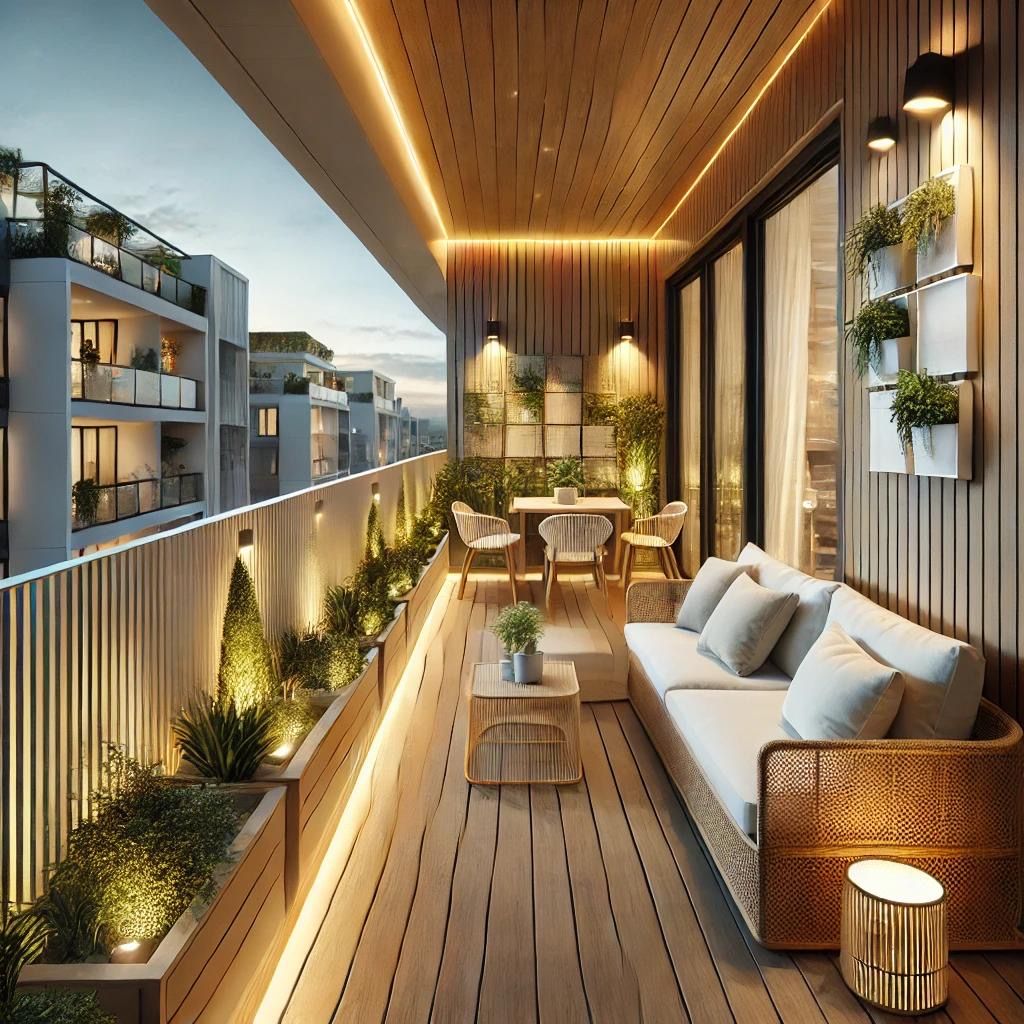
Furniture arrangement is a crucial aspect of interior design that significantly influences the overall look and feel of a room. Properly arranged furniture not only enhances the aesthetic appeal of a space but also improves its functionality and flow. In this comprehensive guide, we’ll explore the principles of furniture arrangement, provide practical tips for various rooms, and answer common questions to help you transform your living environment.
Understanding Furniture Arrangement
- Definition: Furniture arrangement refers to the placement of furniture pieces within a space to optimize both function and aesthetics. This includes considerations of space, flow, and the purpose of each room.
- Importance: Thoughtful furniture arrangement can make a room feel more inviting and spacious while ensuring that it meets the practical needs of its occupants.
Principles of Effective Furniture Arrangement
- Identify the Room’s Purpose:
- Define how the space will be used. This will guide your decisions on furniture types and layouts.
- Consider Traffic Flow:
- Ensure that pathways are clear and unobstructed. Aim for at least 2 to 3 feet of walking space between furniture pieces.
- Create Focal Points:
- Establish a central focus in the room, such as a fireplace, television, or artwork. Arrange furniture to highlight this focal point.
- Balance the Space:
- Distribute furniture evenly throughout the room to create visual balance. Consider both visual weight (color and texture) and physical weight (size and bulk).
- Utilize Scale and Proportion:
- Select furniture that fits the size of the room. Large pieces can overwhelm a small space, while tiny furniture can make a large room feel empty.
- Incorporate Functionality:
- Choose furniture that serves multiple purposes, especially in smaller spaces. For example, use ottomans for both seating and storage.
- Consider Accessibility:
- Ensure that all furniture is easily accessible and that necessary items are within reach.
Furniture Arrangement Tips for Different Rooms
Living Room
- Layout Options:
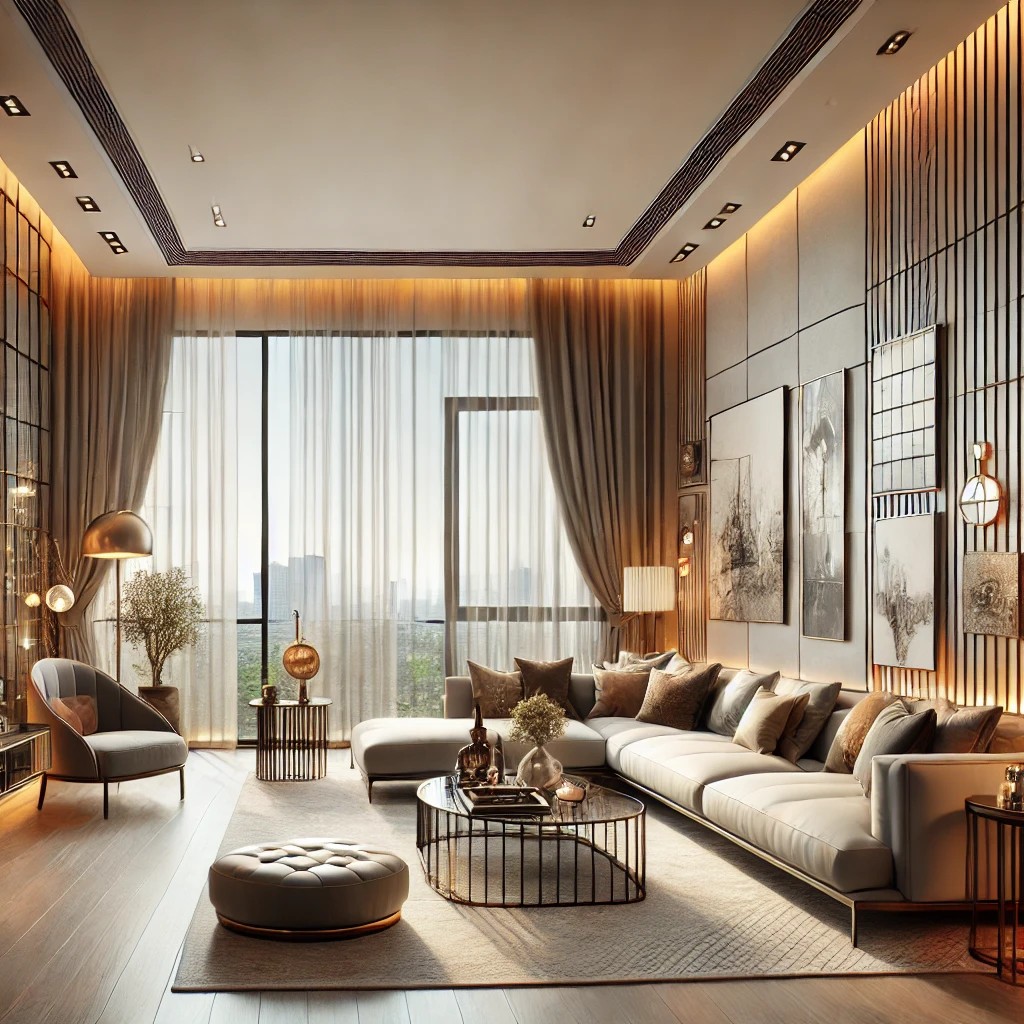
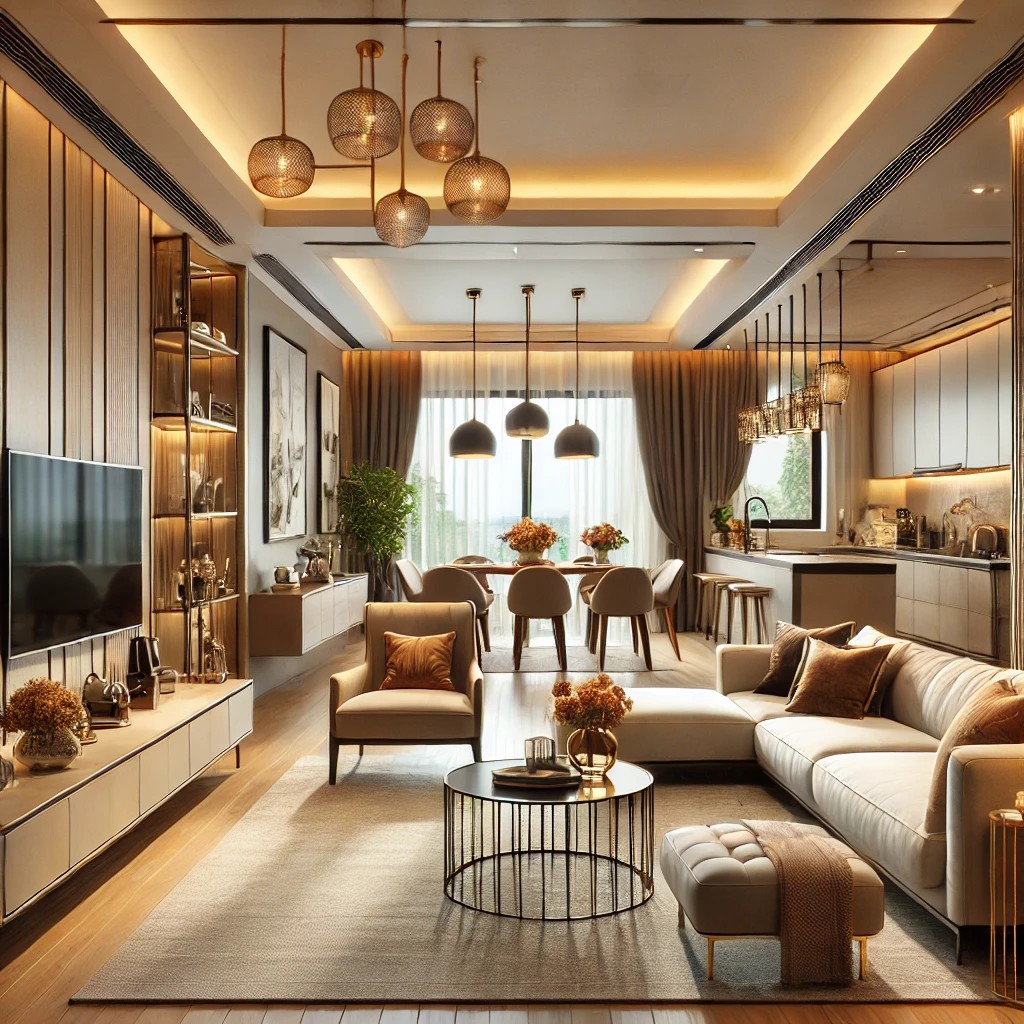
- Consider a conversation area with sofas and chairs facing each other.
- Use a coffee table to anchor the space and define the seating arrangement.
- Use Area Rugs:
- Define the seating area with a large area rug that fits under all main furniture pieces.
Dining Room
- Table Placement:
- Center the dining table in the room and allow at least 36 inches of space around it for easy movement.
- Buffet and Sideboards:
- Position buffet tables or sideboards against walls to maximize space and keep the dining area open.
Bedroom
- Bed Placement:
- Position the bed as the focal point, ideally against the longest wall.
- Nightstands:
- Use matching nightstands for balance and convenience on either side of the bed.
Home Office
- Desk Location:
- Place the desk near a window for natural light and inspiration.
- Storage Solutions:
- Use shelves and cabinets to keep the workspace organized and decluttered.
Practical Tips for Furniture Arrangement
- Sketch Your Layout:
- Before moving heavy furniture, sketch your desired layout on paper or use online room design tools to visualize the space.
- Experiment with Angles:
- Don’t be afraid to angle furniture slightly. This can create a more dynamic look and can help in breaking up rigid lines.
- Use Multi-functional Pieces:
- Opt for furniture that serves multiple purposes, like a sofa bed for guests or storage ottomans for added organization.
- Consider Lighting:
- Ensure that lamps and overhead lights are strategically placed to provide ample lighting for each area.
- Stay Flexible:
- Be open to rearranging your furniture periodically to keep your space fresh and accommodating to new needs.
FAQs About Furniture Arrangement
- How do I choose the right furniture size for my space?
- Measure your room and select furniture that fits comfortably, leaving enough space for movement.
- Can I mix different styles of furniture?
- Yes! Mixing styles can add character to a space. Just ensure that there’s a unifying element, like color or texture, to tie it all together.
- What if I have an awkwardly shaped room?
- Use flexible furniture arrangements and consider custom pieces to make the most of challenging layouts.
- How often should I rearrange my furniture?
- There’s no set timeline, but consider rearranging when your needs change or if you feel your space needs a refresh.
- What’s the best way to create a cozy atmosphere?
- Use soft textures, warm colors, and well-placed lighting to create an inviting and cozy environment.
Conclusion
Mastering the art of furniture arrangement is essential for creating functional and aesthetically pleasing spaces. By understanding the principles of effective furniture placement, considering the purpose of each room, and being open to experimentation, you can transform your home into a haven that reflects your style and meets your needs.
For more insights and professional assistance with your furniture arrangement and interior design, visit Modular Kitchen Design, Interior A to Z, Interior A to Z India, and Interior Designer NCR. These resources offer valuable information and expert guidance to enhance your design projects.
Internal Links for Further Exploration
- For kitchen arrangement tips, check out Modular Kitchen Design.
- Explore innovative living room arrangements at Interior A to Z.
- Discover more about bedroom designs with Interior A to Z India.
- Find professional interior designers for your projects at Interior Designer NCR.
By applying these principles of furniture arrangement, you can create stunning spaces that not only look good but also feel great to live in. Embrace the possibilities of your home and enjoy the process of making it truly your own!