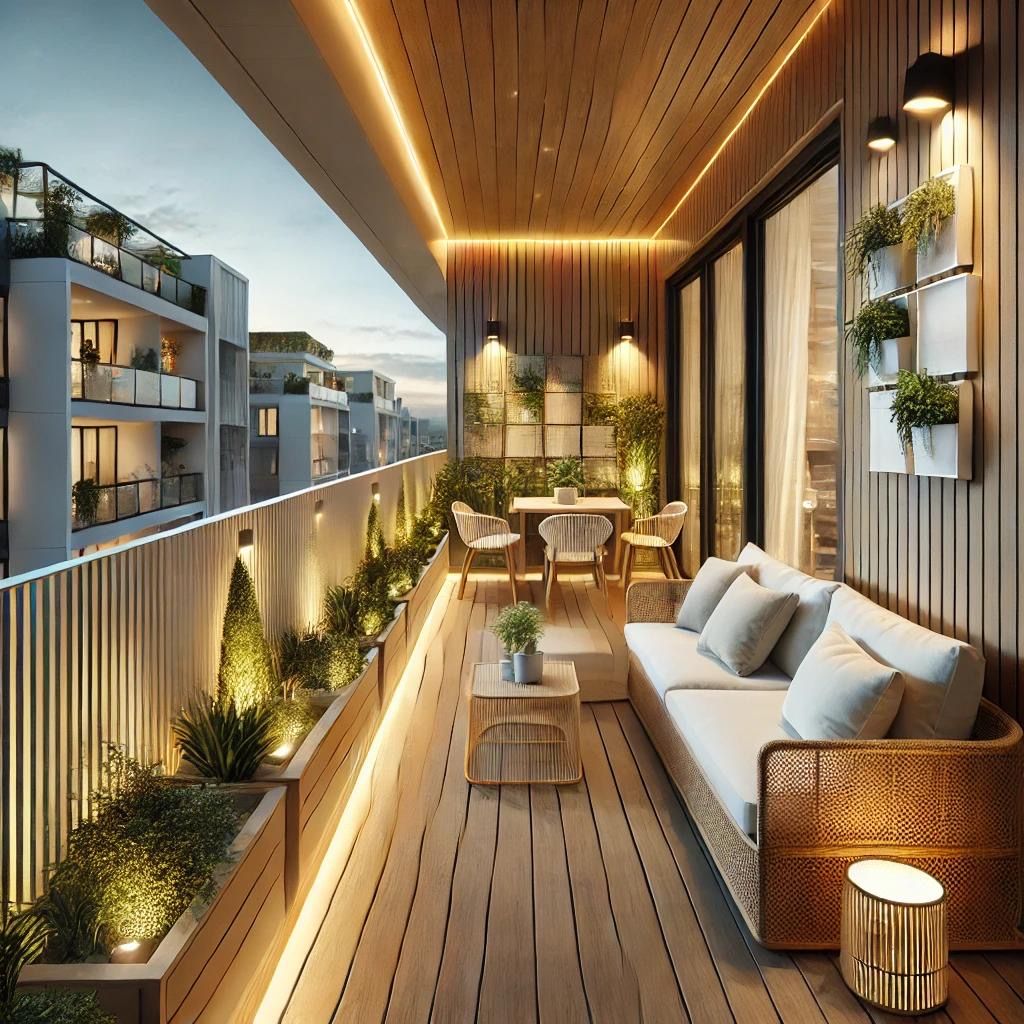
Sustainable interior design is more than just a trend; it’s a lifestyle choice that promotes eco-friendly practices while enhancing the aesthetic and functionality of your home. As more people become aware of the environmental impact of their choices, sustainable design has gained traction. This blog will explore various aspects of sustainable interior design, including its benefits, key principles, and practical tips to implement in your home.
Understanding Sustainable Interior Design
Sustainable interior design focuses on creating spaces that are environmentally friendly, socially responsible, and economically viable. It involves the careful selection of materials, products, and design strategies that minimize negative impacts on the environment while enhancing the well-being of the occupants.
Key Principles of Sustainable Interior Design
- Use of Eco-Friendly Materials: Choose materials that are renewable, recyclable, or sustainably sourced. Examples include bamboo, reclaimed wood, and recycled metal.
- Energy Efficiency: Incorporate energy-efficient lighting, appliances, and heating/cooling systems to reduce energy consumption and lower utility bills.
- Indoor Air Quality: Select low-VOC (volatile organic compound) paints, finishes, and furnishings to improve indoor air quality and reduce health risks.
- Water Conservation: Implement water-efficient fixtures and appliances to minimize water usage and promote sustainability.
- Natural Lighting: Maximize natural light through window placement and the use of light-colored materials to reduce the need for artificial lighting.
Benefits of Sustainable Interior Design
- Environmental Impact: Sustainable design reduces waste, conserves resources, and minimizes pollution, contributing to a healthier planet.
- Health and Well-being: Eco-friendly materials and improved indoor air quality promote a healthier living environment for you and your family.
- Cost Savings: Energy-efficient designs and materials often result in lower utility bills and long-term savings.
- Increased Property Value: Homes designed with sustainability in mind tend to have higher resale values, appealing to environmentally conscious buyers.
Practical Tips for Implementing Sustainable Interior Design
- Choose Energy-Efficient Appliances: Opt for Energy Star-rated appliances that consume less energy and water.
- Incorporate Smart Home Technology: Use smart thermostats, lighting, and home automation systems to optimize energy usage.
- Select Sustainable Flooring: Consider eco-friendly flooring options such as cork, bamboo, or reclaimed wood that are durable and sustainable.
- Use Recycled Materials: Incorporate furniture and decor made from recycled materials, which can add character and reduce waste.
- Create a Green Space: Incorporate indoor plants that improve air quality and enhance the aesthetic of your space. Plants like snake plants and pothos are excellent options.
Frequently Asked Questions (FAQ)
1. What is sustainable interior design?
Sustainable interior design focuses on creating environmentally friendly spaces that minimize negative impacts on the planet while enhancing the well-being of occupants.
2. How can I make my home more sustainable?
You can make your home more sustainable by choosing eco-friendly materials, incorporating energy-efficient appliances, improving indoor air quality, and implementing water conservation measures.
3. Are there specific certifications for sustainable interior design?
Yes, there are several certifications, including LEED (Leadership in Energy and Environmental Design), BREEAM (Building Research Establishment Environmental Assessment Method), and Green Globes.
4. How does sustainable design impact indoor air quality?
Sustainable design often involves the use of low-VOC materials and finishes, which help improve indoor air quality by reducing harmful emissions.
5. Is sustainable interior design more expensive?
While some eco-friendly materials may have a higher upfront cost, the long-term savings from reduced energy and water bills can make sustainable design more economical over time.
Conclusion
Embracing sustainable interior design is a step towards creating a healthier, more environmentally friendly home. By understanding the key principles and benefits of sustainable practices, you can make informed choices that not only enhance your living space but also contribute to a better future for our planet. Whether you are renovating or starting fresh, consider incorporating sustainable design elements to transform your space into an eco-friendly oasis.
For more inspiration and guidance on sustainable interior design, explore resources from Modular Kitchen Design, Interior AtoZ, and Interior Designer NCR. Together, we can create beautiful spaces that are as good for the environment as they are for our well-being.