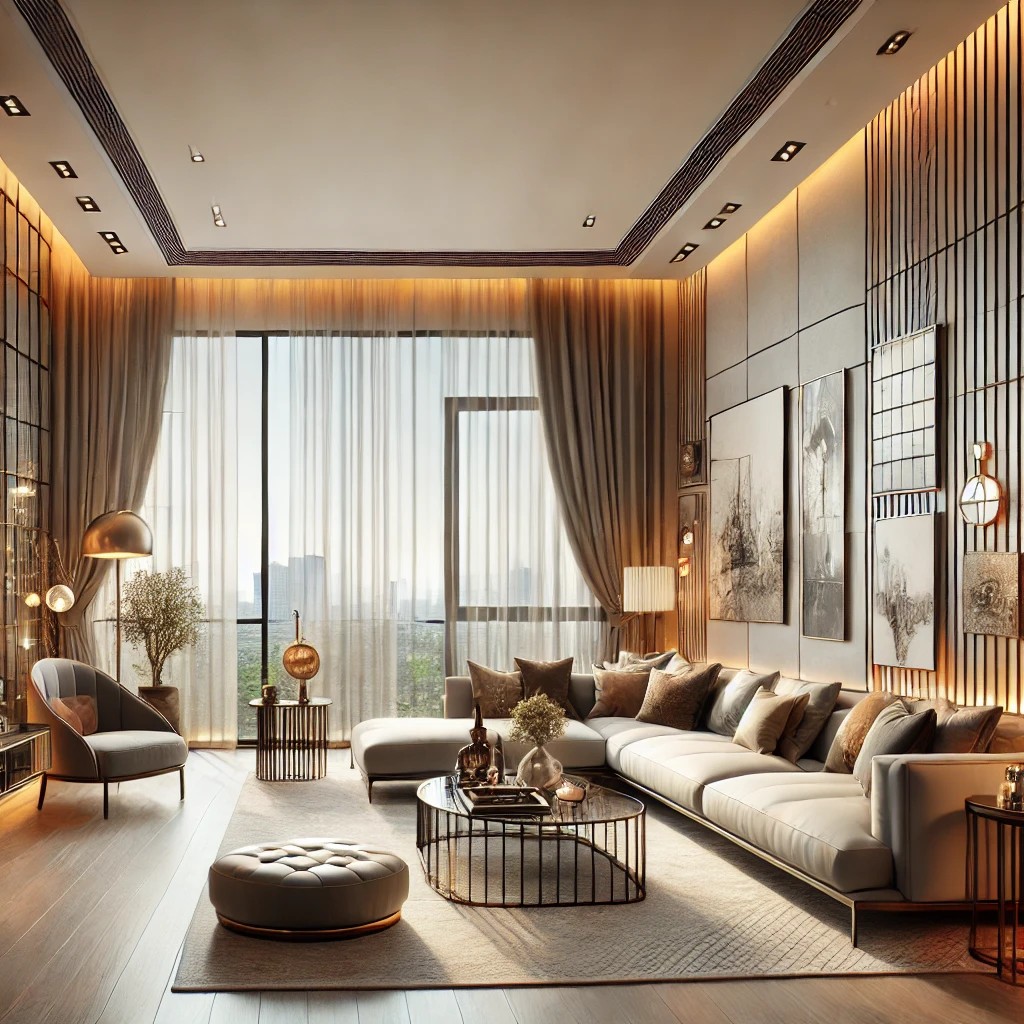
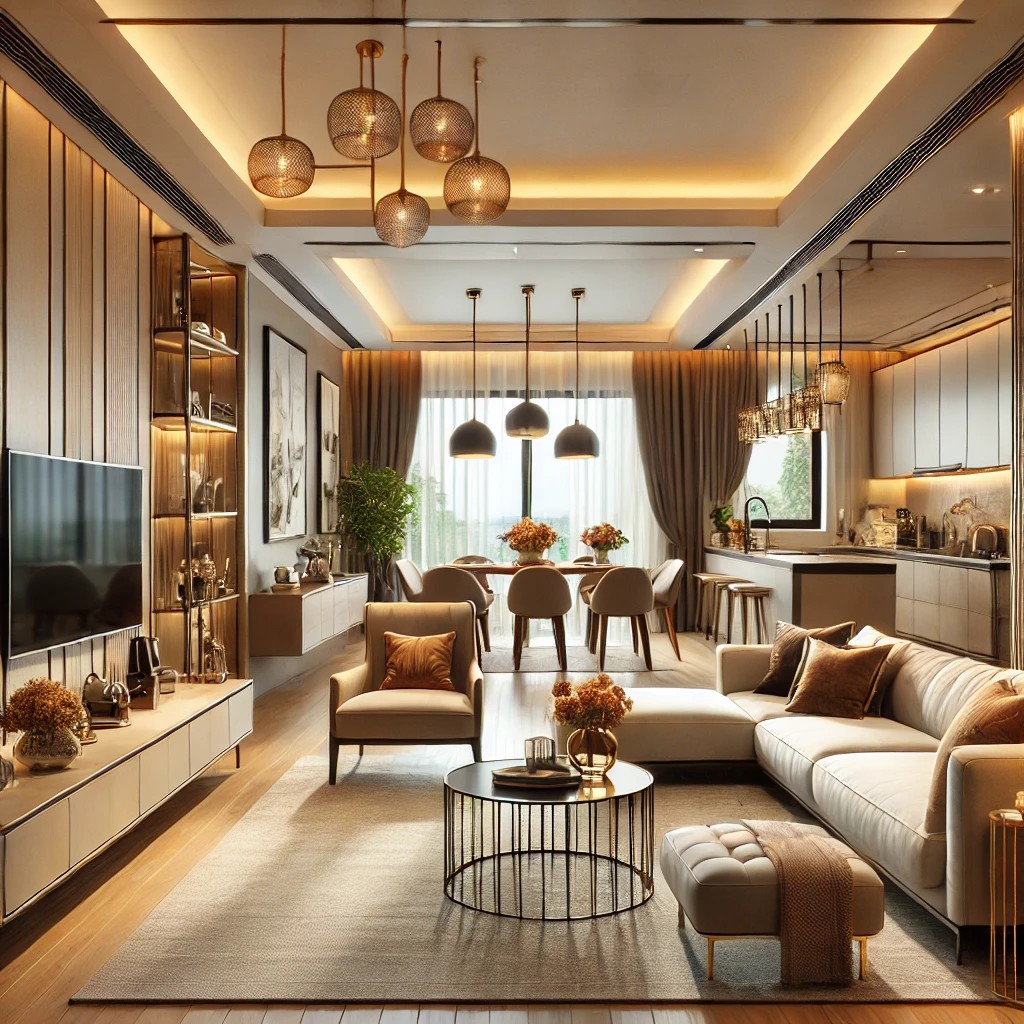
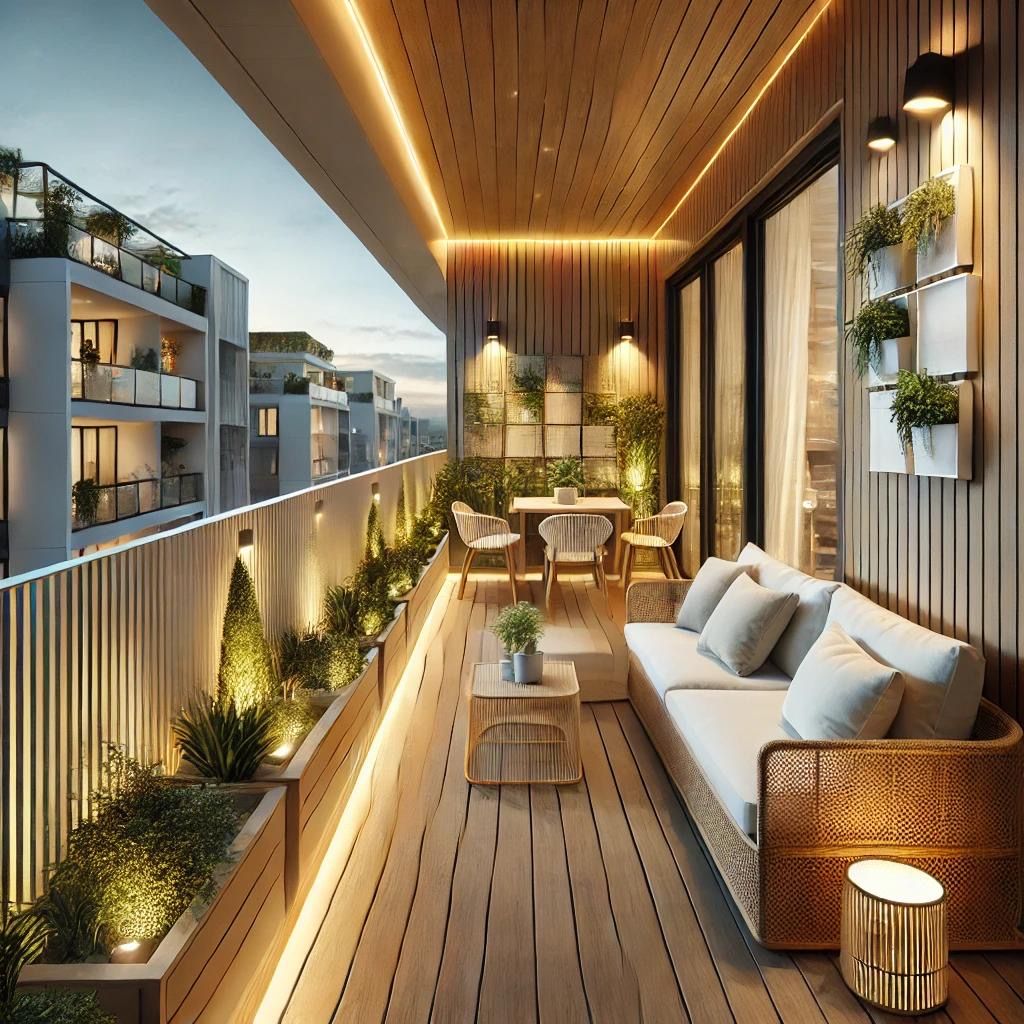
Modern interior design is all about embracing simplicity, functionality, and aesthetics. With its clean lines, neutral color palettes, and a focus on open spaces, modern design creates an inviting atmosphere that can transform any home. In this comprehensive guide, we’ll explore the principles of modern interior design, its benefits, and practical tips for creating a stylish and functional space.
What is Modern Interior Design?
Modern interior design refers to a design style that emerged in the late 19th and early 20th centuries, characterized by minimalism, a focus on function, and the use of modern materials and technologies. This design philosophy emphasizes open spaces, natural light, and a seamless flow between rooms, creating an environment that feels both spacious and inviting.
Key Principles of Modern Interior Design
- Simplicity and Functionality: Modern design favors clean lines and simple forms. Every piece of furniture should serve a purpose while contributing to the overall aesthetic.
- Neutral Color Palette: The modern aesthetic often uses neutral colors such as whites, grays, and beiges. These hues create a calm backdrop that can be accented with bold colors through accessories and art.
- Open Spaces: Modern interiors often feature open floor plans that promote connectivity and allow natural light to flow throughout the space.
- Natural Materials: Materials such as wood, stone, and metal are commonly used in modern design, often left in their natural state to highlight their beauty.
- Incorporation of Technology: Modern design embraces technology, incorporating smart home features and energy-efficient appliances that enhance comfort and functionality.
Benefits of Modern Interior Design
- Timelessness: The simplicity and clean lines of modern design create a timeless aesthetic that doesn’t go out of style.
- Enhanced Functionality: With a focus on function, modern design ensures that spaces are not only beautiful but also practical for everyday living.
- Increased Natural Light: Open floor plans and large windows maximize natural light, creating a bright and airy environment that boosts mood and well-being.
- Flexibility: Modern design allows for versatility, making it easy to change decor and accessories without a complete overhaul of the space.
Practical Tips for Implementing Modern Interior Design
- Choose a Neutral Base: Start with a neutral color palette for walls and large furniture. This creates a calming backdrop for the rest of your decor.
- Invest in Quality Furniture: Select furniture pieces that are not only stylish but also functional. Look for pieces with clean lines and simple silhouettes.
- Maximize Natural Light: Use sheer curtains or no window treatments at all to let in as much natural light as possible. Mirrors can also help reflect light and create an illusion of more space.
- Incorporate Greenery: Add indoor plants to bring life to your modern space. Plants like succulents or fiddle leaf figs can add a touch of nature while maintaining a clean aesthetic.
- Utilize Open Shelving: Open shelving in kitchens or living areas can create an open feel while allowing you to display decorative items and books.
Popular Trends in Modern Interior Design
- Minimalist Decor: Less is more in modern design, leading to a focus on minimalism that avoids clutter and emphasizes quality over quantity.
- Biophilic Design: This trend incorporates elements of nature into interior spaces, enhancing the connection between the indoors and outdoors through natural materials and greenery.
- Multifunctional Spaces: As homes evolve, modern design increasingly accommodates multifunctional spaces that serve various purposes, particularly in smaller living areas.
- Sustainable Choices: More homeowners are opting for sustainable materials and eco-friendly designs, aligning with a broader trend toward environmental consciousness.
Frequently Asked Questions (FAQ)
1. What defines modern interior design?
Modern interior design is characterized by simplicity, functionality, neutral color palettes, and an emphasis on open spaces and natural materials.
2. How can I make my home more modern?
To modernize your home, focus on decluttering, choosing a neutral color scheme, selecting quality furniture with clean lines, and maximizing natural light.
3. What are some popular colors in modern interior design?
Neutral colors such as whites, grays, and beiges are popular in modern design, often accented by bold colors in decor and artwork.
4. How does modern design differ from contemporary design?
While modern design refers to a specific period (early to mid-20th century), contemporary design reflects current trends and styles, which can include a mix of different aesthetics.
5. Can modern interior design work in small spaces?
Yes, modern design is highly adaptable and can work well in small spaces by utilizing multifunctional furniture, open shelving, and maximizing natural light.
Conclusion
Modern interior design offers a perfect blend of aesthetics and functionality, creating spaces that are both beautiful and livable. By embracing the principles of modern design and implementing practical tips, you can transform your home into a stylish sanctuary. Whether you’re starting from scratch or looking to update your current space, modern interior design can enhance your lifestyle while reflecting your unique taste.
For more insights and inspiration on modern interior design, visit Modular Kitchen Design, Interior AtoZ, and Interior Designer NCR. Explore how modern design can elevate your living space and improve your overall quality of life.