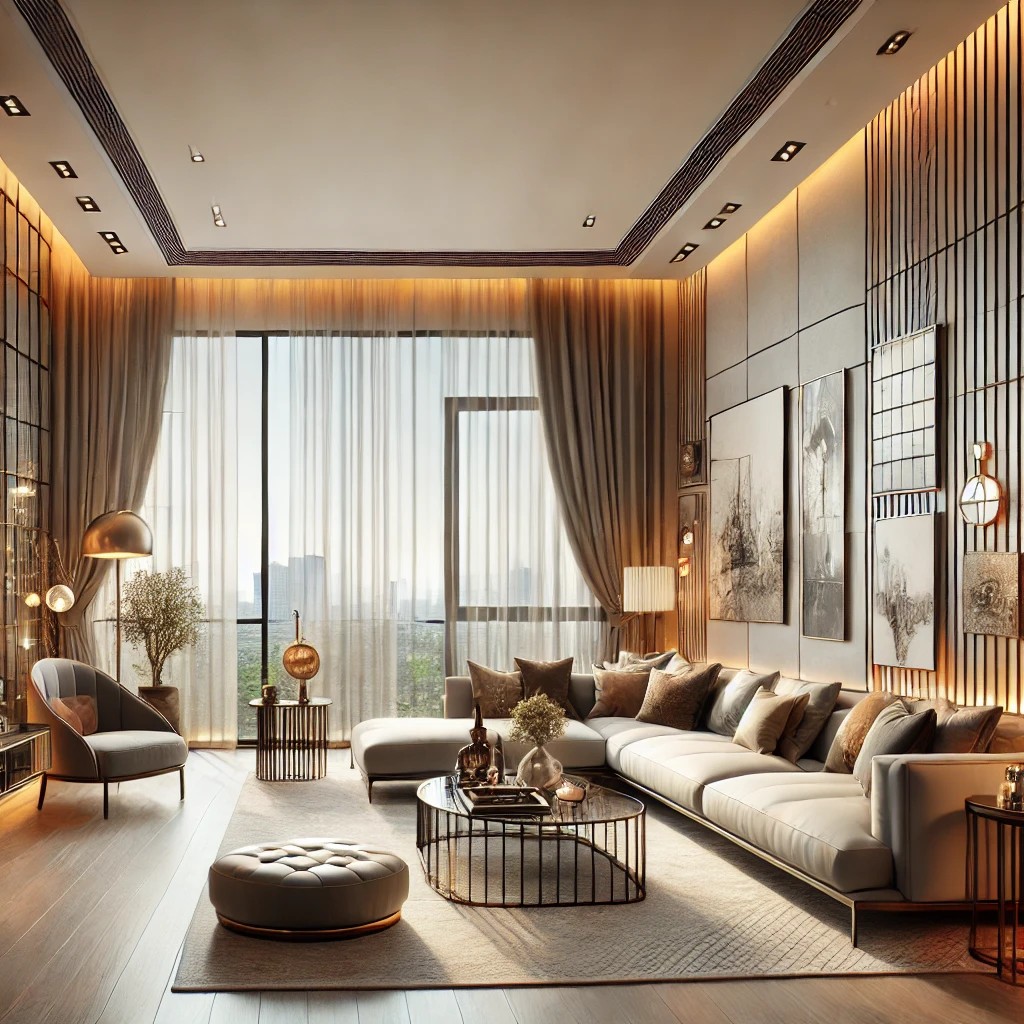
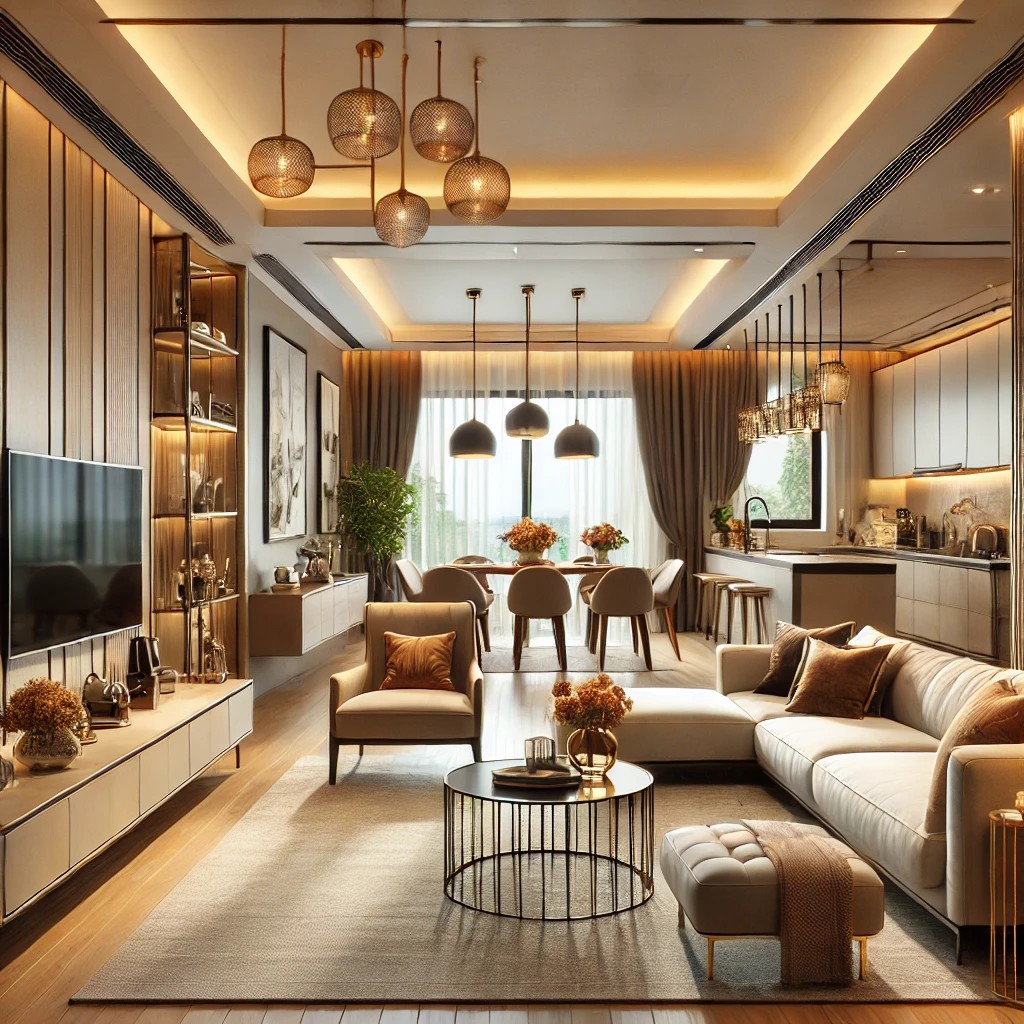
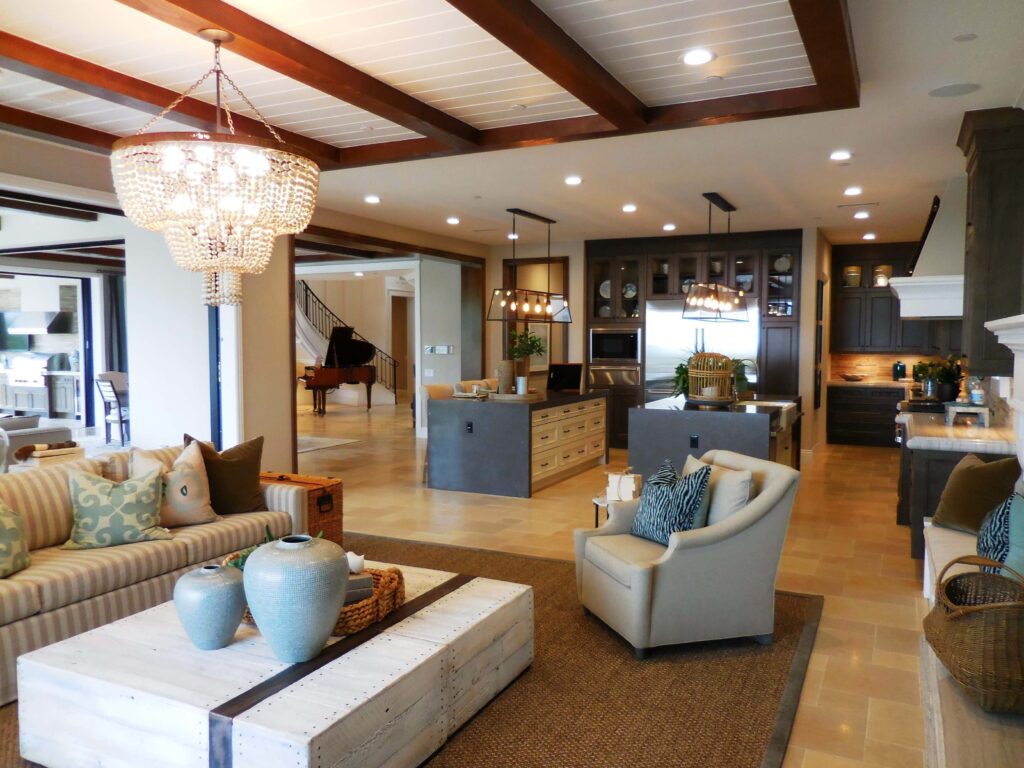
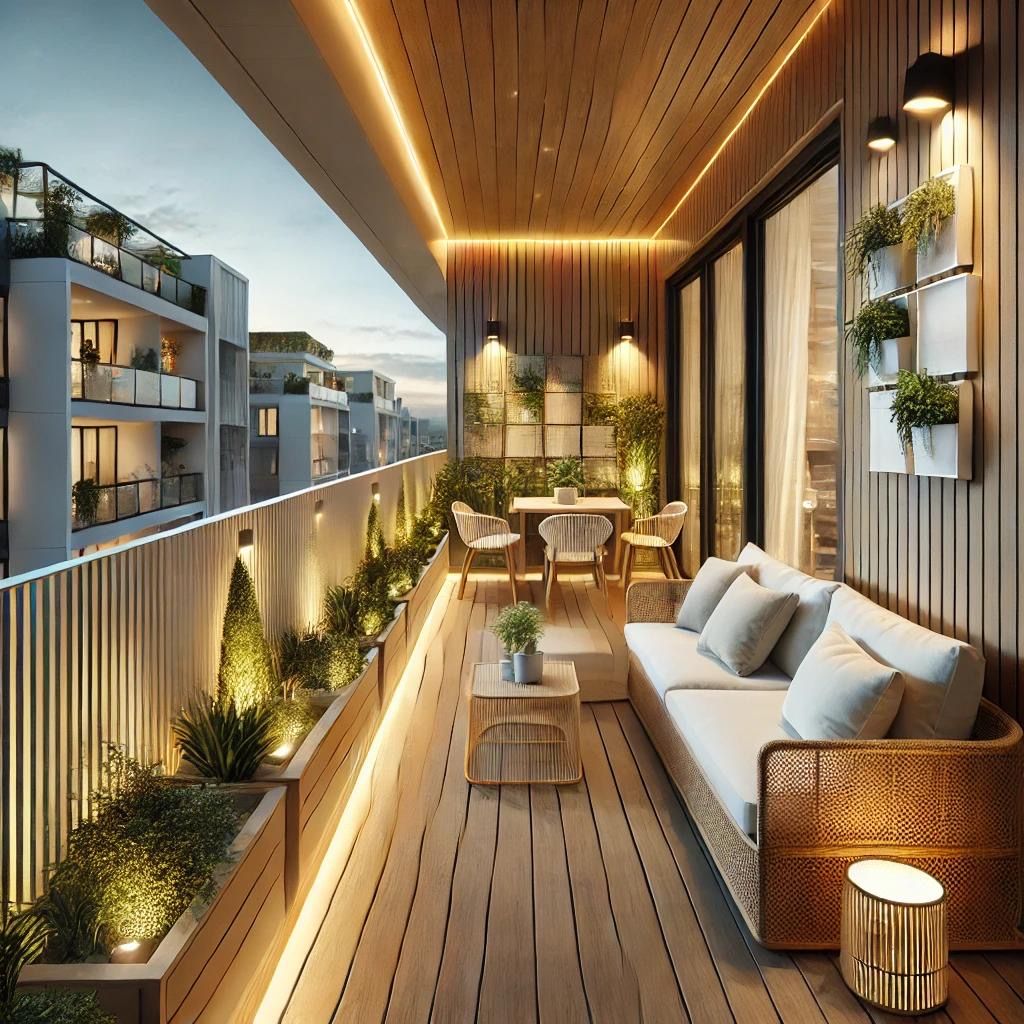
Contemporary decor is more than just a design style; it’s a reflection of current trends and cultural influences that can transform your living environment. This style, characterized by clean lines, innovative materials, and a focus on functionality, creates inviting spaces that resonate with modern lifestyles. In this comprehensive guide, we will explore the principles of contemporary decor, its benefits, key elements, and practical tips to create a harmonious and stylish home.
What is Contemporary Decor?
Contemporary decor refers to the design aesthetic that is prevalent in the current era, often evolving in response to technological advancements and cultural shifts. Unlike traditional styles, which have a defined historical context, contemporary decor is fluid, adapting to new ideas and trends. This style often emphasizes simplicity, comfort, and the use of natural light, creating spaces that feel open and airy.
Key Principles of Contemporary Decor
- Simplicity: Contemporary decor emphasizes minimalist design, focusing on uncluttered spaces and functional furnishings.
- Neutral Color Palette: The use of neutral colors—whites, grays, and earth tones—dominates contemporary spaces, allowing for a calm and sophisticated atmosphere.
- Bold Accents: While the overall palette may be neutral, bold colors can be introduced through artwork, accessories, or furniture pieces to add interest and personality.
- Natural Materials: Contemporary decor often incorporates natural materials such as wood, stone, and metal, promoting a connection to the environment.
- Innovative Technology: The integration of smart technology and energy-efficient appliances is common, enhancing both convenience and sustainability.
Benefits of Contemporary Decor
- Timeless Appeal: The simplicity and elegance of contemporary decor create a timeless aesthetic that remains relevant regardless of changing trends.
- Flexibility: The fluid nature of contemporary decor allows homeowners to easily adapt their spaces to reflect personal style and evolving preferences.
- Enhanced Comfort: Focus on functional design means that spaces are not only visually appealing but also comfortable and practical for everyday use.
- Increased Natural Light: The use of open layouts and large windows in contemporary design maximizes natural light, contributing to a healthier living environment.
Key Elements of Contemporary Decor
- Furniture Selection: Choose pieces with clean lines and simple forms. Look for multi-functional furniture that can serve various purposes, especially in smaller spaces.
- Color Schemes: Start with a neutral base and incorporate bold accent colors through accessories like cushions, rugs, or artwork.
- Lighting: Opt for statement lighting fixtures that enhance the contemporary aesthetic. Consider using pendant lights, floor lamps, or track lighting to create focal points.
- Textures: Introduce a variety of textures through textiles, rugs, and materials. Combining different textures can add depth and interest to your decor.
- Art and Accessories: Select contemporary art pieces that resonate with your personal taste. Minimalist sculptures or large abstract paintings can serve as striking focal points.
Practical Tips for Creating a Contemporary Decor
- Declutter Your Space: Start by removing excess items and organizing your belongings. A clutter-free environment is essential for achieving a contemporary look.
- Choose Open Spaces: Consider open floor plans or removing non-structural walls to create a sense of flow and spaciousness.
- Incorporate Indoor Plants: Adding greenery not only enhances the aesthetic but also improves air quality. Plants like snake plants or rubber trees fit well in contemporary decor.
- Use Mirrors: Strategically placing mirrors can enhance natural light and create an illusion of more space, adding to the airy feel of contemporary interiors.
- Personalize with Accessories: While contemporary decor emphasizes simplicity, personal touches through photographs, books, or travel souvenirs can add warmth and character.
Frequently Asked Questions (FAQ)
1. What is the difference between contemporary and modern decor?
Contemporary decor refers to current trends and styles, while modern decor specifically relates to a design movement that originated in the early to mid-20th century. Contemporary decor can include elements from various design movements, including modern.
2. How can I make my home more contemporary?
To achieve a contemporary look, focus on decluttering, using a neutral color palette, incorporating natural materials, and selecting furniture with clean lines.
3. Are there specific colors associated with contemporary decor?
Neutral colors such as whites, grays, and earth tones are common in contemporary decor, often accented with bold colors for visual interest.
4. Can contemporary decor work in small spaces?
Yes, contemporary decor is particularly well-suited for small spaces due to its focus on functionality and open layouts. Multi-functional furniture and strategic use of light can help maximize the space.
5. What types of art are best for contemporary decor?
Abstract art, minimalist sculptures, and photography can all enhance contemporary decor. Look for pieces that resonate with your personal style while fitting within the overall aesthetic.
Conclusion
Contemporary decor offers a versatile and stylish approach to interior design, allowing you to create spaces that reflect your personality while remaining functional and inviting. By embracing the principles of contemporary design and implementing practical tips, you can elevate your home into a modern haven. Whether you’re redecorating a single room or transforming your entire home, contemporary decor empowers you to express your unique style while enjoying a comfortable and harmonious living environment.
For more insights and resources on contemporary decor, visit Modular Kitchen Design, Interior AtoZ, and Interior Designer NCR. Explore how contemporary design can redefine your space and enhance your quality of life.