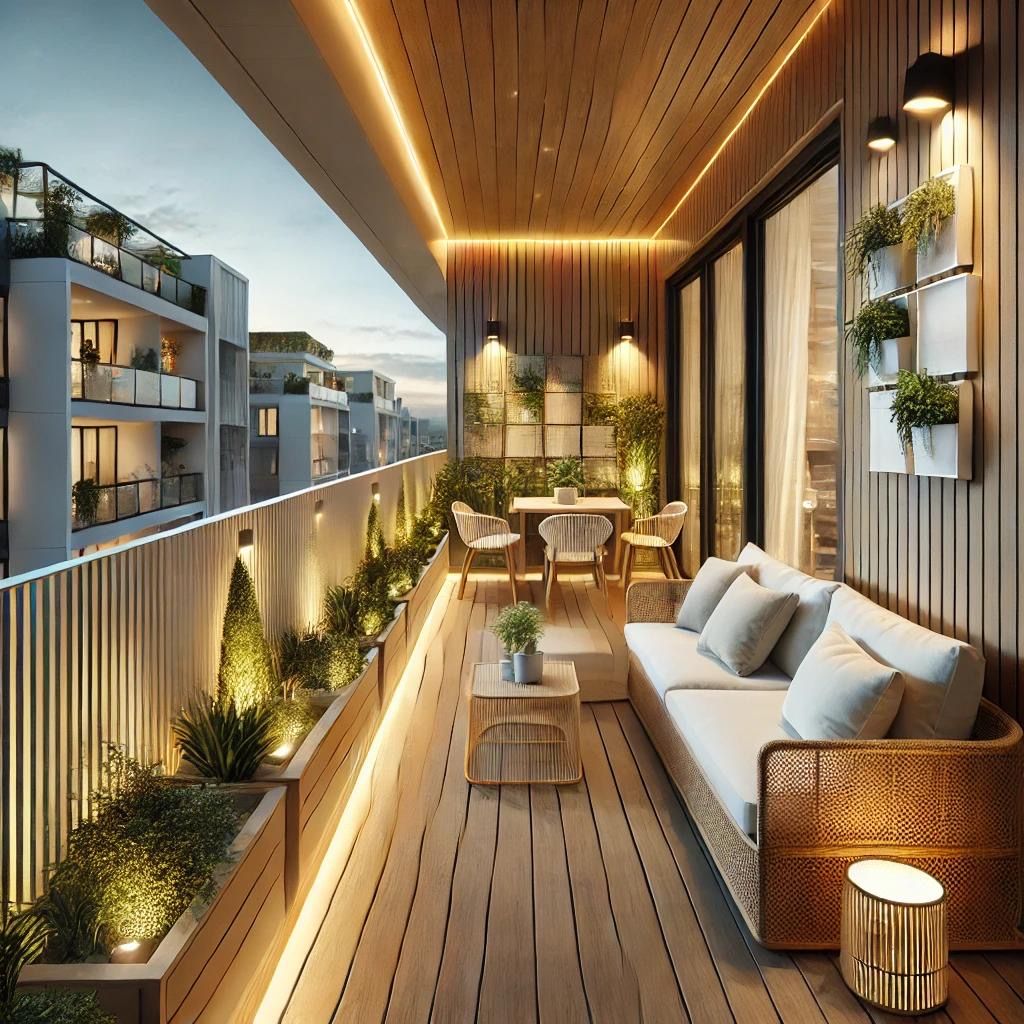
Interior design is a vast field filled with diverse styles, each with its unique characteristics and charm. Understanding specific styles allows you to curate spaces that resonate with your personality and lifestyle. Whether you prefer the rustic warmth of farmhouse design or the sleek lines of contemporary aesthetics, there’s a style for everyone. In this blog, we will delve into various specific styles of interior design, their key features, and tips on how to incorporate them into your home.
Understanding Specific Styles in Interior Design
Specific styles in interior design refer to the distinct aesthetics and characteristics that define how spaces are arranged and decorated. Each style reflects a different era, culture, or philosophy, making it essential to understand these styles to create an environment that feels right for you.
Key Specific Styles in Interior Design
1. Contemporary Style
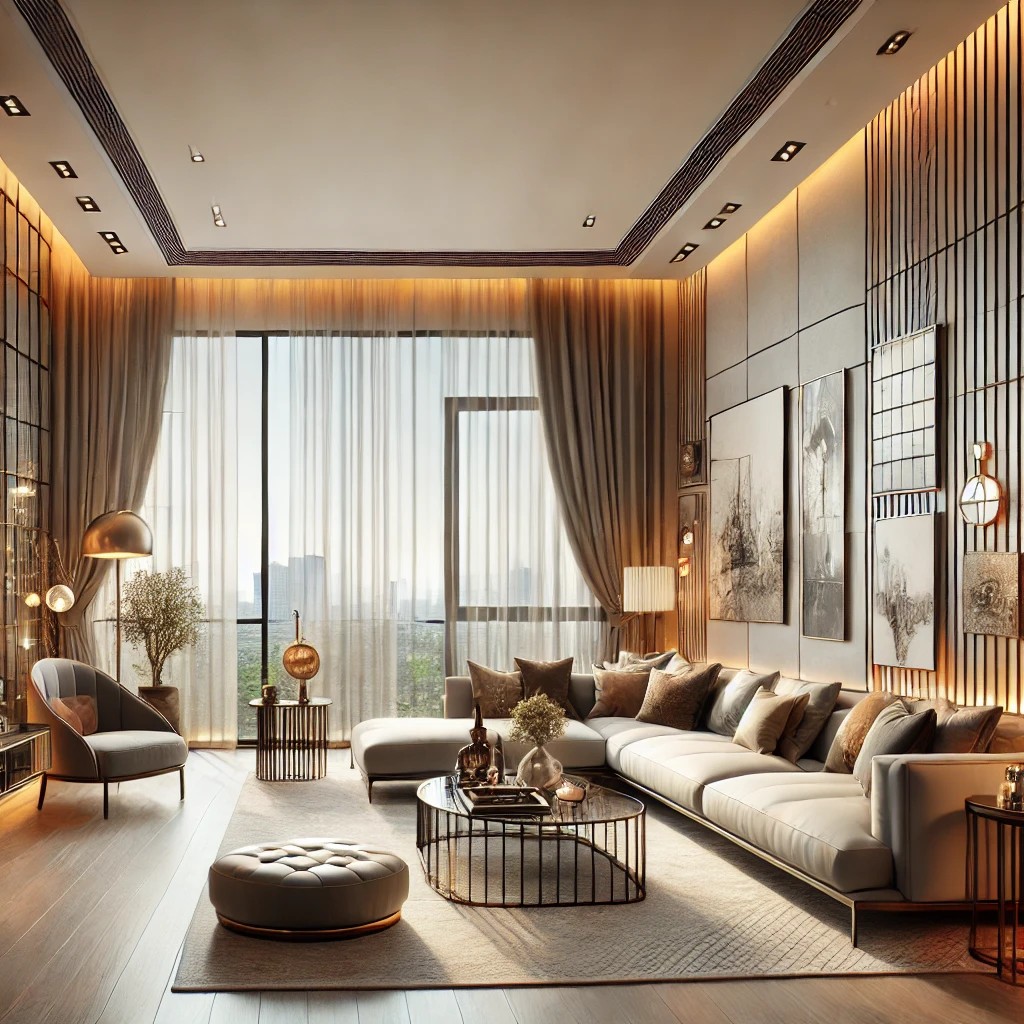
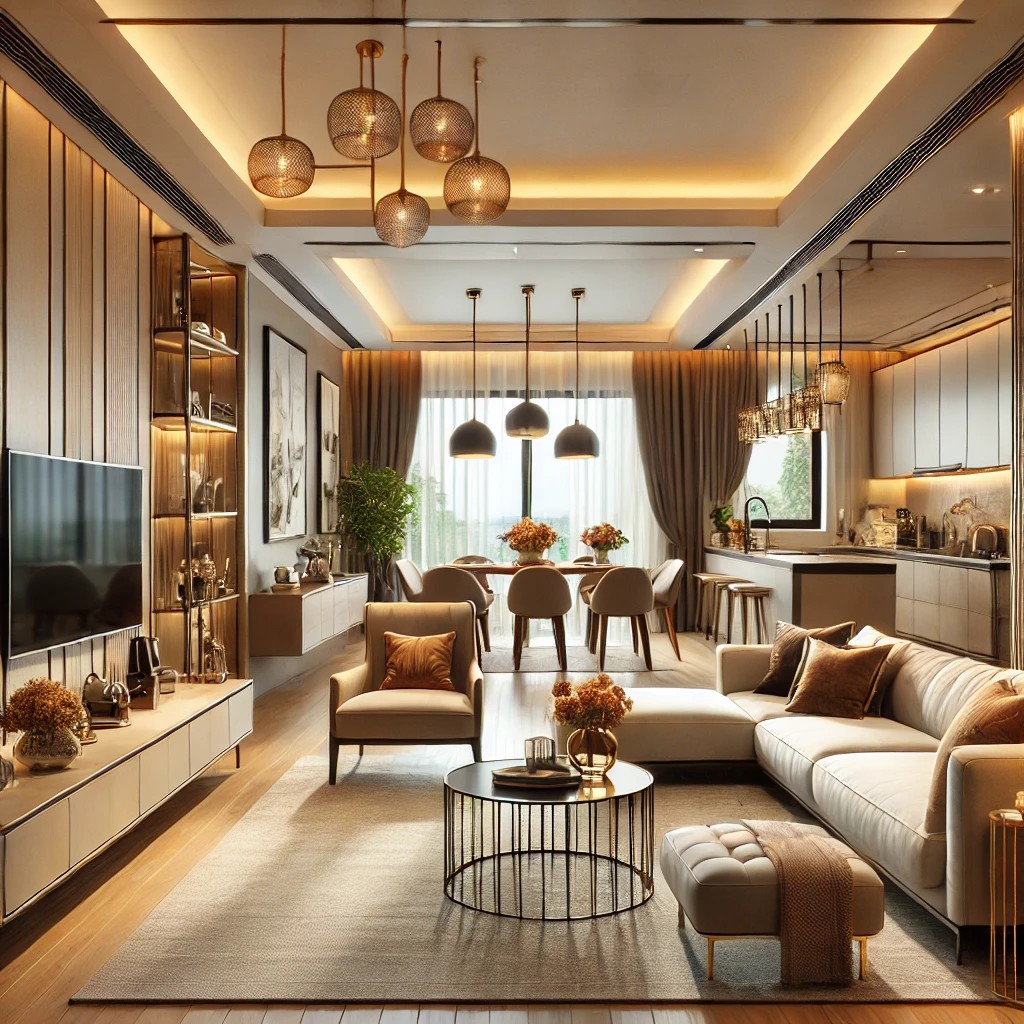
- Characteristics: Clean lines, neutral color palettes, and open spaces define contemporary design. It embraces minimalism while allowing for personalization through accessories.
- Tips for Incorporation:
- Use a neutral base with bold accent colors.
- Choose furniture with simple, geometric shapes.
- Maximize natural light with large windows and mirrors.
2. Modern Style
- Characteristics: Modern design emerged in the early 20th century and emphasizes function and form. It often features industrial materials, flat surfaces, and minimal ornamentation.
- Tips for Incorporation:
- Select furnishings with a minimalist aesthetic.
- Use a monochromatic color scheme with occasional pops of color.
- Incorporate natural materials like wood and stone.
3. Industrial Style
- Characteristics: Inspired by warehouses and factories, industrial design features exposed brick, steel beams, and concrete. It celebrates raw, unfinished elements.
- Tips for Incorporation:
- Expose structural elements such as pipes and ductwork.
- Use reclaimed wood and metal furniture.
- Keep the color palette neutral, with dark tones dominating.
4. Farmhouse Style
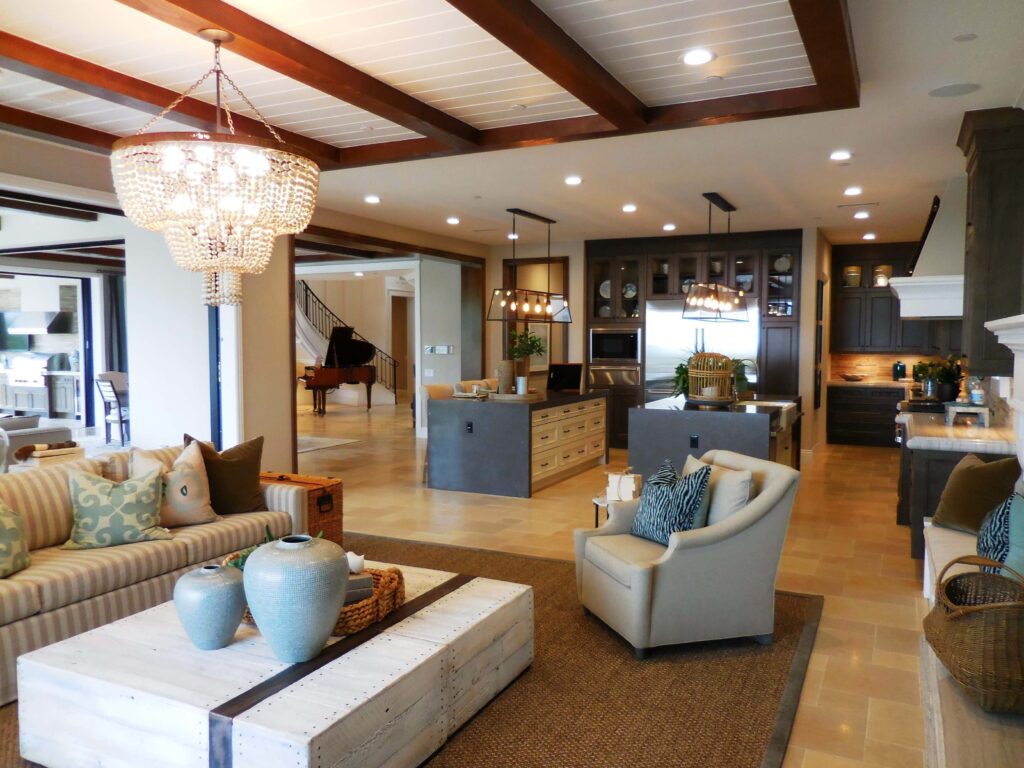
- Characteristics: The farmhouse style combines comfort and functionality with a rustic charm. It often features distressed wood, vintage elements, and a cozy atmosphere.
- Tips for Incorporation:
- Choose a neutral color palette with warm tones.
- Incorporate vintage or repurposed furniture.
- Use soft textiles like linen and cotton for a cozy feel.
5. Bohemian Style
- Characteristics: Bohemian decor embraces a carefree, eclectic approach with rich colors, varied textures, and an array of patterns. It reflects a global influence.
- Tips for Incorporation:
- Layer textiles such as rugs and throws in vibrant patterns.
- Mix and match furniture styles for an eclectic look.
- Use plants and natural elements to enhance the organic feel.
6. Scandinavian Style
- Characteristics: Scandinavian design emphasizes simplicity, functionality, and minimalism. It features light colors, natural materials, and a focus on comfort.
- Tips for Incorporation:
- Use light woods and a neutral color palette with pastels.
- Emphasize natural light with sheer window treatments.
- Incorporate cozy textiles like wool and faux fur.
7. Mid-Century Modern Style
- Characteristics: This style emerged in the mid-20th century and is characterized by organic shapes, vibrant colors, and functional forms. It blends traditional and modern elements.
- Tips for Incorporation:
- Choose furniture with sleek lines and tapered legs.
- Incorporate bold colors and geometric patterns.
- Use open spaces to create a sense of flow.
Benefits of Embracing Specific Styles
- Personal Expression: Specific styles allow homeowners to express their individuality and create spaces that reflect their tastes.
- Cohesive Aesthetics: Understanding a specific style helps create a cohesive look throughout the home, enhancing visual appeal.
- Functional Spaces: Many specific styles prioritize functionality, ensuring that spaces are not only beautiful but also practical for everyday living.
Frequently Asked Questions (FAQ)
1. What is the difference between contemporary and modern design?
Contemporary design reflects current trends and styles, while modern design specifically refers to a design movement from the early to mid-20th century.
2. Can I mix different styles in my home?
Yes! Mixing styles can create a unique and personalized space. Aim for a cohesive color palette or common elements to tie different styles together.
3. How do I choose a specific style for my home?
Consider your lifestyle, preferences, and the functionality you need from your space. Look for inspiration in magazines, websites, or social media platforms.
4. Are there specific colors associated with each style?
Yes, each style tends to favor certain color palettes. For example, farmhouse often uses warm neutrals, while Scandinavian style embraces light colors and pastels.
5. How can I incorporate a specific style on a budget?
Look for DIY projects, thrift store finds, or repurpose existing furniture to align with your chosen style without breaking the bank.
Conclusion
Understanding and embracing specific styles in interior design can significantly enhance the beauty and functionality of your living space. By exploring various styles, you can create an environment that not only reflects your personality but also meets your lifestyle needs. Whether you gravitate towards the rustic charm of farmhouse design or the sleek elegance of contemporary decor, there is a style that can transform your home into a sanctuary of comfort and style.
For more insights and resources on interior design styles, check out Modular Kitchen Design, Interior AtoZ, and Interior Designer NCR. These resources can guide you in finding the right elements to elevate your space and embrace your chosen style.