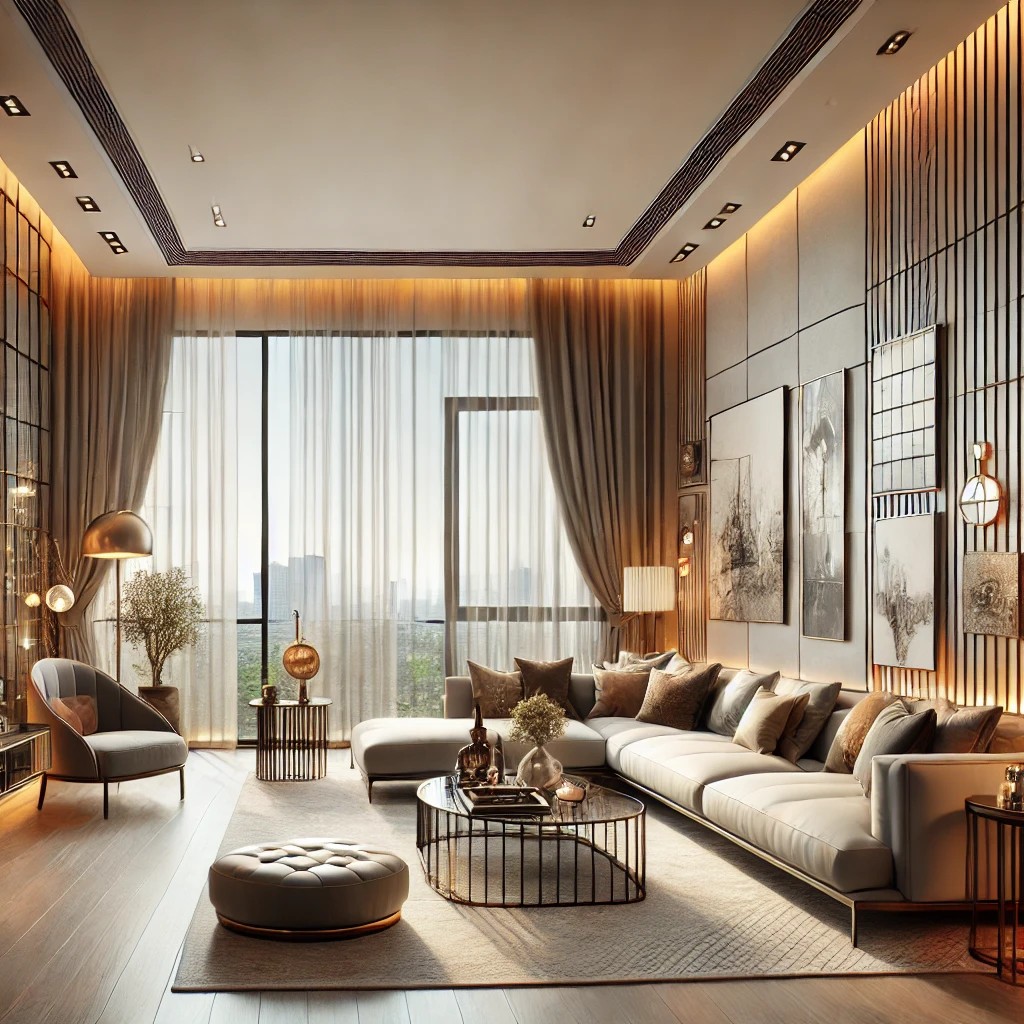
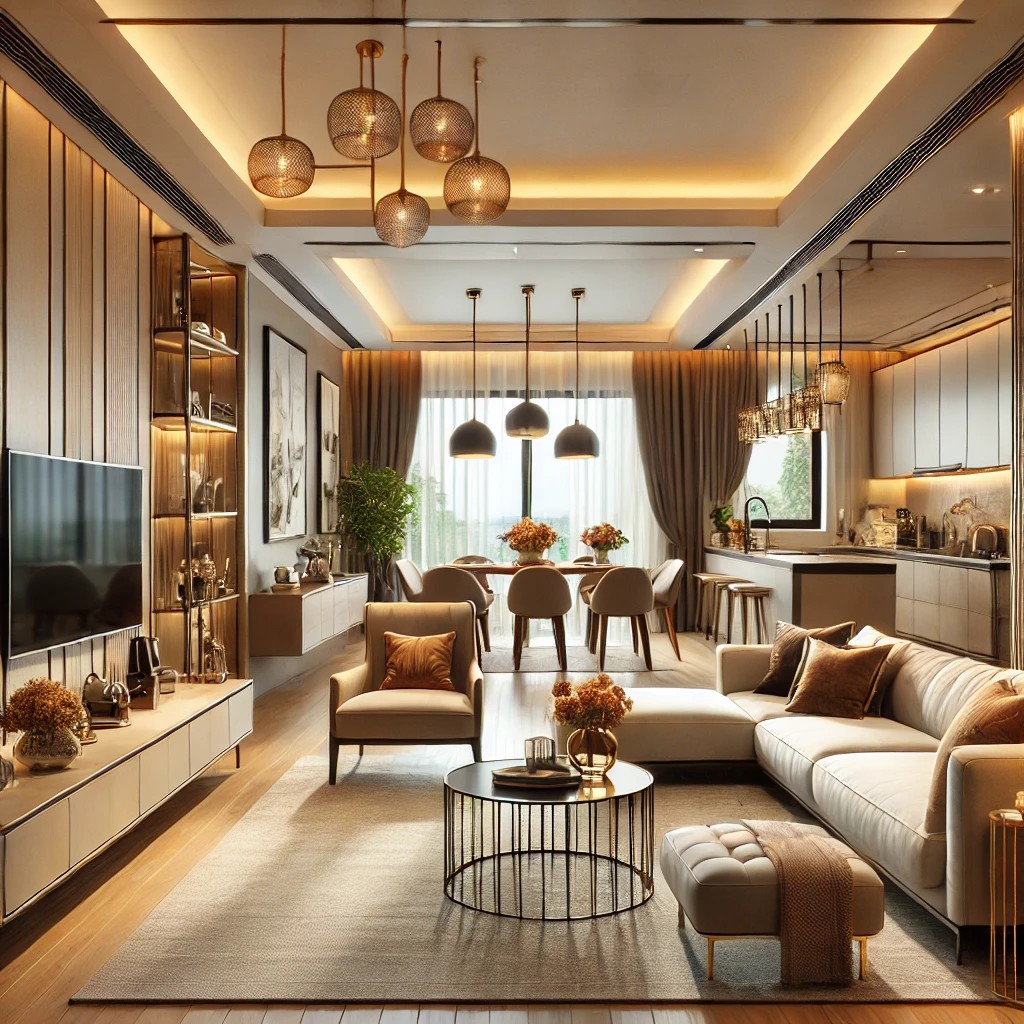
Minimalist design has gained immense popularity over the years, emerging as a powerful approach that emphasizes simplicity, functionality, and the beauty of less. This design philosophy is rooted in the idea that less truly is more, allowing individuals to create spaces that promote peace, clarity, and focus. In this comprehensive guide, we will explore the principles of minimalist design, its benefits, key elements, and practical tips to implement this style in your home.
What is Minimalist Design?
Minimalist design is an aesthetic that prioritizes simplicity and function while minimizing unnecessary elements. This style is often characterized by clean lines, open spaces, a neutral color palette, and a limited number of carefully curated furnishings. Minimalism transcends mere aesthetics; it reflects a lifestyle choice that encourages mindfulness and intentional living.
Key Principles of Minimalist Design
1. Simplicity
- Focus on Functionality: Every item in a minimalist space should serve a purpose. This principle encourages homeowners to choose functional pieces that contribute to the overall aesthetic without unnecessary embellishments.
2. Neutral Color Palette
- Calm and Cohesive: Minimalist design often employs a neutral color scheme, using whites, grays, and earthy tones. This creates a calm environment that promotes relaxation and reduces visual clutter.
3. Open Spaces
- Embrace Breathing Room: Open layouts and ample negative space are crucial in minimalist design. This principle allows for a more spacious feel and encourages a sense of tranquility.
4. Quality Over Quantity
- Invest in Timeless Pieces: Instead of accumulating many items, minimalism advocates for investing in high-quality, timeless pieces that offer durability and style.
5. Decluttering
- Let Go of the Unnecessary: One of the core tenets of minimalism is decluttering. Reducing the number of possessions helps create a more serene and organized environment.
Benefits of Minimalist Design
- Enhanced Focus: A clutter-free space helps improve concentration and productivity, making it an ideal choice for home offices or study areas.
- Reduced Stress: The simplicity of minimalist design fosters a calming atmosphere, reducing anxiety and promoting relaxation.
- Increased Space: By removing unnecessary items, minimalist design creates a sense of spaciousness, making smaller homes feel larger and more inviting.
- Sustainable Living: Minimalism encourages conscious consumption, which often leads to more sustainable living practices.
Key Elements of Minimalist Design
- Furniture Selection: Choose furniture with clean lines and functional designs. Opt for multifunctional pieces that can serve more than one purpose, such as a sofa bed or a coffee table with storage.
- Color Schemes: Stick to a neutral palette, using whites, beiges, and light grays. You can introduce color through accessories, such as cushions or artwork, but keep it minimal.
- Lighting: Natural light is essential in minimalist design. Use sheer curtains to maximize light and choose simple light fixtures that complement the overall aesthetic.
- Textures: Incorporate various textures to add depth to your space without overcrowding it. Use materials like wood, metal, and soft textiles to create a balanced feel.
- Art and Accessories: Select a few meaningful art pieces or decor items to create focal points. The key is to avoid overcrowding and to choose items that resonate with you.
Practical Tips for Implementing Minimalist Design
- Declutter Regularly: Make decluttering a routine practice. Set aside time to evaluate your belongings and remove items that no longer serve a purpose.
- Limit Color Choices: Stick to a few colors throughout your space to create a harmonious look. Use accessories to introduce subtle variations without overwhelming the space.
- Invest in Storage Solutions: Utilize smart storage solutions to keep your belongings organized. Consider furniture with built-in storage, such as ottomans or beds with drawers.
- Create Zones: If your space allows, create designated zones for different activities. This can help maintain organization and clarity within the home.
- Be Mindful of Decor: When adding decor, choose items that spark joy or have sentimental value. Avoid impulsive purchases that may clutter your space.
Frequently Asked Questions (FAQ)
1. What defines minimalist design?
Minimalist design is characterized by simplicity, functionality, and a focus on essential elements. It often features a neutral color palette, open spaces, and a limited number of carefully chosen items.
2. How can I start incorporating minimalist design in my home?
Begin by decluttering your space and choosing furniture that serves multiple functions. Stick to a neutral color scheme and be intentional with your decor choices.
3. Is minimalist design suitable for small spaces?
Absolutely! In fact, minimalist design can make small spaces feel larger and more open. It emphasizes functionality and efficient use of space, making it an ideal choice for compact living areas.
4. Can I add color to a minimalist space?
Yes, you can introduce color through accessories like cushions, artwork, or decorative items. However, keep the overall palette neutral to maintain a minimalist aesthetic.
5. How does minimalist design contribute to sustainable living?
Minimalist design encourages conscious consumption and reduces waste by promoting quality over quantity. This leads to more sustainable living practices and a smaller environmental footprint.
Conclusion
Embracing minimalist design can profoundly impact your living space and overall lifestyle. By prioritizing simplicity, functionality, and intentionality, you can create a serene environment that promotes peace and clarity. Minimalism isn’t just about aesthetics; it’s a philosophy that encourages mindful living and the appreciation of what truly matters. Whether you’re redesigning your home or simply looking to declutter, the principles of minimalist design can help you transform your space into a sanctuary of simplicity and beauty.
For further inspiration and resources on minimalist design, visit Modular Kitchen Design, Interior AtoZ, and Interior Designer NCR. Discover how these resources can assist you in achieving the minimalist look you desire while enhancing the functionality of your home.