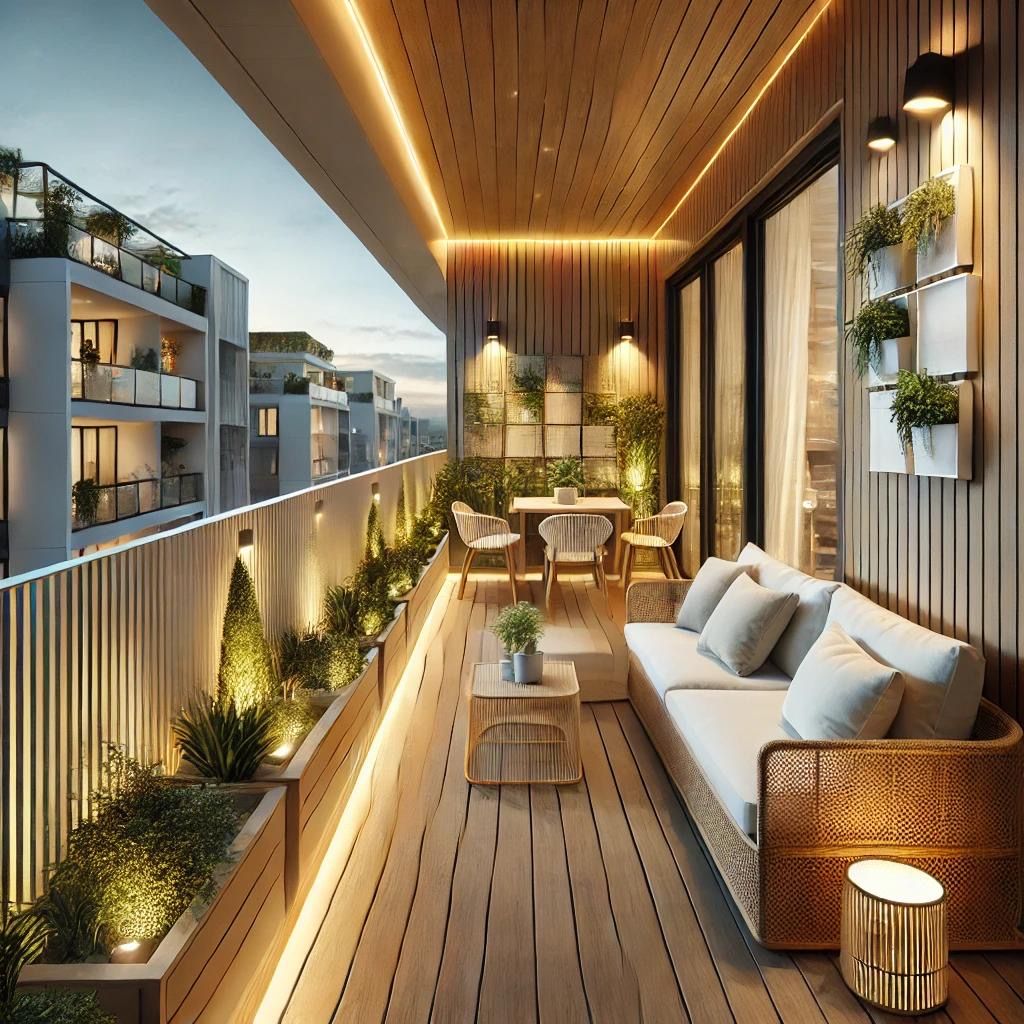
Industrial interior design has emerged as a powerful aesthetic that celebrates the raw beauty of structures and materials often overlooked in conventional design. Drawing inspiration from factories, warehouses, and urban settings, this style embraces a rugged, utilitarian approach, creating spaces that are both functional and visually striking. In this comprehensive guide, we will explore the principles of industrial interior design, its key elements, benefits, and practical tips for incorporating this bold style into your home.
What is Industrial Interior Design?
Industrial interior design is a style that focuses on showcasing the architectural elements of a space. It emphasizes open layouts, raw materials, and a minimalist approach to furnishings and decor. This design philosophy combines elements of vintage and modern aesthetics, making it a versatile choice for various settings, from residential homes to commercial spaces.
Key Characteristics of Industrial Interior Design
1. Raw Materials
- Exposed Structures: Industrial design celebrates raw materials such as concrete, steel, and reclaimed wood. Exposed beams, brick walls, and concrete floors are common features that contribute to the style’s rugged charm.
- Minimal Finishing: The finishing in industrial spaces is often minimal or unfinished, allowing the natural textures and colors of materials to shine.
2. Open Spaces
- Flowing Layouts: Industrial interiors typically feature open floor plans that create a sense of spaciousness. This layout encourages flexibility and functionality, allowing for various uses of the space.
- Loft-Like Aesthetics: Many industrial designs mimic the look of lofts, with high ceilings and large windows that flood the space with natural light.
3. Vintage and Modern Elements
- Eclectic Furnishings: Industrial design often blends vintage and modern furnishings. Antique furniture pieces can complement contemporary elements, creating an inviting yet sophisticated environment.
- Functional Decor: Decor items are often chosen for their functionality. Items like metal shelves, vintage suitcases, and factory carts serve as both storage solutions and stylish accents.
4. Neutral Color Palette
- Earthy Tones: A neutral color scheme dominates industrial spaces. Shades of gray, brown, black, and white create a cohesive look that enhances the raw aesthetic.
- Pops of Color: While the overall palette is neutral, industrial design allows for occasional pops of color through accessories, artwork, or plants.
Benefits of Industrial Interior Design
- Unique Aesthetic: Industrial design stands out for its distinctive look, making it a conversation starter and a representation of modern lifestyle trends.
- Durability: The materials used in industrial design are often durable and low-maintenance, making them practical choices for busy households.
- Versatility: This style can be adapted to various spaces, from residential homes to commercial establishments, allowing for creative interpretations and designs.
- Sustainability: Emphasizing reclaimed and repurposed materials supports sustainable practices, making industrial design an eco-friendly choice.
Key Elements of Industrial Interior Design
- Exposed Architecture: Highlight structural elements such as pipes, ductwork, and beams. These features add character and authenticity to the space.
- Concrete Floors: Concrete is a hallmark of industrial design. Consider polished or stained concrete floors for a sleek, modern look that is also highly durable.
- Metal Accents: Incorporate metal furnishings, such as steel chairs, iron shelving, or aluminum fixtures. These elements add an industrial touch without overwhelming the space.
- Vintage Lighting: Choose pendant lights or Edison bulbs that evoke a sense of nostalgia. Industrial lighting fixtures often have an unrefined, raw look that complements the overall aesthetic.
- Artwork and Decor: Select artwork that resonates with the industrial theme. Abstract pieces, black-and-white photography, or vintage signage can serve as focal points in the space.
Practical Tips for Incorporating Industrial Design
- Start with a Neutral Base: Use a neutral color palette as your foundation. Paint walls in shades of gray or white and opt for natural wood tones in flooring and furniture.
- Mix Materials: Combine different textures and materials, such as wood, metal, and glass, to create visual interest while maintaining a cohesive look.
- Furniture Arrangement: Arrange furniture to maximize open space. Avoid overcrowding the room with too many pieces, and allow for easy movement throughout the space.
- Accessorize Thoughtfully: Choose decor items that complement the industrial aesthetic. Look for vintage finds, such as old factory tools, or modern pieces that echo industrial themes.
- Incorporate Plants: Add greenery to soften the raw edges of industrial design. Choose plants with sculptural forms, such as succulents or snake plants, for an appealing contrast.
Frequently Asked Questions (FAQ)
1. What defines industrial interior design?
Industrial interior design is characterized by its use of raw materials, open spaces, and a combination of vintage and modern elements. It emphasizes functionality and showcases structural features.
2. Can I achieve an industrial look in a small space?
Yes! Industrial design can be adapted to small spaces by utilizing open layouts and incorporating multifunctional furniture. Focus on creating a cohesive look with a limited number of key elements.
3. How can I incorporate color into an industrial design?
While industrial design often features a neutral palette, you can introduce color through accessories, artwork, or plants. Aim for subtle pops of color to maintain the overall aesthetic.
4. Is industrial design suitable for residential homes?
Absolutely! Industrial design can create a unique and inviting atmosphere in residential spaces, particularly in lofts, urban apartments, or homes with historical architecture.
5. How do I maintain an industrial design?
To maintain an industrial design, focus on keeping surfaces clean and minimizing clutter. Regularly assess decor items and furnishings to ensure they align with the style’s principles.
Conclusion
Industrial interior design is a bold and captivating style that invites creativity and individuality. By embracing raw materials, open spaces, and eclectic furnishings, you can transform your home into a sanctuary of modern elegance. Whether you’re drawn to the rugged charm of exposed brick or the sleekness of metal accents, the principles of industrial design allow for endless possibilities in creating a space that reflects your personality and lifestyle.
For further inspiration and resources on industrial interior design, explore Modular Kitchen Design, Interior AtoZ, and Interior Designer NCR. These platforms can provide valuable insights and assistance in achieving the industrial aesthetic you desire.