Understanding a Reasonable Interior Design Budget: 9 Powerful Ways to Plan Your Home
What is a reasonable interior design budget? The answer depends on your property size, project scope, materials, customization, labour, location and personal design expectations.
Whether you are planning a 1 BHK, 2 BHK, 3 BHK, builder floor or luxury villa, a realistic budget helps you make better decisions and avoid unexpected expenses.
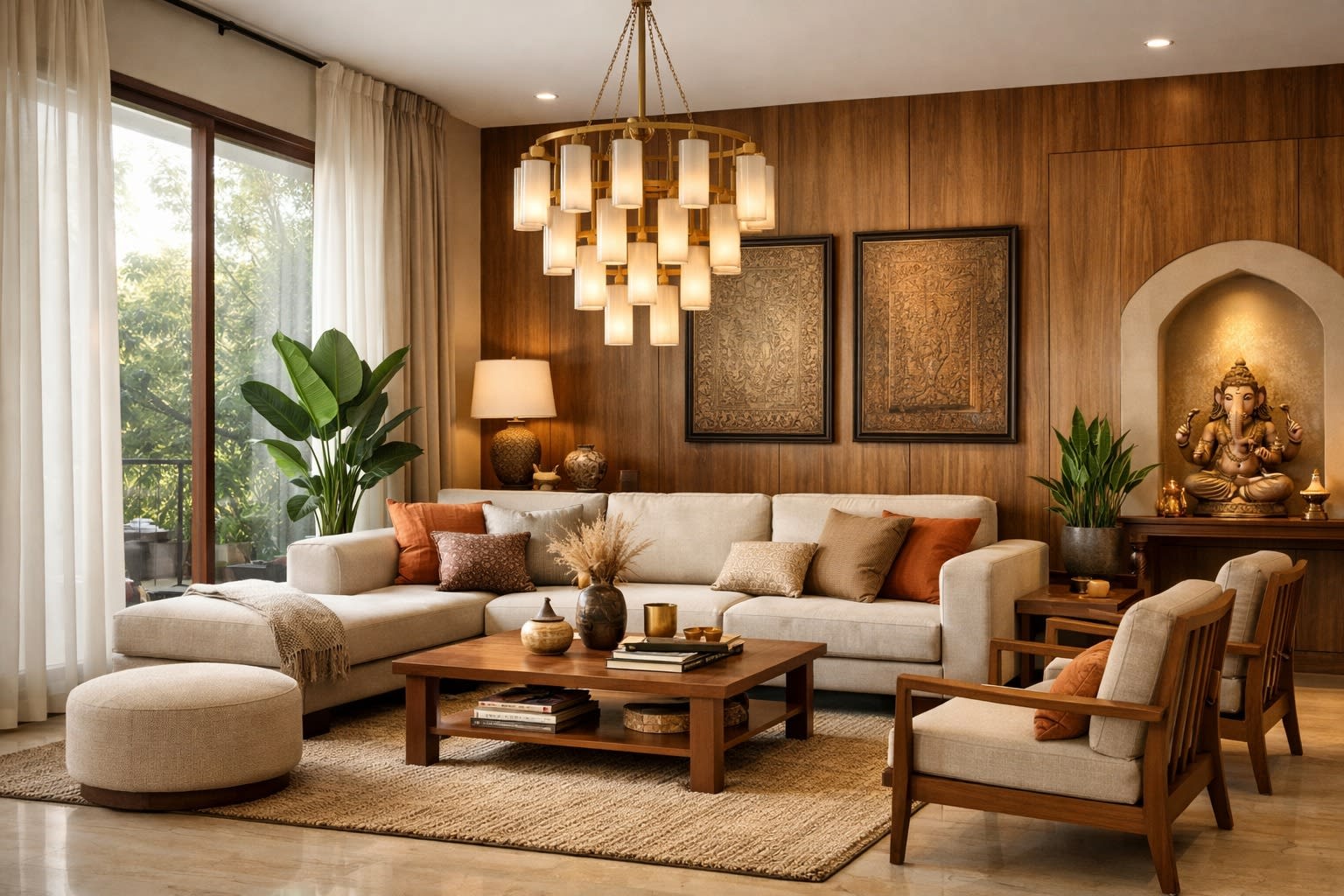
What Is a Reasonable Interior Design Budget?
A reasonable interior design budget is not simply the cheapest possible amount. It is a realistic investment that balances your home’s requirements, design expectations, material quality and long-term functionality.
The existing Interior A to Z guide explains that there is no single correct number. Location, scope of work, material quality and personal style all influence the final cost. :contentReference[oaicite:2]{index=2}
The 10%–15% Rule for Interior Design Budgeting
A commonly used starting point is to allocate around 10% to 15% of the property’s value toward interior design and furnishing. Luxury projects may require a higher percentage because bespoke furniture, premium materials and sophisticated installations can substantially increase the investment. :contentReference[oaicite:3]{index=3}
Interior Budget ≈ 10%–15% of Property Value
For luxury interiors, the required percentage may be considerably higher depending on the specification and customization.
Interior Design Cost Per Square Foot
Another practical way to estimate your budget is to use an approximate cost per square foot. This approach is useful during the early planning stage, although the final quotation should always be based on an itemized scope of work.
Basic / Standard
per sq. ft.
Functional design with standard materials and finishes.Mid-Range / Premium
per sq. ft.
Better finishes, customization and refined detailing.High-End / Luxury
per sq. ft.
Premium materials, bespoke furniture and turnkey execution.Reasonable Interior Design Budget by Property Type
| Property Type | Typical Planning Budget | Luxury Potential |
|---|---|---|
| 1 BHK | ₹5 lakh – ₹12 lakh | Can exceed this range |
| 2 BHK | ₹10 lakh – ₹25 lakh | ₹25 lakh – ₹50 lakh+ |
| 3 BHK | ₹15 lakh – ₹40 lakh | ₹40 lakh – ₹80 lakh+ |
| Villa / Independent House | ₹50 lakh+ | Can reach several crores |
These figures are planning ranges rather than fixed quotations. The actual project cost depends on carpet area, materials, design complexity, furniture requirements and execution scope. :contentReference[oaicite:4]{index=4}
9 Factors That Determine a Reasonable Interior Design Budget
Home Size
Larger homes require more cabinetry, furniture, finishes, lighting and labour.
Project Scope
A complete turnkey interior will cost considerably more than designing only the kitchen or bedrooms.
Material Quality
Plywood, MDF, HDHMR, laminates, acrylic, veneer, stone and hardware have different price points.
Customization
Bespoke furniture, curved units and unusual dimensions increase design and manufacturing requirements.
Design Complexity
Sophisticated ceilings, layered lighting, wall treatments and luxury detailing can increase costs.
Labour
Skilled carpentry, civil work, electrical, plumbing and installation contribute significantly to the total budget.
Location
Gurgaon, Noida and Delhi NCR projects can have different logistics, labour and site restrictions.
Designer Fees
Professional fees may be fixed, percentage-based, hourly or calculated per square foot.
Contingency
A contingency reserve protects your project against unexpected expenses and changes during execution.
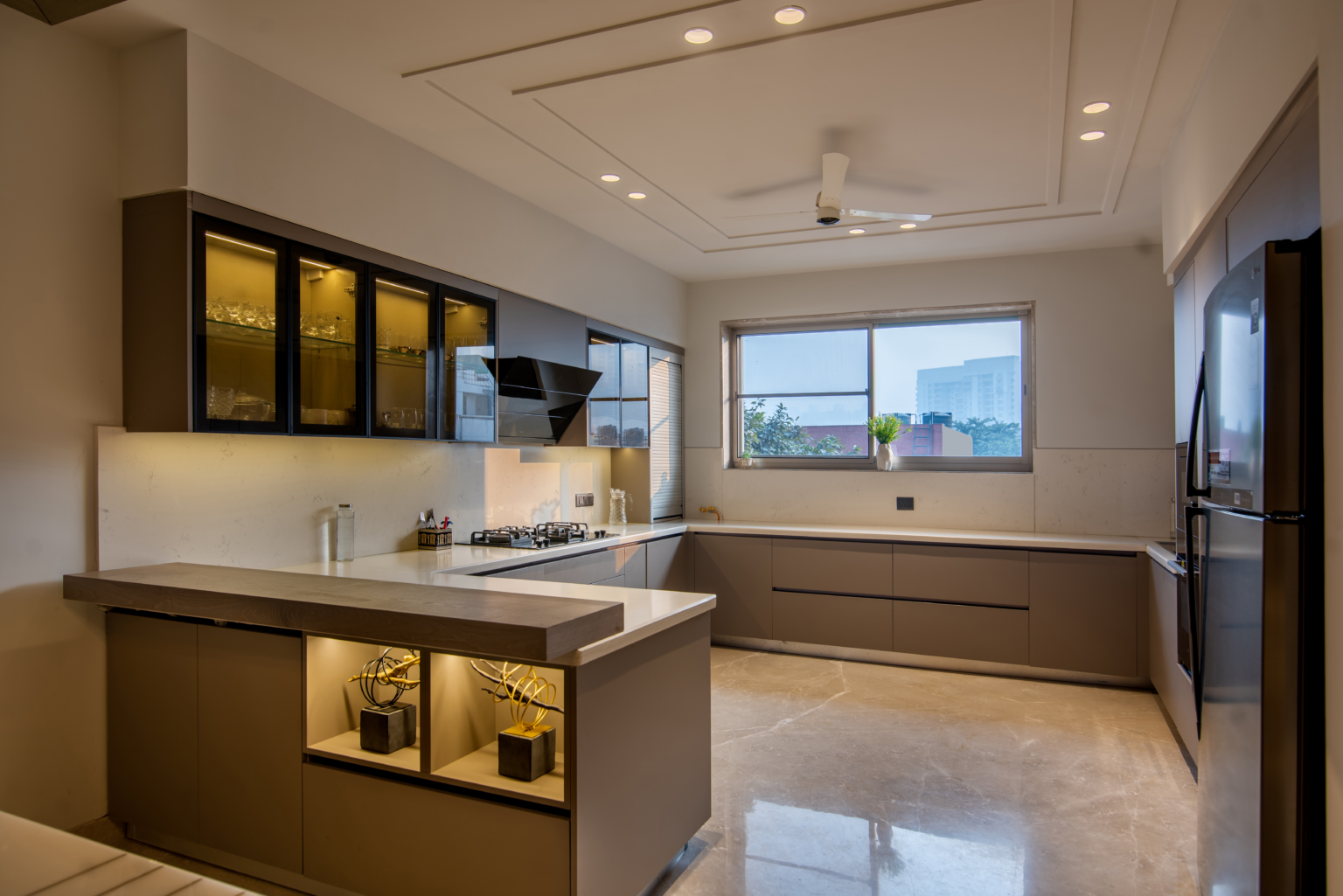
How Should You Divide Your Interior Design Budget?
A clear allocation strategy helps prevent one category from consuming the entire budget. The exact percentages will vary by project, but the following structure can be used as a planning framework.
| Category | Planning Priority | What It May Include |
|---|---|---|
| Materials & Finishes | High | Flooring, wall finishes, laminates, veneer, paint |
| Modular Units | High | Kitchen, wardrobes, storage and TV units |
| Furniture | High | Beds, sofas, dining furniture and custom pieces |
| Lighting & Electrical | Medium–High | Fixtures, wiring, switches and decorative lighting |
| Labour & Installation | High | Carpentry, civil work, electrical and installation |
| Décor | Flexible | Art, accessories, rugs, curtains and styling |
| Contingency | Essential | Unexpected changes and site-related expenses |
Room-Wise Interior Budget Planning
Instead of treating your home as one large expense, divide the budget according to the importance and functionality of each room.
Living Room
Prioritize seating, TV unit, storage, lighting, ceiling and selected decorative elements.
Modular Kitchen
Budget for cabinetry, countertop, hardware, accessories, backsplash, lighting and appliances.

Master Bedroom
Focus on the bed, wardrobe, dressing area, lighting, storage and comfortable finishes.
Living Room Interior Budget
The living room is usually the most visible space in a home. However, a reasonable budget does not require filling the room with expensive materials.
- Comfortable sofa and seating
- Functional TV unit
- Storage or crockery unit where required
- Accent wall or selected wall treatment
- Layered lighting
- Curtains and soft furnishings
- Selected décor rather than excessive accessories
Modular Kitchen Budget
The modular kitchen deserves careful budgeting because it combines cabinetry, countertops, hardware, storage accessories and appliances.
- Base cabinets
- Wall cabinets
- Tall storage units
- Countertop
- Drawer and shutter hardware
- Kitchen accessories
- Lighting
- Appliances
Bedroom Interior Budget
A bedroom can feel premium without using expensive finishes everywhere. Good proportions, storage planning, lighting and a coordinated colour palette often have a greater visual impact.
- Bed and headboard
- Wardrobe
- Dressing unit
- Bedside storage
- Accent wall
- Lighting
- Curtains and soft furnishings
How Do Interior Designers Charge?
Interior designers commonly use several pricing models. The right model depends on the project size and scope.
Per Square Foot
A fixed rate is multiplied by the area being designed or executed.
Percentage of Project
The designer charges a percentage of the overall project cost. A range of around 10%–20% is commonly cited in the existing guide. :contentReference[oaicite:5]{index=5}
Fixed Fee
A predetermined professional fee is agreed for a clearly defined scope.
Hourly Consultation
Often suitable for smaller projects, consultations, design advice or individual-room requirements.
Common Hidden Interior Design Costs
A low quotation is not necessarily a better quotation. Always check whether the following expenses are included or excluded.
- Product or furniture markup
- Additional design revisions
- Change orders after approval
- Delivery and transportation
- Installation charges
- Unforeseen construction work
- Electrical or plumbing modifications
- Deep cleaning after execution
- Appliances and loose furniture
- Taxes and other applicable charges
These types of additional expenses are specifically highlighted in the existing Interior A to Z budget guide. :contentReference[oaicite:6]{index=6}
Why You Need a 10%–15% Contingency Fund
Recommended Reserve: 10%–15% of the Project Budget
This reserve can help cover unexpected site conditions, material price changes, additional electrical work, repairs or approved changes.
Reasonable Interior Design Budget in Gurgaon
Gurgaon and Gurugram have a wide variety of apartments, builder floors, villas and premium residences. The appropriate budget depends heavily on the property type, carpet area, society requirements and desired finish level.
Reasonable Interior Design Budget in Noida
Noida has a large apartment market where modular kitchens, wardrobes, TV units, storage and practical space planning are often major parts of the interior budget.
For Noida homes, homeowners should particularly check the carpet area, society installation rules, material specifications and whether electrical, ceiling and plumbing work are included.
Interior Design Budget in Delhi NCR
Delhi NCR includes Delhi, Gurgaon, Noida, Ghaziabad, Faridabad and Greater Noida. Because property types and construction conditions vary considerably, there is no single budget that applies to every home.
A realistic Delhi NCR interior budget should therefore be built around your actual home size, scope, material preferences and execution requirements.
9 Smart Ways to Control Your Interior Design Budget
Prioritize
Spend more on the spaces and features that matter most to your lifestyle.
Set a Limit
Tell your designer your maximum realistic budget from the beginning.
Compare Quotes
Collect multiple quotations using comparable specifications.
Choose Materials Carefully
Balance durability, appearance and price instead of selecting the cheapest option.
Avoid Constant Changes
Late design changes can increase manufacturing, labour and material costs.
Use Modular Solutions
Standardized modular furniture can offer predictable manufacturing and installation.
Phase the Project
If the budget is limited, complete essential rooms first and upgrade later.
Reduce Unnecessary Décor
Use selected statement pieces instead of filling every surface.
Keep Contingency
Maintain a reserve so unexpected expenses do not disrupt the project.
Where You Should Not Cut Costs
Budget control does not mean choosing the cheapest option for every component. Some areas directly affect durability and long-term maintenance.
- Structural safety
- Electrical wiring and safety components
- Plumbing work
- Core furniture construction
- Kitchen hardware
- Wardrobe hardware
- Moisture-prone areas
- Professional installation
Can You Design Your Home in Phases?
Yes. A phased interior design approach can be useful when the available budget is limited. The existing guide recommends starting with the most important areas and completing other spaces later. :contentReference[oaicite:7]{index=7}
Phase 1 — Essentials
- Modular kitchen
- Essential wardrobes
- Basic lighting
- Essential electrical work
Phase 2 — Enhancement
- Premium furniture
- Decorative walls
- Designer lighting
- Décor and accessories
Frequently Asked Questions
What is a reasonable interior design budget?
A reasonable budget depends on the property value, size, scope, materials, customization and location. A useful starting guideline is around 10%–15% of the property value for a full interior and furnishing project.
How much does interior design cost per square foot?
A broad planning range is approximately ₹800–₹1,500 per sq. ft. for basic or standard design, ₹1,500–₹2,500 for mid-range/premium design and ₹3,000–₹5,000+ for high-end or luxury turnkey interiors.
How much should I budget for a 2 BHK?
A reasonable planning range can be around ₹10 lakh–₹25 lakh for a comprehensive interior, depending on size, materials, furniture and scope. Luxury specifications can increase the investment substantially.
How much should I budget for a 3 BHK?
A broad planning range is approximately ₹15 lakh–₹40 lakh for a complete interior, while premium and luxury specifications can take the budget considerably higher.
Should I calculate my interior budget by property value or square feet?
Both methods can be useful. Property-value budgeting provides an overall investment guideline, while per-square-foot calculations are useful for estimating execution costs.
How much contingency should I keep?
Keeping approximately 10%–15% of your planned project budget is a useful general guideline for unexpected expenses.
How do interior designers charge their fees?
Common models include per-square-foot pricing, a percentage of the project cost, fixed professional fees and hourly consultation charges.
Can I create a beautiful home on a limited budget?
Yes. Prioritization, efficient space planning, modular solutions, carefully selected materials and controlled customization can create attractive interiors without unnecessarily increasing the budget.
Is a low quotation always better?
No. Always compare material specifications, hardware, scope, labour, installation, warranties, taxes and exclusions before selecting a quotation.
Final Thoughts: Build a Budget That Works for Your Home
A reasonable interior design budget should be realistic, transparent and aligned with your home’s requirements. There is no single number that works for every homeowner.
Start with your property size and overall budget. Define the scope of work, prioritize essential rooms, select materials carefully and compare detailed quotations. Most importantly, keep a contingency reserve so unexpected expenses do not derail your project.
For homeowners in Gurgaon, Noida and Delhi NCR, a well-planned budget can help balance aesthetics, functionality, durability and long-term value.
Plan Your Home Interior With a Realistic Budget
Planning interiors for a 1 BHK, 2 BHK, 3 BHK, builder floor or villa? Get professional guidance for space planning, modular kitchens, wardrobes, furniture, lighting, materials and complete home interiors across Gurgaon, Noida and Delhi NCR.
Get a Consultation Check Interior CostSetting the Stage for Interior Design Costs
When considering the financial aspect of hiring an interior designer, many potential clients wonder about what constitutes a good budget. It’s essential to recognize that costs can vary widely based on scope, designer experience, and the specific needs of a project.
Factors Influencing Interior Design Budgets
Several key factors contribute to determining a suitable budget for your interior design project. Firstly, the size of the space being designed plays a significant role. Larger spaces typically require more materials and labor, which can drive up costs. Additionally, the complexity of the design and the materials chosen can greatly influence overall expenses.
Average Costs and Expectations
On average, hiring an interior designer can range from $50 to $200 per hour, even reaching higher for renowned experts. Many designers also offer fixed fees, which can be beneficial for budgeting purposes. Setting a clear budget before starting your project can help manage expectations and ensure that the collaboration is fruitful. Assess your specific needs and get in touch with designers to receive estimates that align with your vision.