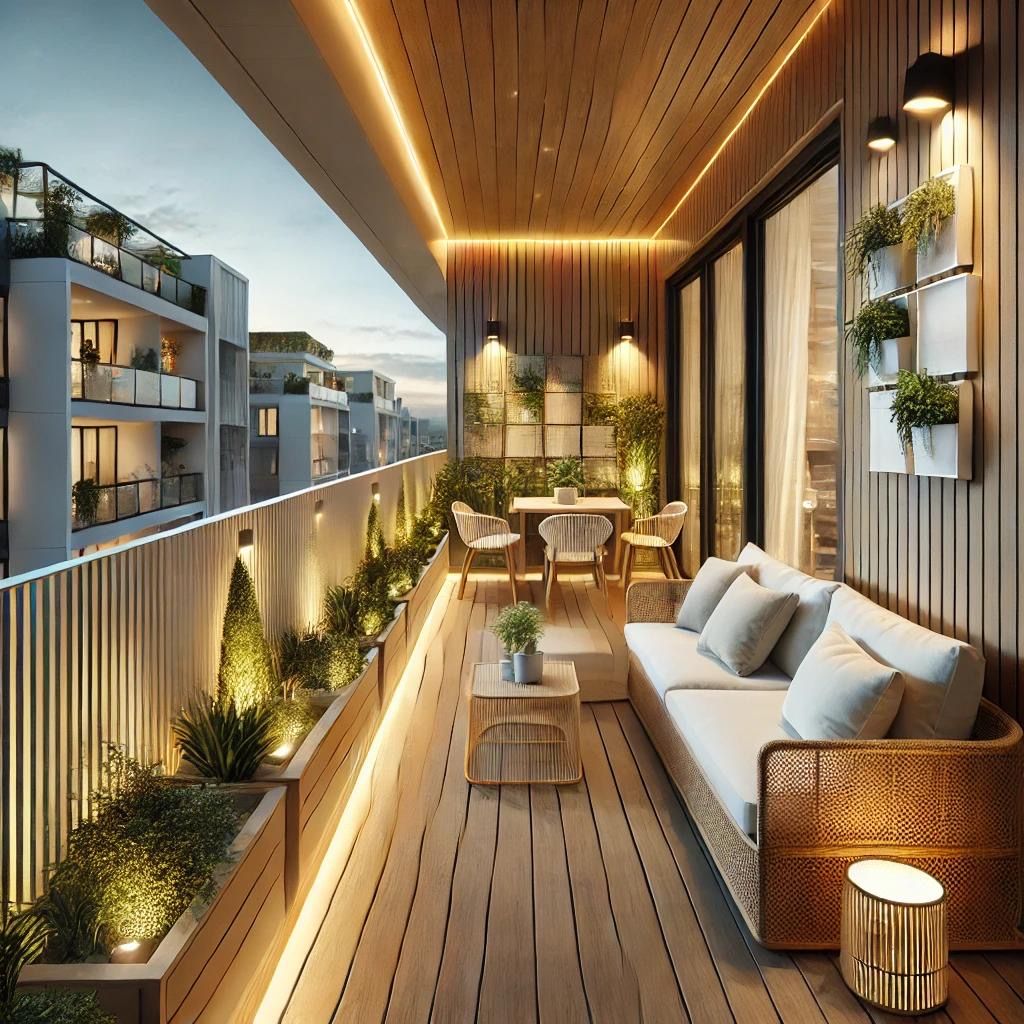
The principles of interior design guide designers in creating spaces that are aesthetically pleasing, functional, and well-balanced. These principles help achieve a harmonious and cohesive design. Here are the key principles of interior design:
- Unity and Harmony:
- Unity is achieved when all elements and components of a design work together in harmony. It creates a sense of cohesion and completeness in the space.
- Balance:
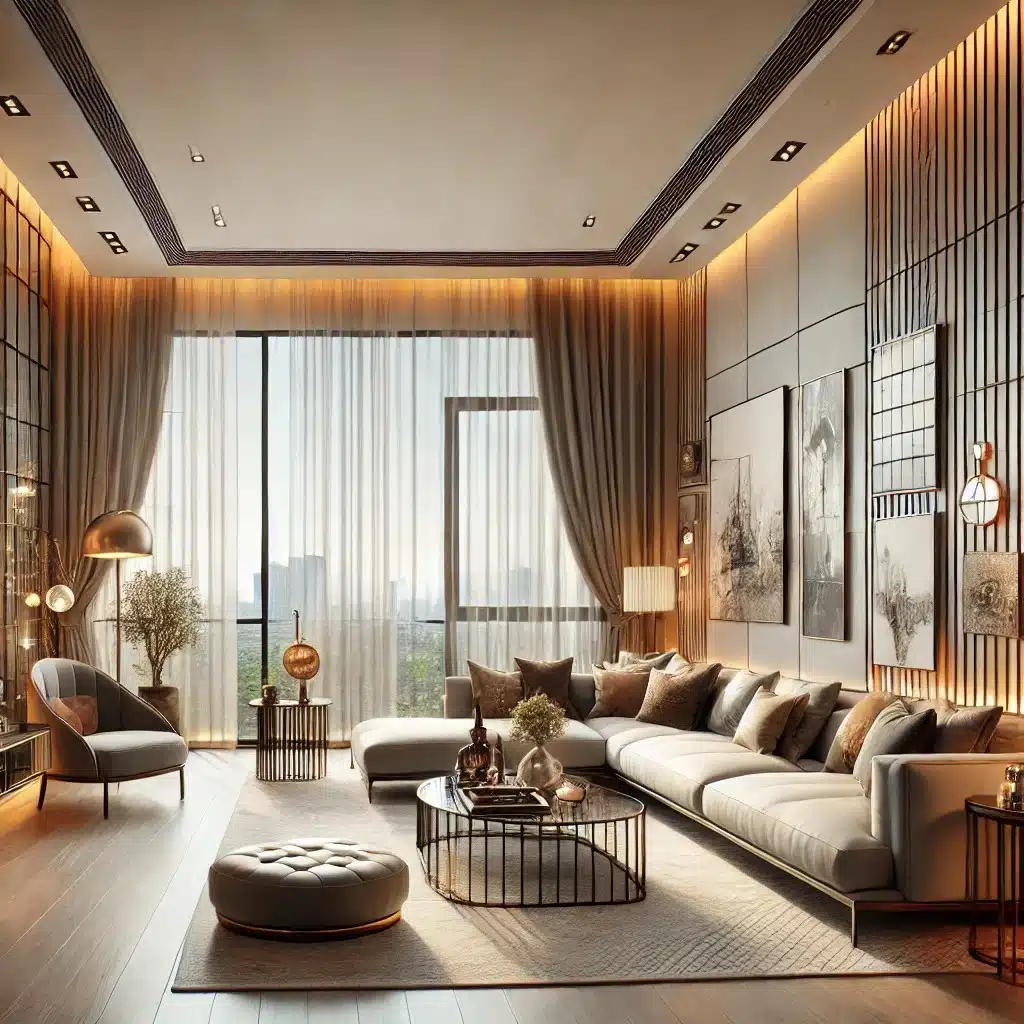
- Balance involves the distribution of visual weight in a room. There are three types of balance:
- Symmetrical Balance: Mirroring identical elements on either side of a central axis.
- Asymmetrical Balance: Achieved through contrast and variation in visual weight.
- Radial Balance: Elements radiate outward from a central point.
- Balance involves the distribution of visual weight in a room. There are three types of balance:
- Emphasis (or Focal Point):
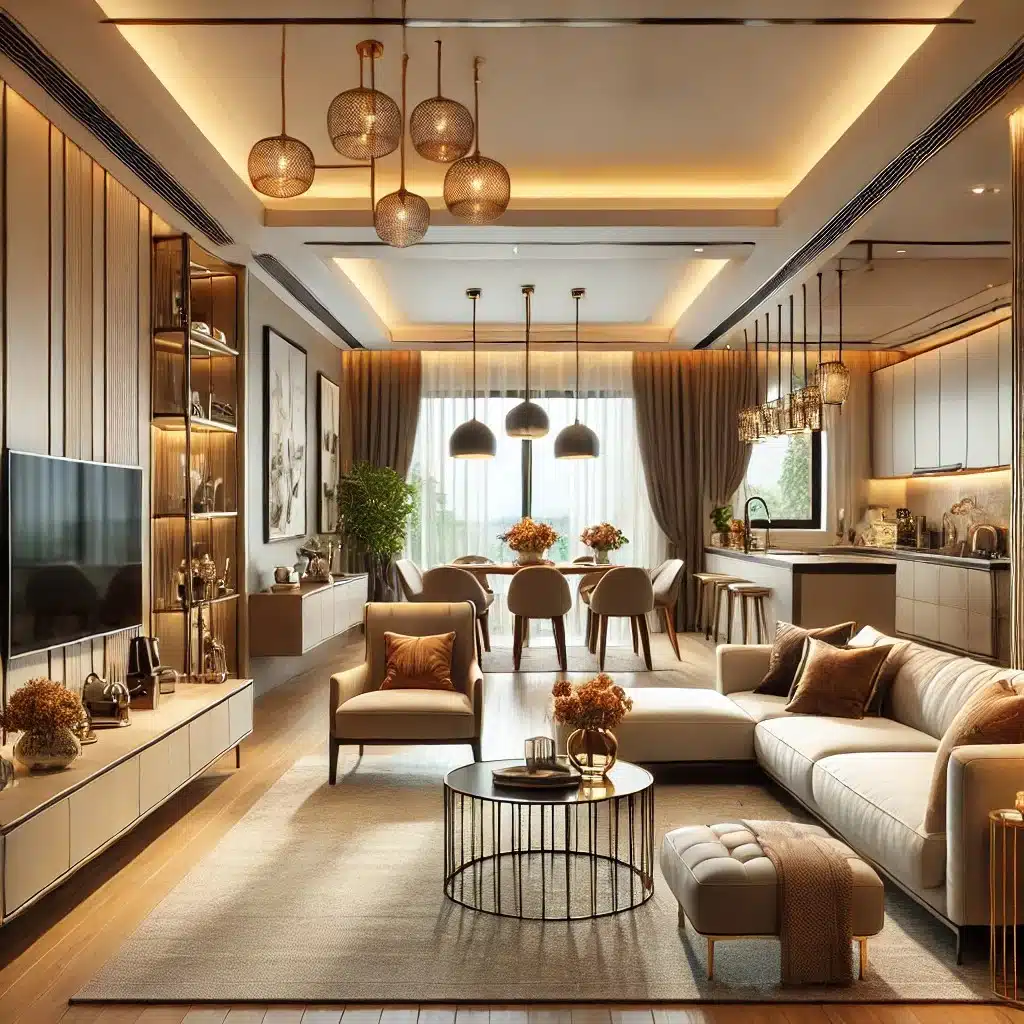
- Emphasis involves creating a focal point that draws attention and serves as the main focus of the design. It could be a prominent piece of furniture, artwork, or architectural feature.
- Contrast:
- Contrast involves juxtaposing different elements to create visual interest and variety. This can include contrasting colors, textures, shapes, or styles.
- Rhythm and Repetition:
- Rhythm is the visual flow created by repeating elements in a space. Repetition of design elements can establish a sense of continuity and movement.
- Scale and Proportion:
- Scale refers to the size of objects in relation to the space they occupy, while proportion is the relationship between different elements in terms of size. Achieving appropriate scale and proportion ensures a balanced and comfortable environment.
- Movement:
- Movement refers to the visual flow and path that the eye follows throughout a space. It can be achieved through the arrangement of furniture, patterns, or architectural features.
- Contrast:
- Contrast involves the juxtaposition of different elements to create visual interest and variety. This can include contrasting colors, textures, shapes, or styles.
- Emphasis (or Focal Point):
- Emphasis involves creating a focal point that draws attention and serves as the main focus of the design. It could be a prominent piece of furniture, artwork, or architectural feature.
- Contrast:
- Contrast involves juxtaposing different elements to create visual interest and variety. This can include contrasting colors, textures, shapes, or styles.
- Rhythm and Repetition:
- Rhythm is the visual flow created by repeating elements in a space. Repetition of design elements can establish a sense of continuity and movement.
- Scale and Proportion:
- Scale refers to the size of objects in relation to the space they occupy, while proportion is the relationship between different elements in terms of size. Achieving appropriate scale and proportion ensures a balanced and comfortable environment.
- Movement:
- Movement refers to the visual flow and path that the eye follows throughout a space. It can be achieved through the arrangement of furniture, patterns, or architectural features.
- Harmony and Contrast:
- Harmony involves using similar elements to create a cohesive and balanced design, while contrast introduces variety and visual interest by incorporating differences.
- Functionality:
- The design should prioritize the functionality and practical use of the space. It involves thoughtful consideration of the layout, furniture placement, and overall usability.
Applying these principles allows interior designers to create spaces that are not only visually appealing but also functional, comfortable, and tailored to the needs and preferences of the occupants.