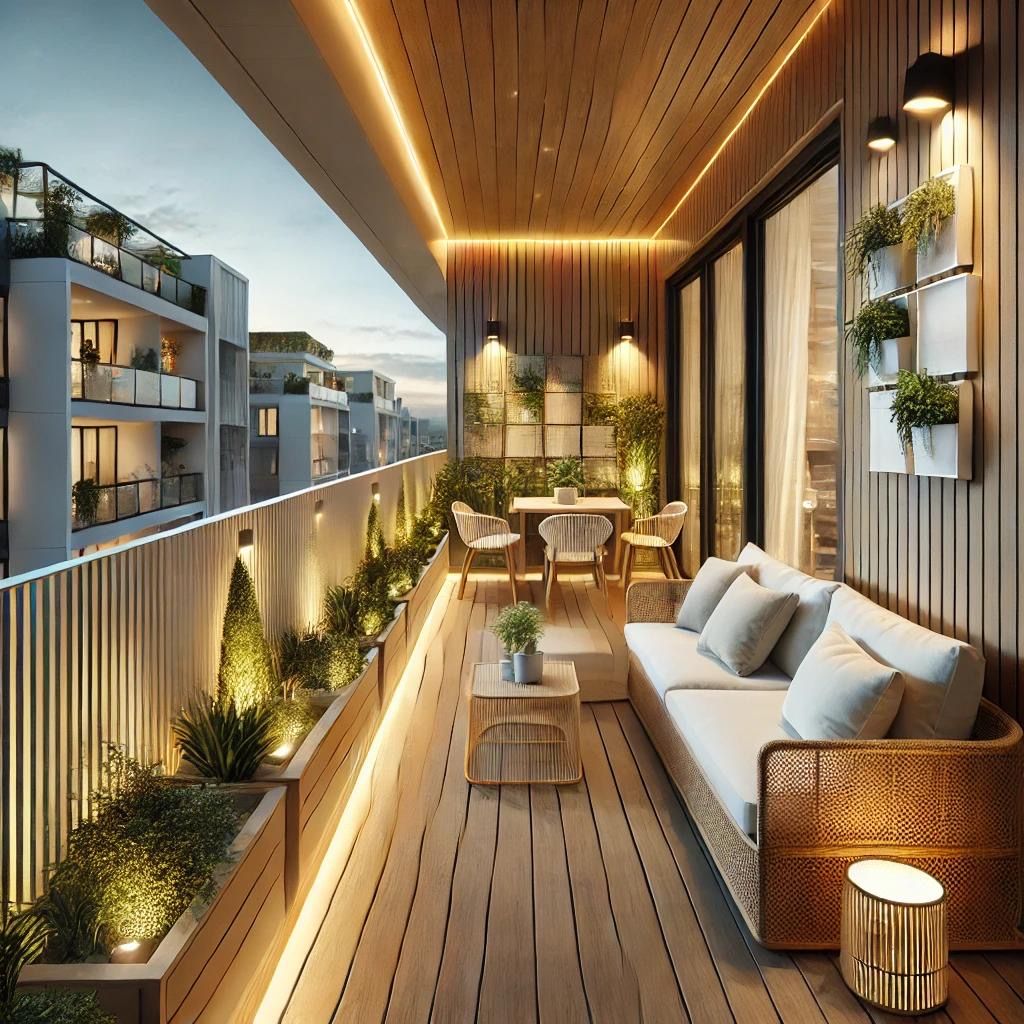
nterior design involves combining various elements to create a harmonious and aesthetically pleasing space. These elements work together to enhance the functionality, comfort, and overall ambiance of a room. Here are the key elements of interior design:
- Space:
- Positive Space: The area filled with objects, furniture, and architectural features.
- Negative Space: The empty or unoccupied areas around and between objects. Balancing positive and negative space is crucial for a well-designed room.
- Line:
- Horizontal Lines: Create a sense of stability and calmness.
- Vertical Lines: Evoke a sense of height and strength.
- Diagonal Lines: Convey movement and dynamism.
- Curved Lines: Add a sense of flow and softness.
- Forms and Shapes:
- Forms: Three-dimensional objects with volume and depth.
- Shapes: Two-dimensional outlines or configurations (e.g., squares, circles, triangles).
- Color:
- Hue: The name of the color (e.g., red, blue, yellow).
- Saturation: The intensity or purity of a color.
- Value: The lightness or darkness of a color.
- Texture:
- Visual Texture: The perceived texture based on the appearance of materials.
- Tactile Texture: The actual feel or touch of materials.
- Pattern:
- The repeated decorative design or motif in a space. Patterns can add visual interest and depth.
- Light:
- Natural Light: Sunlight entering through windows.
- Artificial Light: Various lighting fixtures to illuminate the space.
- Ambient, Task, and Accent Lighting: Different types of lighting serve different purposes.
- Balance:
- Symmetrical Balance: Mirroring objects or arrangements on either side of a central axis.
- Asymmetrical Balance: Achieved through contrast, where different elements have equal visual weight.
- Radial Balance: Elements radiate outward from a central point.
- Proportion and Scale:
- Proportion: The relationship between the sizes of different elements in a room.
- Scale: The size of an object or space in relation to the human body.
- Rhythm and Repetition:
- Rhythm: The visual flow and movement created by the arrangement of elements.
- Repetition: Repeated use of design elements or motifs throughout a space.
- Harmony and Unity:
- Harmony: The overall sense of cohesion and agreement in a space.
- Unity: The cohesiveness achieved by coordinating and connecting various elements.
- Focal Point:
- A prominent element or area that draws attention and becomes a visual anchor for the design.
- Contrast:
- The juxtaposition of different elements to create visual interest and emphasis.
- Emphasis:
- Highlighting or bringing attention to a particular element or area within a space.
Understanding and skillfully applying these elements allow interior designers to create well-balanced, functional, and visually appealing spaces that cater to the needs and preferences of the occupants.