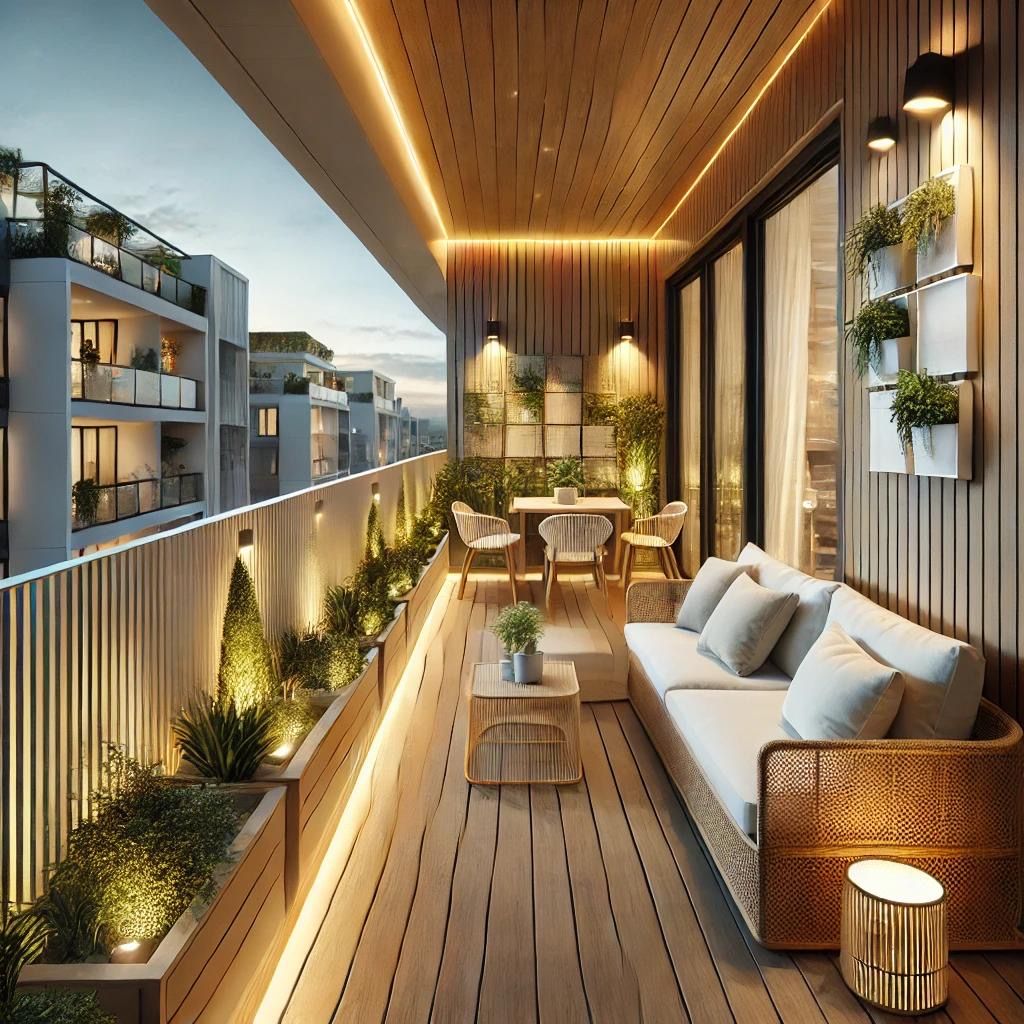
Interior design is more than aesthetics; it directly influences property value, marketability, and buyer perception. A well-designed interior can increase a property’s worth, attract buyers faster, and justify a higher price, while poor design choices can reduce appeal and potential resale value. Here’s how interior design affects property value and what to consider for maximizing returns.
1. First Impressions Matter
Buyers often make snap judgments based on visuals. The interior design sets the tone:
- Cohesive color schemes and layouts make spaces feel harmonious.
- Clutter-free and well-lit areas enhance the perception of space.
- High-quality finishes signal durability and luxury.
A strong first impression can increase perceived value by 10–20% in some markets, as buyers emotionally connect with the property.
2. Functionality Increases Usable Space
Smart interior design maximizes space utility, which is crucial in real estate:
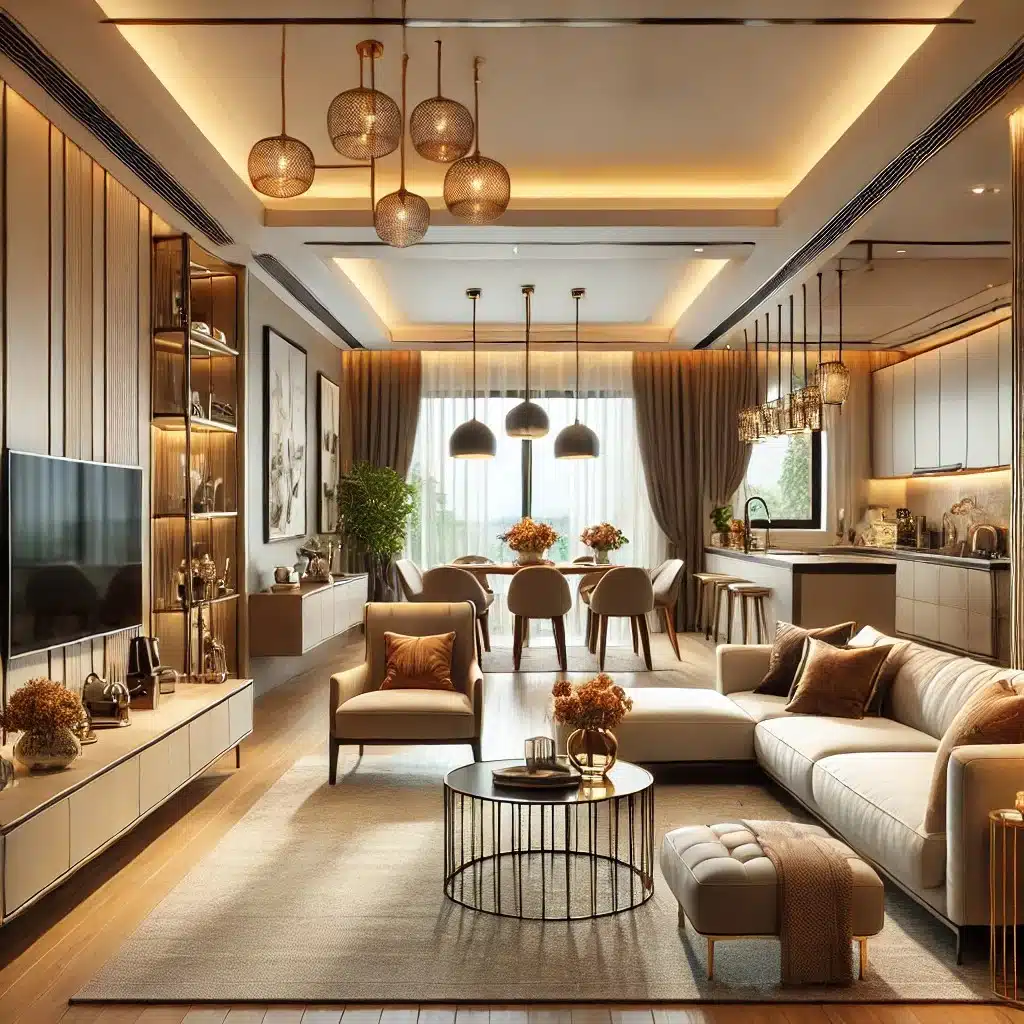
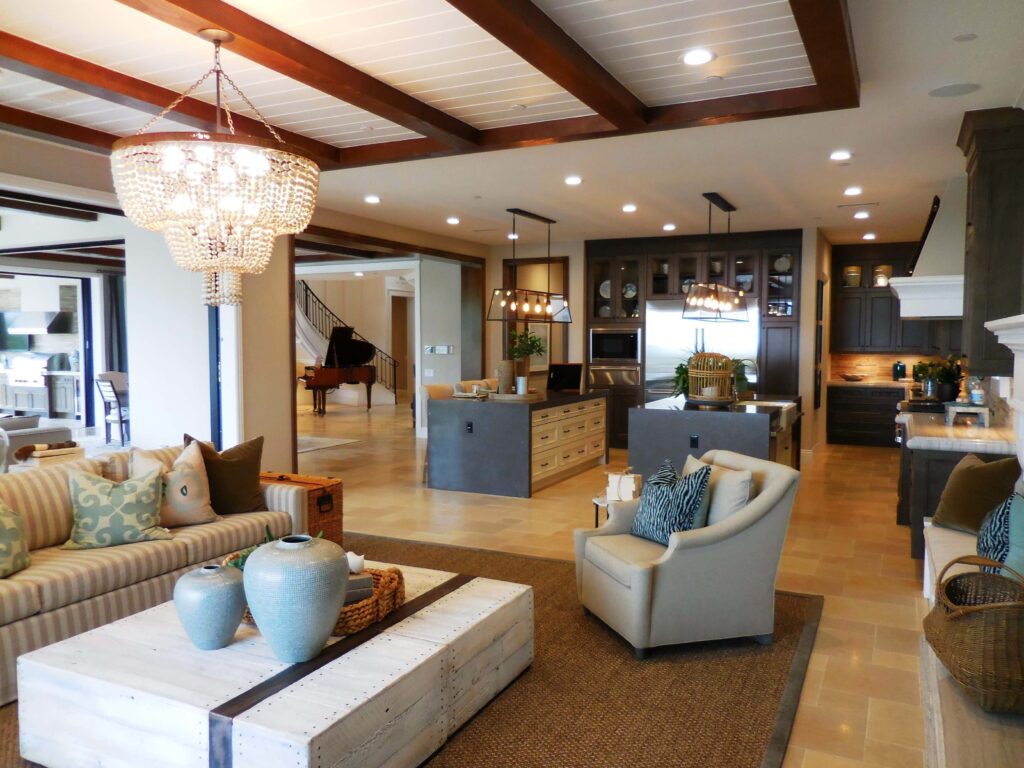
- Open floor plans make rooms appear larger.
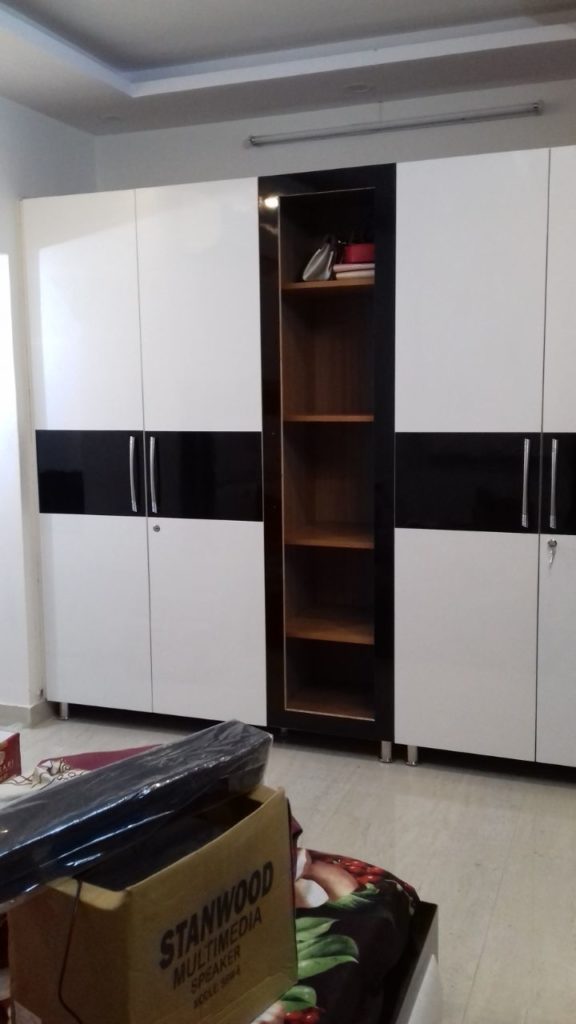
- Built-in storage solutions reduce clutter and optimize living space.
- Multifunctional rooms (guest room/home office) appeal to modern buyers.
Functional interiors are often reflected in a higher valuation, as practical living is prioritized over purely decorative elements.
3. Modern Design Enhances Marketability
Updated, contemporary interiors attract a wider audience and can justify premium pricing:
- Neutral palettes allow buyers to envision personal touches.
- Modern kitchens and bathrooms are strong selling points.
- Smart home features like automated lighting, temperature control, or security add perceived value.
Studies show that properties with modern, updated interiors sell faster and often at 5–15% higher prices compared to outdated spaces.
4. Quality Materials Reflect Long-Term Value
Materials and finishes signal durability and luxury:
- Hardwood flooring vs. laminate affects perceived property class.
- Quartz countertops often elevate kitchen value.
- Energy-efficient lighting and appliances reduce running costs and appeal to eco-conscious buyers.
Investing in high-quality materials can increase property value ROI, as buyers equate quality with longevity.
5. Interior Design and Emotional Connection
Buyers purchase on emotion, not just square footage:
- A well-designed living room or master bedroom evokes comfort and aspiration.
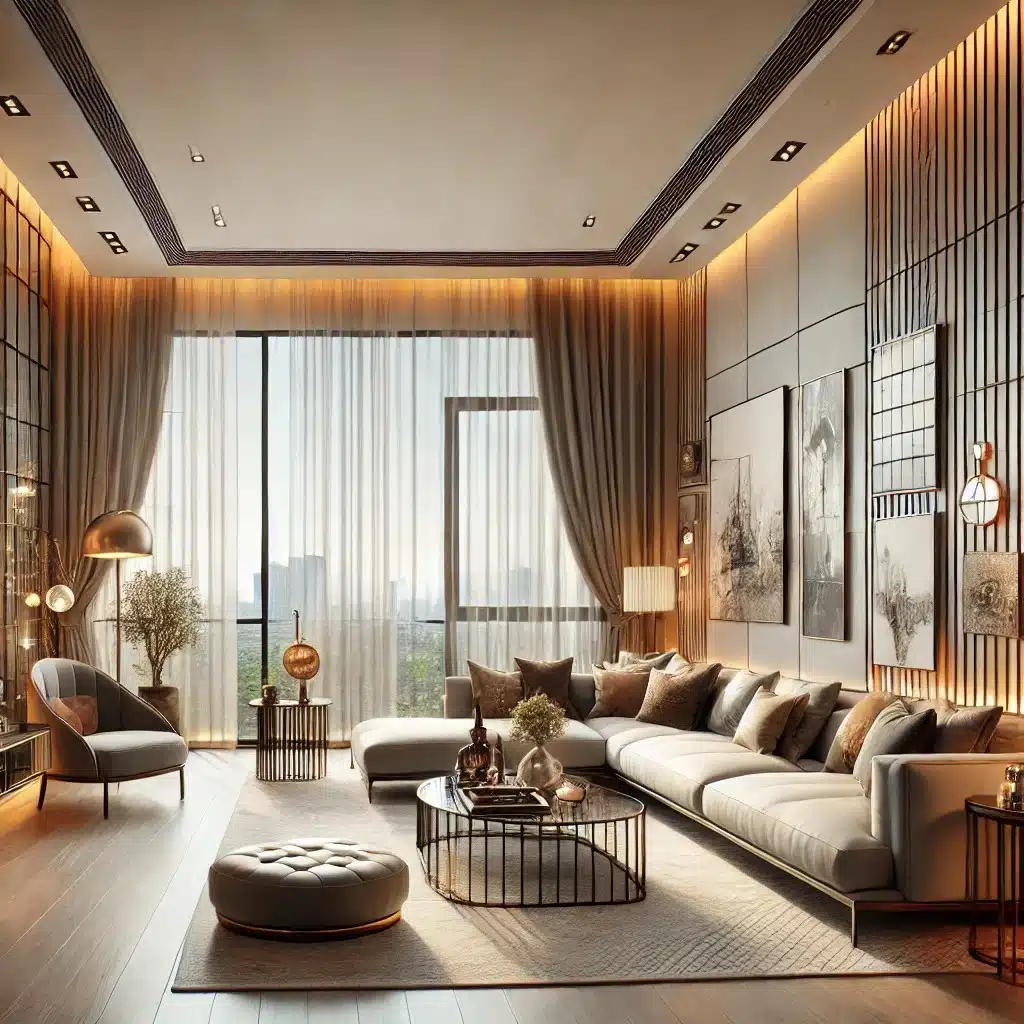
- Thoughtful lighting, textures, and furniture placement create positive psychological impact.
- Properties that feel “move-in ready” often command higher prices.
Emotional appeal drives higher buyer offers and faster sales, especially in competitive markets like Delhi NCR, Gurgaon, and Noida.
6. Strategic Renovations Add the Most Value
Interior design should focus on areas with the highest ROI:
- Kitchens and bathrooms: Renovations here often add the most value.
- Living and dining areas: Open, well-lit, and functional spaces attract attention.
- Bedrooms and storage solutions: Make the property more practical for families.
Investing in targeted interior improvements often boosts property value more than external renovations.
7. Consistency with Market Expectations
Interior design should align with the local market preferences:
- In Delhi NCR and Gurgaon, modern, minimalistic designs with neutral tones are highly preferred.
- In luxury segments, high-end finishes and bespoke furniture create a premium appeal.
- Mismatched interiors or overly personalized themes may reduce market desirability.
Aligning design with buyer expectations ensures higher offers and shorter market time.
Summary
Interior design significantly affects property value by enhancing first impressions, functionality, emotional appeal, and material quality. Strategic updates in kitchens, bathrooms, storage, and lighting can maximize ROI. In competitive markets like Delhi NCR, Gurgaon, and Noida, thoughtful, modern, and functional interiors can justify higher asking prices, faster sales, and increased overall marketability.
Invest in quality, functional, and market-aligned interior design to elevate property value and attract the right buyers.