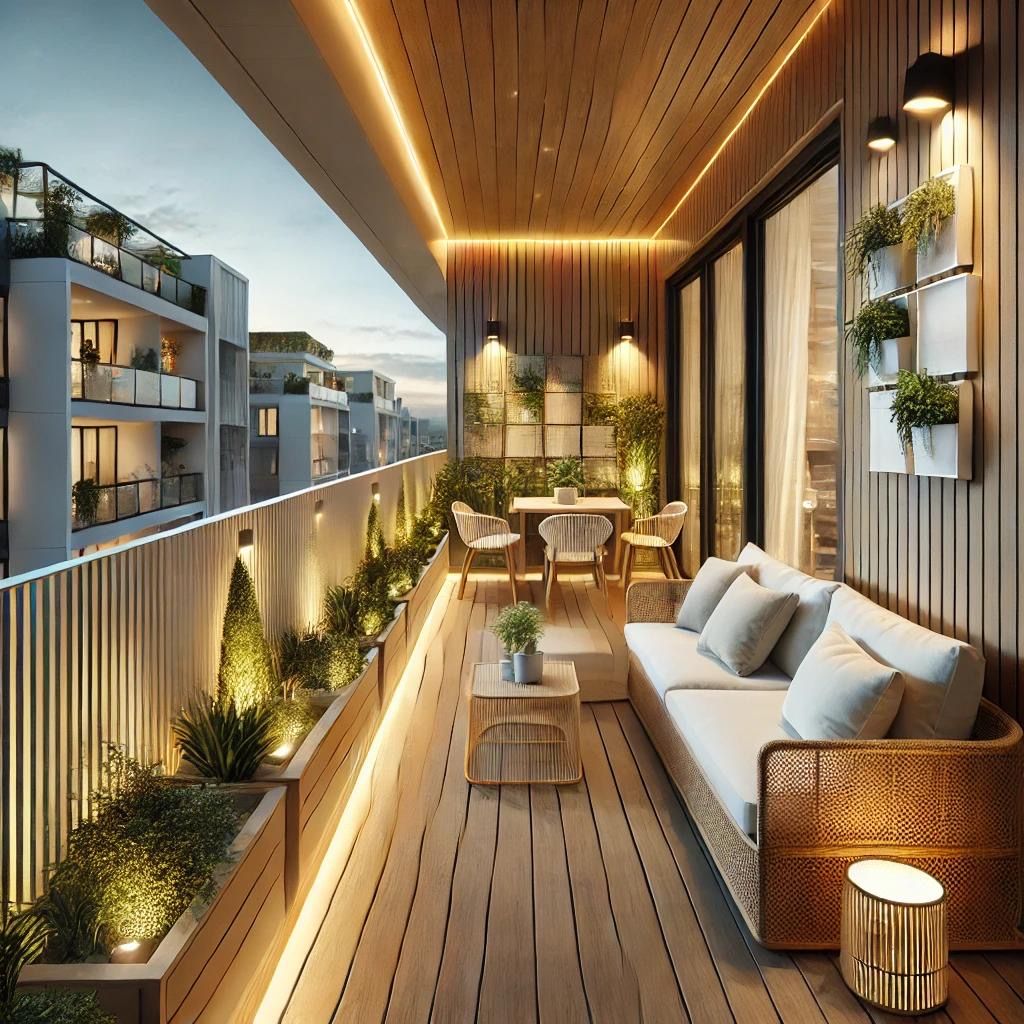
In recent years, India has witnessed a significant rise in the demand for well-designed homes, driven by changing lifestyles, increased urbanization, and a growing appreciation for aesthetics and functionality. Interior design and architecture are no longer considered luxury add-ons; they have become essential factors influencing home purchases, rental decisions, and property investments.
1. Shift in Lifestyle Preferences
Modern Indian homeowners increasingly prioritize:
- Comfort and functionality: Efficient layouts, smart storage, and multipurpose rooms.
- Aesthetics: Interiors that reflect personal taste, modern design trends, and cultural elements.
- Health and wellbeing: Natural lighting, ventilation, and eco-friendly materials are gaining importance.
This shift has created a surge in demand for homes that are ready-to-live, thoughtfully designed, and tailored to lifestyle needs.
2. Impact of Urbanization
Rapid urbanization has led to denser cities and smaller living spaces, making design quality a differentiator:
- Compact apartments require clever space planning.
- Mixed-use and gated communities prioritize well-planned layouts and cohesive design.
- Buyers are willing to pay a premium for homes with functional and aesthetically appealing interiors.
Cities like Delhi NCR, Gurgaon, and Noida have witnessed this trend most prominently, with developers incorporating modern interior solutions and smart home features to attract buyers.
3. Increasing Awareness About Property Value
Indian homebuyers now recognize that interior design affects property value and resale potential:
- Thoughtfully designed spaces increase perceived value.
- Functional layouts and modern amenities justify higher prices.
- Designers are being hired even for mid-segment homes to enhance appeal and marketability.
As a result, well-designed homes are seen as long-term investments, not just living spaces.
4. Influence of Global Exposure and Media
Exposure to global design trends through social media, TV shows, and real estate platforms has reshaped buyer expectations:
- Minimalist, modern, and sustainable designs are increasingly preferred.
- Use of natural materials, modular furniture, and smart interiors is on the rise.
- Buyers value designer consultation and turnkey solutions.
This awareness drives the demand for professional architects and interior designers, even in tier-2 cities.
5. Rise of Premium and Luxury Real Estate
Luxury and premium real estate projects now prioritize design as a key selling point:
- High-end developments focus on bespoke interiors, designer finishes, and unique layouts.
- Features like home automation, eco-friendly systems, and wellness spaces are increasingly common.
- Developers market well-designed homes as lifestyle products, attracting aspirational buyers.
Even mid-tier residential projects are investing in better layouts, aesthetics, and functionality to remain competitive.
6. Sustainability and Smart Living
Modern buyers demand homes that are eco-friendly and technologically advanced:
- Energy-efficient lighting, solar panels, and green building materials are popular.
- Smart homes with automated controls are becoming standard expectations.
- Homes that blend sustainability, comfort, and aesthetics are more desirable and valuable.
Sustainable and smart design solutions are no longer optional—they are key selling points in today’s market.
7. Developers Responding to Market Demand
Developers and builders are increasingly hiring interior designers and architects to:
- Ensure efficient space utilization in high-density urban projects.
- Enhance the visual and functional appeal of model homes.
- Increase property value and faster sales by offering move-in-ready, well-designed spaces.
In cities like Delhi NCR, Gurgaon, and Noida, well-designed homes sell faster and often at a higher price, reflecting this growing market preference.
Summary
The demand for well-designed homes in India is driven by:
- Modern lifestyle aspirations.
- Urbanization and efficient space usage.
- Awareness of property value and investment potential.
- Exposure to global design trends.
- Premiumization and luxury real estate developments.
- Sustainability and smart home features.
As buyers increasingly prioritize functional, aesthetically pleasing, and sustainable living spaces, architects, interior designers, and developers are collaborating more than ever to create homes that meet these evolving expectations.
Well-designed homes are no longer a luxury—they are a necessity that influences value, marketability, and lifestyle satisfaction.