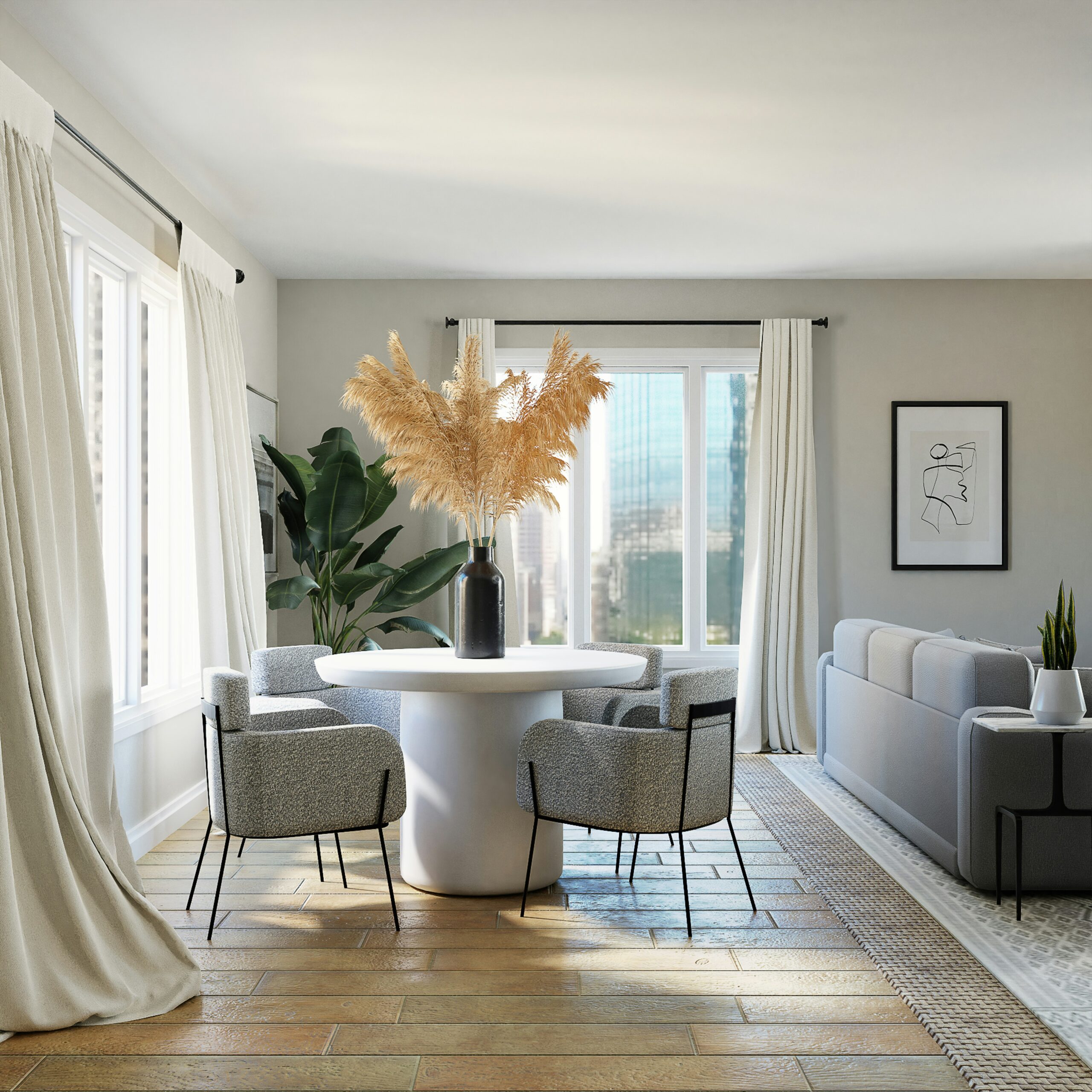
Interior design

“Ideas for creating a stylish home office.”

Creating a stylish home office involves combining functionality with aesthetics to enhance your workspace. Here are some ideas to help you design a stylish and productive home office:

  1. Choose the Right Location:
    • Select a location in your home that is quiet, well-lit, and separate from high-traffic areas. Natural light can be beneficial for productivity, so consider positioning your desk near a window.
  2. Invest in a Comfortable Chair:
    • Select an ergonomic and stylish office chair that provides comfort and support. The chair is a crucial element in your home office, so choose one that complements your decor.
  3. Optimal Desk Setup:
    • Choose a desk that suits your work needs and fits the available space. Consider a spacious desk with storage options to keep your work area organized. Floating desks or wall-mounted desks are great for small spaces.
  4. Stylish Lighting:
    • Invest in stylish lighting fixtures to illuminate your workspace. A combination of ambient, task, and accent lighting can create a well-lit and visually appealing office.
  5. Decorative and Functional Storage:
    • Use decorative storage solutions like shelves, bookcases, or filing cabinets to keep your office organized. Consider baskets or decorative boxes to conceal smaller items.
  6. Personalized Decor:
    • Add personal touches to make the space your own. Display artwork, photos, or decorative items that inspire you and contribute to a positive work environment.
  7. Statement Furniture:
    • Invest in a statement furniture piece, such as a unique desk or a stylish bookshelf, to add character to your home office. This can be a focal point that enhances the overall design.
  8. Color Scheme:
    • Choose a cohesive color scheme that aligns with your personal style. Consider calming and focused colors, such as neutral tones or muted blues and greens, to create a productive atmosphere.
  9. Organizational Accessories:
    • Incorporate stylish organizational accessories like trays, desktop organizers, and pen holders. These items not only keep your workspace tidy but also add a decorative touch.
  10. Inspiring Wall Art:
    • Hang inspiring or motivational wall art to boost your creativity and motivation. Consider a gallery wall or a large statement piece to elevate the visual appeal of your office.
  11. Greenery:
    • Introduce indoor plants to your home office to add a touch of nature. Plants not only enhance the decor but also contribute to a healthier and more enjoyable workspace.
  12. Cable Management:
    • Keep cables organized and out of sight with cable organizers or clips. This small detail can contribute to a clean and clutter-free aesthetic.
  13. Rugs and Carpets:
    • Define your office space with a stylish rug or carpet. This not only adds comfort underfoot but also contributes to the overall design of the room.
  14. Dual-Purpose Furniture:
    • If your home office shares space with another room (e.g., a guest room), consider dual-purpose furniture like a fold-down desk or a wall-mounted desk that can be concealed when not in use.
  15. Tech Accessories:
    • Choose stylish tech accessories, such as a sleek desk lamp, decorative mouse pad, or stylish monitor stand, to enhance the overall look of your home office.
  16. Room Dividers:
    • If your home office is part of a larger room, consider using room dividers or screens to create a defined workspace. This adds a touch of separation and privacy.
  17. Texture and Patterns:
    • Incorporate texture and patterns through textiles like curtains, throw pillows, or upholstery. This adds visual interest and warmth to your home office.
  18. Floating Shelves:
    • Install floating shelves to display decorative items, books, or storage containers. Floating shelves maximize vertical space and contribute to an organized and stylish look.
  19. Desk Accessories:
    • Choose stylish desk accessories like a designer desk clock, elegant pen holder, or a chic desk organizer. These details can enhance the overall aesthetic of your workspace.
  20. Functional Technology Integration:
    • Conceal or integrate technology seamlessly into your decor. Consider a stylish cable management box or a desk with built-in charging ports to keep your tech organized.

Remember that the key to a stylish home office is creating a space that reflects your personal taste and promotes productivity. Tailor the design to suit your work habits and preferences, and don’t hesitate to experiment with different elements until you find the perfect balance of style and functionality.

“Ideas for creating a stylish home office.” Read More Β»

“How to incorporate plants into home decor?”

Incorporating plants into home decor can add a touch of nature, improve air quality, and enhance the overall aesthetic of your living space. Whether you have a green thumb or are new to plant care, here are various ways to integrate plants into your home decor:

  1. Choose the Right Plants:
    • Select plants that suit your lifestyle and the conditions in your home. Consider factors like sunlight, humidity, and maintenance requirements. Popular indoor plants include snake plants, pothos, peace lilies, and succulents.
  2. Use Stylish Planters:
    • Invest in decorative planters that complement your interior style. You can find a variety of planters in different materials, colors, and styles to match your decor, from ceramic and terracotta to metallic and woven options.
  3. Create Plant Displays:
    • Arrange plants in clusters or groupings to create visual impact. Use varying heights and sizes to add dimension to the display. Consider placing plants on shelves, side tables, or dedicated plant stands.
  4. Hang Plants:
    • Utilize hanging planters or macramΓ© plant hangers to elevate your greenery. Hanging plants from the ceiling or placing them on wall hooks can save floor space and create a dynamic visual element.
  5. Incorporate Vertical Gardens:
    • Install vertical planters or wall-mounted shelves to create a vertical garden. This is an excellent option for small spaces, and it can turn your walls into a living, breathing work of art.
  6. Choose Statement Plants:
    • Consider incorporating large or unique plants that serve as focal points in a room. Tall, statement plants like fiddle leaf figs or bird of paradise can make a bold impact.
  7. Mix Real and Artificial Plants:
    • If you have limited access to natural light or are concerned about maintenance, mix real and artificial plants. High-quality artificial plants can provide the look of greenery without the need for sunlight or watering.
  8. Create a Plant Corner:
    • Dedicate a corner of a room to a collection of plants. Arrange them in various sizes and heights to create a lush, green corner that adds life to the space.
  9. Add Plants to the Bathroom:
    • Many plants thrive in the humid conditions of bathrooms. Consider placing plants like ferns, snake plants, or spider plants on bathroom countertops or hanging them from the shower curtain rod.
  10. Use Plants as Centerpieces:
    • Incorporate plants into your dining or coffee table decor. Place small potted plants in decorative containers or use a collection of succulents as a stylish centerpiece.
  11. Integrate Plants into Furniture:
    • Choose furniture pieces that incorporate space for plants. For example, consider a coffee table with a built-in planter or a shelving unit that doubles as a plant stand.
  12. Arrange Plants in Baskets:
    • Place potted plants in decorative baskets to add texture and warmth. This is an excellent way to elevate the visual appeal of your plants while keeping them mobile.
  13. Create a Herb Garden:
    • If you have a sunny kitchen, consider growing herbs in pots on your windowsill. This not only adds greenery but also provides fresh herbs for cooking.
  14. Group Plants by Type:
    • Create cohesion by grouping plants of the same type together. This can create a visually pleasing display and make it easier to care for plants with similar needs.
  15. Rotate Plants:
    • Change the placement of your plants occasionally to refresh the look of your space. This also helps ensure that each plant receives adequate light and attention.
  16. DIY Terrariums:
    • Create your own mini indoor garden by making terrariums. Use glass containers or jars to display a variety of small plants like succulents, moss, or air plants.
  17. Seasonal Plant Decor:
    • Update your plant decor with the seasons. Consider incorporating seasonal plants or flowers to reflect the changing atmosphere of your home throughout the year.
  18. Incorporate Plant Prints:
    • Integrate plant-themed prints or artwork into your decor. This can complement your live plants and create a cohesive botanical theme in the room.
  19. Enhance Nooks and Crannies:
    • Use plants to fill empty nooks, corners, or spaces that may otherwise go unnoticed. A small plant can bring life to even the tiniest corners.
  20. Create a Green Entryway:
    • Welcome guests with greenery by placing plants near the entryway. Consider using stylish planters or decorative stands to showcase your plants.

Remember to consider the specific needs of each plant, such as sunlight requirements and watering schedules, to ensure their well-being. With a thoughtful approach, plants can become integral elements of your home decor, contributing to a lively and inviting atmosphere.

“How to incorporate plants into home decor?” Read More Β»

“What are the current home decor styles?”

Interior design is dynamic, and new styles and trends emerge over time. Here are some home decor styles that were popular leading up to 2023:

  1. Modern Contemporary:
    • Clean lines, open spaces, and a focus on function characterize modern contemporary design. Neutral color palettes, minimalistic furniture, and a mix of materials like metal, glass, and concrete are common.
  2. Scandinavian:
    • Inspired by the Nordic design ethos, Scandinavian decor emphasizes simplicity, functionality, and a connection to nature. Light colors, natural materials, and a clutter-free environment are key features.
  3. Industrial:
    • Industrial decor often features raw materials like exposed brick, metal, and reclaimed wood. Open spaces, high ceilings, and utilitarian elements create an urban and edgy look.
  4. Bohemian (Boho):
    • Bohemian style is eclectic and free-spirited, blending various patterns, colors, and textures. It often incorporates global influences, vintage furniture, and handmade or artisanal items.
  5. Farmhouse:
    • Farmhouse decor combines rustic elements with modern conveniences. It often features distressed wood, neutral color palettes, vintage-inspired furnishings, and a cozy, lived-in feel.
  6. Mid-Century Modern:
    • Inspired by design elements from the mid-20th century, mid-century modern decor emphasizes functionality and sleek lines. Iconic furniture pieces, geometric patterns, and a mix of materials define this style.
  7. Traditional:
    • Traditional decor is characterized by classic and timeless elements. It often includes rich colors, elegant furnishings, ornate details, and a sense of formality.
  8. Transitional:
    • A blend of traditional and contemporary styles, transitional decor strikes a balance between classic and modern elements. It often features neutral colors, simple lines, and a mix of textures.
  9. Coastal/Nautical:
    • Inspired by beachside living, coastal decor incorporates light colors, natural textures, and nautical elements. Blues and whites are prevalent, and the overall feel is relaxed and casual.
  10. Art Deco:
    • Art Deco design, inspired by the 1920s and 1930s, is characterized by geometric shapes, bold colors, and luxurious materials. It often includes metallic accents, mirrored surfaces, and sleek, glamorous furnishings.
  11. Eclectic:
    • Eclectic decor embraces a mix of styles, periods, and cultural influences. It’s a personalized and curated style that allows for creative expression and a unique combination of elements.
  12. Minimalist:
    • Minimalist decor focuses on simplicity, with an emphasis on essential elements. Neutral color palettes, clean lines, and a “less is more” philosophy are central to minimalist design.
  13. Rustic:
    • Rustic decor celebrates the charm of natural materials and the warmth of country living. It often includes exposed wood, stone, and earthy tones, creating a cozy and inviting atmosphere.
  14. Global/Travel-Inspired:
    • Global decor incorporates elements from different cultures and regions around the world. It often features bold patterns, vibrant colors, and handcrafted items.
  15. Cottagecore:
    • Inspired by a romanticized rural lifestyle, cottagecore decor embraces simplicity, vintage finds, and a connection to nature. Soft colors, floral patterns, and cozy textiles are common.

Remember that these descriptions are generalizations, and many people enjoy combining elements from different styles to create a personalized and unique look. Additionally, design trends may evolve, so it’s always a good idea to stay updated on the latest developments in the world of home decor.

“What are the current home decor styles?” Read More Β»

“How to make a small space look larger with decor?”

Making a small space look larger involves strategic decorating choices that create the illusion of more space and maximize the available room. Here are some tips to make a small space appear larger with decor:

  1. Use Light Colors:
    • Opt for light and neutral colors for walls, furniture, and decor. Light colors reflect more light and make a space feel open and airy. White, soft pastels, and light shades of gray are good choices.
  2. Maximize Natural Light:
    • Allow as much natural light as possible into the space. Use sheer curtains or blinds that let light in while maintaining privacy. Natural light helps open up a room visually.
  3. Strategic Furniture Placement:
    • Arrange furniture to create open pathways and promote a sense of flow. Avoid blocking windows and doors. Place furniture away from the walls to create the illusion of more space.
  4. Choose Multi-Functional Furniture:
    • Opt for furniture that serves multiple purposes, such as a sofa bed, a storage ottoman, or a dining table with drop leaves. Multi-functional pieces help maximize space and reduce clutter.
  5. Scale Down Furniture Size:
    • Choose furniture that is proportionate to the size of the room. Avoid large, bulky pieces that can overwhelm the space. Opt for furniture with legs to create a sense of openness.
  6. Mirrors:
    • Use mirrors strategically to reflect light and create the illusion of depth. Place mirrors opposite windows to bounce natural light around the room. Mirrored furniture can also contribute to this effect.
  7. Declutter:
    • Keep the space clutter-free and organized. Use storage solutions like baskets, shelves, and hidden storage furniture to maintain a tidy appearance.
  8. Floating Shelves:
    • Install floating shelves to display items without taking up floor space. This keeps the walls open and visually expands the room.
  9. Lightweight Furniture:
    • Choose furniture with a visually lightweight appearance. Furniture with slender legs, glass tops, or open designs allows light to pass through, making the room feel less cramped.
  10. Vertical Lines:
    • Use vertical lines in decor elements to draw the eye upward and create the illusion of height. Vertical stripes on walls, tall bookshelves, or vertically oriented artwork can achieve this effect.
  11. Keep Decor Simple:
    • Embrace a simple and cohesive decor style. Avoid overly busy patterns or excessive decorations that can make a small space feel crowded. Choose a streamlined look for a clean and open feel.
  12. Clear or Lucite Furniture:
    • Transparent furniture, such as clear acrylic or lucite pieces, can create the illusion of more space. These pieces visually disappear, making the room feel more open.
  13. Choose Low-Profile Furniture:
    • Select furniture with low profiles to maintain an unobstructed view of the room. This helps create a more spacious feel.
  14. Use Light-Colored Flooring:
    • If possible, choose light-colored flooring to visually expand the space. Light-colored carpets, rugs, or hardwood floors can contribute to a brighter and more open atmosphere.
  15. Hang Curtains High and Wide:
    • Hang curtains near the ceiling and extend them beyond the width of the window. This creates the illusion of higher ceilings and a larger window, making the room feel more expansive.
  16. Limited Decorative Accents:
    • Be selective with decorative accents. Choose a few key pieces that enhance the overall aesthetic without overwhelming the space. Less can be more in a small room.
  17. Use Rugs Wisely:
    • Use rugs strategically to define different areas within the room. However, avoid using rugs that are too small, as they can make the space feel disjointed.
  18. Horizontal Lines:
    • Incorporate horizontal lines in design elements to add a sense of width. Horizontal stripes on walls or in decor items can visually expand the space.
  19. Open Shelving:
    • Consider open shelving instead of closed cabinets. Open shelves create a more airy and spacious look, and they provide an opportunity to display decorative items without adding visual weight.
  20. Optical Illusions:
    • Play with optical illusions to create a sense of depth. Using patterns like chevron or herringbone can give the appearance of more space.

By combining these strategies, you can transform a small space into a visually larger and more comfortable environment. The key is to prioritize openness, light, and functionality in your decor choices.

“How to make a small space look larger with decor?” Read More Β»

“Tips for creating a cozy bedroom atmosphere.”

Creating a cozy bedroom atmosphere involves a combination of thoughtful design, comfortable furnishings, and personal touches. Here are some tips to help you achieve a warm and inviting bedroom:

  1. Soft Bedding:
    • Invest in high-quality, soft bedding. Choose comfortable sheets, cozy blankets, and plush pillows to make your bed a welcoming haven.
  2. Layered Textures:
    • Add texture to your bedroom with layered textiles. Use a variety of textures such as faux fur, knitted blankets, and throw pillows to create a rich and tactile environment.
  3. Warm Color Palette:
    • Choose warm and soothing colors for your bedroom walls and decor. Earth tones, soft neutrals, and warm shades of blues and greens can contribute to a cozy atmosphere.
  4. Dimmable Lighting:
    • Install dimmable lighting options to control the ambiance. Soft, warm light is more inviting than harsh, bright lighting. Consider using bedside lamps or string lights.
  5. Curtains and Drapes:
    • Use curtains or drapes that can be drawn to create a sense of intimacy and warmth. Choose fabrics that complement your overall bedroom decor.
  6. Area Rug:
    • Place a soft and plush area rug beside your bed. It adds warmth to your feet when you get out of bed and helps define the space.
  7. Cozy Throw Blankets:
    • Keep a cozy throw blanket at the foot of your bed for chilly nights. It’s both practical and adds a decorative touch to the room.
  8. Personalized Decor:
    • Add personal touches to your bedroom with items that have sentimental value, such as family photos, artwork, or mementos. This creates a sense of connection and warmth.
  9. Comfortable Seating:
    • If space allows, include a comfortable chair or seating area. This provides a cozy spot for reading or relaxing outside of the bed.
  10. Scented Candles or Diffusers:
    • Use scented candles or essential oil diffusers with calming scents like lavender or vanilla. Pleasant aromas can contribute to a serene atmosphere.
  11. Plush Upholstery:
    • Choose furniture with plush upholstery or soft fabrics. Upholstered headboards, cushions, and seating contribute to the overall coziness.
  12. Tactile Elements:
    • Incorporate tactile elements like a shaggy rug, velvety throw pillows, or a soft upholstered bench to enhance the sense of touch in the room.
  13. Natural Elements:
    • Bring in natural elements such as potted plants, wooden furniture, or decorative stones. They add a touch of nature and warmth to the space.
  14. Soft Wall Colors:
    • Consider soft and muted wall colors. Lighter shades can make the room feel more open and airy, while still maintaining a cozy atmosphere.
  15. Organized Clutter:
    • Keep the room organized but add a touch of “organized clutter” with decorative baskets, trays, or storage boxes. This can make the space feel lived-in and comforting.
  16. Luxurious Bedside Details:
    • Pay attention to bedside details. Add a small tray with a carafe of water, a good book, or a journal for a touch of luxury.
  17. Blackout Curtains:
    • If you prefer a dark sleeping environment, consider blackout curtains. They can contribute to a cozy feeling by blocking out external light.
  18. Personalized Lighting:
    • Install bedside lamps with warm-toned bulbs. This provides softer illumination compared to harsh overhead lighting.
  19. Noise Reduction:
    • Consider incorporating noise-reducing elements such as rugs, curtains, or soft furnishings to create a quieter and more peaceful atmosphere.
  20. Reflective Surfaces:
    • Use mirrors strategically to reflect light and create the illusion of space. A well-placed mirror can also enhance the overall coziness of the room.

Remember, the key to creating a cozy bedroom is to tailor the space to your preferences and make it a place where you feel comfortable and relaxed. Experiment with different elements until you find the perfect combination for your own cozy retreat.

“Tips for creating a cozy bedroom atmosphere.” Read More Β»

“How to decorate a rented apartment without making permanent changes?”

Decorating a rented apartment without making permanent changes requires creativity and resourcefulness. Here are some ideas to enhance your space without causing damage or violating your lease agreement:

  1. Removable Wallpaper:
    • Use removable wallpaper to add patterns and colors to your walls. This is a temporary solution that won’t damage the paint underneath.
  2. Temporary Wall Decals:
    • Decorative wall decals can be applied and removed without leaving a trace. They come in various designs and can be a fun and easy way to personalize your space.
  3. Area Rugs:
    • Add warmth and personality to a room with area rugs. They’re easy to roll up and take with you when you move.
  4. Removable Hooks and Command Strips:
    • Command hooks and strips are great for hanging lightweight items like art, mirrors, or string lights. They can be removed without damaging the walls.
  5. Over-the-Door Hooks:
    • Utilize over-the-door hooks for additional storage and organization. These can be removed when you move out.
  6. Furniture Slipcovers:
    • If you’re not a fan of your rental’s furniture, consider using slipcovers to give them a fresh look without making any permanent changes.
  7. Temporary Window Treatments:
    • Use temporary window treatments like tension rods and removable adhesive hooks for curtains or blinds. This allows you to add privacy and style without altering the existing fixtures.
  8. Decorative Tapestries:
    • Hang decorative tapestries to cover plain or unattractive walls. They are lightweight and can be easily taken down when you move.
  9. Removable Backsplash Tiles:
    • If you want to upgrade the kitchen or bathroom, consider removable backsplash tiles. They come in various styles and can be easily removed without damaging surfaces.
  10. Portable Furniture:
    • Invest in portable furniture that can easily be moved or taken with you when you relocate. This includes folding tables, lightweight chairs, and modular furniture.
  11. Floating Shelves:
    • Use floating shelves to display decor items without having to make holes in the walls. They can be installed with minimal impact on the space.
  12. Decorative Peel-and-Stick Floor Tiles:
    • If you’re not a fan of the flooring, consider peel-and-stick floor tiles. They can be applied and removed without damaging the original floor.
  13. Layered Lighting:
    • Add floor lamps, table lamps, and string lights to create a cozy atmosphere. These can be easily moved or taken with you when you leave.
  14. Temporary Backsplashes:
    • For the kitchen, consider using removable and temporary backsplash options like peel-and-stick tiles or adhesive backsplash rolls.
  15. Portable Room Dividers:
    • If you want to create separate zones in a studio apartment, use portable room dividers or screens. They don’t require any installation and can be easily repositioned.
  16. Curtain Room Dividers:
    • Hang curtains as room dividers to create distinct spaces. Tension rods or curtain wires can be used for easy installation and removal.
  17. Decorative Mirrors:
    • Mirrors can make a space feel larger and add a decorative touch. Lean them against the wall or use removable adhesive hooks to hang them.
  18. Temporary Contact Paper:
    • Update countertops or shelves with removable contact paper. This is an affordable and temporary solution for adding color or pattern.
  19. Personalized Hardware:
    • Switch out drawer pulls or cabinet handles with personalized options. Keep the original hardware to reinstall when you move.
  20. Decorative Storage Solutions:
    • Use decorative baskets, bins, and storage containers to keep things organized while adding visual interest to the space.

Always check your lease agreement to ensure that you’re following any guidelines regarding temporary changes. Most temporary solutions are renter-friendly and can be easily removed, leaving the apartment in its original condition when you move out.

“How to decorate a rented apartment without making permanent changes?” Read More Β»

“How to mix patterns in home decor?”

Mixing patterns in home decor can add visual interest and personality to a space, but it requires some thought and strategy to achieve a cohesive and stylish look. Here are tips on how to mix patterns effectively:

  1. Start with a Base Color:
    • Choose a neutral or solid color as the base for your decor. This can serve as the backdrop for your pattern mixing and provide a visual anchor to prevent the space from feeling overwhelming.
  2. Stick to a Color Palette:
    • Select a color palette for your patterns. Stick to a cohesive set of colors that complement each other. This will help create a harmonious and unified look.
  3. Vary Scale and Size:
    • Mix patterns of different scales and sizes to create contrast and visual interest. For example, pair a large-scale floral print with a smaller geometric pattern.
  4. Use a Dominant Pattern:
    • Choose one pattern to be the dominant or focal point in the room. This could be a bold wallpaper, a large area rug, or statement furniture with a standout pattern.
  5. Incorporate Solid Colors:
    • Break up patterns with solid colors to provide balance and prevent the space from feeling too busy. Use solid-colored furniture, pillows, or accessories to create breathing space.
  6. Choose a Unifying Element:
    • Select a common element that ties the patterns together. This could be a shared color, texture, or style that runs through each pattern in the room.
  7. Mix Pattern Types:
    • Combine different types of patterns for variety. This includes florals, stripes, polka dots, plaids, and geometric prints. Mixing pattern types adds depth and complexity to the decor.
  8. Consider Texture:
    • Introduce texture to the mix to add another layer of visual interest. Textured fabrics or materials can complement patterns and create a more dynamic look.
  9. Stick to Odd Numbers:
    • When using multiple patterns, consider sticking to an odd number of patterns. This often creates a more balanced and visually appealing arrangement.
  10. Create a Balance:
    • Aim for balance in the distribution of patterns throughout the room. Avoid clustering patterns in one area, and instead, distribute them evenly to create a cohesive look.
  11. Use a Neutral Background:
    • If you’re working with bold patterns, consider using a neutral background to tone down the overall effect. This can prevent the room from feeling too chaotic.
  12. Consider Tone-on-Tone Patterns:
    • Tone-on-tone patterns, where the pattern is in similar colors but different shades, can create a sophisticated and subtle look while still adding texture.
  13. Test with Samples:
    • Before committing to large-scale patterns, test with samples or small items like throw pillows. This allows you to see how patterns work together in your specific space.
  14. Layer Patterns Gradually:
    • If you’re new to pattern mixing, start with a neutral base and gradually layer in patterns. This allows you to experiment without overwhelming the space.
  15. Trust Your Instincts:
    • Ultimately, trust your instincts and personal style. If you love the patterns and they make you happy, the mix is likely successful.

Remember that the key to successful pattern mixing is to balance boldness with restraint and maintain a sense of cohesion throughout the room. Experiment with different combinations, and don’t be afraid to showcase your unique style.

“How to mix patterns in home decor?” Read More Β»

“Where to buy affordable home decor online?”

There are several online platforms where you can find affordable home decor to enhance your space without breaking the bank. Here are some popular options:

  1. Amazon:
    • Amazon offers a wide range of home decor items at various price points. You can find everything from wall art and furniture to lighting and decorative accessories.
  2. Wayfair:
    • Wayfair is known for its extensive selection of affordable furniture and home decor. They often have sales and discounts, making it a budget-friendly option.
  3. IKEA:
    • IKEA is a well-known destination for affordable and stylish furniture and home decor. You can order online, and they often have budget-friendly options for every room.
  4. Target:
    • Target’s home decor section features a variety of affordable and trendy items. From throw pillows to wall art, you can find budget-friendly options to update your space.
  5. Walmart:
    • Walmart offers a wide range of home decor items, including furniture, bedding, and accessories. They often have low prices and frequent sales.
  6. H&M Home:
    • H&M Home provides stylish and budget-friendly decor items, including textiles, decorative accessories, and kitchenware.
  7. Overstock:
    • Overstock offers discounted prices on furniture, decor, and more. They often have sales and clearance sections where you can find affordable options.
  8. HomeGoods:
    • HomeGoods doesn’t have an online shopping platform, but its parent company, TJX, offers online shopping through stores like T.J.Maxx and Marshalls. You can find discounted home decor items on their websites.
  9. Etsy:
    • Etsy is a marketplace for handmade and unique items. Many sellers offer affordable and customizable home decor, including art prints, candles, and textiles.
  10. Big Lots:
    • Big Lots is known for offering budget-friendly furniture, decor, and seasonal items. You can find affordable options for various rooms in your home.
  11. Joss & Main:
    • Joss & Main is part of the Wayfair family and offers stylish and affordable home decor with frequent sales and discounts.
  12. World Market:
    • World Market provides a unique selection of affordable furniture, decor, and international-inspired items. They often have sales and discounts on their products.
  13. Kirkland’s:
    • Kirkland’s offers a variety of home decor items, including wall art, furniture, and accessories at reasonable prices. They frequently have sales and promotions.
  14. AllModern:
    • AllModern, like Wayfair, is part of the Wayfair family. It focuses on modern and contemporary home decor, often at affordable prices.
  15. CB2:
    • CB2, Crate and Barrel’s more affordable sister brand, offers modern and stylish home decor items at various price points.

When shopping for affordable home decor online, it’s a good idea to compare prices, read reviews, and take advantage of sales and promotions to get the best deals. Keep in mind that some stores may offer budget-friendly options for specific items, so exploring multiple platforms can help you find the best value for your budget.

“Where to buy affordable home decor online?” Read More Β»

“DIY home decor ideas on a budget.”

Decorating your home on a budget doesn’t mean sacrificing style and creativity. There are plenty of DIY (Do It Yourself) home decor ideas that are affordable, fun, and can add a personal touch to your space. Here are some budget-friendly DIY home decor ideas:

  1. Gallery Wall:
    • Create a gallery wall using a collection of framed photos, artwork, or even postcards. You can mix and match frames for an eclectic look.
  2. Upcycled Furniture:
    • Give old or thrifted furniture a new lease on life with a fresh coat of paint or new hardware. This can transform the look of a room without a significant investment.
  3. DIY Wall Art:
    • Create your own artwork using canvas, paint, or even fabric. Abstract paintings, geometric designs, or simple typography can make a bold statement.
  4. Floating Shelves:
    • Install floating shelves on empty walls. These can be used to display books, plants, or decorative items, adding both function and style.
  5. Mason Jar Crafts:
    • Mason jars can be repurposed into various DIY decor items, such as candle holders, flower vases, or storage containers. Paint or decorate them to match your style.
  6. Pallet Furniture:
    • Build simple furniture pieces, like coffee tables or bookshelves, using pallets. Sand them down and paint or stain for a rustic, budget-friendly look.
  7. Rope Decor:
    • Incorporate natural elements like rope into your decor. Create rope-wrapped vases, mirrors, or lampshades for a nautical or bohemian touch.
  8. DIY Throw Pillows:
    • Make your own throw pillows by sewing or embellishing existing ones. Fabric paint, stencils, or even tie-dye techniques can add a personal touch.
  9. Tapestry or Fabric Wall Hanging:
    • Use a colorful fabric or a patterned tapestry to create a budget-friendly wall hanging. You can use a dowel rod for easy hanging.
  10. Washi Tape Accents:
    • Decorate walls, furniture, or accessories with washi tape. It comes in various colors and patterns, allowing you to add a temporary and playful touch to your decor.
  11. Crate Shelving:
    • Repurpose wooden crates into shelving units. Stack them vertically or horizontally, and use them to store books, plants, or other decorative items.
  12. DIY Planters:
    • Turn old tin cans, wooden boxes, or glass containers into unique planters. Paint or decorate them to match your decor style.
  13. Cork Board Wall:
    • Create a cork board wall using cork tiles. It’s a practical and decorative way to display notes, photos, and mementos.
  14. Fabric-Covered Books:
    • Update the look of old books by covering them with colorful or patterned fabric. Display them on shelves for a stylish and cohesive look.
  15. Stenciled Furniture:
    • Use stencils to add patterns or designs to furniture pieces. This is an affordable way to update the look of dressers, tables, or cabinets.
  16. Branch Hanging Rack:
    • Collect branches from your backyard, paint or stain them, and create a unique hanging rack for coats or accessories.
  17. Candle Centerpieces:
    • Arrange candles of various sizes and shapes on a tray or in a decorative bowl for an elegant and budget-friendly centerpiece.
  18. Paper Lanterns:
    • Hang paper lanterns in different colors and sizes to add a whimsical and festive atmosphere to a room.
  19. Personalized Doormat:
    • Customize a plain doormat with paint or a stencil to add a welcoming touch to your entryway.
  20. Mirror Makeover:
    • Update an old or inexpensive mirror by framing it with reclaimed wood, adding decorative trim, or painting the frame to match your decor.

Remember, the key to successful DIY home decor is to have fun and let your creativity shine. Experiment with different materials, colors, and techniques to create a space that reflects your personality and style.

“DIY home decor ideas on a budget.” Read More Β»

“How to choose the right color scheme for my home?”

Choosing the right color scheme for your home is an important decision, as colors can significantly impact the overall atmosphere and mood of a space. Here are steps to help you choose the right color scheme for your home:

  1. Consider Your Preferences:
    • Start by considering your personal preferences. Think about colors that you naturally gravitate towards and that make you feel comfortable and happy.
  2. Determine the Mood:
    • Identify the mood or atmosphere you want to create in each room. For example, do you want a calming and serene bedroom, an energizing and vibrant kitchen, or a cozy and inviting living room?
  3. Understand Color Psychology:
    • Familiarize yourself with color psychology to understand the emotional impact of different colors. For example, blues and greens are often associated with calmness, while yellows and oranges can evoke energy and warmth.
  4. Consider Room Size and Function:
    • Take into account the size and function of each room. Lighter colors tend to make a space feel larger, while darker colors can create a more intimate and cozy atmosphere.
  5. Create a Flow:
    • Aim for a cohesive color palette throughout your home to create a sense of flow and continuity. Consider how each room connects visually with the adjacent spaces.
  6. Use the Color Wheel:
    • Familiarize yourself with the color wheel to understand color relationships. Complementary colors (opposite on the wheel) create high contrast, while analogous colors (next to each other) offer a harmonious look.
  7. Start with Neutral Base:
    • Begin with a neutral base for larger and more permanent elements, such as walls and larger furniture. Neutrals like whites, grays, and beiges provide a versatile foundation.
  8. Accent Colors:
    • Introduce accent colors for smaller decor elements, such as throw pillows, artwork, or accessories. These accents can add pops of color and personality to the space.
  9. Consider Natural Light:
    • Take into account the amount of natural light each room receives. Colors may appear different in various lighting conditions, so test samples in different parts of the room.
  10. Test Paint Samples:
    • Before committing to a color, test paint samples on a small section of the wall. Observe how the color looks in different lighting throughout the day before making a final decision.
  11. Think About Trends:
    • While it’s essential to choose colors that resonate with you, consider current design trends for inspiration. However, don’t feel obligated to follow trends if they don’t align with your personal style.
  12. Coordinate with Existing Furniture:
    • If you already have furniture or decor pieces you plan to keep, choose colors that complement or coordinate with these existing elements.
  13. Use a 60-30-10 Rule:
    • Follow the 60-30-10 rule for a balanced color scheme. Choose a dominant color (60%), a secondary color (30%), and an accent color (10%) to create visual balance.
  14. Consider Temperature:
    • Colors are categorized as warm or cool. Warm colors (reds, yellows) can create a cozy and intimate feel, while cool colors (blues, greens) can evoke a sense of calmness and freshness.
  15. Seek Professional Advice:
    • If you’re unsure or overwhelmed, consider seeking advice from a professional color consultant or interior designer. They can provide guidance based on your preferences and the specific characteristics of your home.

Remember that the right color scheme is a personal choice, and there are no strict rules. Trust your instincts, take your time, and enjoy the process of transforming your home with color.

“How to choose the right color scheme for my home?” Read More Β»

“Tips for budget-friendly home decor.”

Decorating your home on a budget doesn’t mean compromising on style. With some creativity and strategic planning, you can achieve a stylish and inviting space without breaking the bank. Here are some tips for budget-friendly home decor:

  1. Set a Budget:
    • Start by establishing a realistic budget for your home decor project. Having a clear budget will guide your decisions and help you prioritize spending on key items.
  2. DIY Projects:
    • Explore do-it-yourself (DIY) projects for decor items. You can create art, furniture, and decorative pieces using affordable materials and your creativity.
  3. Thrift Stores and Secondhand Shops:
    • Visit thrift stores, consignment shops, and secondhand markets for budget-friendly furniture and decor. You might find unique and stylish pieces at a fraction of the cost.
  4. Repurpose and Upcycle:
    • Give new life to old furniture or decor items through repurposing and upcycling. A fresh coat of paint, new hardware, or a creative transformation can make a big difference.
  5. Shop Sales and Clearance:
    • Keep an eye on sales, clearance, and discount sections in home decor stores. You can find quality items at reduced prices, especially during seasonal sales.
  6. Budget-Friendly Retailers:
    • Explore budget-friendly home decor retailers and discount stores. Many stores offer stylish and affordable options for furniture, accessories, and decor.
  7. Focus on Key Pieces:
    • Allocate a larger portion of your budget to key pieces that have a significant impact, such as a statement rug, a stylish sofa, or a standout piece of art.
  8. Use Wall Decals:
    • Wall decals are an affordable and removable alternative to wallpaper. They come in various designs and can add a decorative touch to walls without a hefty price tag.
  9. Shop Online Marketplaces:
    • Browse online marketplaces like Facebook Marketplace, Craigslist, or local buy/sell groups for pre-owned furniture and decor. You may find great deals in your local community.
  10. Swap and Borrow:
    • Consider swapping decor items with friends or family members. Borrowing items for a short period can also help you achieve a new look without spending money.
  11. Create a Gallery Wall:
    • Instead of investing in expensive artwork, create a gallery wall with a mix of affordable prints, photographs, and DIY art. This allows you to personalize your space at a lower cost.
  12. Use Removable Wallpaper:
    • Removable wallpaper is an inexpensive way to add pattern and color to a space without the commitment of traditional wallpaper. It’s easy to install and remove.
  13. Invest in Versatile Pieces:
    • Choose versatile furniture and decor items that can adapt to different styles or be repurposed in the future. This adds longevity to your investment.
  14. Consider Rental Furniture:
    • For large pieces of furniture, consider rental options. This can be particularly useful if you plan to move or if you’re looking for a temporary solution.
  15. Focus on Lighting:
    • Good lighting can enhance the overall look of a room. Invest in budget-friendly lighting fixtures, and consider using LED bulbs for energy efficiency.

Remember that a well-decorated home is a reflection of your personal style, and it’s possible to achieve a stylish look on a budget with thoughtful planning and creativity.

“Tips for budget-friendly home decor.” Read More Β»

“What are the latest interior design trends?”

Interior design trends evolve over time, and as of my last knowledge, several trends were gaining popularity. However, keep in mind that trends can change, and it’s always a good idea to check for the latest updates. Here are some interior design trends that were prevalent around that time:

  1. Biophilic Design:
    • Bringing nature indoors through the use of natural materials, indoor plants, and ample natural light.
  2. Earth Tones:
    • Warm, earthy colors such as terracotta, olive green, and deep browns were popular for creating cozy and grounding atmospheres.
  3. Mixed Materials:
    • Combining different materials like metal, wood, stone, and glass to add texture and visual interest.
  4. Maximalism:
    • Embracing bold patterns, vibrant colors, and a mix of textures in a way that exudes personality and individuality.
  5. Sustainable Design:
    • A focus on eco-friendly and sustainable materials, as well as energy-efficient design solutions.
  6. Grandmillennial Style:
    • Blending traditional elements with a modern twist, incorporating classic patterns, vintage items, and a sense of nostalgia.
  7. Curved Furniture:
    • Furniture with curved lines and organic shapes, providing a softer and more inviting aesthetic.
  8. Japandi Style:
    • Combining elements of Japanese minimalism with Scandinavian design principles, resulting in a harmonious and balanced look.
  9. Bold Wallpapers:
    • Using bold and artistic wallpapers to make a statement on accent walls or throughout entire rooms.
  10. Dark and Moody Interiors:
    • Embracing darker color palettes, such as deep blues, charcoal grays, and blacks, to create dramatic and cozy spaces.
  11. Flexible and Multi-Functional Spaces:
    • Designing spaces that can adapt to different functions, reflecting the changing needs of homeowners.
  12. Smart Home Integration:
    • Incorporating smart home technology seamlessly into the design, including smart lighting, thermostats, and security systems.
  13. Warm Metals:
    • A shift from cooler metals to warmer tones like brass and gold, adding a touch of luxury and warmth.
  14. Navy Blue:
    • Navy blue emerged as a popular color choice for interiors, providing a sophisticated and versatile alternative to black.
  15. Cottagecore Aesthetic:
    • Inspired by a romanticized rural lifestyle, featuring vintage elements, floral patterns, and a cozy, nostalgic atmosphere.

It’s important to note that trends are subjective, and the best design choices are those that align with your personal style and preferences. Additionally, interior design trends can change, so it’s advisable to check the latest sources for the most up-to-date information.

“What are the latest interior design trends?” Read More Β»

“How to decorate a small living room?”

Decorating a small living room requires thoughtful planning to maximize space, functionality, and style. Here are some tips to help you decorate a small living room effectively:

  1. Choose the Right Furniture:
    • Opt for furniture that is appropriately scaled to the size of the room. Consider space-saving furniture like compact sofas, armless chairs, and multi-functional pieces with built-in storage.
  2. Use Light Colors:
    • Light colors, especially neutral tones, can create a sense of openness and make the room feel larger. Consider using light-colored furniture, walls, and decor.
  3. Maximize Natural Light:
    • Keep window treatments simple to allow as much natural light as possible into the room. Use sheer curtains or blinds that can be easily opened during the day.
  4. Mirrors for Depth:
    • Hang mirrors strategically to reflect light and create the illusion of more space. A well-placed mirror can make the room feel brighter and more expansive.
  5. Multi-Functional Furniture:
    • Choose furniture that serves more than one purpose. For example, a coffee table with storage or a sofa that can double as a sleeper. This helps minimize clutter.
  6. Floating Shelves:
    • Install floating shelves on the walls to display decorative items without taking up floor space. This also adds a vertical dimension to the room.
  7. Keep it Clutter-Free:
    • Minimize clutter by avoiding too many accessories and knick-knacks. Select a few meaningful pieces that enhance the decor without overwhelming the space.
  8. Use Wall Space:
    • Utilize vertical wall space for storage. Consider wall-mounted shelves or cabinets to store items without encroaching on floor space.
  9. Create Zones:
    • Define different zones within the living room for specific functions. For example, a reading nook with a comfortable chair and a small side table.
  10. Choose Leggy Furniture:
    • Furniture with exposed legs creates a sense of openness by allowing light to pass through and making the floor visible. This contributes to a more airy feel.
  11. Scale Down Decor:
    • Select decor items that are proportionate to the size of the room. Avoid oversized artwork or furniture that can make the space feel cramped.
  12. Foldable Furniture:
    • Consider foldable furniture pieces that can be tucked away when not in use. This is especially helpful for extra seating or tables during gatherings.
  13. Vertical Stripes:
    • Vertical stripes, whether in wallpaper or decor, can visually elongate the walls and create the perception of height.
  14. Keep Furniture Away from Walls:
    • Avoid pushing all furniture against the walls. Creating a bit of space between the furniture and walls can make the room feel more dynamic.
  15. Lightweight Furniture:
    • Choose furniture with a lighter visual weight. Furniture with slender frames and open designs can give the impression of more space.

Remember to personalize the space with elements that reflect your style, and don’t be afraid to experiment with different arrangements until you find what works best for your small living room.

“How to decorate a small living room?” Read More Β»

“Famous interior designers and their work”

[vc_row][vc_column][vc_column_text]Please note that new designers may have gained prominence since then. Here are some well-known interior designers and a brief overview of their work:


    1. Kelly Wearstler:
        • Style: Known for her bold and eclectic style that combines vibrant colors, patterns, and luxurious materials.
        • Notable Projects: The Viceroy Hotels, Bergdorf Goodman restaurant, and various residential projects.

    2. Nate Berkus:
        • Style: Emphasizes a mix of vintage and modern elements, creating comfortable and stylish spaces.
        • Notable Projects: The Greenwich Hotel, Oprah Winfrey’s Montecito estate, and collaborations with Target.

    3. Candice Olson:
        • Style: Renowned for her elegant and timeless designs, often featured on HGTV’s “Divine Design” and “Candice Tells All.”
        • Notable Projects: Residential designs showcased on her television programs.

    4. Philippe Starck:
        • Style: Internationally acclaimed for his contemporary and avant-garde designs in hospitality, commercial, and residential spaces.
        • Notable Projects: The Delano Hotel in Miami, the Mondrian Hotel in Los Angeles, and numerous high-profile collaborations.

    5. Jean-Louis Deniot:
        • Style: Blends traditional and modern elements, creating sophisticated and luxurious interiors.
        • Notable Projects: The Nolinski Hotel in Paris, private residences, and international design projects.

    6. Joanna Gaines:
        • Style: Co-host of HGTV’s “Fixer Upper,” known for her farmhouse-chic style that incorporates rustic and modern elements.
        • Notable Projects: Renovations featured on “Fixer Upper,” collaborations with Magnolia Home.

    7. Tom Dixon:
        • Style: A British designer known for his innovative and industrial-inspired designs in lighting, furniture, and interiors.
        • Notable Projects: The Mondrian London hotel, various lighting and furniture collections.

    8. India Mahdavi:
        • Style: Renowned for her playful and colorful designs that often include a mix of styles and cultural influences.
        • Notable Projects: The Gallery at Sketch in London, the Red Valentino store in Rome, and residential projects.

    9. Martyn Lawrence Bullard:
        • Style: Known for his diverse and eclectic designs that cater to a celebrity clientele.
        • Notable Projects: Design work for the homes of celebrities such as Elton John, Cher, and Tommy Hilfiger.

    10. Kelly Hoppen:
        • Style: Specializes in creating elegant and calming interiors, often incorporating neutral tones and luxurious textures.
        • Notable Projects: Designs for residential, hospitality, and commercial spaces globally.

These designers have left a significant impact on the world of interior design through their unique styles, innovative concepts, and high-profile projects. Keep in mind that the design industry is dynamic, and new talents may have emerged since my last update.

[/vc_column_text][vc_column_text]

white and gray sofa chairs near white window curtain

FAQ on Famous Interior Designers and Their Work


1. Who are some of the most famous interior designers in the world?

Some globally renowned interior designers include:

  • Kelly Wearstler: Known for her eclectic and bold designs.
  • Joanna Gaines: Famous for modern farmhouse style.
  • Nate Berkus: Minimalist and personalized interior designs.
  • Marcel Wanders: Contemporary and avant-garde creations.
  • Philippe Starck: Iconic for futuristic and innovative designs.

2. Which famous interior designers have impacted Indian design trends?

  • Gauri Khan: Sophisticated and luxurious spaces.
  • Sunita Kohli: Known for heritage conservation and elegant interiors.
  • Shabnam Gupta: Quirky and creative designs.
  • Ritu Beri: Merges fashion sensibilities with interior aesthetics.

3. What are some iconic projects by Kelly Wearstler?

Kelly Wearstler’s most notable works include:

  • Viceroy Hotels (Santa Monica).
  • Proper Hotel (San Francisco).
  • Celebrity homes with bold colors and unique textures.

4. What makes Philippe Starck’s work unique?

Philippe Starck is celebrated for:

  • Minimalist yet artistic designs.
  • Use of futuristic materials and technology.
  • Iconic spaces like Le Meurice Hotel in Paris and The Hudson Hotel in New York.

5. What are Joanna Gaines’ signature interior styles?

Joanna Gaines is known for:

  • Modern farmhouse aesthetics.
  • Use of natural materials like wood and stone.
  • Incorporating vintage and rustic elements.

6. What is Nate Berkus’ design philosophy?

Nate Berkus emphasizes:

  • Creating spaces that reflect the homeowner’s personality.
  • Using a neutral palette with pops of color.
  • Incorporating sentimental objects into the design.

7. Which interior designers are known for eco-friendly designs?

  • Kelly Hoppen: Sustainable luxury in modern designs.
  • Alanna Kaivalya: Indian designer blending eco-conscious materials with contemporary styles.
  • Ilse Crawford: Focus on well-being and sustainable spaces.

8. What are some famous Indian heritage restoration projects by Sunita Kohli?

  • Rashtrapati Bhavan, New Delhi: Restoration of the Mughal-inspired interiors.
  • Parliament House Library: Maintaining colonial-era elegance.

9. Who are some interior designers specializing in luxury spaces?

  • Peter Marino: Known for high-end luxury brands like Chanel and Louis Vuitton.
  • Gauri Khan: Renowned for designing celebrity homes in India.
  • Kelly Wearstler: A leading name in luxury hospitality and residential interiors.

10. What are the notable projects of Marcel Wanders?

  • Mondrian South Beach Hotel, Miami.
  • Andaz Amsterdam Prinsengracht, a luxurious boutique hotel.
  • Unique furniture pieces for brands like Moooi.

11. How did Shabnam Gupta redefine Indian contemporary design?

  • Known for designing celebrity homes such as that of Irrfan Khan.
  • Bold use of patterns, textures, and local crafts.
  • Merging functionality with creative aesthetics.

12. What are the key features of Ritu Beri’s interior designs?

  • Blend of fashion and interior aesthetics.
  • Vibrant colors and bold patterns.
  • Luxurious finishes inspired by Indian and global themes.

13. What are the characteristics of Zaha Hadid’s interior designs?

  • Iconic for futuristic and fluid forms.
  • Use of innovative materials like 3D-printed components.
  • Spaces like the Opus Tower in Dubai reflect her unique style.

14. What are some famous works by India Mahdavi?

  • Sketch London: Iconic for its pink and gold theme.
  • Various boutique hotels showcasing her playful use of colors and patterns.

15. Who are some emerging interior designers to watch out for?

  • Noor Dasmesh (India): Known for blending traditional Indian elements with contemporary designs.
  • Studio McGee (USA): Modern and approachable luxury.
  • Ashiesh Shah (India): Minimalist and urban-chic interiors.

16. What are some budget-friendly ideas inspired by famous interior designers?

  • Use neutral tones like Nate Berkus.
  • Incorporate vintage elements like Joanna Gaines.
  • Add bold accents for personality, inspired by Kelly Wearstler.

17. What are some famous hospitality projects by interior designers?

  • Viceroy Santa Monica by Kelly Wearstler.
  • St. Regis Rome by Patricia Urquiola.
  • Mondrian Doha by Marcel Wanders.

18. Which designers focus on minimalism?

  • John Pawson: Extreme minimalism with clean lines.
  • Vincent Van Duysen: Soft colors and natural materials.
  • Nate Berkus: Simplified and personalized interiors.

19. What are some notable collaborations by interior designers?

  • Philippe Starck with Kartell for iconic furniture designs.
  • Marcel Wanders with Moooi for creative furniture pieces.
  • Gauri Khan with various Indian real estate projects.

20. Where can I learn more about famous interior designers and their work?

  • Follow their official websites and Instagram accounts.
  • Explore books like “The Big Book of Chic” by Miles Redd or “Kelly Wearstler: Evocative Style”.
  • Visit spaces they’ve designed, such as hotels, restaurants, or showrooms.

Studying the work of these iconic designers can inspire creative ideas for transforming spaces into stunning interiors!

[/vc_column_text][/vc_column][/vc_row]

“Famous interior designers and their work” Read More Β»

“Virtual interior design consultations”

Virtual interior design consultations have become increasingly popular, allowing designers to connect with clients remotely and provide design services without the need for in-person meetings. Here’s an overview of how virtual interior design consultations work:

  1. Initial Contact:
    • The process typically begins with the client reaching out to the interior designer through the designer’s website, social media, or other online platforms. This initial contact may involve an inquiry about services, pricing, and availability.
  2. Scheduling the Virtual Consultation:
    • Once the initial contact is made, the designer and client coordinate a suitable time for the virtual consultation. This can be done through video conferencing platforms like Zoom, Skype, or other communication tools.
  3. Pre-Consultation Questionnaire:
    • Some designers may provide a pre-consultation questionnaire for the client to fill out. This questionnaire helps gather essential information about the client’s preferences, lifestyle, and project goals before the virtual meeting.
  4. Virtual Consultation Meeting:
    • During the virtual consultation, the designer and client meet via video call. The meeting covers various aspects of the project, including:
      • Discussing the client’s design preferences and style.
      • Reviewing the client’s inspiration images or mood boards.
      • Assessing the existing space through virtual tours or photos provided by the client.
      • Discussing the project’s scope, goals, and any specific challenges or considerations.
  5. Sharing Screens and Digital Tools:
    • Designers may use screen-sharing features to present concepts, mood boards, or 3D renderings during the virtual consultation. Digital tools and software may be utilized to showcase design ideas and collaborate in real-time.
  6. Discussing Budget and Timeline:
    • The virtual consultation includes discussions about the client’s budget constraints and the project timeline. This helps ensure that the design plan aligns with the client’s financial and scheduling expectations.
  7. Addressing Questions and Concerns:
    • Both the client and designer have the opportunity to ask questions and address any concerns. The virtual setting allows for effective communication and ensures that both parties have a clear understanding of the project.
  8. Setting Next Steps:
    • Based on the virtual consultation, the designer and client agree on the next steps. This may involve developing a design proposal, outlining the scope of work, and discussing the client’s level of involvement in the design process.
  9. Digital Collaboration and Design Development:
    • Subsequent to the virtual consultation, designers can use digital collaboration tools, emails, and other communication channels to share design concepts, mood boards, and progress updates with the client.
  10. Implementing the Design Plan:
    • Once the design plan is finalized and approved, the implementation phase begins. The client may receive detailed design documents, shopping lists, and instructions for executing the design in their space.

Virtual interior design consultations offer flexibility and accessibility, allowing clients and designers to collaborate regardless of geographical location. The use of digital tools enables effective communication, and the process is adapted to suit the virtual environment.

“Virtual interior design consultations” Read More Β»

“Interior design consultation process”

The interior design consultation process is a crucial phase that sets the foundation for a successful design project. It typically involves an initial meeting between the client and the interior designer to discuss project goals, preferences, and requirements. Here is a general outline of the interior design consultation process:

  1. Initial Contact and Inquiry:
    • The process often begins with the client reaching out to the interior designer, either through the designer’s website, social media, or a referral. This initial contact may involve a brief discussion about the client’s needs and a request for more information.
  2. Scheduling the Consultation:
    • Once the initial contact is made, the designer and client coordinate a suitable time for the consultation. This may be an in-person meeting, a phone call, or a virtual consultation, depending on the designer’s practices and the client’s location.
  3. Pre-Consultation Questionnaire:
    • Some designers may provide a pre-consultation questionnaire for the client to fill out. This questionnaire gathers essential information about the client’s lifestyle, preferences, budget, and project goals. It helps the designer prepare for the initial meeting.
  4. Consultation Meeting:
    • During the consultation meeting, the designer and client discuss the details of the project. Topics covered may include:
      • Client’s lifestyle and daily routines.
      • Design preferences, styles, and color preferences.
      • Specific goals and objectives for the project.
      • Budget considerations.
      • Any special requirements or constraints.
  5. Site Assessment (if applicable):
    • If the consultation is in person and involves an existing space, the designer may conduct a site assessment. This involves evaluating the current layout, architectural features, and any potential challenges or opportunities the space presents.
  6. Reviewing Inspiration and Ideas:
    • The client and designer may share inspiration images or ideas that resonate with the desired design aesthetic. This helps the designer understand the client’s vision and preferences.
  7. Discussing Timelines:
    • The consultation may include a discussion about project timelines, including the expected start date, milestones, and estimated completion date. This provides the client with a realistic expectation of the project’s duration.
  8. Setting Expectations:
    • The designer communicates their working process, services offered, and the expected level of client involvement. This includes clarifying the scope of work covered in the design services.
  9. Addressing Questions and Concerns:
    • Both the client and designer have the opportunity to ask questions and address any concerns. Clear communication at this stage helps prevent misunderstandings and ensures that both parties are on the same page.
  10. Agreeing on Next Steps:
    • Based on the consultation, the designer and client agree on the next steps, which may include signing a design agreement, developing a design proposal, and outlining the project scope in more detail.
  11. Follow-Up Communication:
    • After the consultation, the designer may follow up with a summary of the discussion, outlining key points and confirming the agreed-upon next steps.

The interior design consultation is a collaborative process that lays the groundwork for a successful partnership between the designer and client. It is an opportunity for both parties to get to know each other, establish expectations, and ensure alignment before moving forward with the design project.

“Interior design consultation process” Read More Β»

“Questions to ask an interior designer before hiring”

Hiring an interior designer is a significant decision, and it’s essential to find a professional who aligns with your vision, budget, and expectations. Asking the right questions during the initial consultation can help you assess whether the designer is the right fit for your project. Here are some questions to ask an interior designer before hiring:

  1. What is your design style?
    • This helps you understand the designer’s aesthetic and whether it aligns with your preferences.
  2. Can you show me examples of your previous work?
    • Reviewing a designer’s portfolio allows you to see the range of their work and assess their design expertise.
  3. How do you approach the design process?
    • Understanding the designer’s process, from concept to execution, gives you insight into their methodology and organization.
  4. What is your experience with projects similar to mine?
    • Inquiring about their experience with projects similar to yours helps ensure they have relevant expertise.
  5. Can you provide references from past clients?
    • Requesting references allows you to hear about the designer’s performance and professionalism directly from previous clients.
  6. How do you determine and structure your fees?
    • Understanding the designer’s fee structure and any additional costs helps you budget appropriately for your project.
  7. What is the estimated timeline for my project?
    • Knowing the expected timeline allows you to plan accordingly and ensures realistic expectations for project completion.
  8. How do you handle project changes or unexpected issues?
    • Discussing how the designer manages changes or unforeseen challenges helps you understand their adaptability and problem-solving skills.
  9. Will you be working with subcontractors or a team?
    • If the designer collaborates with subcontractors or has a team, it’s important to know who will be involved in your project and their roles.
  10. How do you incorporate the client’s preferences and lifestyle into the design?
    • This question helps assess the designer’s ability to create personalized and functional spaces tailored to your needs.
  11. Can you provide a detailed breakdown of costs and expenses?
    • Requesting a detailed breakdown of costs helps you understand where the budget is allocated and ensures transparency.
  12. Do you have experience working with my budget range?
    • Ensuring that the designer has experience working within your budget range is crucial for a successful collaboration.
  13. How do you handle purchasing and procurement of materials and furnishings?
    • Understanding the designer’s process for purchasing materials and furnishings ensures a clear understanding of the procurement phase.
  14. What role do I play in the decision-making process?
    • Clarifying your involvement in decision-making ensures that you are comfortable with your level of participation in the design choices.
  15. How do you stay updated on design trends and industry changes?
    • This question helps assess the designer’s commitment to ongoing learning and staying current with design trends and innovations.
  16. What happens if I don’t like a design element?
    • Discussing how the designer handles feedback and revisions ensures that there is room for adjustments throughout the process.

Remember to trust your instincts and choose an interior designer with whom you feel comfortable communicating and collaborating. Open and transparent communication is key to a successful partnership.

“Questions to ask an interior designer before hiring” Read More Β»

“Qualities of a good interior designer”

[vc_row][vc_column][vc_column_text]A good interior designer possesses a combination of skills, knowledge, and personal qualities that contribute to their ability to create functional, aesthetically pleasing, and personalized spaces. Here are some qualities of a good interior designer:


    1. Creativity:
        • Description: A good interior designer is creative and has a keen eye for design aesthetics. They can envision and implement innovative design solutions that suit the client’s preferences and needs.

    2. Communication Skills:
        • Description: Effective communication is crucial for an interior designer. They must be able to articulate their ideas clearly, listen attentively to clients, and convey design concepts in a way that aligns with the client’s vision.

    3. Problem-Solving Skills:
        • Description: Interior designers often encounter challenges during projects, whether related to space limitations, budget constraints, or other factors. A good designer is adept at finding creative solutions to overcome these challenges.

    4. Attention to Detail:
        • Description: The ability to notice and address small details is essential in interior design. From selecting the right color palette to coordinating furniture and accessories, a good designer pays close attention to every element of the design.

    5. Knowledge of Design Principles:
        • Description: A solid understanding of design principles, including color theory, spatial arrangements, and balance, is fundamental for an interior designer. This knowledge forms the basis for creating cohesive and well-balanced spaces.

    6. Flexibility and Adaptability:
        • Description: Design projects often evolve, and client preferences may change. A good interior designer is flexible and adaptable, willing to adjust designs and plans to meet the evolving needs and desires of the client.

    7. Technical Proficiency:
        • Description: Interior designers use various tools and software for drafting, 3D modeling, and presentations. Proficiency in these technical skills, such as AutoCAD, SketchUp, and design software, is valuable for effective project execution.

    8. Industry Knowledge and Trends:
        • Description: Staying informed about industry trends, materials, and the latest design innovations is crucial. A good interior designer keeps up with the evolving landscape of design to offer clients fresh and contemporary ideas.

    9. Project Management Skills:
        • Description: Interior designers often handle multiple aspects of a project, including budgeting, scheduling, and coordination with contractors. Strong project management skills ensure that the project is completed efficiently and within the specified timeframe.

    10. Empathy and Client-Centric Approach:
        • Description: Understanding the client’s lifestyle, preferences, and needs is key to creating a personalized design. A good interior designer empathizes with clients and takes a client-centric approach to ensure the final design aligns with their vision.

    11. Business Acumen:
        • Description: Interior designers, especially those who run their own businesses, need business acumen. This includes budgeting, pricing strategies, and effective client management to run a successful design practice.

    12. Ethical Conduct:
        • Description: Upholding ethical standards in client relationships, vendor interactions, and project execution is essential. A good interior designer operates with integrity and maintains professionalism throughout the design process.

    13. Networking and Relationship Building:
        • Description: Building a network within the industry, including suppliers, contractors, and fellow designers, can be valuable for collaboration and accessing resources. Good interpersonal skills aid in establishing and maintaining relationships.

    14. Continuous Learning:
        • Description: Interior design is a dynamic field, and a good designer engages in continuous learning to stay updated on new materials, technologies, and design trends. This commitment to ongoing education enhances their expertise.

    15. Passion for Design:
        • Description: A genuine passion for interior design is a driving force for a good designer. Enthusiasm for the creative process and a love for transforming spaces contribute to the designer’s dedication to their craft.

Ultimately, the combination of technical skills, design knowledge, and personal qualities contributes to the success of an interior designer. These qualities help in creating spaces that not only meet functional requirements but also resonate with the client’s style and preferences.

[/vc_column_text][vc_column_text]

Certainly! Here’s a set of Frequently Asked Questions (FAQs) related to the qualities of a good interior designer:

  1. What qualities should I look for in a good interior designer?

    • Look for creativity, strong communication skills, attention to detail, a good understanding of your preferences, and the ability to work within your budget.
  2. How important is creativity in an interior designer?

    • Creativity is crucial in finding unique solutions to design challenges and creating spaces that reflect the client’s personality. A good interior designer should bring fresh and innovative ideas to the table.
  3. What role do communication skills play in interior design?

    • Communication is essential for understanding the client’s needs, conveying design ideas effectively, and collaborating with other professionals involved in the project. A good interior designer should be an effective communicator.
  4. Why is attention to detail a critical quality for an interior designer?

    • Attention to detail ensures that every aspect of the design is carefully considered and executed, resulting in a polished and cohesive look for the space.
  5. How can an interior designer understand my preferences and lifestyle?

    • A good interior designer will take the time to listen to your needs, preferences, and lifestyle. They may ask detailed questions and use this information to tailor the design to your specific requirements.
  6. Is it essential for an interior designer to stay updated on industry trends?

    • Yes, staying updated on industry trends is important to provide clients with fresh and relevant design ideas. A good interior designer should be aware of the latest materials, technologies, and design concepts.
  7. How can I assess an interior designer’s ability to work within my budget?

    • A good interior designer will discuss your budget upfront, provide a transparent breakdown of costs, and offer creative solutions that align with your financial constraints without compromising on quality.
  8. Why is versatility an important quality for an interior designer?

    • Versatility allows an interior designer to adapt to different styles, project sizes, and client preferences. A good designer can work across various design aesthetics and tailor their approach to each client.
  9. How can I gauge an interior designer’s problem-solving skills?

    • Ask about challenging projects they’ve worked on and how they overcame obstacles. A good interior designer should be resourceful and able to find solutions to unexpected issues that may arise during a project.
  10. What is the significance of time management for an interior designer?

    • Time management is crucial to ensure that projects are completed within agreed-upon timelines. A good interior designer should have effective project management skills to keep the process on track.
  11. How do I know if an interior designer is a good listener?

    • A good listener will ask thoughtful questions, seek clarification when needed, and demonstrate an understanding of your preferences during consultations. They should make you feel heard and valued.
  12. Why is collaboration with other professionals important for an interior designer?

    • Interior designers often work with architects, contractors, and other professionals. The ability to collaborate ensures a seamless execution of the design and a successful end result.

When choosing an interior designer, consider these qualities alongside their portfolio, client testimonials, and any relevant certifications or education. This holistic approach will help you find a designer who aligns with your vision and can bring it to life effectively.

[/vc_column_text][/vc_column][/vc_row]

“Qualities of a good interior designer” Read More Β»

“Interior design for small spaces”

Designing for small spaces requires creative solutions to maximize functionality and create a visually appealing and comfortable environment. Here are some interior design tips for small spaces:

  1. Multifunctional Furniture:
    • Invest in furniture that serves multiple purposes. For example, a sofa bed, a dining table with storage, or ottomans that can double as storage and seating.
  2. Optimize Vertical Space:
    • Use vertical space efficiently by installing tall shelves, wall-mounted cabinets, or bookshelves. This not only maximizes storage but also draws the eye upward, creating the illusion of height.
  3. Light Colors and Mirrors:
    • Choose light and neutral colors for walls and furniture to create a sense of openness. Mirrors can be strategically placed to reflect light and make the space appear larger.
  4. Scale and Proportion:
    • Select furniture that is appropriately scaled for the size of the room. Avoid oversized pieces that can make the space feel cramped. Consider furniture with legs to create a sense of openness.
  5. Declutter and Organize:
    • Keep the space clutter-free by adopting a minimalist approach. Use organizational solutions such as baskets, bins, and shelves to maintain order and make the space feel more open.
  6. Foldable and Stackable Furniture:
    • Opt for furniture that can be folded or stacked when not in use. Folding tables, chairs, or nesting tables are excellent options for small spaces.
  7. Open Shelving:
    • Consider open shelving instead of closed cabinets to create a more open and airy feel. This also allows you to showcase decorative items without overwhelming the space.
  8. Flexible Room Layouts:
    • Design the layout of the room to be flexible and adaptable. Use furniture that can be easily rearranged to accommodate different activities.
  9. Use Light and Sheer Curtains:
    • Allow natural light to penetrate the space by using light-colored and sheer curtains. This helps in creating an airy and open feel.
  10. Hidden Storage:
    • Look for furniture with built-in storage options. Coffee tables with storage, bed frames with drawers, and ottomans with hidden compartments can help keep essentials out of sight.
  11. Create Zones:
    • Define specific zones within the space for different activities. This helps in organizing the layout and gives the illusion of separate rooms within a small space.
  12. Choose Furniture with Exposed Legs:
    • Furniture with exposed legs creates a sense of openness by allowing light to pass through and making the floor visible.
  13. Utilize Nooks and Corners:
    • Make use of awkward nooks and corners by incorporating custom-built storage or creating cozy reading nooks.
  14. Monochromatic Color Scheme:
    • Stick to a monochromatic color scheme to create a cohesive and visually uncluttered look. This can help maintain a sense of continuity in a small space.
  15. Smart Technology and Furniture:
    • Consider incorporating smart technology and furniture with built-in charging stations to streamline and simplify the use of electronics.

Remember that small spaces can be stylish and functional with thoughtful design choices. Experiment with different solutions, and prioritize what is essential for your lifestyle to create a space that is both practical and aesthetically pleasing.

“Interior design for small spaces” Read More Β»

“Interior design inspiration ideas”

Finding interior design inspiration is essential to creating a space that reflects your personal style and meets your needs. Here are some ideas to spark your creativity and help you discover inspiration for your interior design:

  1. Magazines and Books:
    • Explore interior design magazines and coffee table books. Publications like Architectural Digest, Elle Decor, and Dwell showcase a wide range of design styles and ideas.
  2. Online Platforms:
    • Browse websites and online platforms dedicated to interior design. Pinterest, Houzz, and Instagram are rich sources of inspiration, featuring a vast array of design styles, color schemes, and creative solutions.
  3. Interior Design Blogs:
    • Follow interior design blogs that showcase real homes, DIY projects, and design tips. Many bloggers share their personal design journeys and provide valuable insights.
  4. Home Improvement Shows:
    • Watch home improvement and interior design shows on television or streaming platforms. Shows like HGTV’s “Fixer Upper” or “Property Brothers” can offer ideas and inspiration.
  5. Design Exhibitions and Events:
    • Attend design exhibitions, home tours, and interior design events. Local home expos and design showcases can provide firsthand experience with different styles and trends.
  6. Art and Nature:
    • Draw inspiration from art and nature. Consider colors, patterns, and textures found in artwork or the natural environment. Art museums, galleries, and botanical gardens can be great sources of inspiration.
  7. Travel:
    • Traveling allows you to experience different cultures and architectural styles. Take note of design elements in hotels, cafes, and public spaces. Incorporate the essence of your favorite destinations into your home.
  8. Color Palettes:
    • Explore color palettes and combinations. Online tools like Adobe Color Wheel or Pantone’s Color of the Year can help you discover harmonious color schemes.
  9. Historical and Architectural Styles:
    • Explore historical and architectural styles that resonate with you. Whether it’s Victorian, Mid-Century Modern, or Industrial, understanding different styles can guide your design decisions.
  10. Social Media:
    • Follow interior designers, decorators, and influencers on social media platforms. Instagram, in particular, is a visual platform where designers share their latest projects and design ideas.
  11. Furniture and Decor Retailers:
    • Visit furniture and decor stores to see the latest trends and styles. Many retailers set up room displays that can inspire ideas for your own space.
  12. Personal Hobbies and Collections:
    • Draw inspiration from your personal hobbies, interests, or collections. Displaying items that are meaningful to you can add a personal touch to your design.
  13. DIY Projects:
    • Explore DIY projects and tutorials. Websites like Pinterest and YouTube have a wealth of DIY ideas for furniture, decor, and room makeovers.
  14. Architectural Websites:
    • Explore architectural websites that showcase innovative and unique designs. Platforms like ArchDaily or Dezeen feature a wide range of architectural projects that can inspire interior design concepts.
  15. Consult with a Professional:
    • If you’re seeking personalized inspiration, consider consulting with an interior designer. They can provide guidance based on your preferences, lifestyle, and the specific requirements of your space.

Remember that inspiration can come from various sources, and the key is to create a space that resonates with you and meets your functional needs. Mix and match ideas to develop a unique and personalized design for your home.

“Interior design inspiration ideas” Read More Β»

“Popular paint colors for interiors”

  1. Neutral Whites and Creams:
    • Classic whites and creams are timeless choices for creating a clean, fresh, and versatile backdrop in any room. They provide a neutral canvas for furniture and decor.
  2. Gray Tones:
    • Various shades of gray, from light grays to deeper charcoal tones, have been popular for creating sophisticated and modern interiors. Gray pairs well with a variety of accent colors.
  3. Beige and Greige:
    • Beige and greige (a blend of gray and beige) tones continue to be popular choices for those seeking warmth and neutrality. These colors work well in both traditional and contemporary settings.
  4. Blues:
    • Soft blues, navy, and muted teal tones are often used to create serene and calming atmospheres. Blue is a versatile color that can be applied to various design styles.
  5. Sage Green:
    • Sage green has gained popularity for its calming and nature-inspired qualities. It works well in bedrooms, living rooms, and kitchens, bringing a sense of tranquility to the space.
  6. Warm Earth Tones:
    • Warm earthy colors such as terracotta, rust, and warm browns have become popular for adding depth and warmth to interiors, especially in bohemian and rustic designs.
  7. Soft Pinks and Mauves:
    • Soft and muted pink tones, including blush and mauve, continue to be popular for creating elegant and sophisticated spaces. These colors work well as accents or for entire rooms.
  8. Deep Greens:
    • Deep green hues, such as forest green and emerald, are making a comeback, adding richness and drama to interiors. Green is associated with nature and can create a harmonious atmosphere.
  9. Charcoal and Black:
    • Charcoal and black tones are used for creating bold and dramatic interiors. When used selectively, such as on an accent wall or in furniture, they add a touch of sophistication.
  10. Warm Yellows:
    • Soft and warm yellows, reminiscent of sun-kissed hues, can bring a sense of energy and positivity to a room. These shades work well in kitchens and spaces where a cheerful atmosphere is desired.

Remember that personal preferences play a significant role in choosing paint colors for your home. It’s a good idea to test paint samples in small areas of your space to see how they look under different lighting conditions. Additionally, color trends may have evolved since my last update, so it’s worth checking current sources for the latest color trends.

“Popular paint colors for interiors” Read More Β»

Scroll to Top