Author name: Interior A to Z - Luxury Interior Designers

Interior A to Z is a premier interior design firm specializing in luxury residential and commercial transformations across Gurgaon, Noida, and Delhi NCR. With over 15 years of expertise, we offer end-to-end solutions, from modular kitchens and minimalist bedrooms to complete home renovations. Our mission is to blend modern aesthetics with functional design. Book a Free Consultation at https://interioratoz.com/contact-us/ to start your dream project today.

Luxury home decor / Bespoke furniture

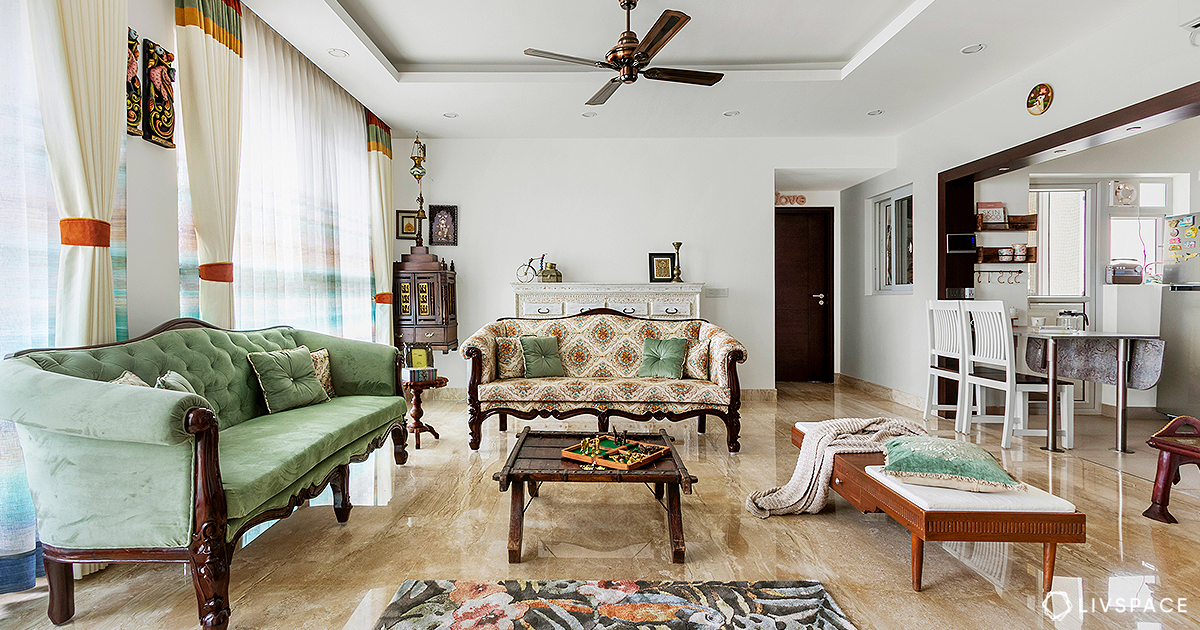
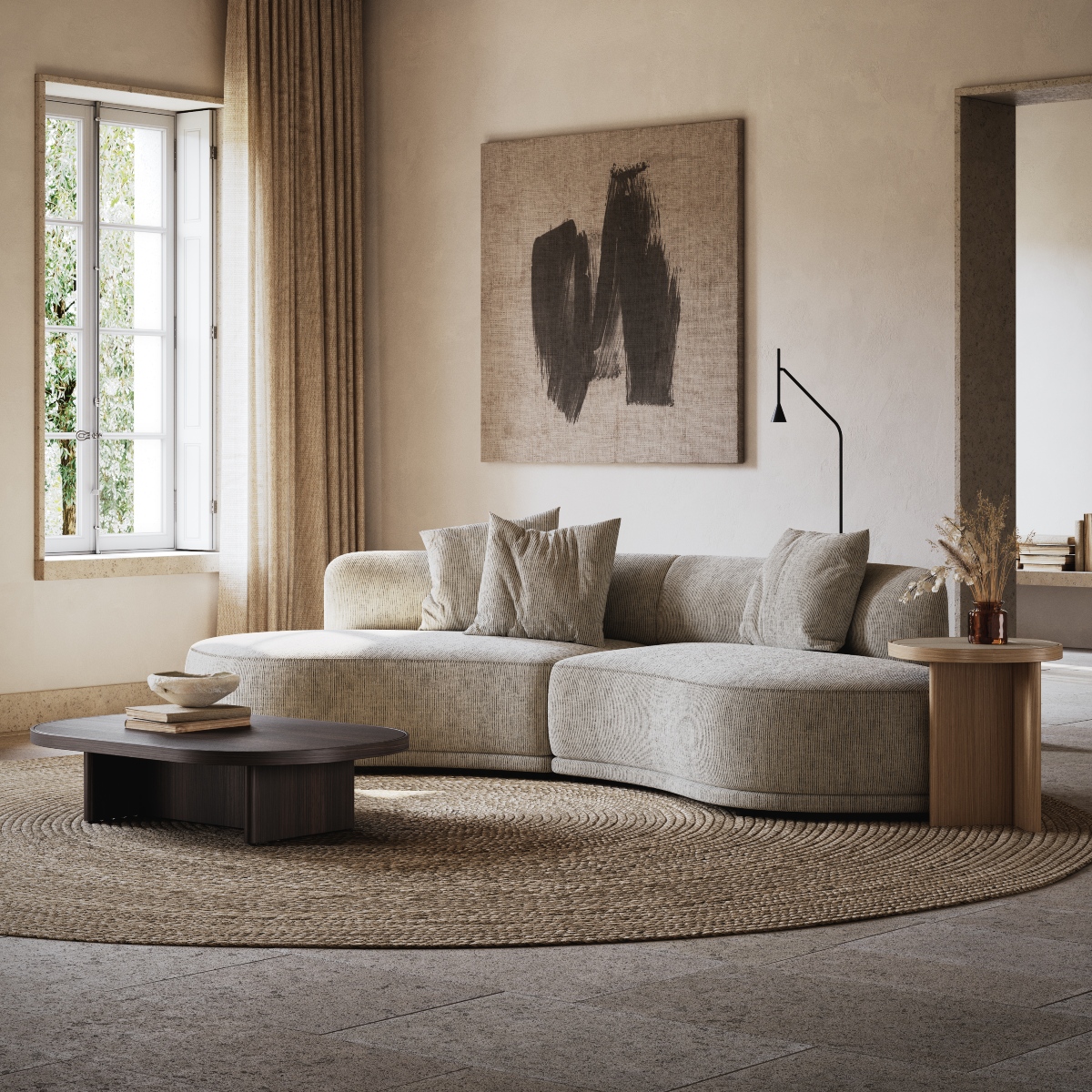
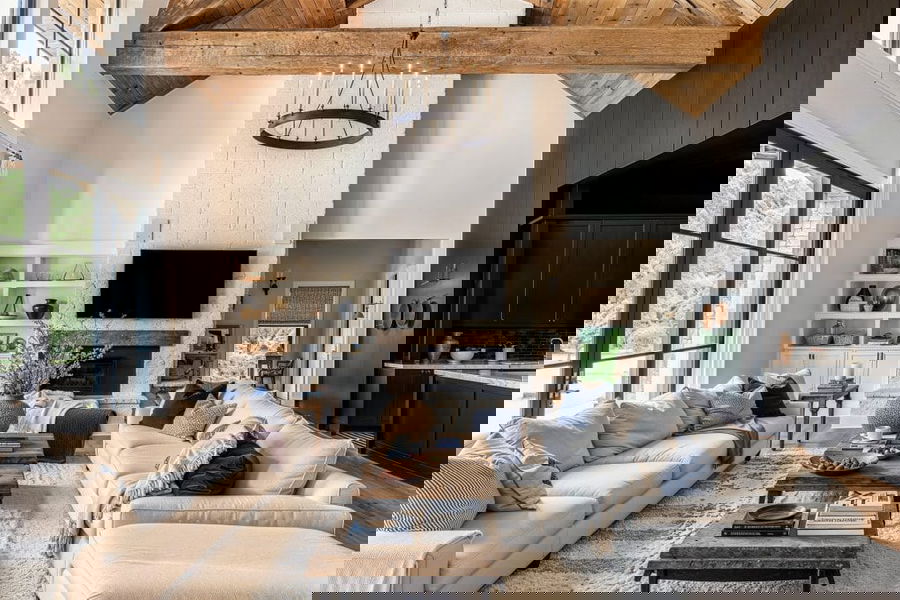
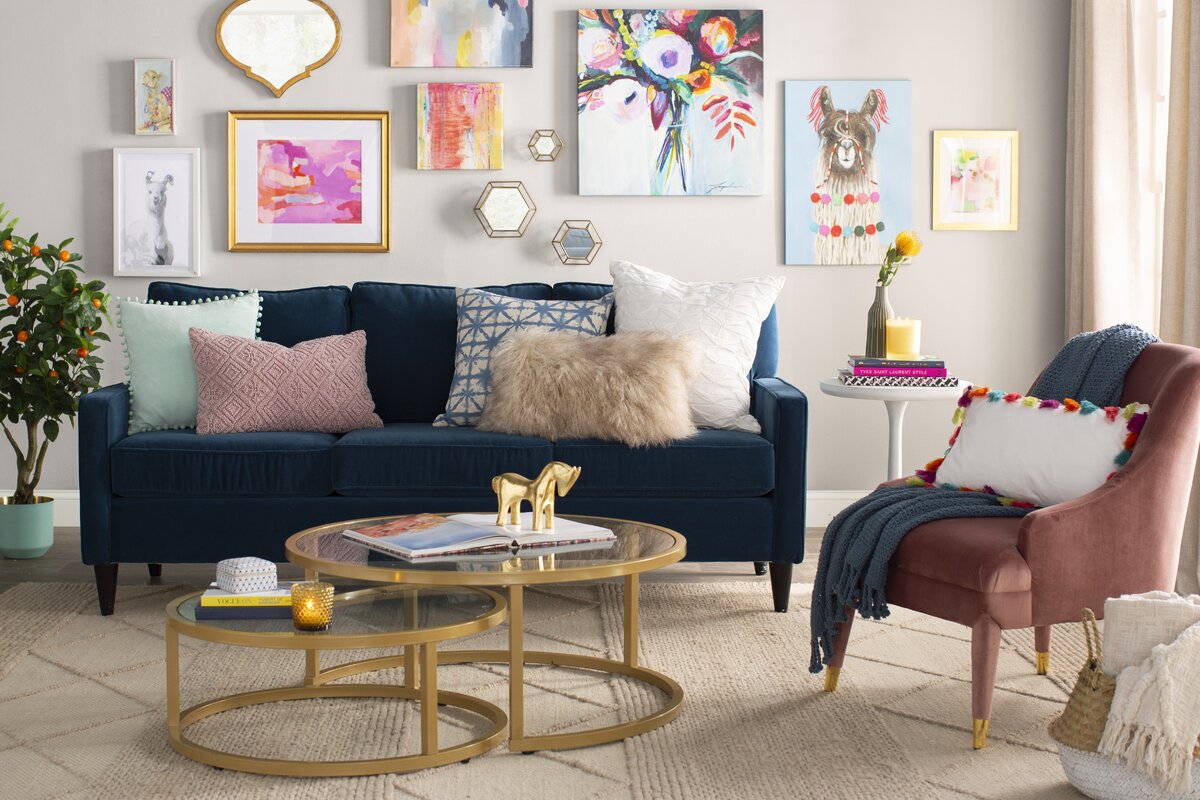
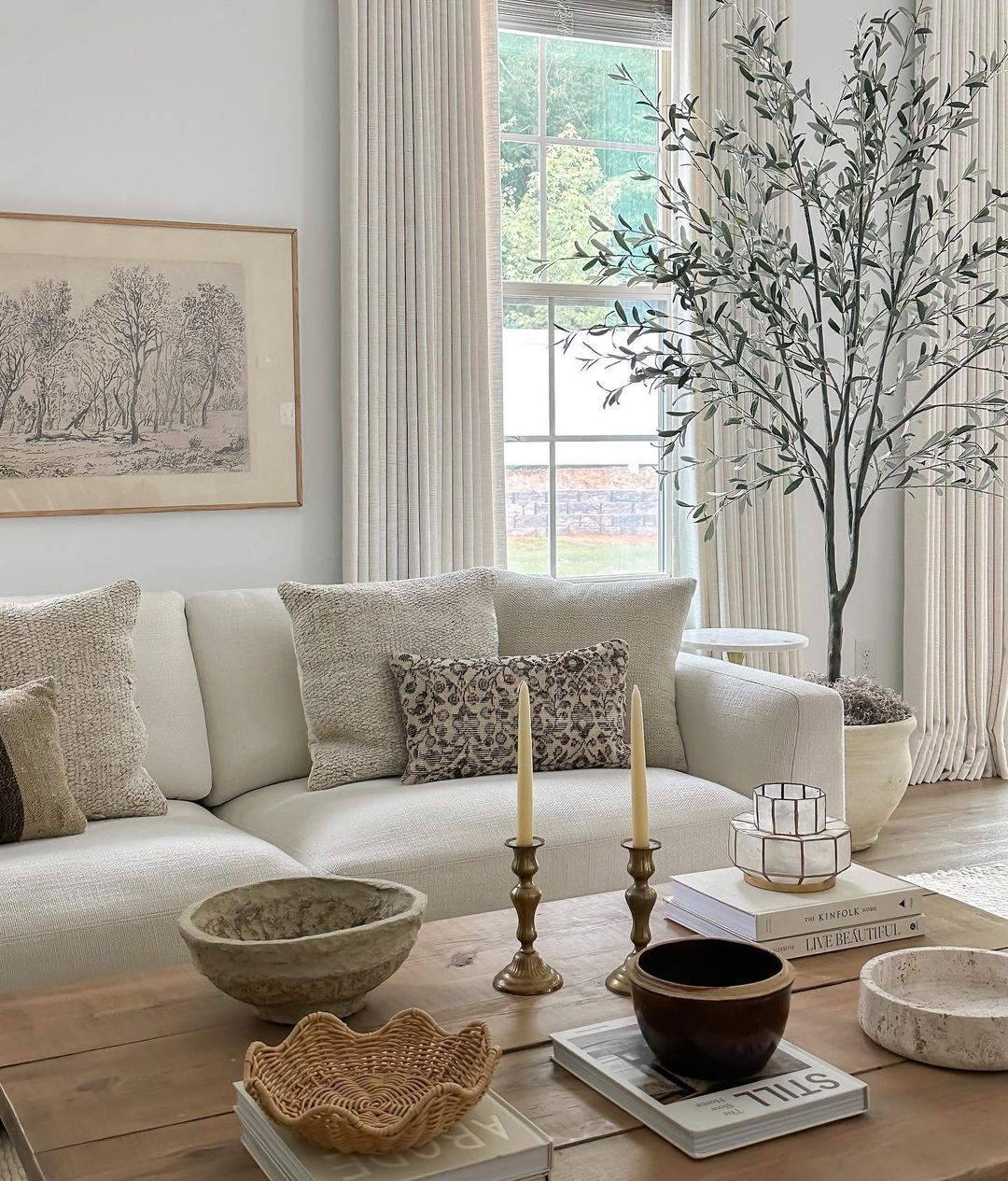
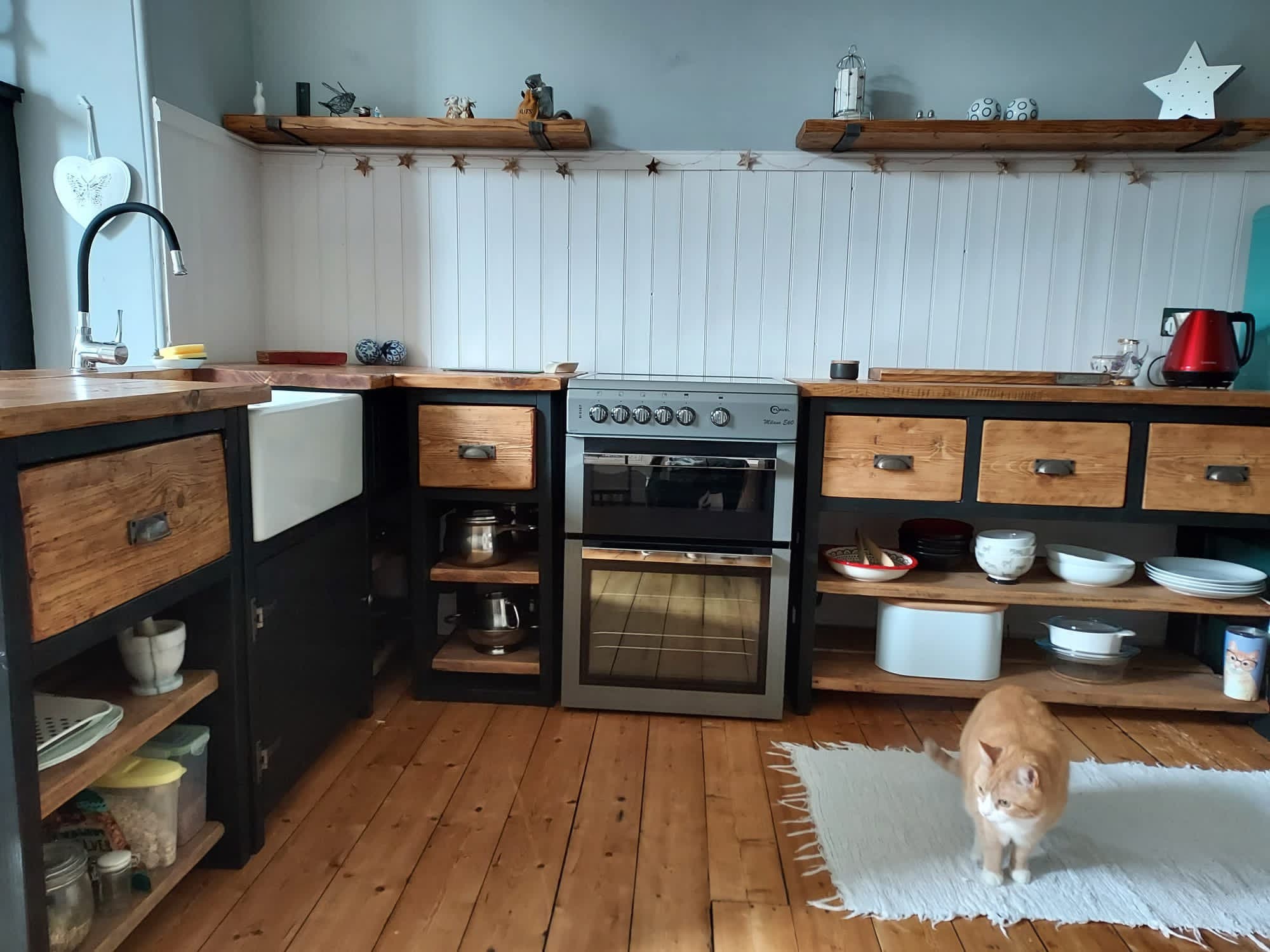
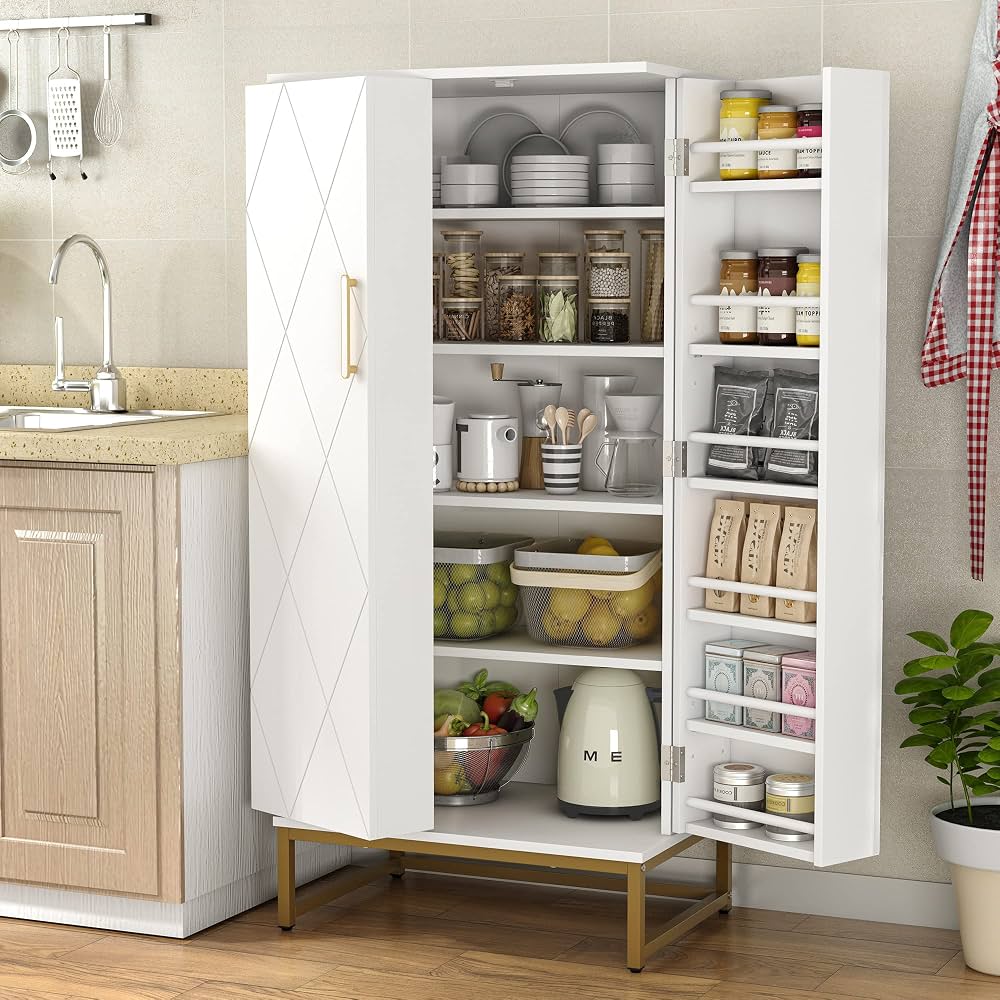
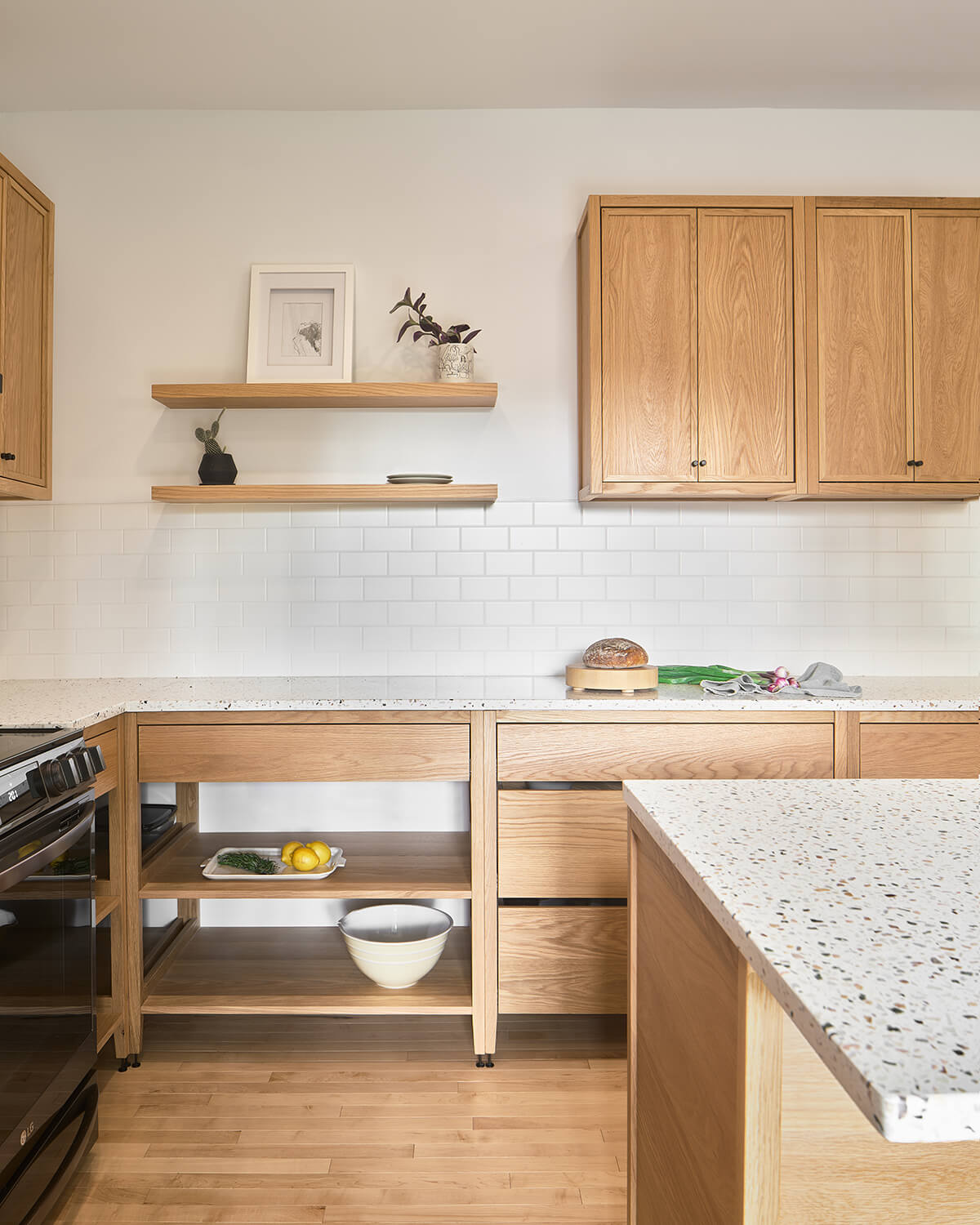
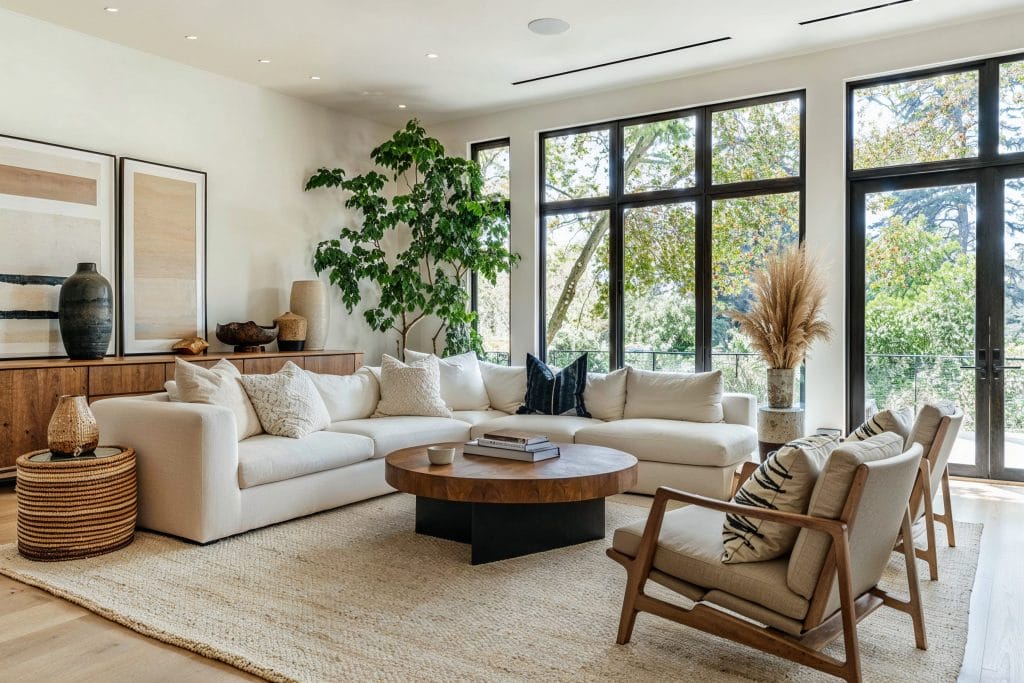
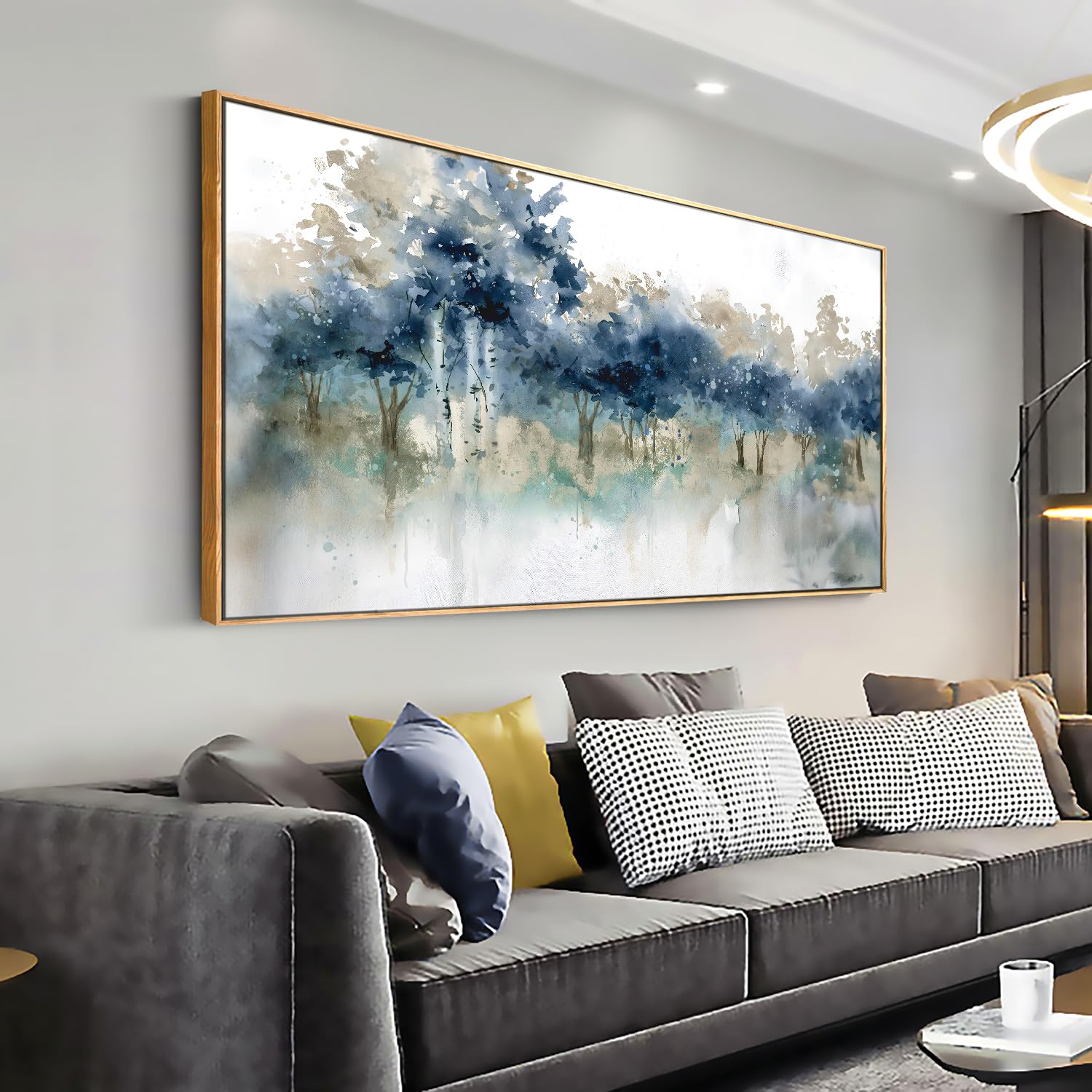
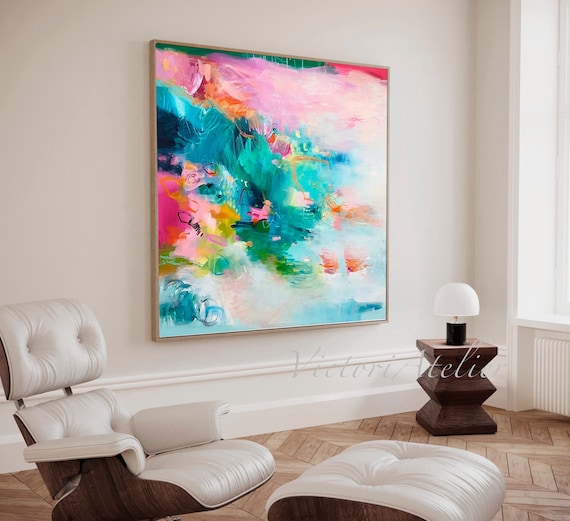
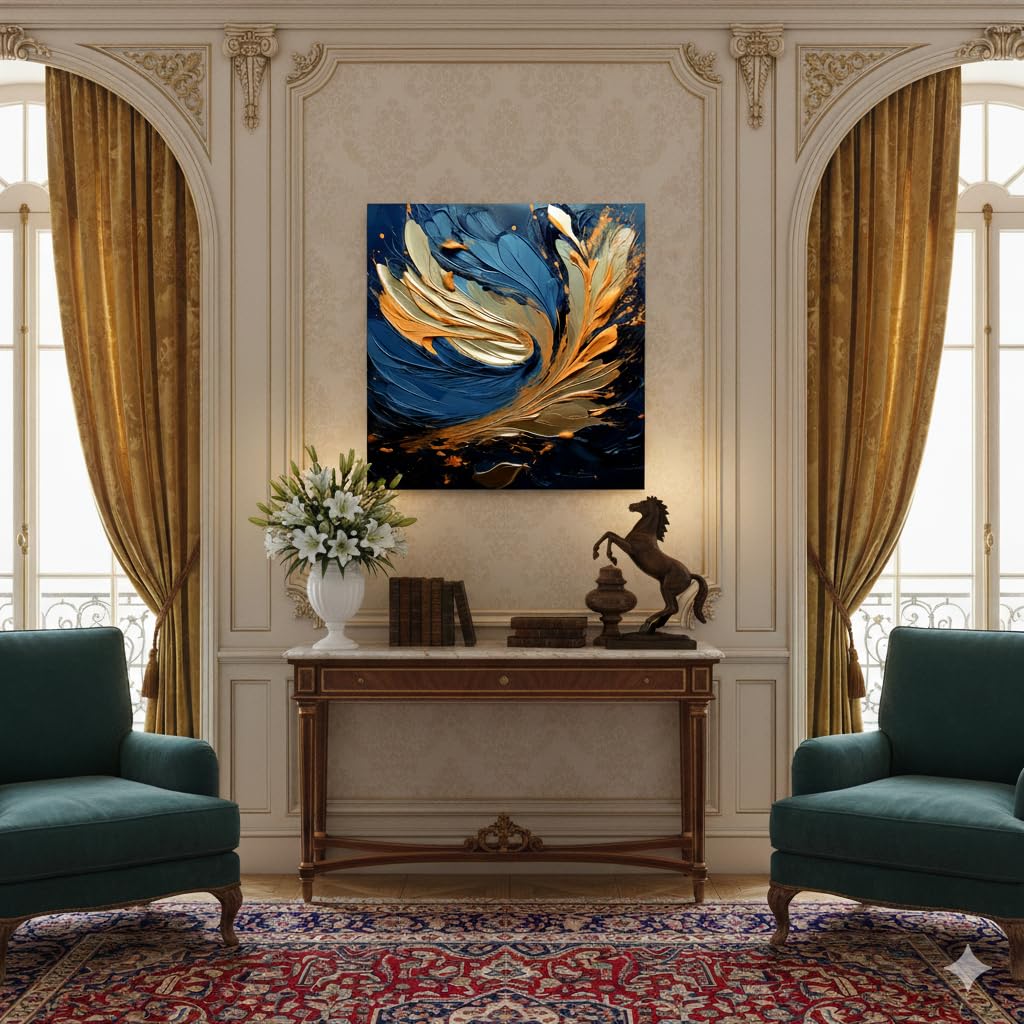
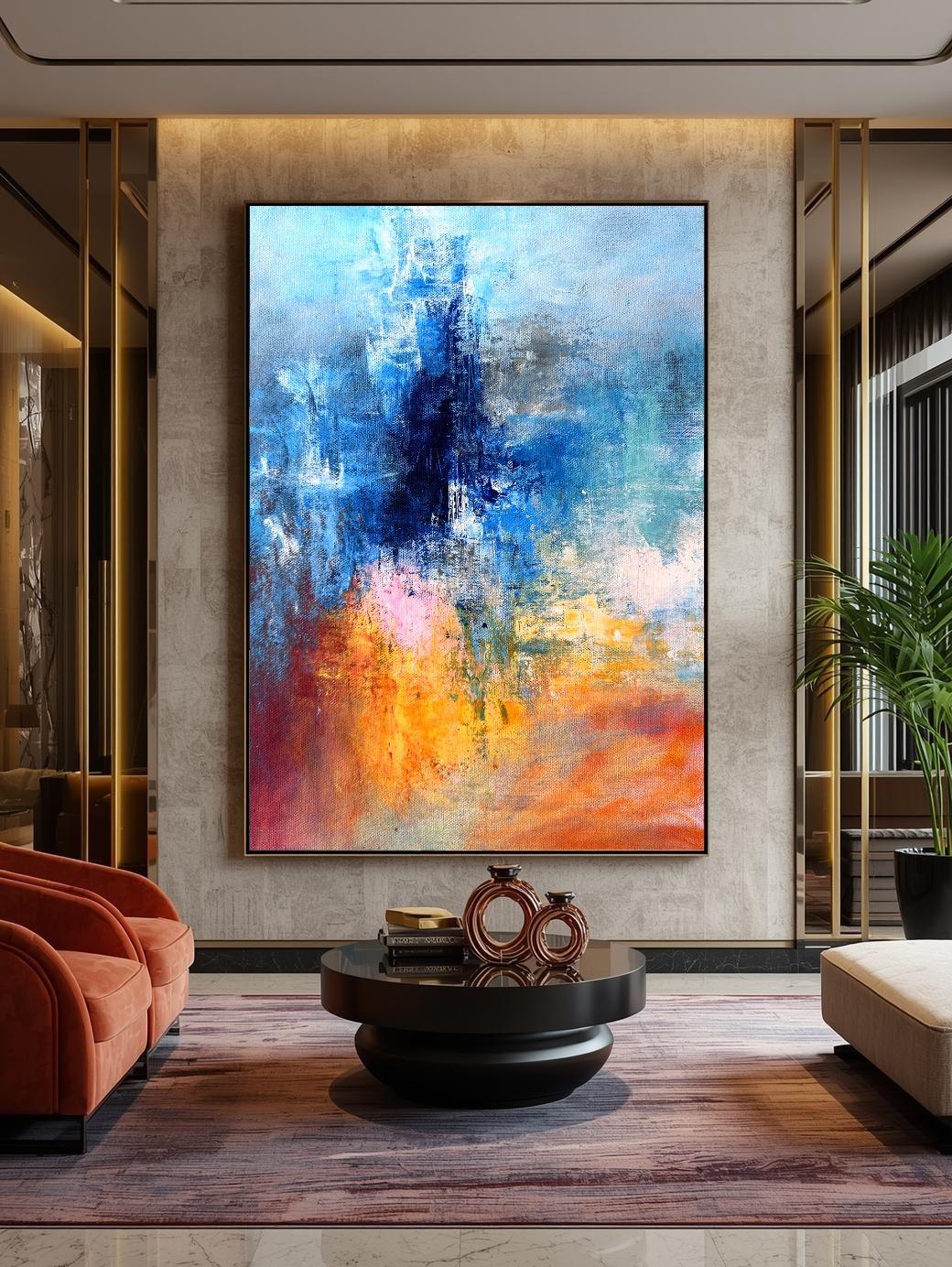
Luxury home decor / bespoke furniture represents the highest level of interior refinement, where exclusivity, craftsmanship, and personalization define the space. This approach focuses on quality over quantity and interiors designed around individual lifestyles rather than mass trends.

Image
Image
Image
Image

What Is Luxury Home Decor

Luxury home decor is not defined by excess, but by precision, detail, and material excellence. Every element is intentional and curated.

Key characteristics:

  • Premium materials and refined finishes
  • Balanced, uncluttered layouts
  • Statement pieces with strong design identity
  • Timeless aesthetics rather than fast trends

Luxury interiors feel composed, elegant, and enduring.


Bespoke Furniture Explained

Bespoke furniture refers to custom-designed pieces created specifically for a particular space, client, and purpose.

Defining features:

  • Tailor-made dimensions and proportions
  • Custom materials, finishes, and upholstery
  • Handcrafted or artisan-led production
  • One-of-a-kind designs not found in retail collections

Bespoke furniture ensures perfect fit, function, and individuality.


Why Bespoke Furniture Defines Luxury Interiors

Customization elevates both comfort and aesthetics.

Key advantages:

  • Optimized use of space
  • Design aligned with personal lifestyle
  • Superior craftsmanship and durability
  • Distinct identity that cannot be replicated

Bespoke pieces often become the focal points of luxury homes.


Materials Used in Luxury and Bespoke Design

Material quality is central to luxury interiors.

Common premium materials:

  • Solid hardwoods and natural veneers
  • Marble, quartz, and natural stone
  • High-grade metals such as brass and bronze
  • Rich textiles like velvet, leather, and linen

The emphasis is on tactile richness and longevity.


Luxury Home Decor Elements

Luxury decor enhances spaces subtly rather than overpowering them.

Popular decor choices:

  • Sculptural lighting and statement chandeliers
  • Oversized or curated artwork
  • Textured rugs and layered textiles
  • Custom wall finishes and paneling

Decor is used sparingly to maintain visual balance.


Bespoke Furniture by Room

Custom furniture adapts seamlessly to different spaces.

Examples:

  • Living room: custom sofas, coffee tables, media units
  • Bedroom: tailor-made beds, wardrobes, bedside units
  • Dining area: custom dining tables and seating
  • Study: bespoke desks and storage solutions

Each piece responds to the room’s proportions and function.


Summary

Luxury home decor is defined by restraint, refinement, and attention to detail, while bespoke furniture brings exclusivity and precision to interiors. Together, they create homes that feel personal, timeless, and exceptionally crafted. This design approach suits homeowners who value individuality, craftsmanship, and interiors designed to last rather than follow fleeting trends.

Luxury home decor / Bespoke furniture Read More Β»

Sustainable home decor / Eco-friendly interior solutions

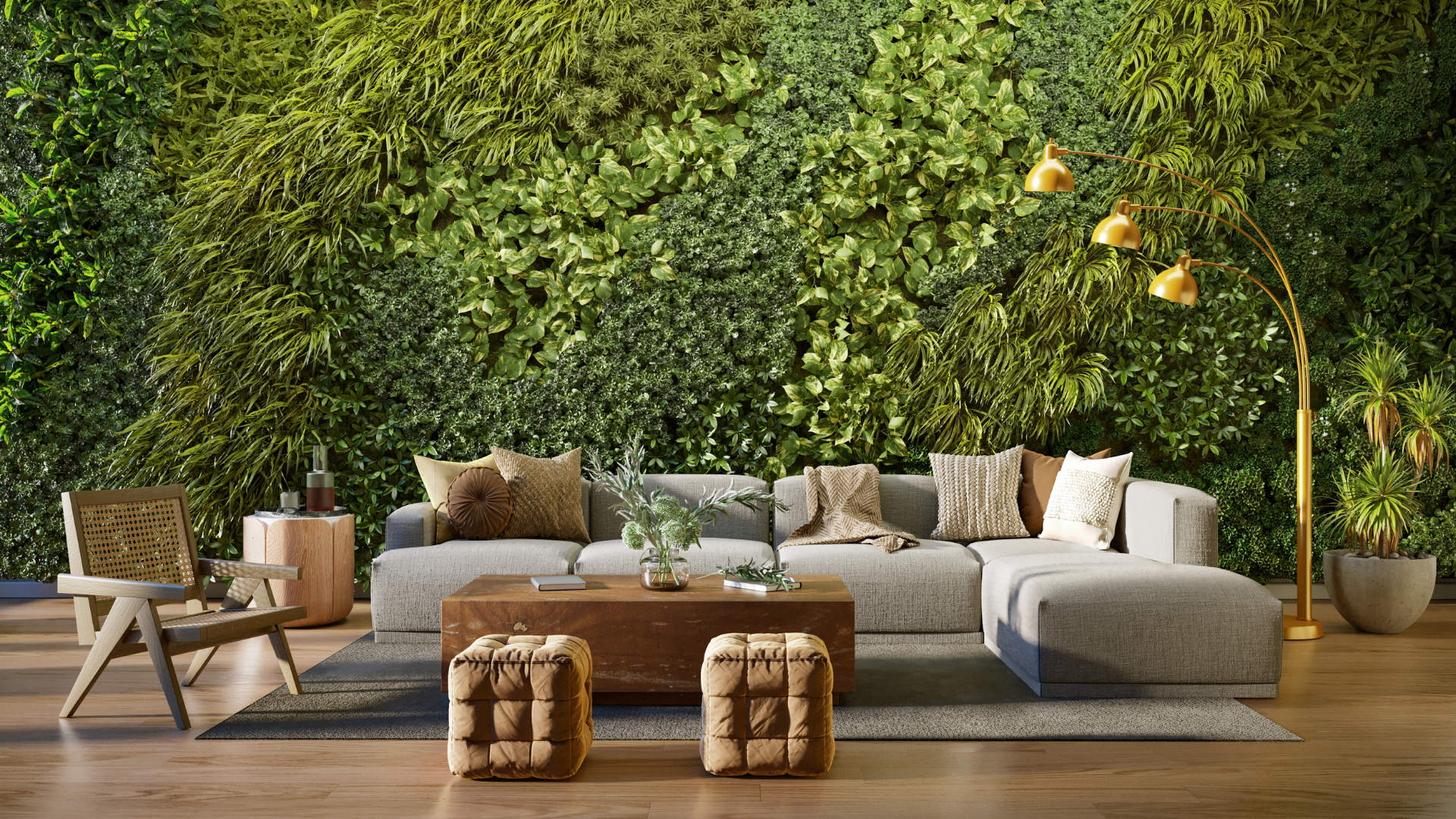
Sustainable home decor / eco-friendly interior solutions focus on creating interiors that are environmentally responsible, healthy, and timeless. This approach prioritizes conscious choices that reduce environmental impact while maintaining comfort and aesthetic quality.

Image
Image
Image
Image

What Is Sustainable Home Decor

Sustainable home decor emphasizes mindful consumption and long-term design value. It reduces waste and supports healthier living environments through responsible material and product choices.

Core principles:

  • Environmentally responsible materials
  • Longevity over short-term trends
  • Ethical sourcing and production
  • Reduced waste and energy use

The goal is to design homes that are both beautiful and sustainable.


Eco-Friendly Interior Solutions

Eco-friendly interior solutions focus on how homes are built, furnished, and styled to minimize environmental impact.

Key solutions include:

  • Low-VOC and non-toxic paints and finishes
  • Energy-efficient lighting and appliances
  • Furniture made from renewable or recycled materials
  • Design layouts that maximize natural light and ventilation

These solutions improve indoor air quality and energy efficiency.


Sustainable Materials for Home Decor

Material selection is the foundation of sustainable interiors.

Common sustainable materials:

  • Reclaimed or responsibly sourced wood
  • Bamboo, cork, and rattan
  • Organic cotton, linen, and wool
  • Recycled glass, metal, and stone

These materials are durable, biodegradable, or recyclable.


Sustainable Furniture and Decor Choices

Furniture and accessories play a major role in eco-friendly interiors.

Best practices:

  • Choose solid wood or modular furniture
  • Invest in timeless designs with long lifespans
  • Repurpose vintage or pre-owned pieces
  • Support local artisans and handmade products

This approach reduces landfill waste and supports ethical craftsmanship.


Energy-Efficient Lighting and Styling

Lighting significantly affects sustainability.

Eco-friendly lighting strategies:

  • Maximize daylight through layout and window treatments
  • Use LED lighting for lower energy consumption
  • Choose lighting fixtures designed for longevity

Thoughtful lighting enhances ambiance while reducing energy use.


Styling a Sustainable Home

Sustainable styling is intentional and minimal.

Styling tips:

  • Decorate with fewer, meaningful items
  • Use plants for natural air purification and warmth
  • Avoid excessive seasonal decor
  • Focus on quality, not quantity

This creates calm, clutter-free interiors.


Summary

Sustainable home decor and eco-friendly interior solutions create interiors that are healthier, responsible, and timeless. By using natural materials, energy-efficient systems, durable furniture, and intentional decor, homes become environmentally conscious without sacrificing comfort or style. This approach reflects a growing shift toward mindful living and long-term design value.

Sustainable home decor / Eco-friendly interior solutions Read More Β»

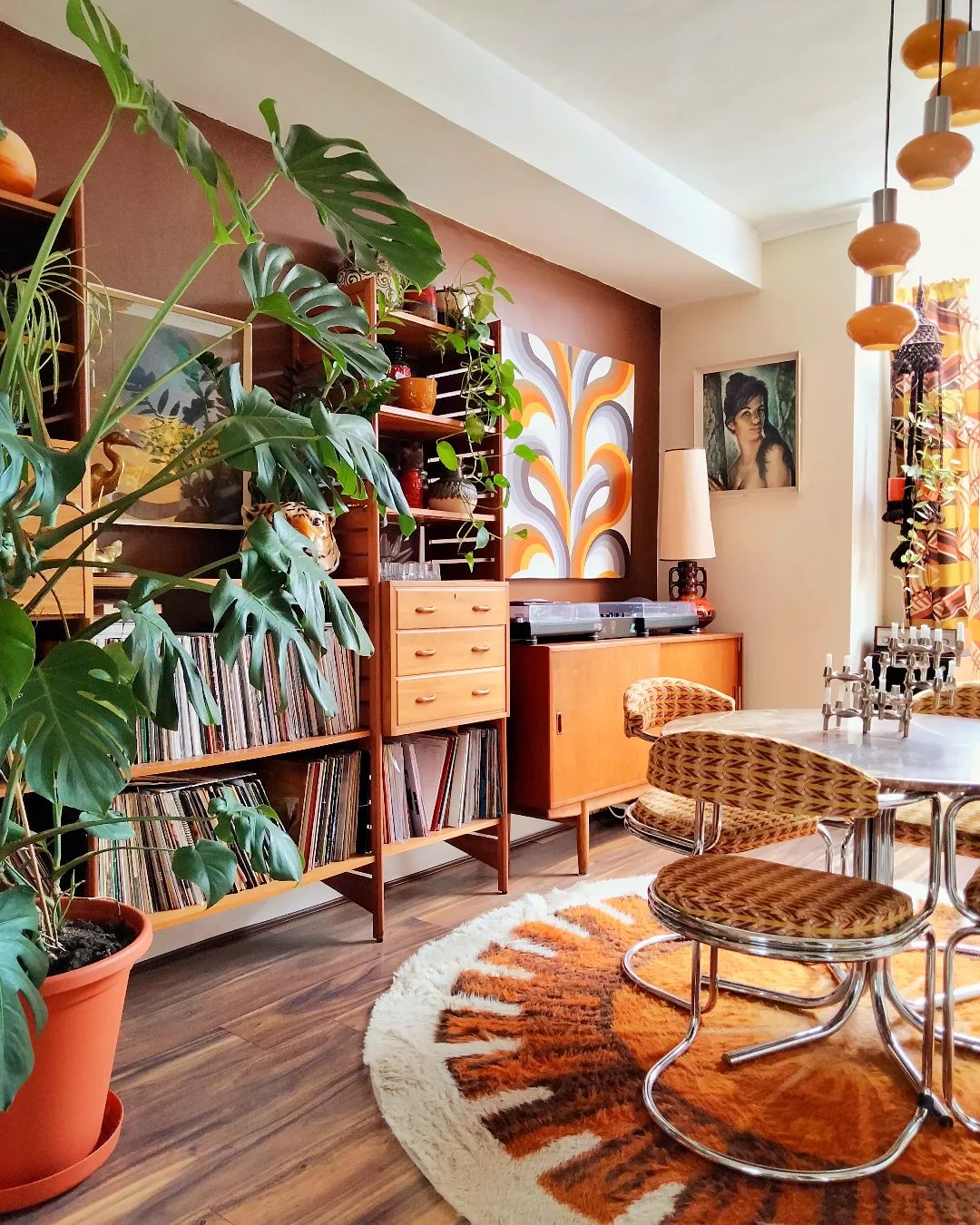
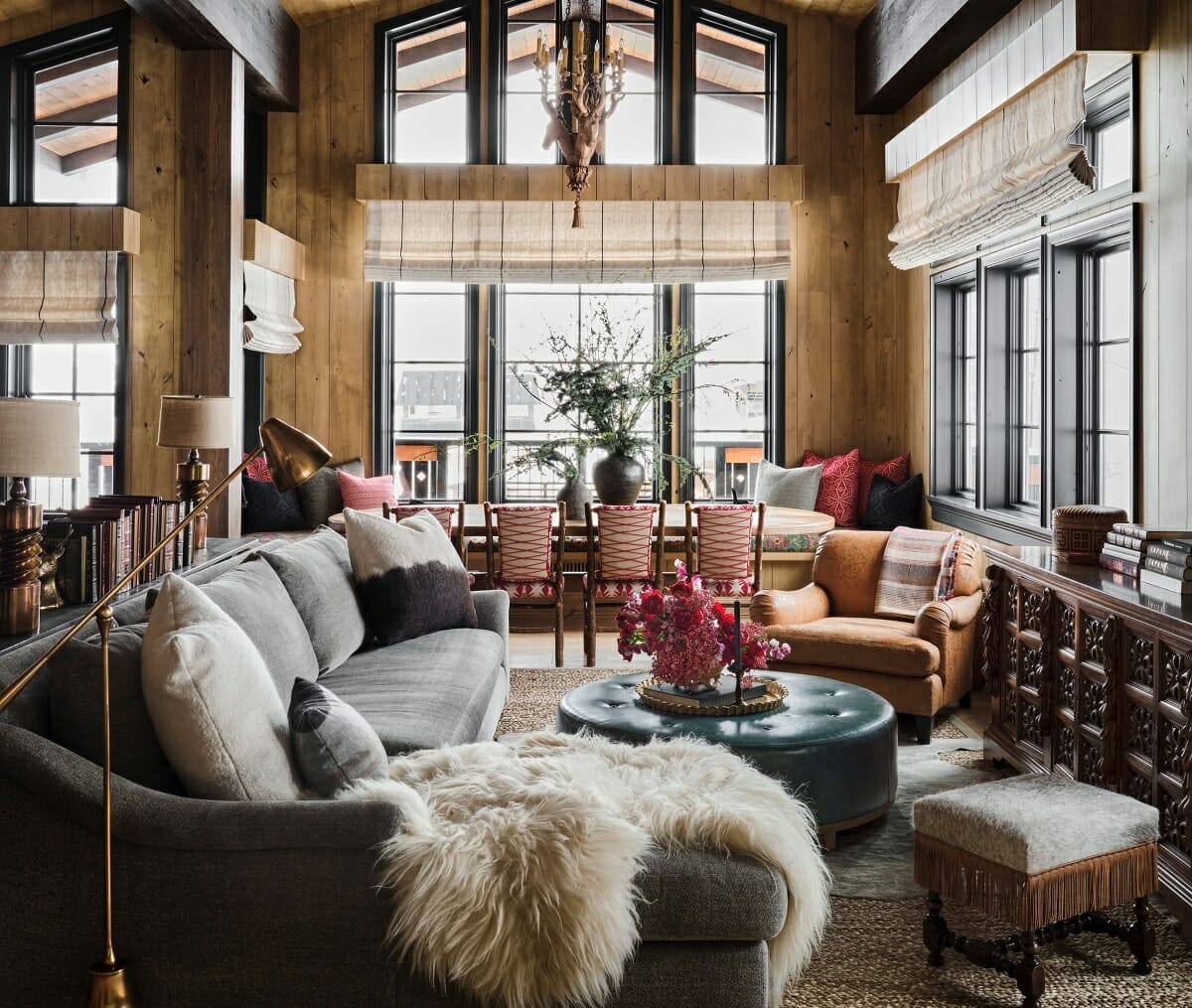
Rustic decor / Vintage home interiors

Rustic decor / vintage home interiors celebrate warmth, character, and timeless charm. These styles move away from polished perfection and instead highlight age, texture, and storytelling through materials and dΓ©cor.

Image
Image
Image
Image

What Is Rustic Decor

Rustic decor is inspired by nature and traditional countryside homes. It emphasizes raw materials, handcrafted elements, and an organic, grounded aesthetic.

Key characteristics:

  • Natural and weathered materials
  • Visible textures and imperfections
  • Warm, earthy color palettes
  • Simple, functional furniture

Rustic interiors feel cozy, honest, and deeply connected to nature.


What Defines Vintage Home Interiors

Vintage home interiors focus on pieces from earlier eras, celebrating history and craftsmanship.

Core elements:

  • Antique or retro furniture
  • Patina finishes and aged surfaces
  • Ornamental details and classic silhouettes
  • Decorative objects with nostalgic value

Vintage interiors feel layered, personal, and rich in character.


Color Palette in Rustic and Vintage Interiors

Color plays a major role in creating warmth and depth.

Common palettes:

  • Warm neutrals like beige, cream, and taupe
  • Earthy tones such as brown, olive, rust, and terracotta
  • Muted pastels and faded hues in vintage spaces

These colors enhance the aged, lived-in look.


Materials and Textures

Material authenticity is central to both styles.

Frequently used materials:

  • Reclaimed or distressed wood
  • Natural stone and brick
  • Linen, cotton, wool, and leather
  • Aged metals such as brass and iron

Layering textures adds richness and visual depth.


Rustic and Vintage Decor by Room

These styles adapt beautifully across the home.

Room highlights:

  • Living room: wooden beams, vintage sofas, layered rugs
  • Kitchen: open shelves, farmhouse tables, antique accessories
  • Bedroom: wooden bed frames, soft linens, vintage lighting
  • Dining area: solid wood tables, mismatched chairs

Each space feels comfortable and expressive rather than styled.


Mixing Rustic and Vintage for a Balanced Look

Blending both styles creates warmth without heaviness.

Styling tips:

  • Use rustic materials as a base
  • Add vintage pieces as accents
  • Keep the color palette cohesive
  • Avoid overcrowding with too many antiques

This balance keeps interiors inviting and functional.


Summary

Rustic decor brings natural warmth and simplicity, while vintage home interiors add history and personality. Together, they create spaces that feel authentic, cozy, and timeless. This design approach is ideal for those who value craftsmanship, storytelling, and homes that feel lived-in rather than showroom-perfect.

Rustic decor / Vintage home interiors Read More Β»

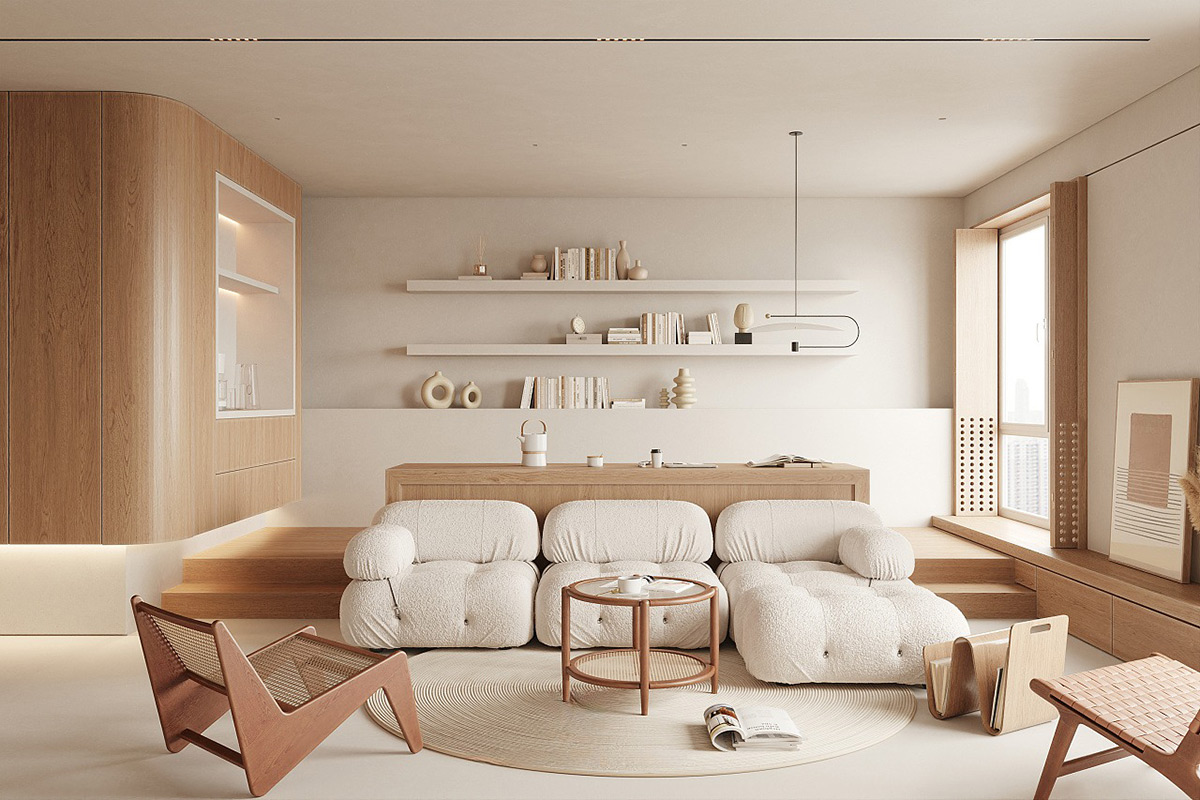
Minimalist interior design / Modern interior design

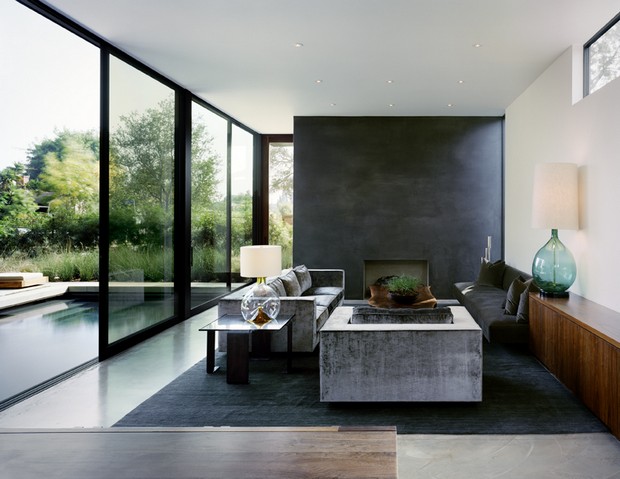
Minimalist interior design / modern interior design focuses on clarity, function, and timeless aesthetics. Both styles prioritize simplicity and purpose, creating interiors that feel calm, organized, and visually balanced rather than decorative or excessive.

Image
Image
Image
Image

What Is Minimalist Interior Design

Minimalist interior design is based on the principle of β€œless but better.” It removes unnecessary elements and focuses only on what adds value to the space.

Key characteristics:

  • Clean lines and uncluttered layouts
  • Limited color palettes
  • Functional furniture with simple forms
  • Emphasis on space, light, and proportion

Minimalist interiors feel calm, intentional, and visually light.


What Defines Modern Interior Design

Modern interior design originates from modernist architecture and emphasizes function, structure, and material honesty.

Core features:

  • Straight lines and geometric forms
  • Open-plan layouts
  • Neutral colors with subtle contrast
  • Use of modern materials like glass, metal, and wood

Modern interiors are structured, efficient, and timeless.


Minimalist vs Modern Interior Design

While closely related, there are subtle differences.

Minimalist interior design:

  • Focuses on extreme simplicity
  • Uses fewer decorative elements
  • Prioritizes negative space

Modern interior design:

  • Allows slightly more visual detail
  • Uses contrast and textures more freely
  • Balances aesthetics with comfort

Many homes today blend both approaches seamlessly.


Color Palette and Materials

Both styles rely on restrained palettes and quality materials.

Common choices:

  • Whites, greys, beige, and soft neutrals
  • Natural wood for warmth
  • Matte finishes over glossy surfaces
  • Textured materials used subtly

These elements prevent spaces from feeling cold or sterile.


Furniture and Layout

Furniture selection supports both function and visual clarity.

Typical features:

  • Low-profile, clean-lined furniture
  • Built-in storage to reduce clutter
  • Multifunctional pieces for flexibility
  • Thoughtful spacing between elements

Layouts are open, practical, and easy to navigate.


Lighting in Minimalist and Modern Interiors

Lighting enhances form and mood rather than decoration.

Key lighting elements:

  • Large windows for natural light
  • Recessed or concealed lighting
  • Simple, sculptural light fixtures
  • Warm lighting temperatures for comfort

Good lighting keeps minimal spaces inviting.


Summary

Minimalist interior design strips spaces down to their essentials, while modern interior design balances simplicity with subtle sophistication. Together, they create interiors that are clean, functional, and timeless. This blended approach suits contemporary lifestyles by offering calm, flexibility, and long-lasting visual appeal without unnecessary complexity.

Minimalist interior design / Modern interior design Read More Β»

Boho decor / Bohemian bedroom

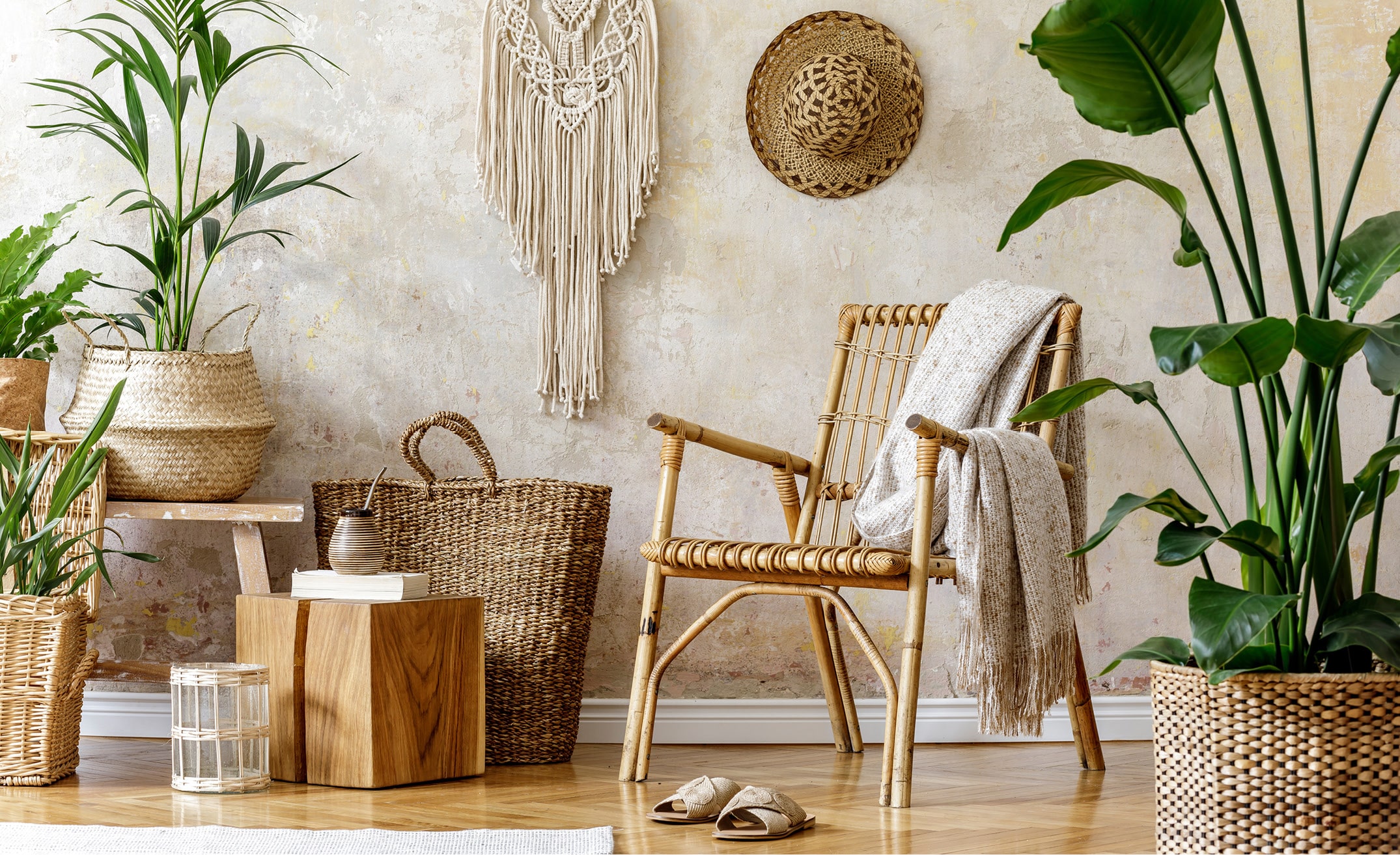
Boho decor / bohemian bedroom design emphasizes comfort, creativity, and individuality. This style creates relaxed, soulful spaces layered with texture, color, and personal expression rather than structured formality.

Image
Image
Image
Image

What Is Boho Decor

Boho decor, short for bohemian, draws inspiration from global cultures, travel, and artistic lifestyles. It values freedom of expression and curated imperfection.

Key characteristics:

  • Layered textiles and mixed patterns
  • Natural materials such as wood, rattan, and jute
  • Earthy, warm color palettes
  • Handmade and vintage decor pieces

Boho interiors feel relaxed, personal, and lived-in.


Bohemian Bedroom Design

A bohemian bedroom is designed as a calm, cosy retreat that encourages rest and creativity.

Essential elements:

  • Low-profile beds or floor seating
  • Soft, breathable bedding with layered throws
  • Textured rugs and woven wall hangings
  • Warm, ambient lighting

The focus is on comfort and emotional warmth rather than symmetry.


Color Palette for Boho Bedrooms

Color sets the mood in bohemian spaces.

Popular palettes include:

  • Warm neutrals like beige, cream, and sand
  • Earthy tones such as terracotta, olive, and rust
  • Muted jewel tones used sparingly

These colors create depth while maintaining softness.


Materials and Textures

Texture is central to boho decor.

Common materials:

  • MacramΓ©, cotton, and linen textiles
  • Cane, rattan, and reclaimed wood
  • Ceramics, clay, and natural stone
  • Plants for organic softness

Layering textures adds richness without clutter.


Styling Tips for a Bohemian Bedroom

Thoughtful curation keeps the space balanced.

Key tips:

  • Mix patterns but limit the color range
  • Use decor with personal or cultural meaning
  • Balance busy elements with neutral backdrops
  • Keep the layout relaxed and uncluttered

This ensures the bedroom feels curated, not chaotic.


Summary

Boho decor creates expressive, comfortable interiors rooted in individuality. A bohemian bedroom blends soft textures, natural materials, and personal decor to form a relaxed, soulful space. This style is ideal for those seeking a cozy, artistic retreat that feels authentic, warm, and effortlessly inviting.

Boho decor / Bohemian bedroom Read More Β»

Farmhouse decor / Modern farmhouse

Farmhouse decor / modern farmhouse design blends rustic comfort with clean, contemporary elements. It creates warm, welcoming interiors that feel timeless, practical, and lived-in rather than overly styled.

Image
Image
Image
Image

What Is Farmhouse Decor

Farmhouse decor originates from traditional rural homes, focusing on simplicity, durability, and comfort. It emphasizes natural materials and a relaxed, homely atmosphere.

Key characteristics:

  • Natural wood finishes and distressed textures
  • Neutral and earthy color palettes
  • Functional, sturdy furniture
  • Cozy, layered textiles

Farmhouse decor feels warm, familiar, and timeless.


What Defines Modern Farmhouse

Modern farmhouse updates classic farmhouse style with cleaner lines and subtle contemporary details.

Core elements:

  • Simplified forms with minimal ornamentation
  • Neutral palettes with black or dark metal accents
  • Mix of rustic textures and modern finishes
  • Balanced blend of old and new

The result is a refined yet approachable aesthetic.


Color Palette in Modern Farmhouse Interiors

Color plays a key role in achieving the right balance.

Common choices:

  • Whites, creams, greige, and soft beige
  • Warm wood tones
  • Charcoal or matte black accents for contrast

This palette keeps spaces bright while maintaining warmth.


Materials and Finishes

Material selection defines the farmhouse look.

Popular materials:

  • Reclaimed or natural wood
  • Stone, brick, and shiplap walls
  • Wrought iron or black metal details
  • Linen, cotton, and wool textiles

These materials add texture and authenticity.


Farmhouse Decor by Room

Farmhouse style adapts well across the home.

Room-specific highlights:

  • Living room: comfortable sofas, wood coffee tables, layered rugs
  • Kitchen: apron-front sinks, shaker cabinets, open shelving
  • Bedroom: wooden beds, soft linens, minimal accessories
  • Dining area: solid wood tables with simple seating

Each space feels practical yet inviting.


Why Farmhouse and Modern Farmhouse Remain Popular

This style continues to resonate due to its balance of comfort and simplicity.

Key reasons:

  • Timeless and easy to maintain
  • Feels warm and welcoming rather than trendy
  • Works well in both urban and suburban homes
  • Easily personalized with decor and vintage pieces

Summary

Farmhouse decor celebrates comfort, tradition, and natural materials, while modern farmhouse refines the look with clean lines and contemporary accents. Together, they create interiors that are warm, functional, and effortlessly stylish. This design approach suits homeowners seeking a relaxed yet polished home that feels both current and enduring.

Farmhouse decor / Modern farmhouse Read More Β»

House interior design, Room decorΒ 

House interior design and room decor together define how a home looks, feels, and functions. Interior design provides structure and planning, while room decor adds personality, comfort, and visual refinement.

Image
Image
Image
Image

House Interior Design

House interior design focuses on the overall planning and visual flow of the home. It ensures that all spaces work together cohesively.

Key components:

  • Space planning and layout optimization
  • Selection of materials, finishes, and color palettes
  • Lighting design and furniture placement
  • Functional zoning for different activities

Good house interior design creates a strong foundation that supports daily living and long-term comfort.


Room Decor

Room decor is the styling layer that personalizes individual spaces. It enhances mood and adds warmth without changing the structure.

Common room decor elements:

  • Cushions, rugs, and curtains
  • Wall art, mirrors, and decorative lighting
  • Plants and decorative accessories
  • Textured fabrics and accent pieces

Room decor allows flexibility and easy updates over time.


Designing and Decorating Room by Room

Each room has unique functional and emotional needs.

Examples:

  • Living rooms: focus on comfort, seating layout, and visual balance
  • Bedrooms: prioritize calm colors, soft textures, and minimal decor
  • Kitchens: functional styling with lighting and accessories
  • Bathrooms: clean finishes with subtle decorative accents

A room-by-room approach ensures both usability and visual harmony.


How House Interior Design and Room Decor Work Together

Successful interiors balance planning and styling.

Best practices:

  • Start with a neutral, cohesive design base
  • Add decor gradually to avoid clutter
  • Maintain consistency in colors and materials
  • Use statement pieces intentionally

This balance creates homes that feel curated rather than overstyled.


Current Direction in House Interior Design and Room Decor

Modern homes are shifting toward:

  • Warm, neutral color palettes
  • Personalized and eclectic decor
  • Multifunctional and flexible spaces
  • Sustainable materials and timeless design

The emphasis is on comfort, individuality, and long-term usability.


Summary

House interior design establishes structure and flow, while room decor adds character and comfort. Together, they create homes that are functional, visually appealing, and deeply personal. Thoughtful design combined with intentional decor results in spaces that feel cohesive, inviting, and timeless.

House interior design, Room decorΒ  Read More Β»

Home decor items, Interior decoration

Home decor items and interior decoration are the finishing layers that transform functional interiors into warm, expressive, and visually complete living spaces. They add personality, comfort, and cohesion without requiring structural changes.

Image
Image
Image
Image

Home Decor Items

Home decor items are movable elements used to enhance the look and feel of a space. They allow flexibility and easy updates as styles or preferences evolve.

Common home decor items:

  • Cushions, throws, and rugs
  • Vases, bowls, and decorative objects
  • Table lamps and floor lamps
  • Wall art, mirrors, and clocks
  • Indoor plants and planters

Design purpose:

  • Add color, texture, and warmth
  • Soften hard architectural lines
  • Reflect personal taste and lifestyle

Well-chosen decor items elevate interiors without overwhelming them.


Interior Decoration

Interior decoration focuses on styling and visual composition rather than structural planning. It works on top of interior design to refine and personalize spaces.

Key aspects of interior decoration:

  • Coordinating colors, materials, and textures
  • Styling furniture with accessories
  • Creating visual balance and focal points
  • Enhancing mood through lighting and dΓ©cor

Interior decoration ensures that a space feels finished, cohesive, and inviting.


How Decor Items Enhance Interior Decoration

Decor items are the tools through which interior decoration comes to life.

Effective decoration strategies:

  • Layering textiles for depth and comfort
  • Mixing materials such as wood, ceramic, metal, and fabric
  • Using statement pieces sparingly
  • Repeating colors or textures for visual flow

This approach creates harmony while maintaining visual interest.


Room-by-Room Decor Focus

Different rooms benefit from different decor priorities.

Examples:

  • Living rooms: cushions, rugs, art, and lighting
  • Bedrooms: soft textiles, bedside lamps, minimal accessories
  • Dining areas: centerpieces, lighting, wall accents
  • Entryways: mirrors, consoles, and curated objects

Tailoring decor to each room improves both function and atmosphere.


Summary

Home decor items bring warmth, texture, and individuality, while interior decoration brings cohesion and balance. Together, they complete a home by turning well-planned interiors into comfortable, visually engaging living spaces. Thoughtful decoration ensures that interiors feel personal, adaptable, and timeless rather than purely functional.

Home decor items, Interior decoration Read More Β»

Wall decor, Wall art, Wall mirror

Wall Decor, Wall Art, and Wall Mirrors: The Ultimate Guide to Home Styling

Wall decor, wall art, and wall mirrors are the essential finishing touches that transform a house into a home. They shape visual focus, enhance space perception, and add personality without the need for major structural changes. Whether you are decorating a luxury villa in South Delhi or a modern apartment in Gurgaon, understanding how to balance these elements is key to a cohesive interior.


1. Wall Decor: Adding Texture and Depth

Wall decor refers to all decorative elements used to enhance vertical surfaces beyond traditional paint or wallpaper. It helps define the mood and character of a space by adding layers of texture.

  • Common Elements: Decorative panels, floating shelves styled with plants, textured wall hangings, and sculptural metal installations.
  • Design Value: Breaks up large blank walls and allows for easy seasonal updates without full renovations.

2. Wall Art: Establishing a Focal Point

Wall art is often the anchor of a room’s design, establishing the color palette and emotional tone of the interior.

  • Popular Styles: Oversized statement canvases, abstract contemporary art, and curated gallery walls with mixed frame sizes.
  • Pro Tip: Ensure the art is scaled correctly to your furniture. A small piece on a large wall can feel lost, while an oversized piece creates a bold, designer statement.

3. Wall Mirrors: Enhancing Light and Space

Wall mirrors combine functionality with high visual impact. They are particularly effective in compact urban homes to create the illusion of a larger area.

  • Mirror Styles: Round organic shapes, minimal frameless designs, and decorative mirrors with textured frames.
  • Strategic Placement: Place mirrors opposite windows to reflect natural light and instantly brighten your interiors. For more specific ideas, see our Home Mirror Styling Guide.

How to Style Wall Decor, Art, and Mirrors Together

A layered approach creates a curated look. Follow these simple styling rules:

  • Balance: Combine one large focal element (like a statement mirror) with subtle supporting pieces.
  • Consistency: Maintain a consistent color story across your frames and decor finishes.
  • Negative Space: Don’t overcrowd; leave some blank space to let your key pieces “breathe.”

Ready to transform your walls into a masterpiece?
At Interior A to Z, we specialize in bespoke interior styling that reflects your unique personality. Contact our design experts today for a free site visit and consultation!

Wall decor, Wall art, Wall mirror Read More Β»

Home decor, Decor, Home interior design

Home decor, decor, and home interior design work together to shape how a home looks, feels, and functions. While often used interchangeably, each plays a distinct role in creating cohesive, comfortable, and visually appealing living spaces.

Image
Image
Image
Image

Home Interior Design

Home interior design is the foundation of any well-designed space. It focuses on structure, layout, and long-term functionality.

Key aspects:

  • Space planning and furniture layout
  • Selection of materials, finishes, and surfaces
  • Lighting design and color schemes
  • Functional zoning of rooms

Home interior design ensures that spaces are practical, balanced, and suited to daily living before decorative layers are added.


Home Decor

Home decor builds on interior design by adding warmth, personality, and visual interest. It focuses on movable and changeable elements.

Key components:

  • Furniture, rugs, and curtains
  • Cushions, throws, and textiles
  • Wall art, mirrors, and decorative lighting
  • Plants, objects, and accessories

Home decor allows homeowners to refresh spaces easily without major renovations.


Decor as a Styling Layer

Decor refers to the finer styling details that complete a space.

Typical decor elements:

  • Vases, sculptures, and accent pieces
  • Books, trays, and tabletop styling
  • Candles and ambient accessories
  • Textured and artisanal objects

Decor brings character and emotional depth, turning functional spaces into lived-in homes.


How Home Decor and Interior Design Work Together

A cohesive home blends strong interior design with thoughtful decor choices.

Best practices:

  • Start with a neutral, well-planned base
  • Add decor gradually to avoid clutter
  • Maintain consistency in color and materials
  • Balance statement pieces with minimal backgrounds

This approach creates interiors that feel intentional rather than overstyled.


Current Direction in Home Decor and Interior Design

Modern homes are moving toward:

  • Personalised and eclectic styling
  • Warm tones and cosy atmospheres
  • Sustainable and long-lasting materials
  • Multifunctional and flexible spaces

The emphasis is on comfort, individuality, and timeless appeal rather than showroom perfection.


Summary

Home interior design forms the structure, home decor adds comfort and personality, and decor completes the visual story. Together, they create spaces that are functional, expressive, and welcoming. A thoughtful balance between these elements results in homes that feel cohesive, adaptable, and truly personal.

Home decor, Decor, Home interior design Read More Β»

Eclectic/Artistic:Β A move towards more personalized and curated, rather than showroom-perfect, homes.Β 

Eclectic/Artistic interiors reflect a clear shift away from showroom-perfect homes toward spaces that feel personal, layered, and lived-in. This trend values individuality, storytelling, and creative freedom over rigid design rules.

Image
Image
Image
Image

What Defines Eclectic / Artistic Interiors

Eclectic design blends multiple styles, eras, and influences into a cohesive yet expressive space. Artistic interiors prioritize emotion and character rather than uniformity.

Core characteristics:

  • Mix of old and new furniture
  • Layered colors, patterns, and textures
  • Art, objects, and dΓ©cor with personal meaning
  • Non-matching yet intentionally curated elements

The focus is on authenticity rather than perfection.


Why Homes Are Moving Away from Showroom-Perfect Design

Homeowners are increasingly rejecting overly styled interiors that feel impersonal.

Key drivers behind the shift:

  • Desire for homes that reflect personality and lifestyle
  • Fatigue with trend-heavy, identical interiors
  • Greater appreciation for handmade, vintage, and collected pieces
  • Emphasis on comfort and emotional connection

Homes are now seen as evolving personal spaces, not static displays.


The Role of Art in Eclectic Interiors

Art becomes a central design element rather than an afterthought.

How art is used:

  • Gallery walls with mixed frames and sizes
  • Large statement artworks paired with subtle furnishings
  • Sculptural and handmade pieces displayed as focal points
  • Art placed intuitively, not symmetrically

Art tells the story of the homeowner and anchors the space emotionally.


Curated, Not Cluttered

Eclectic does not mean chaotic. Successful artistic interiors are carefully edited.

Key balance principles:

  • Limit color palettes even when mixing styles
  • Repeat materials or tones for cohesion
  • Let statement pieces breathe with negative space
  • Mix bold elements with calm, neutral backdrops

This approach maintains visual harmony while preserving creativity.


Materials and Objects That Define the Look

Texture and material variety are essential.

Common elements:

  • Vintage furniture and inherited pieces
  • Handcrafted ceramics, textiles, and dΓ©cor
  • Natural materials mixed with expressive finishes
  • One-of-a-kind finds over mass-produced items

Each object adds depth and narrative to the home.


Summary

The eclectic/artistic interior trend celebrates personality over perfection. By embracing curated collections, meaningful art, and layered design, homes become expressive, comfortable, and deeply personal. This move away from showroom aesthetics reflects a broader desire for authenticity, creativity, and emotional connection in interior design.

Eclectic/Artistic:Β A move towards more personalized and curated, rather than showroom-perfect, homes.Β  Read More Β»

Small sofa for bedroom:Β A popular search indicating a desire for cozy, personal, and multifunctional spaces.

Small sofa for bedroom is a growing interior design trend that reflects the shift toward cozy, personal, and multifunctional living spaces. Homeowners are increasingly treating bedrooms as more than sleeping areas, transforming them into private retreats for relaxation, reading, or light work.

Image
Image
Image
Image

Why a Small Sofa in the Bedroom Is Gaining Popularity

Adding a small sofa creates a functional seating zone without overwhelming the room.

Key reasons behind the trend:

  • Desire for a private relaxation space
  • Growing preference for multifunctional bedrooms
  • Increased focus on comfort and lifestyle-driven design
  • Efficient use of underutilized bedroom corners

This trend aligns with modern living, where personal comfort is prioritized.


Benefits of a Small Sofa for Bedroom

A compact sofa adds both function and visual interest.

Key benefits:

  • Creates a cosy reading or lounging corner
  • Adds hotel-like comfort to bedrooms
  • Offers extra seating without clutter
  • Enhances the room’s overall layout and balance

It allows the bedroom to serve multiple purposes while maintaining calmness.


Best Types of Small Sofas for Bedrooms

Choosing the right style ensures comfort without compromising space.

Popular options:

  • Two-seater compact sofas
  • Upholstered benches with back support
  • Chaise lounges for corner placement
  • Armless or low-profile sofas for small rooms

These styles blend easily into bedroom layouts.


Placement Ideas for Small Bedroom Sofas

Strategic placement maximizes both comfort and flow.

Common placements:

  • At the foot of the bed
  • Near a window for a reading nook
  • In an unused corner with a side table
  • Along a blank wall paired with wall art

Good placement keeps the bedroom feeling open and uncluttered.


Styling Tips for a Cozy Bedroom Sofa

Styling enhances the comfort-driven appeal of this trend.

Design tips:

  • Choose soft, neutral or warm-toned upholstery
  • Add cushions and a throw for texture
  • Pair with a floor lamp or side table
  • Keep surrounding dΓ©cor minimal

The goal is to complement the bedroom’s calm atmosphere.


Summary

A small sofa for bedroom design reflects the demand for cozy, personal, and multifunctional interiors. It transforms bedrooms into versatile spaces for relaxation and daily living without sacrificing tranquility. When chosen and placed thoughtfully, a small sofa adds comfort, style, and practicality, making the bedroom feel more intentional and luxurious.

Small sofa for bedroom:Β A popular search indicating a desire for cozy, personal, and multifunctional spaces. Read More Β»

Freestanding kitchen furniture:Β Moving away from fully fitted, built-in cabinets.

Freestanding kitchen furniture is emerging as a strong alternative to fully fitted, built-in cabinetry. This approach introduces flexibility, character, and a more lived-in aesthetic while maintaining functionality.

Image
Image
Image
Image

What Is Freestanding Kitchen Furniture

Freestanding kitchen furniture refers to kitchens designed with independent units rather than wall-to-wall, fixed cabinetry. Elements can be moved, replaced, or restyled without redesigning the entire kitchen.

Common examples:

  • Freestanding kitchen islands
  • Sideboards and pantry cabinets
  • Open shelving units
  • Standalone worktables and storage pieces

Why Kitchens Are Moving Away from Fully Fitted Cabinets

Homeowners are shifting toward more flexible and personalized kitchen layouts.

Key reasons:

  • Desire for a less rigid, more homely look
  • Need for adaptability in changing lifestyles
  • Preference for character over uniformity
  • Easier updates without major renovation

This shift reflects a move toward kitchens that feel like living spaces rather than purely functional zones.


Design Benefits of Freestanding Kitchens

Freestanding kitchen furniture offers both aesthetic and practical advantages.

Benefits include:

  • Visual lightness compared to heavy built-ins
  • Flexibility to rearrange or upgrade individual pieces
  • Easier maintenance and repair
  • Ability to mix materials, colors, and styles

This design works especially well in open-plan and eclectic interiors.


Popular Freestanding Kitchen Elements

Certain pieces are defining this trend.

Trending elements:

  • Furniture-style islands with legs
  • Vintage or antique cabinets repurposed for storage
  • Open shelving combined with closed standalone units
  • Butcher blocks and worktables as prep zones

These elements add warmth and individuality to the kitchen.


Styling Tips for Freestanding Kitchen Furniture

To achieve a cohesive look, balance is essential.

Design tips:

  • Keep a consistent color palette
  • Mix open and closed storage for practicality
  • Anchor the layout with one statement piece
  • Use durable materials that age well

A thoughtful approach prevents the kitchen from feeling cluttered or unstructured.


Summary

Freestanding kitchen furniture represents a shift toward flexible, character-driven kitchen design. By moving away from fully fitted cabinets, kitchens become more adaptable, visually softer, and easier to evolve over time. This trend aligns with modern living, where kitchens function as dynamic, personal spaces rather than fixed, purely utilitarian environments.

Freestanding kitchen furniture:Β Moving away from fully fitted, built-in cabinets. Read More Β»

“Sustainable home decor”Β 

Sustainable home decor focuses on creating interiors that are environmentally responsible, durable, and aesthetically timeless. It prioritizes conscious material choices, ethical sourcing, and long-term functionality without compromising on style.

Image
Image
Image
Image

What Is Sustainable Home Decor

Sustainable home decor is the practice of designing and styling interiors using materials and products that minimize environmental impact while promoting healthier living spaces.

Core principles:

  • Reduced environmental footprint
  • Responsible material sourcing
  • Longevity over short-lived trends
  • Healthier indoor environments

It supports both environmental well-being and mindful living.


Key Materials Used in Sustainable Home Decor

Material selection is the foundation of sustainable interiors.

Common sustainable materials:

  • Natural wood from responsibly managed sources
  • Bamboo, cork, and rattan
  • Organic cotton, linen, and wool
  • Recycled metal, glass, and reclaimed wood

These materials are durable, renewable, and often biodegradable.


Eco-Friendly Furniture Choices

Furniture plays a major role in sustainable home decor.

Key considerations:

  • Solid wood or reclaimed wood furniture
  • Modular and multifunctional designs
  • Minimal use of synthetic finishes
  • Locally crafted or ethically produced pieces

Well-made furniture reduces waste by lasting longer and adapting to changing needs.


Sustainable Color Palettes and Finishes

Color and finish choices impact both aesthetics and indoor air quality.

Preferred options:

  • Low-VOC or zero-VOC paints
  • Natural finishes like oil, wax, or water-based coatings
  • Earthy, neutral color palettes inspired by nature

These choices create calm interiors while supporting healthier air quality.


Decor and Accessories with Purpose

Decor items should be meaningful and intentional.

Sustainable decor ideas:

  • Handmade or artisanal pieces
  • Vintage and upcycled accessories
  • Minimal, functional dΓ©cor over excess styling
  • Natural textures such as ceramics, stone, and woven fibers

This approach reduces clutter and promotes conscious consumption.


Lighting and Energy Efficiency

Lighting is a key component of sustainable home decor.

Best practices:

  • Maximize natural daylight
  • Use energy-efficient LED lighting
  • Choose timeless light fixtures over trend-driven designs

Efficient lighting lowers energy consumption while enhancing ambiance.


Summary

Sustainable home decor blends environmental responsibility with thoughtful design. By choosing natural materials, durable furniture, eco-friendly finishes, and purposeful dΓ©cor, interiors become healthier, timeless, and environmentally conscious. This approach supports long-term living while creating homes that feel balanced, warm, and intentionally designed.

“Sustainable home decor”Β  Read More Β»

“Bedroom/Living room interior design”

Bedroom/Living room interior design focuses on balancing comfort, functionality, and visual harmony. These two spaces define daily living, relaxation, and personal expression, making thoughtful design essential.

Image
Image
Image
Image

Bedroom Interior Design

Bedroom interior design prioritizes rest, calm, and personal comfort. The goal is to create a soothing environment that supports relaxation and quality sleep.

Key design elements:

  • Soft, warm color palettes for a calming mood
  • Comfortable bed with a well-designed headboard
  • Layered lighting using bedside lamps and ambient lights
  • Minimal yet functional furniture to avoid clutter

Design tips:

  • Use natural materials like wood and linen for warmth
  • Incorporate textured fabrics for a cosy feel
  • Keep dΓ©cor simple and personal rather than excessive

A well-designed bedroom feels intimate, peaceful, and uncluttered.


Living Room Interior Design

Living room interior design focuses on social interaction, relaxation, and visual appeal. It is often the most active and visible space in a home.

Key design elements:

  • Comfortable seating arranged for conversation
  • Balanced color palette with warm or neutral tones
  • Statement elements like wall art or lighting
  • Layered lighting combining ambient, task, and accent lights

Design tips:

  • Use rugs and furniture placement to define zones
  • Add cushions, throws, and textures for comfort
  • Maintain clear circulation for easy movement

A thoughtfully designed living room feels welcoming, functional, and visually cohesive.


Blending Bedroom and Living Room Design Principles

While both rooms serve different purposes, consistency in design creates harmony across the home.

Shared design principles:

  • Cohesive color palettes
  • Consistent material choices
  • Similar lighting temperatures
  • Balanced use of textures and dΓ©cor

This approach ensures visual flow while allowing each room to maintain its unique function.


Summary

Bedroom/living room interior design is about creating spaces that support both rest and daily living. Bedrooms should feel calm and restorative, while living rooms should feel inviting and adaptable. By focusing on layout, lighting, materials, and comfort, these spaces can be transformed into well-balanced, timeless interiors that enhance everyday living.

“Bedroom/Living room interior design” Read More Β»

“Modern interior design”

Modern interior design emphasizes clarity, function, and timeless aesthetics. It focuses on clean lines, purposeful layouts, and a balanced use of materials to create refined yet comfortable living spaces.

Image
Image
Image
Image

What Is Modern Interior Design

Modern interior design originated from early 20th-century modernist principles, prioritizing simplicity, functionality, and honesty in materials.

Core principles:

  • Form follows function
  • Clean, uncluttered layouts
  • Minimal ornamentation
  • Emphasis on natural light and open space

This approach creates interiors that feel structured, calm, and intentional.


Key Characteristics of Modern Interior Design

Modern interiors are defined by visual clarity and practical design decisions.

Defining features:

  • Straight lines and geometric forms
  • Open-plan layouts with defined zones
  • Neutral color palettes with subtle contrast
  • Functional furniture with sleek silhouettes

Every element serves a clear purpose, reducing visual noise.


Color Palette in Modern Interiors

Color selection in modern interior design is restrained and balanced.

Common choices:

  • Whites, greys, beige, and soft neutrals
  • Warm accents to avoid a cold appearance
  • Occasional bold colors used sparingly

The focus remains on harmony rather than decoration.


Materials and Finishes

Material selection reinforces the clean and sophisticated look of modern interiors.

Popular materials:

  • Natural wood and engineered wood finishes
  • Glass, metal, and stone
  • Matte or satin finishes over high gloss
  • Textured surfaces for subtle depth

Mixing materials adds warmth while maintaining simplicity.


Furniture and Layout

Furniture in modern interior design is practical and visually lightweight.

Key traits:

  • Low-profile furniture with clean lines
  • Built-in storage to reduce clutter
  • Multifunctional pieces for flexible living

Layouts are planned for ease of movement and usability.


Lighting in Modern Interior Design

Lighting enhances both functionality and mood.

Key lighting elements:

  • Large windows to maximize daylight
  • Recessed and concealed lighting
  • Statement fixtures with minimal design
  • Layered lighting for different functions

Lighting supports the overall sense of openness and clarity.


Modern Interior Design for Today’s Homes

Modern interior design adapts well to urban living and contemporary lifestyles.

Why it works:

  • Makes spaces feel larger and more organized
  • Easy to maintain and update
  • Blends seamlessly with other styles like Scandinavian or Japandi

Summary

Modern interior design is defined by simplicity, function, and thoughtful detailing. By focusing on clean lines, neutral palettes, and purposeful layouts, it creates interiors that are elegant, practical, and enduring. This design approach continues to remain relevant due to its adaptability and timeless appeal.

“Modern interior design” Read More Β»

“Home interior design”

Home interior design focuses on creating functional, visually appealing, and emotionally comfortable living spaces. A well-designed home balances aesthetics, usability, and personal expression while responding to modern lifestyles and spatial needs.

Image
Image
Image
Image

What Is Home Interior Design

Home interior design is the art and science of enhancing interiors to achieve a healthier, more functional, and aesthetically pleasing environment. It involves planning layouts, selecting materials, choosing color palettes, and integrating furniture and dΓ©cor to suit the lifestyle of the occupants.

Key objectives:

  • Improve space planning and functionality
  • Create visual harmony and balance
  • Reflect personal taste and lifestyle needs
  • Enhance comfort and usability

Core Elements of Home Interior Design

Every successful home interior design is built on a few essential components.

Key elements:

  • Space planning and furniture layout
  • Color schemes and lighting design
  • Materials, finishes, and textures
  • Furniture, dΓ©cor, and accessories

These elements work together to define the look, feel, and flow of the home.


Popular Home Interior Design Styles

Modern homes often blend multiple styles rather than following a single theme.

Commonly used styles:

  • Modern and contemporary
  • Minimalist and Scandinavian
  • Japandi and biophilic
  • Mid-century modern and eclectic

Blending styles thoughtfully creates timeless interiors that feel personal rather than trend-driven.


Room-by-Room Interior Design Approach

Designing each room with its specific function in mind improves both comfort and efficiency.

Key focus areas:

  • Living rooms designed for relaxation and social interaction
  • Bedrooms that feel calm, cosy, and uncluttered
  • Kitchens that prioritize storage, workflow, and durability
  • Bathrooms that balance practicality with comfort

A room-specific approach ensures consistency while meeting functional requirements.


Importance of Lighting in Home Interior Design

Lighting plays a crucial role in shaping mood and usability.

Effective lighting includes:

  • Natural light for openness and well-being
  • Ambient lighting for overall illumination
  • Task lighting for functionality
  • Accent lighting to highlight design features

Layered lighting enhances both aesthetics and comfort.


Materials and Textures in Home Interiors

Materials define the sensory experience of a space.

Popular choices include:

  • Natural wood and stone for warmth
  • Textured fabrics for softness
  • Matte and neutral finishes for balance
  • Statement materials for visual interest

Thoughtful material selection adds depth and longevity to interiors.


Summary

Home interior design is about more than visual appeal. It creates spaces that support daily life, reflect personality, and evolve with changing needs. By focusing on layout, materials, lighting, and cohesive styling, homeowners can achieve interiors that are both functional and timeless.

Well-planned home interior design transforms a house into a comfortable, meaningful living environment while enhancing long-term value and everyday well-being.

“Home interior design” Read More Β»

Colors & Moods:Β “Moody”, warm tones, and cosy home decor.Β 

Colors & Moods strongly influence how a space feels, functions, and is experienced emotionally. Current interior trends are moving toward depth, warmth, and comfort, creating homes that feel intimate, inviting, and layered.


Moody Interiors

Image
Image
Image
Image

Moody interiors embrace darker palettes to create drama, intimacy, and visual depth.

Key characteristics:

  • Deep hues such as charcoal, forest green, navy, and oxblood
  • Matte finishes that absorb light
  • Layered lighting with warm temperature bulbs
  • Rich materials like velvet, leather, and dark wood

Design impact:

  • Creates a cocooning, intimate atmosphere
  • Adds sophistication and character
  • Works best in bedrooms, lounges, and dining areas

Warm Tones

Image
Image
Image
Image

Warm tones bring comfort and balance, softening modern interiors while enhancing livability.

Key characteristics:

  • Shades of beige, taupe, terracotta, caramel, and rust
  • Earth-inspired palettes paired with natural materials
  • Soft contrasts rather than stark color breaks

Design impact:

  • Makes spaces feel welcoming and grounded
  • Complements wood, stone, and textured finishes
  • Suitable for both large and compact homes

Cosy Home DΓ©cor

Image
Image
Image
Image

Cosy dΓ©cor focuses on comfort, softness, and emotional warmth, transforming houses into lived-in homes.

Key characteristics:

  • Layered textiles such as throws, cushions, and rugs
  • Warm lighting through table lamps, floor lamps, and candles
  • Soft upholstery and tactile materials
  • Personal touches that add familiarity

Design impact:

  • Encourages relaxation and comfort
  • Enhances everyday living experiences
  • Especially effective in living rooms and bedrooms

Summary

Color and mood trends are shifting toward emotional comfort and depth:

  • Moody interiors add drama and intimacy
  • Warm tones create balance and approachability
  • Cosy home dΓ©cor enhances comfort and well-being

Together, these elements shape interiors that feel inviting, personal, and thoughtfully designed, reflecting a growing desire for warmth and emotional connection within modern living spaces.

Colors & Moods:Β “Moody”, warm tones, and cosy home decor.Β  Read More Β»

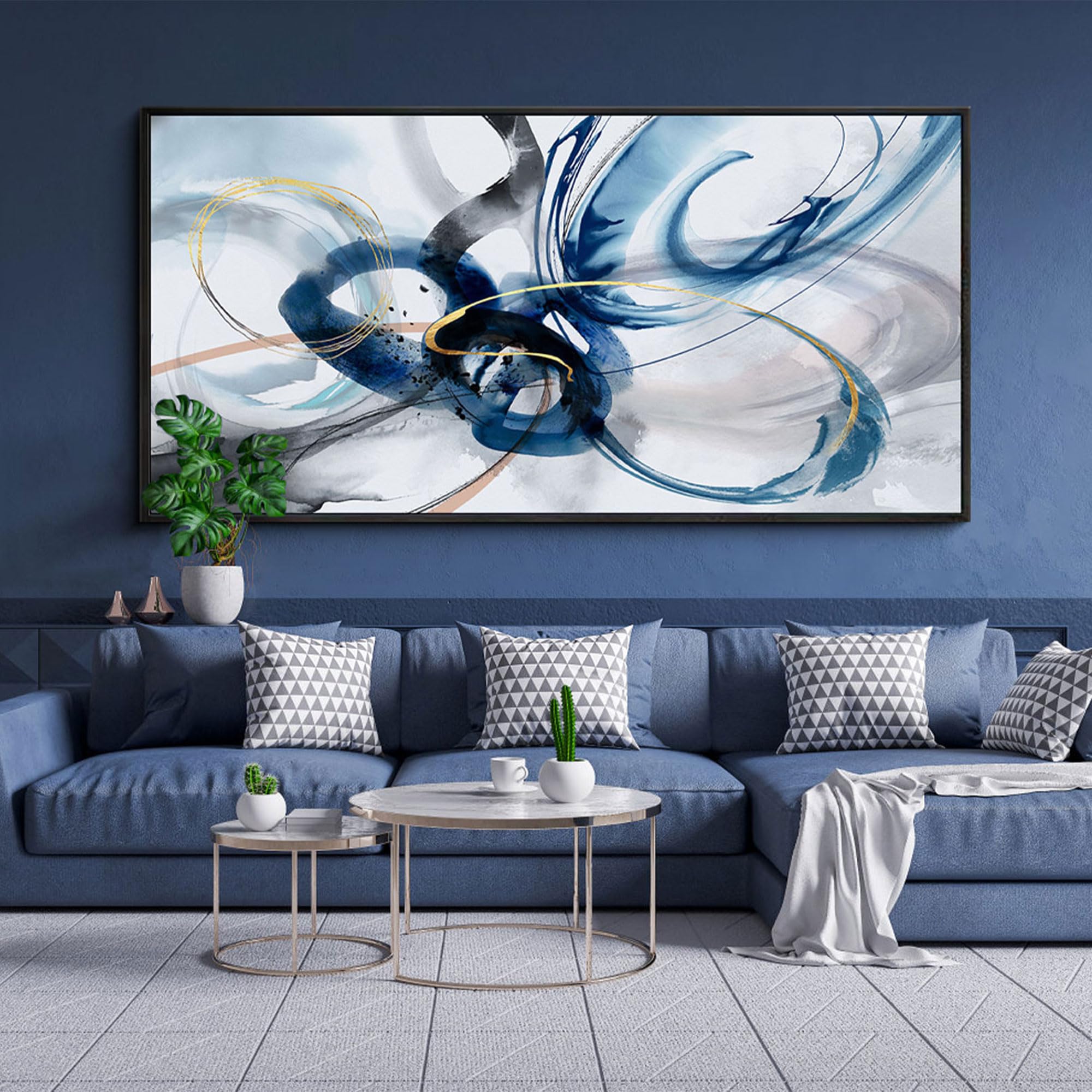
Decor & Accent Trends:Β Large wall art, oversized art, vintage kitchen decor, and unique textured pieces.

Decor & Accent Trends are increasingly about scale, character, and tactile interest. Thoughtfully chosen accents can define a space, add personality, and elevate even the most minimal interiors.


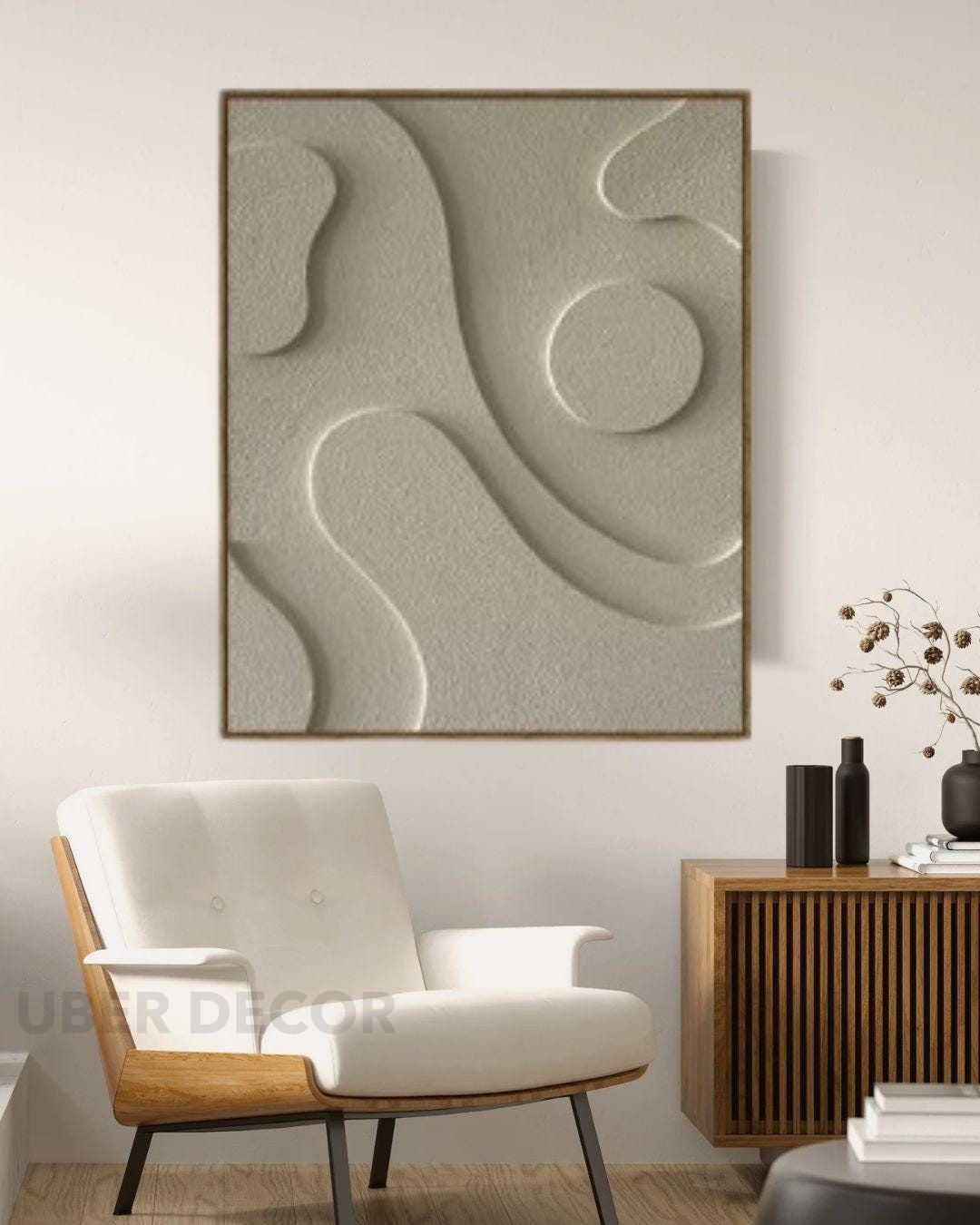
Large Wall Art

Image
Image
Image
Image

Large wall art acts as a focal point, anchoring the room and guiding the overall visual narrative.

Key characteristics:

  • Single, impactful pieces rather than multiple small frames
  • Abstract, landscape, or conceptual artworks
  • Neutral or bold palettes depending on interior style

Design value:

  • Instantly elevates plain walls
  • Creates a strong sense of scale and proportion
  • Works well in living rooms, bedrooms, and entryways

Oversized Art

Image
Image
Image
Image

Oversized art pushes boundaries by intentionally dominating wall space, making it a design feature rather than an accessory.

Key characteristics:

  • Extra-large canvases or panels
  • Often floor-to-ceiling or wall-spanning installations
  • Minimal framing or raw-edge finishes

Design value:

  • Adds drama and confidence to interiors
  • Reduces the need for additional dΓ©cor
  • Ideal for modern, minimalist, and open-plan spaces

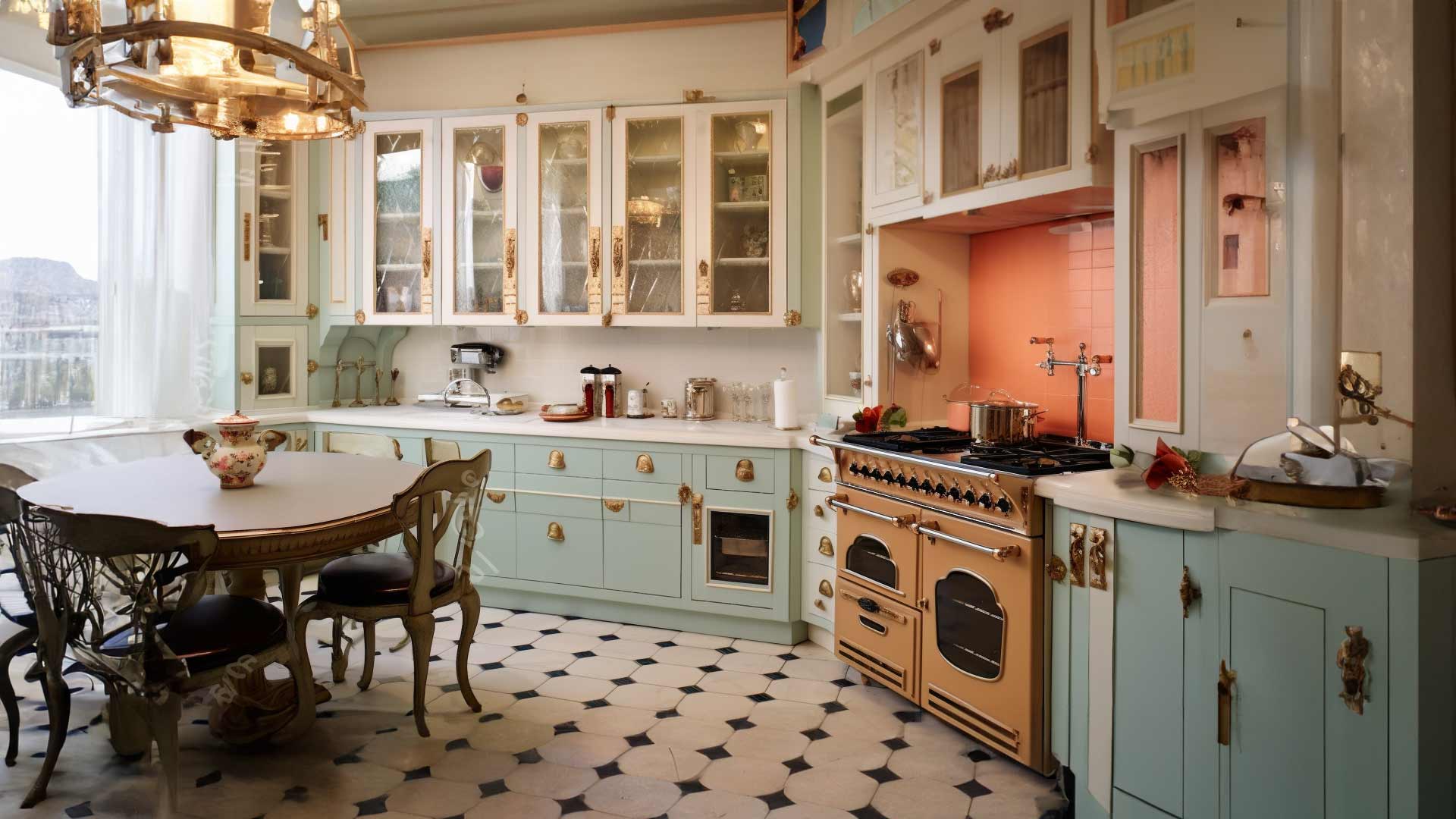
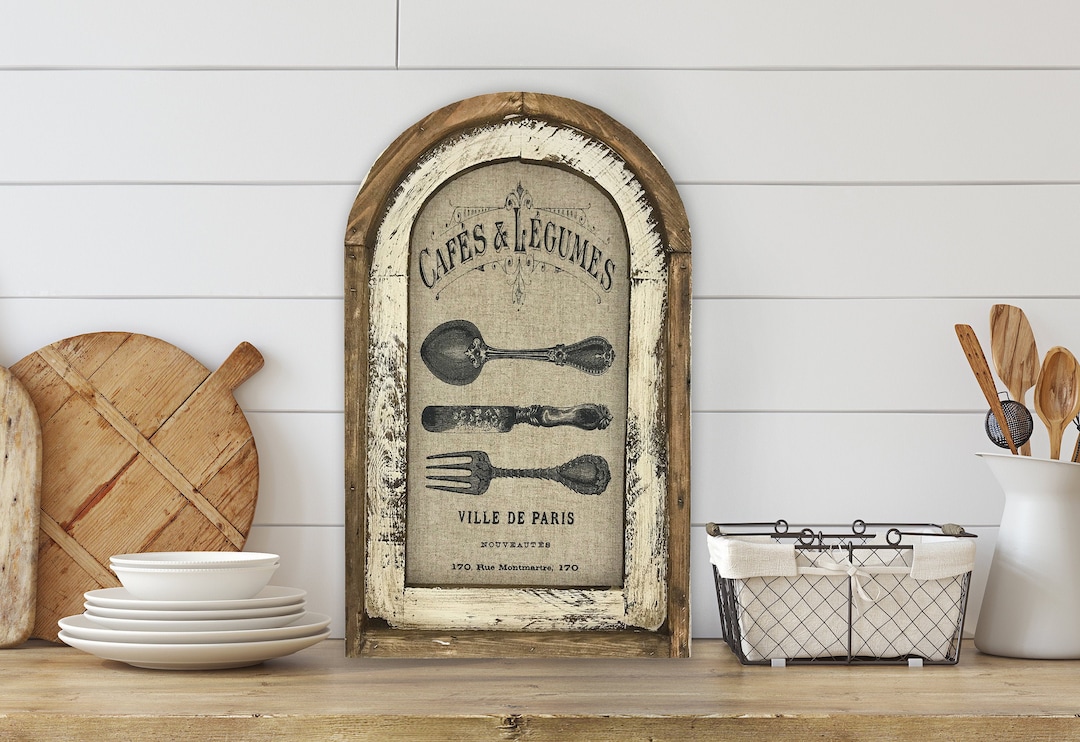
Vintage Kitchen DΓ©cor

Image
Image
Image
Image

Vintage kitchen dΓ©cor brings nostalgia and warmth, softening modern kitchens with character and charm.

Key characteristics:

  • Antique utensils, enamelware, and ceramic jars
  • Retro signage, clocks, and open shelving displays
  • Mix of patina finishes and handcrafted details

Design value:

  • Adds personality to contemporary kitchens
  • Creates a lived-in, curated feel
  • Works especially well in eclectic and farmhouse-inspired interiors

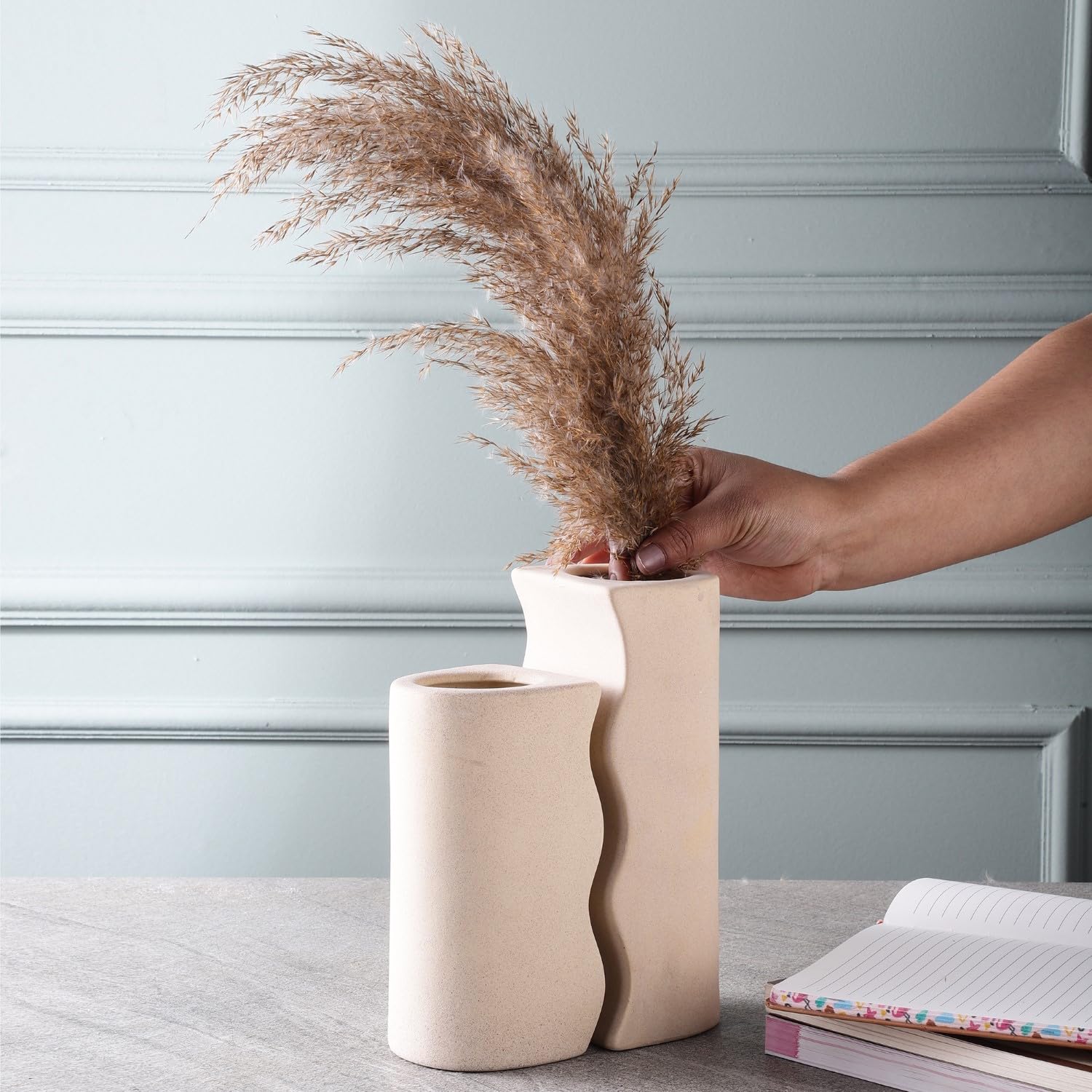
Unique Textured Pieces

Image
Image
Image
Image

Textured dΓ©cor introduces depth and sensory interest, making spaces feel more layered and dynamic.

Key characteristics:

  • Materials like ceramic, plaster, stone, woven fibers, and metal
  • Sculptural forms with tactile surfaces
  • Neutral tones with emphasis on texture over color

Design value:

  • Enhances visual richness without clutter
  • Complements minimalist and contemporary interiors
  • Adds handcrafted, artisanal appeal

Summary

Current decor and accent trends emphasize intentional impact:

  • Large wall art establishes visual focus
  • Oversized art delivers bold, statement-making design
  • Vintage kitchen dΓ©cor adds warmth and storytelling
  • Unique textured pieces introduce depth and tactile richness

When balanced carefully, these accents transform interiors into expressive, layered spaces while maintaining cohesion and design clarity.

Decor & Accent Trends:Β Large wall art, oversized art, vintage kitchen decor, and unique textured pieces. Read More Β»

Key Materials & Elements:Β Natural wood, dark wood furniture, brutalist furniture, and timber bed frames.

Key Materials & Elements define the visual weight, texture, and emotional tone of an interior. The following materials and furniture elements are central to contemporary residential design, balancing durability with strong aesthetic identity.


Natural Wood

Image
Image
Image
Image

Natural wood is one of the most versatile and timeless interior materials. It introduces warmth, texture, and an organic quality that works across multiple design styles.

Key characteristics:

  • Visible grain patterns and authentic textures
  • Available in light, medium, and warm tones
  • Used for flooring, furniture, wall panels, and ceilings

Design value:

  • Enhances comfort and visual warmth
  • Pairs well with minimalist, Scandinavian, Japandi, and biophilic interiors
  • Ages gracefully and adds long-term value

Dark Wood Furniture

Image
Image
Image
Image

Dark wood furniture adds depth, contrast, and sophistication to interiors. Common finishes include walnut, teak, mahogany, and espresso-stained woods.

Key characteristics:

  • Rich, deep tones with strong visual presence
  • Smooth or matte finishes for a refined look
  • Often used as statement furniture

Design value:

  • Grounds light or neutral interiors
  • Creates a sense of luxury and permanence
  • Works well in modern, mid-century, and contemporary spaces

Brutalist Furniture

Image
Image
Image
Image

Brutalist furniture emphasizes raw materials, bold forms, and structural honesty. Inspired by brutalist architecture, it focuses on function and mass.

Key characteristics:

  • Chunky, sculptural forms
  • Materials like concrete, raw wood, metal, and stone
  • Minimal ornamentation with strong geometry

Design value:

  • Makes a powerful visual statement
  • Adds architectural character to modern interiors
  • Best used selectively to avoid visual heaviness

Timber Bed Frames

Image
Image
Image
Image

Timber bed frames are a foundational bedroom element, offering both structural strength and visual warmth.

Key characteristics:

  • Solid wood construction for durability
  • Clean-lined or handcrafted designs
  • Available in light, dark, or natural finishes

Design value:

  • Creates a grounded, calming bedroom atmosphere
  • Complements minimalist, Japandi, rustic, and modern styles
  • Long-lasting and easy to integrate with different dΓ©cor themes

Summary

These key materials and elements shape interiors through texture, tone, and structure:

  • Natural wood brings warmth and versatility
  • Dark wood furniture adds depth and elegance
  • Brutalist furniture introduces bold, architectural impact
  • Timber bed frames provide stability and timeless appeal

When combined thoughtfully, these elements create interiors that feel balanced, durable, and visually compelling while adapting seamlessly to evolving design styles.

Key Materials & Elements:Β Natural wood, dark wood furniture, brutalist furniture, and timber bed frames. Read More Β»

Scroll to Top