A home designed around the way you live.
Thoughtful home interior design in Gurgaon for apartments, builder floors, villas and independent homes — combining intelligent space planning, beautiful materials, useful storage and coordinated execution.
15+ years of experience · 500+ projects · Gurgaon residential projects
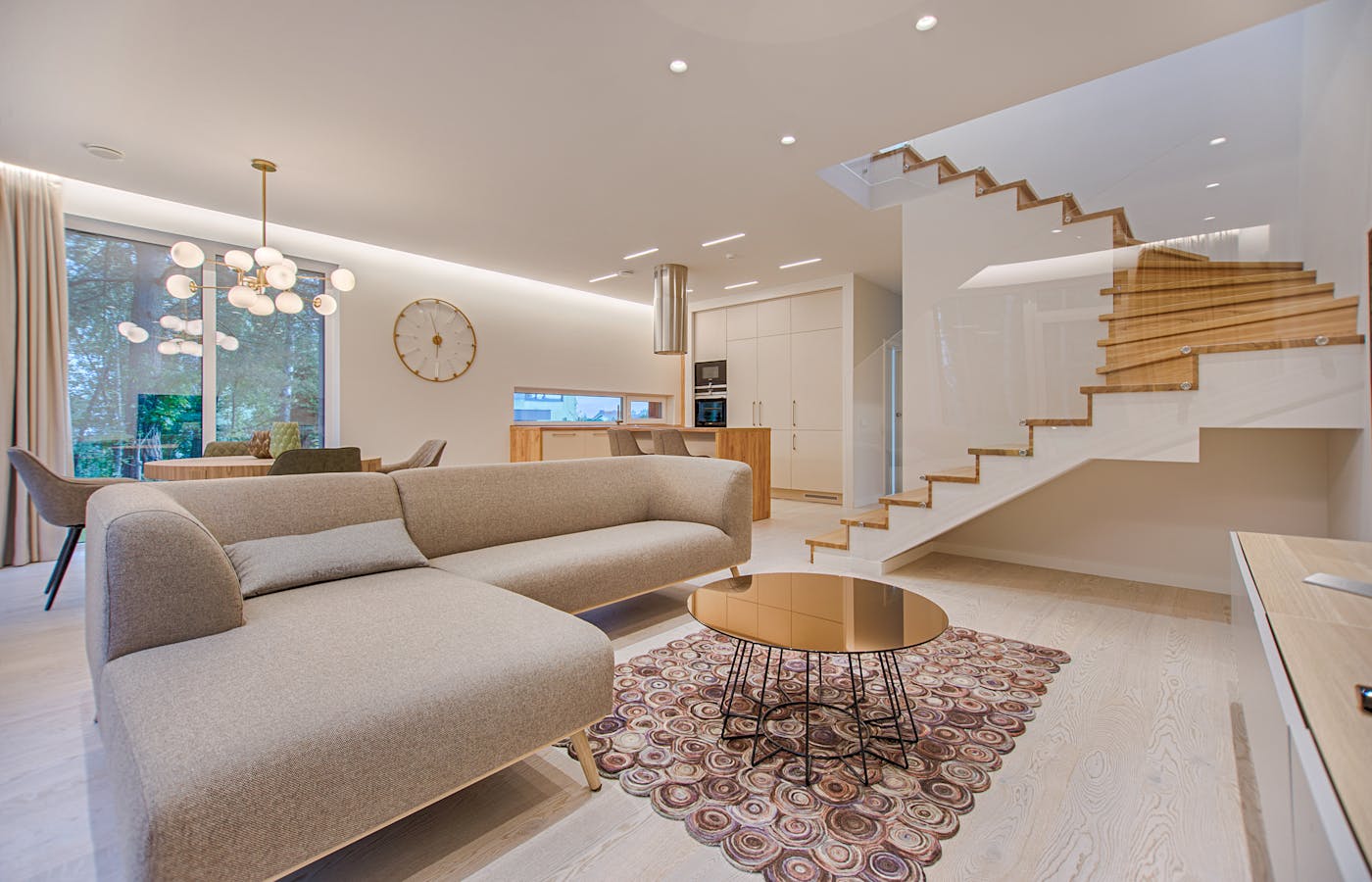
Beautiful is only the beginning.
The best home interiors make everyday life easier before they make a room look impressive.
Our approach starts with how you move through the home, what needs to be stored, where natural light works best and which spaces deserve attention. From there, materials, furniture, lighting and details are brought together into one coherent design.
The result is a home that feels considered rather than over-designed — practical enough for daily life and refined enough to feel special.
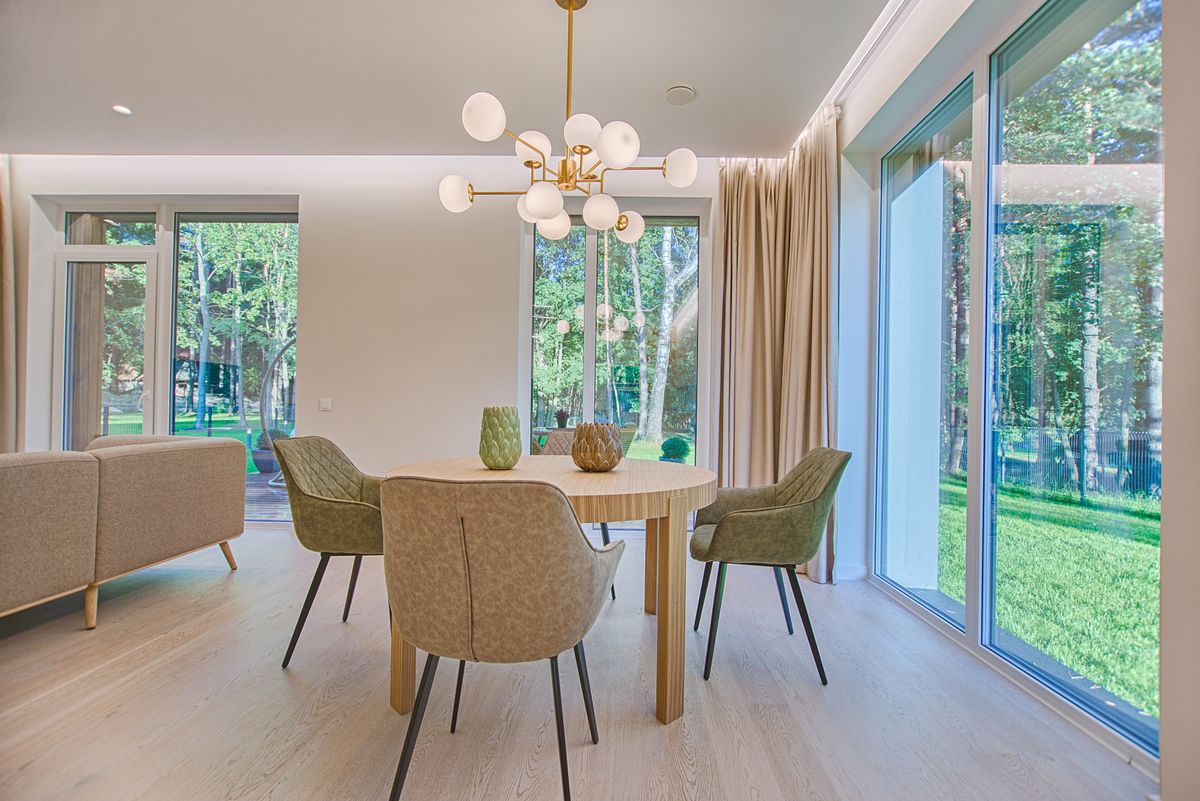
Living rooms with room to breathe.
Furniture layouts, TV units, feature walls, lighting and storage are planned together so the living room feels welcoming without becoming crowded.
- Furniture and circulation planning
- TV and display units
- Layered lighting and ceiling concepts
- Dining and family-zone coordination
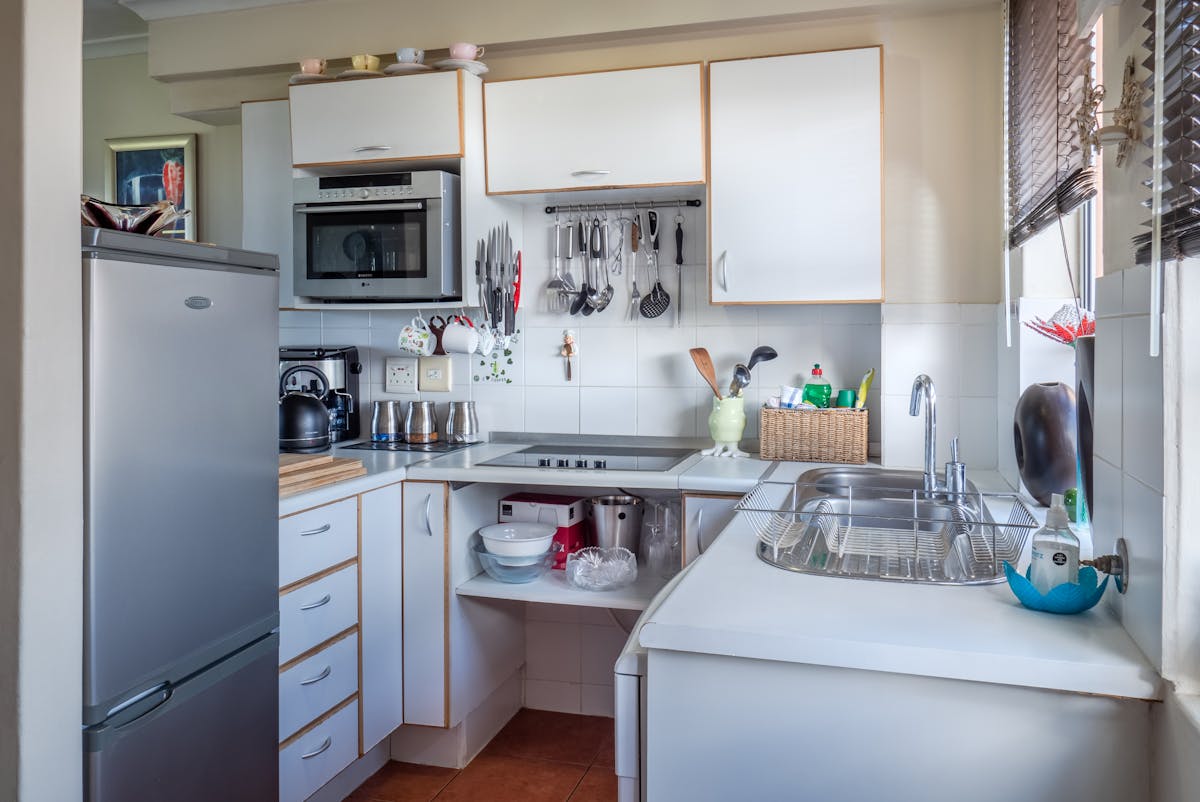
A kitchen that works as beautifully as it looks.
Gurgaon homes often need kitchens that balance compact footprints with serious storage. We plan cabinet layouts, appliance zones, worktops, finishes and lighting around your routine.
- L-shaped, parallel, island and open layouts
- Storage and drawer planning
- Hardware and material selection
- Appliance and work-zone planning
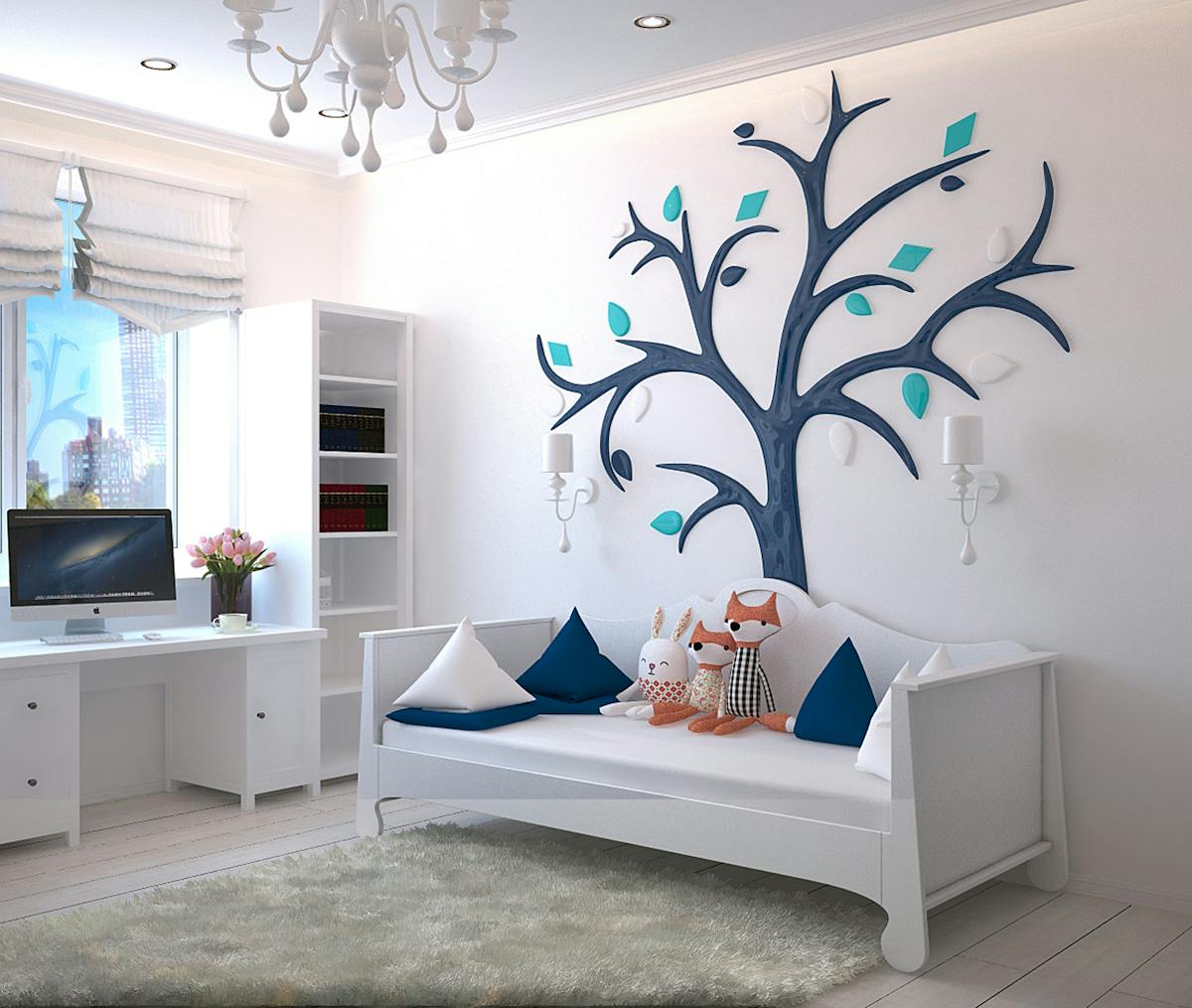
Bedrooms designed for calm, comfort and storage.
Bedrooms should feel quieter than the rest of the home. We combine comfortable furniture proportions with wardrobes, bedside storage, lighting and finishes that support a restful atmosphere.
- Master, kids and guest bedrooms
- Sliding and full-height wardrobes
- Bed-back and feature-wall concepts
- Warm, layered bedroom lighting
Details that make the whole home feel finished.
Wardrobes
Custom storage planned around room dimensions, clothing habits and the visual character of the space.
Lighting
Ambient, task and accent lighting coordinated with furniture, ceiling design and daily activities.
Furniture
Built-in and selected loose furniture that fits the room instead of forcing the room around it.
Finishes
Materials, laminates, veneers, colours and textures selected as one connected palette.
From compact apartments to expansive villas.
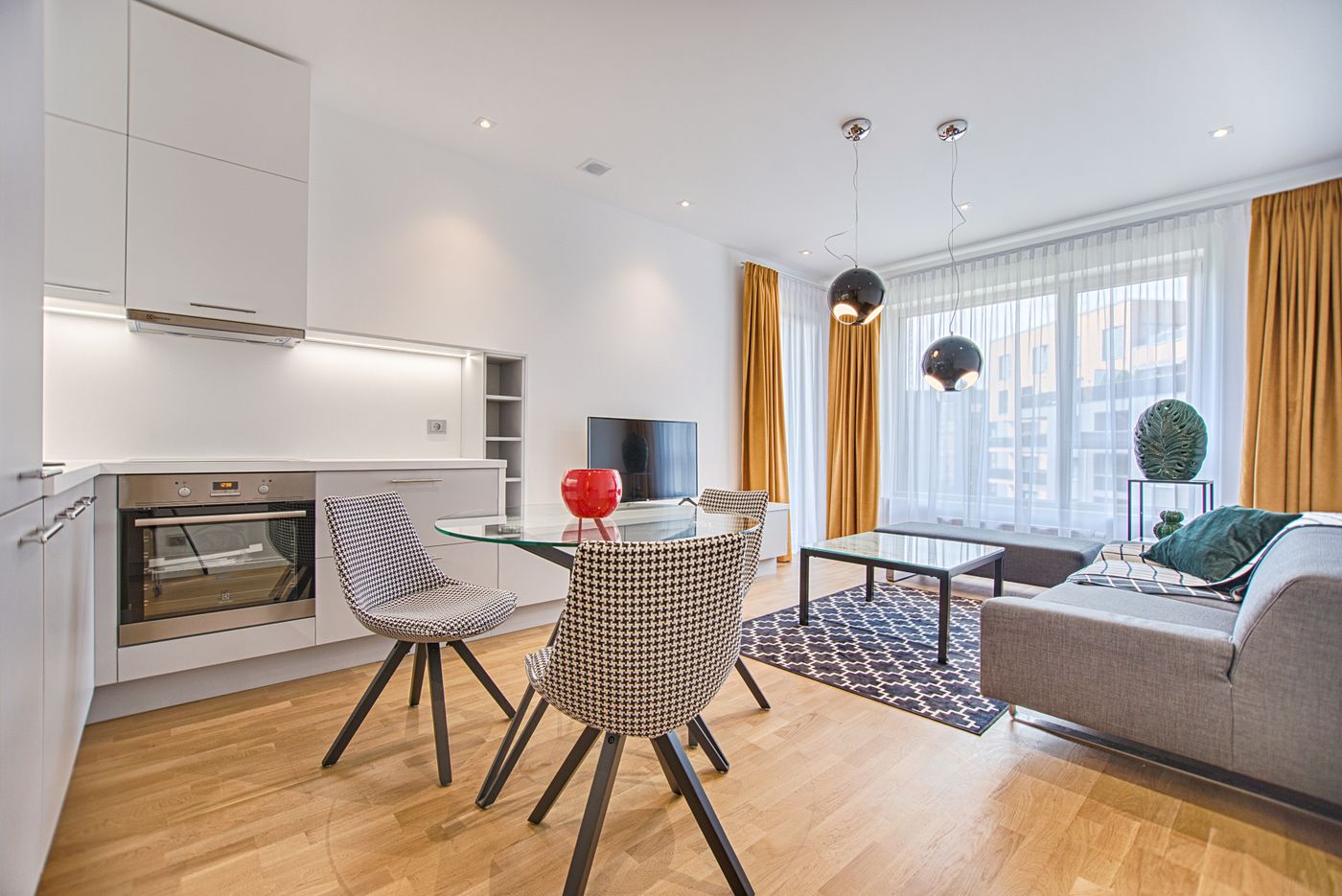
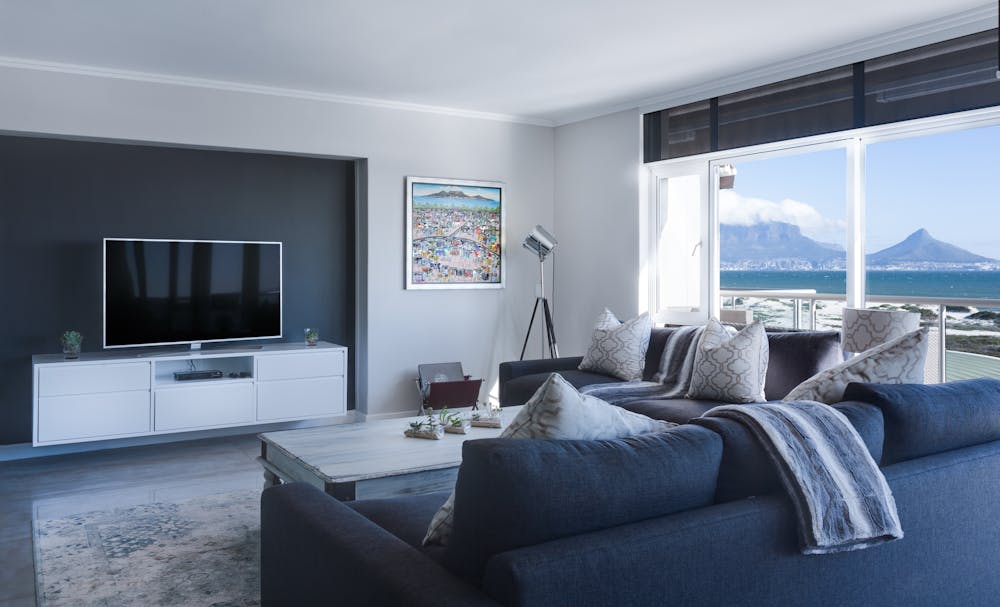
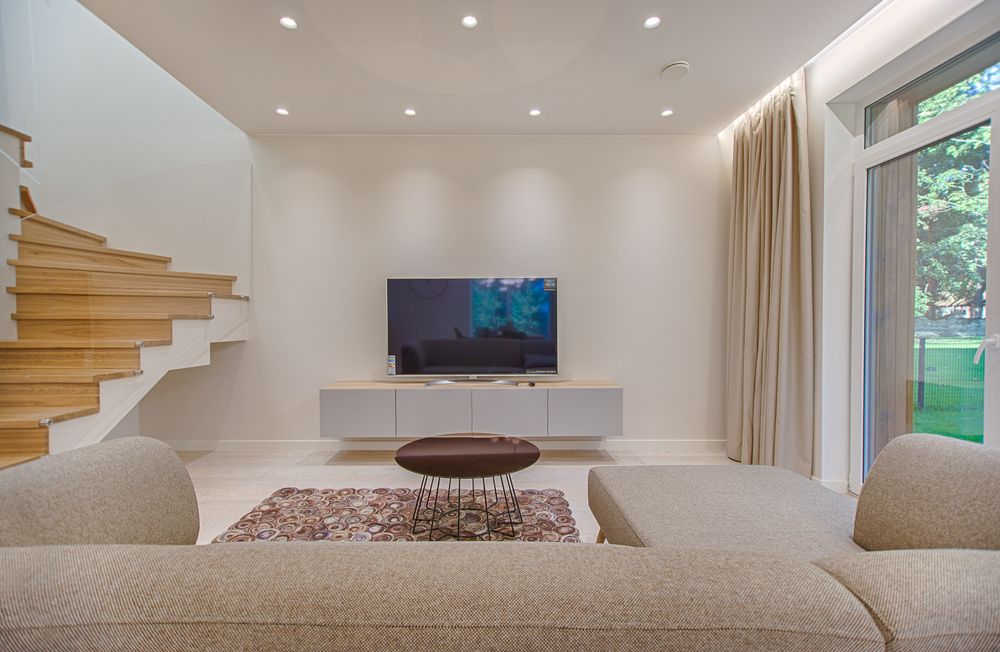
Whether your property is a high-rise apartment, builder floor or villa, the design should respond to its actual floor plan, natural light, storage needs, family routines and site conditions.
What should you budget for a Gurgaon home interior?
Current Interior A to Z Gurgaon guides place broad residential planning ranges around ₹800–₹4,500+ per sq. ft. depending on finish level and project scope. These are planning benchmarks, not fixed quotations. citeturn0search0turn0search1
For a complete home, current planning ranges are approximately ₹5–₹14 lakh+ for a 2BHK, ₹10–₹25 lakh+ for a 3BHK and ₹18–₹40 lakh+ for a 4BHK or villa, with premium customization potentially moving higher. citeturn0search1
See Gurgaon Cost GuideFrom floor plan to finished home.
Discover
Discuss your home, lifestyle, rooms, preferred style and approximate budget.
Plan
Review measurements, circulation, furniture, storage and functional priorities.
Design
Develop layouts, materials, colours, lighting and furniture direction.
Build
Coordinate the approved work, fabrication, installation and site execution.
Complete
Review the finished spaces and coordinate applicable finishing and handover.
Before you start.
What does home interior design in Gurgaon include?
Depending on the agreed scope, a home interior project can include space planning, living rooms, bedrooms, modular kitchens, wardrobes, furniture, lighting, ceiling concepts, materials and execution coordination.
How much does home interior design cost in Gurgaon?
Current Interior A to Z planning benchmarks range broadly from about ₹800 to ₹4,500+ per sq. ft. depending on specifications and scope. A project-specific quotation should be based on the actual floor plan, rooms, materials and execution requirements. citeturn0search0turn0search4
Can you design a 2BHK, 3BHK or 4BHK home?
Yes. The design can be adapted to compact 1BHK and 2BHK apartments, larger 3BHK and 4BHK homes, builder floors, independent homes and villas.
Do you provide modular kitchen design in Gurgaon?
Yes. Kitchen planning can cover layout, cabinet storage, work zones, materials, hardware, appliances, lighting and installation according to the project scope.
Do you provide turnkey home interiors?
Turnkey services can combine design development with material coordination, fabrication, installation and execution support. Exact responsibilities and inclusions should be confirmed in the project scope before work begins.
What should I share for an initial consultation?
Share your Gurgaon location or sector, BHK, approximate area, floor plan if available, rooms you want designed, preferred style, approximate budget and target timeline.
Tell us what you want the space to feel like.
Share your floor plan, BHK and a few details about your lifestyle. We can then discuss the right design direction and scope for your Gurgaon home.