Living Room Wall Design · Delhi NCR
Wall Design for Living Room: 10 Stylish Ideas for Delhi NCR Homes
Transform a plain living room wall into a balanced focal point with paint, texture, wallpaper, wood panels, TV units, artwork, mirrors and smart storage.

Quick Answer
What makes a good living room wall design?
A successful living room wall design combines visual character with proportion, lighting, furniture placement, storage and practical maintenance.
The wall behind the sofa or television is often a natural focal point, but the best wall depends on the room entrance, windows, furniture arrangement, viewing angles and the purpose of the wall. In a compact Delhi NCR apartment, a controlled feature treatment is often more effective than decorating every wall.
Before selecting a finish, measure the wall and note doors, windows, switches, sockets, vents and service points. This avoids expensive changes after installation.
10 Wall Design Ideas
Living room walls that combine style and function
Choose one clear focal treatment and coordinate it with your sofa, flooring, curtains, lighting and other architectural details.
Painted Accent Wall
Use one deeper, warmer or contrasting colour to establish a focal point behind the sofa or television.
- Works well for budget-conscious updates
- Easy to repaint later
- Test colours in daylight and evening light
Textured Paint
Limewash-inspired, concrete-look, brushed or fine-texture finishes can add depth without heavy wall cladding.
- Useful for subtle feature walls
- Choose finishes according to cleaning needs
- Check future touch-up requirements
Wallpaper Feature Wall
Wallpaper can introduce botanical patterns, geometric rhythm, abstract artwork or understated texture.
- Excellent for fast visual transformation
- Wide range of patterns and textures
- Wall preparation is essential
Wooden or Fluted Panelling
Timber tones, veneer, laminate and fluted profiles add warmth and vertical rhythm to contemporary living rooms.
- Ideal behind TV units or sofas
- Can visually increase ceiling height
- Plan joints, edges and cable routes carefully
TV and Media Wall
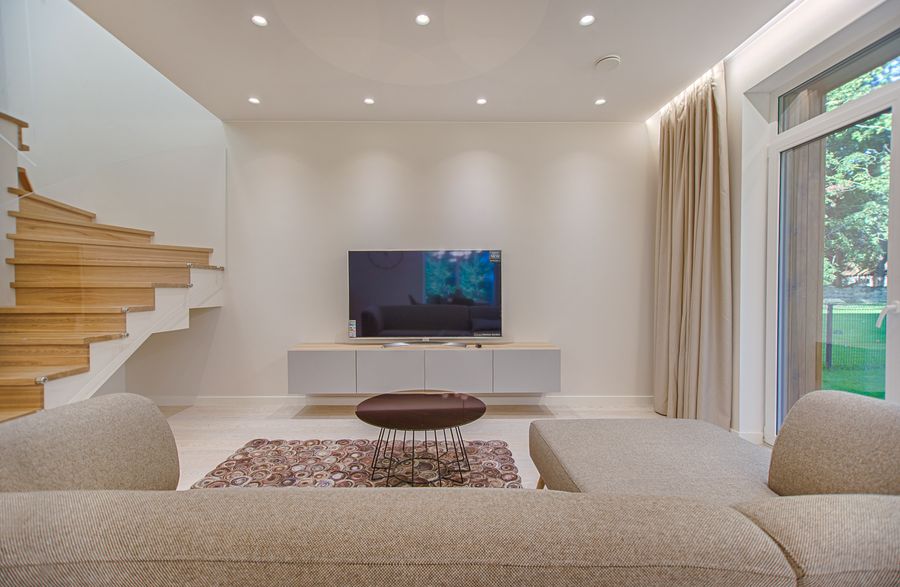
Combine the television with storage, concealed wiring, ventilation, lighting and carefully scaled display elements.
- Hide everyday cables
- Allow equipment ventilation
- Keep service access practical
Decorative Wall Moulding
Wainscoting, framed moulding and geometric panels can create a refined modern-classic character.
- Works especially well with symmetry
- Use restrained profiles in compact rooms
- Coordinate with skirting and door details
Brick or Stone-Effect Finish
Brick and stone-inspired finishes add earthy or industrial character when used selectively.
- Good for industrial and rustic interiors
- Consider thickness and dust collection
- Check moisture and cleaning requirements
Artwork and Gallery Wall
Create a personalised feature using artwork, photography, handcrafted pieces or a carefully curated collection.
- Plan the centre line before fixing
- Coordinate frame finishes
- Use appropriate wall fixings
Mirror and Reflective Details
Mirrors can reflect daylight and create a greater sense of openness, especially in smaller apartments.
- Useful for compact rooms
- Control glare and unwanted reflections
- Use fixings appropriate to mirror weight
Shelves, Niches and Display Storage
Combine open display areas with concealed cabinets for books, plants, artwork and personal objects.
- Add function without covering the whole wall
- Use niches for controlled display
- Integrate subtle lighting where appropriate
Visual Direction
Build the wall around the room, not the other way around
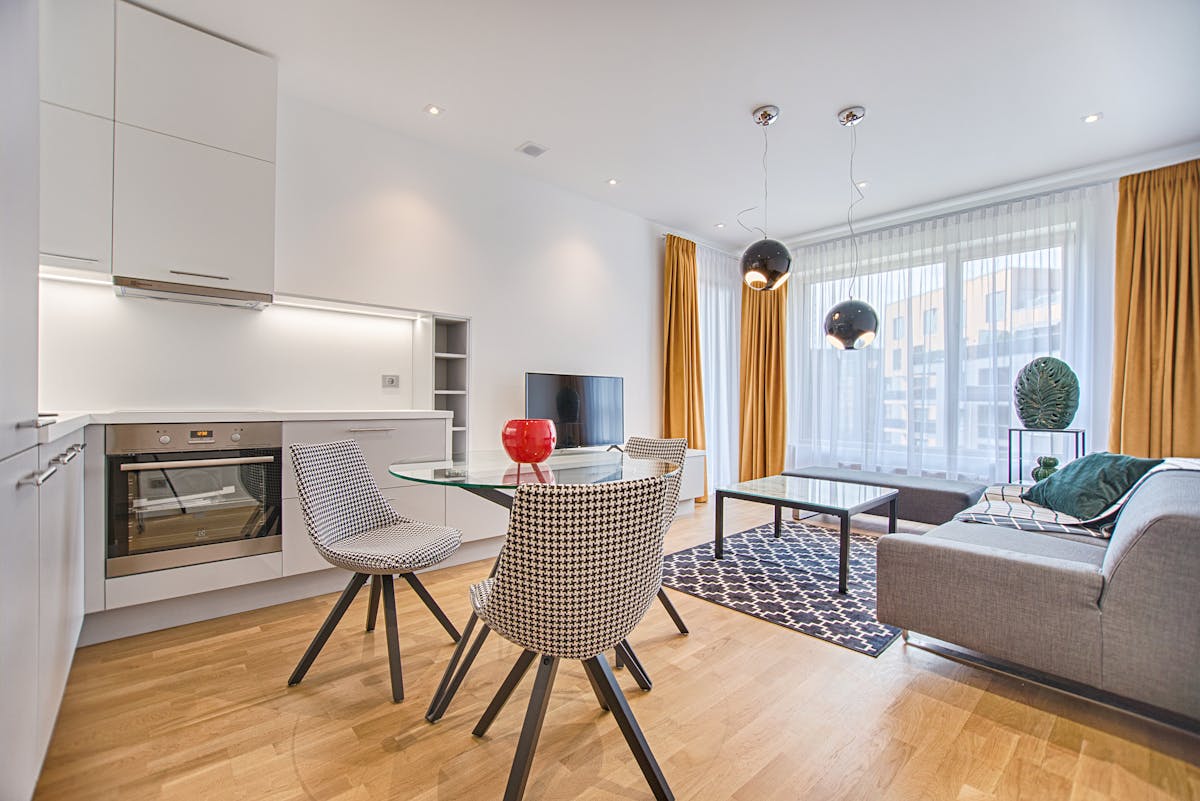
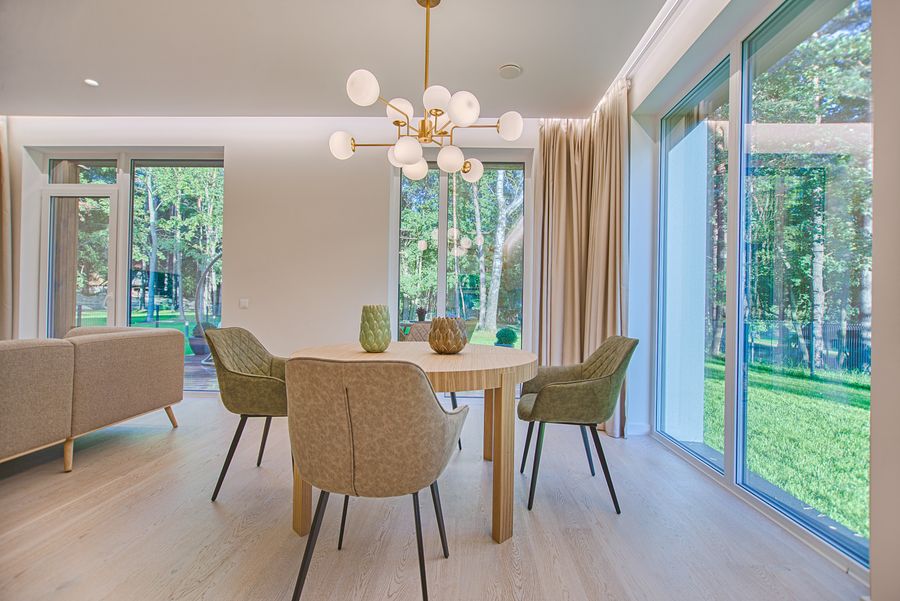
The strongest feature walls coordinate the wall finish with furniture scale, natural light, circulation and the overall material palette.
Choose a Direction
Living room wall design by interior style
Modern Minimal
One controlled finish, clean lines, concealed storage and warm layered lighting.
Contemporary
Combine texture, panelling, artwork and practical media storage without visual clutter.
Modern Indian
Blend timber, artwork, textiles, craft details and warm accents with contemporary planning.
Modern Classic
Use moulding, symmetry, refined colours and carefully proportioned lighting.
Biophilic
Bring natural textures, plants and organic materials into the living room with practical maintenance planning.
Design Planning
Details to resolve before installation
Lighting
Use ambient lighting for comfort and accent lighting to highlight artwork, texture, niches or panelling.
- Reduce glare on television screens
- Plan LED drivers and service access
- Coordinate switches and controls
- Plan cable routes before wall finishing
Materials & Maintenance
Select finishes according to sunlight, dust, humidity, children, pets, cleaning habits and future changes.
- Ask about surface preparation
- Check cleaning requirements
- Confirm repair and replacement options
- Review warranty where applicable
Furniture Proportion
A feature wall should support the furniture rather than compete with it.
- Measure sofa and TV-unit dimensions
- Maintain practical circulation
- Keep artwork proportionate to the wall
- Coordinate wall and floor tones
Services & Safety
Wall treatments should never make future maintenance unnecessarily difficult.
- Protect electrical access
- Allow ventilation for media equipment
- Check fixing strength for heavy elements
- Do not cover service points blindly
Small Living Rooms
Wall design ideas for compact Delhi NCR homes
In smaller Gurgaon, Noida and Delhi apartments, the goal is usually visual openness rather than maximum decoration.
Use One Primary Focal Wall
Avoid giving every wall a different finish. One strong wall can create identity while keeping the rest of the room calm.
Use Vertical Proportions
Slim vertical panels, fluting or carefully positioned artwork can draw the eye upward without taking floor space.
Consider Reflective Surfaces
A well-positioned mirror can increase perceived openness, provided it does not create glare or reflect unwanted clutter.
Integrate Storage
Wall-mounted cabinets, niches and compact TV units can combine decoration with everyday storage.
Avoid These Mistakes
What can make a feature wall look wrong?
Too Many Materials
Combining wood, stone, wallpaper, mirrors and multiple colours on one wall can make a compact room visually heavy.
Ignoring Services
Do not cover switches, sockets, vents, cables or equipment access without resolving their locations first.
Wrong Scale
Oversized patterns, heavy panelling or small artwork can disturb the visual proportion of the room.
Poor Lighting
Feature lighting should enhance the wall rather than create glare, harsh shadows or reflections on the television.
Hard-to-Clean Finishes
Deep grooves, exposed textures and decorative surfaces can collect dust and require more maintenance.
Starting Too Early
Approve measurements, drawings, samples, electrical points and the final scope before beginning installation.
Delhi NCR Homes
Wall design considerations by location
Delhi
Builder floors, independent homes and apartments can benefit from carefully proportioned feature walls, artwork, moulding and integrated storage.
Explore Interior Designers in Delhi →Gurgaon
Modern apartments and luxury homes often suit fluted wood, refined TV walls, textured finishes, concealed storage and layered lighting.
Explore Interior Design in Gurgaon →Noida
Compact apartments benefit from clean compositions, mirrors, integrated storage, controlled textures and space-efficient media walls.
Explore Interior Designers in Noida →Related Interior Design Resources
Continue planning your living room
Frequently Asked Questions
Living room wall design FAQs
Which wall is best for a living room feature wall?
The wall behind the sofa or television is often a natural focal point, but the best choice depends on the room entrance, windows, furniture arrangement, viewing angles and the intended function of the wall.
Is wall panelling suitable for a small living room?
Yes. Use restrained profiles, lighter or coordinated colours and appropriate proportions. Avoid excessive detailing that makes the room visually crowded.
How can I design a TV wall without making it bulky?
Keep the unit proportionate to the wall, use concealed cable management, provide ventilation for equipment and limit the number of display elements. Service access should remain practical.
Can wallpaper work in a living room?
Yes. Wallpaper can provide pattern, texture or colour without extensive construction. Choose the product according to the wall condition, cleaning needs and overall room palette.
Are mirrors good for small living rooms?
Mirrors can reflect light and increase the perceived openness of a compact room. Position them carefully to avoid glare and unwanted reflections.
What is a budget-friendly living room wall design?
Paint, selected texture finishes, wallpaper, artwork and simple moulding can create a strong focal wall without covering the entire room in expensive materials.
How many feature walls should a living room have?
One primary focal wall is usually enough. Additional walls should support the main composition rather than compete with it.
What should I check before installing a wall design?
Confirm wall dimensions, surface condition, electrical points, switches, sockets, ventilation, cable routes, furniture dimensions, lighting and the final material specification before installation.
Plan Your Living Room
Create a living room wall that looks beautiful and works every day.
Share your wall dimensions, room photographs, furniture layout, preferred style and approximate budget to develop a practical wall concept for your Delhi NCR home.
Discuss Your Wall Design