Luxury Design Guide
The Three Levels of Luxury
Luxury is not defined by price alone. It can be understood through increasing levels of quality, exclusivity, customization, craftsmanship and personalized experience.
The Short Answer
What are the three levels of luxury?
Luxury can broadly be divided into three levels: accessible luxury, intermediate or mid-tier luxury, and ultra-luxury. The difference is usually visible in the degree of craftsmanship, exclusivity, personalization, service and customization.
A premium-looking home may use better finishes and carefully selected furniture. A more exclusive interior introduces greater customization and craftsmanship. Ultra-luxury moves toward highly bespoke spaces where materials, furniture, lighting, technology and detailing are developed around the individual property and client.
Three Levels
Luxury increases through refinement
Accessible Luxury
Accessible luxury sits above mainstream design while remaining comparatively attainable.
- Better materials and finishes
- Strong visual styling
- Improved craftsmanship
- Premium-looking furniture
- More considered detailing
Intermediate Luxury
Mid-tier luxury introduces a greater level of exclusivity, customization and personalized experience.
- Higher-quality materials
- Custom furniture and storage
- More detailed lighting design
- Personalized layouts
- Greater attention to craftsmanship
Ultra-Luxury
Ultra-luxury focuses on bespoke design, exceptional craftsmanship and highly personalized spaces.
- Bespoke furniture and detailing
- Rare or highly selected materials
- Individualized design solutions
- Advanced lighting and technology
- Highly controlled execution
Luxury Through an Interior Lens
Luxury is experienced through details
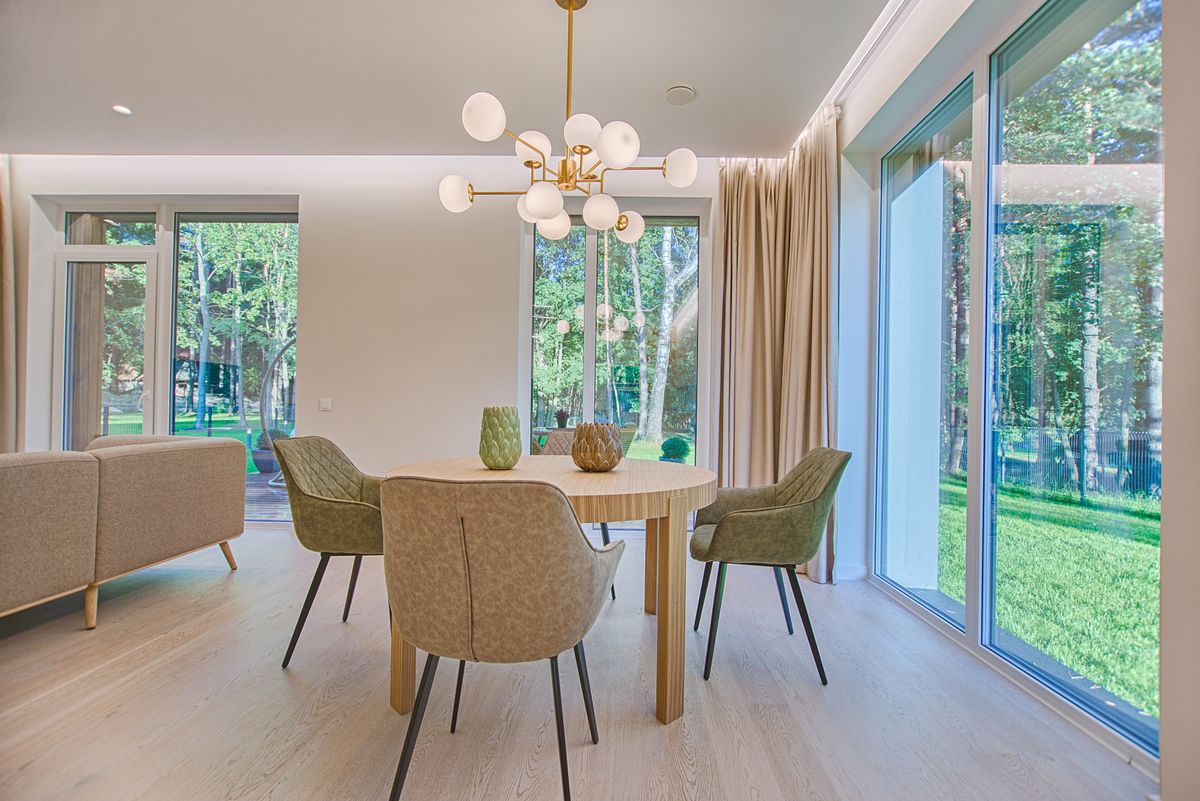
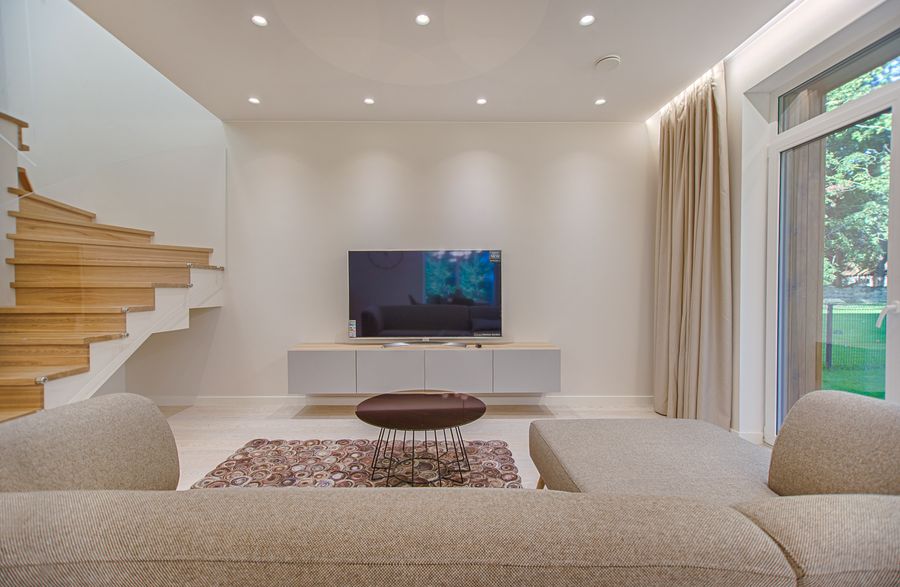
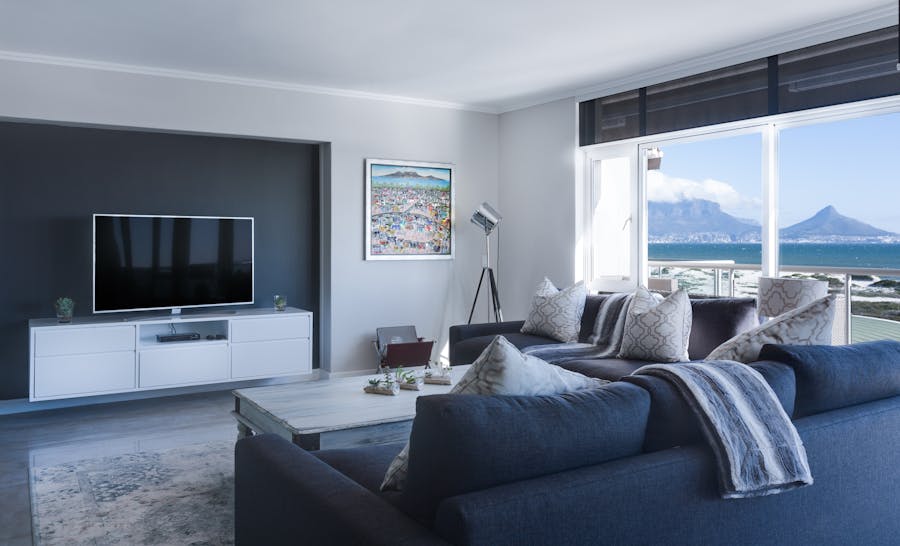
In a home, luxury is not simply about adding expensive objects. The overall experience comes from how space, materials, lighting, furniture, storage and craftsmanship work together.
What Changes as Luxury Increases?
Six elements that define the experience
1. Materials
Higher luxury levels can introduce more carefully selected natural stones, veneers, metals, fabrics, glass and specialty finishes.
2. Craftsmanship
Precision in joinery, furniture, wall detailing, cabinetry and finishing becomes increasingly important.
3. Customization
Bespoke dimensions, furniture, storage and decorative elements allow the home to respond to its architecture and occupants.
4. Exclusivity
Greater luxury often means fewer standardized solutions and more individual choices.
5. Service
Personalized consultation, detailed coordination and closer project attention can become part of the luxury experience.
6. Experience
The final objective is a home that feels cohesive, comfortable, personal and effortless to use.
At a Glance
Comparing the three levels of luxury
| Factor | Accessible Luxury | Intermediate Luxury | Ultra-Luxury |
|---|---|---|---|
| Availability | Relatively broad | More selective | Highly limited or bespoke |
| Materials | Premium selections | Higher-grade selections | Highly selected or rare materials |
| Customization | Limited to moderate | Significant | Highly bespoke |
| Craftsmanship | Enhanced | Detailed | Exceptional and specialized |
| Service | Premium standardized | More personalized | Highly individualized |
| Interior approach | Premium styling | Refined personalization | Bespoke complete environment |
Luxury Home Interiors
How the three levels translate into a home
The distinction becomes particularly useful when planning a residential interior. Instead of looking only at the price of individual products, consider the total design experience.
Accessible Luxury Home
Focus on a strong layout, coordinated colours, quality modular furniture, attractive lighting, practical storage and a restrained selection of premium finishes.
Intermediate Luxury Home
Add custom furniture, richer materials, layered lighting, tailored storage, feature walls and more personalized architectural detailing.
Ultra-Luxury Home
The entire environment may be designed as one bespoke composition, including custom furniture, specialty materials, architectural detailing, lighting, technology and art integration.
The Key Difference
Luxury is increasingly about how precisely the design responds to the property and the people who live in it—not simply how much is spent.
Luxury Design Principles
What makes an interior feel luxurious?
Proportion and balance
Furniture, architectural features and decorative elements should relate naturally to the dimensions of the room.
Material harmony
Wood, stone, metal, glass and fabrics work best when their textures and tones have a deliberate relationship.
Layered lighting
Ambient, task and accent lighting can create depth instead of relying on a single bright ceiling fixture.
Quiet detailing
Carefully resolved edges, joints, reveals, handles and transitions can create sophistication without visual clutter.
Personalization
A luxury home should reflect the occupants through artwork, furniture, collections, colours and functional requirements.
Execution quality
Even an excellent design can lose its impact if installation, alignment, finishing or detailing is poorly executed.
Delhi NCR Perspective
Luxury interiors in Delhi, Gurgaon and Noida
In Delhi NCR homes, luxury can take many forms depending on the apartment, builder floor, villa, penthouse or independent house. The right approach begins with the architecture, lifestyle and scope rather than applying the same luxury formula everywhere.
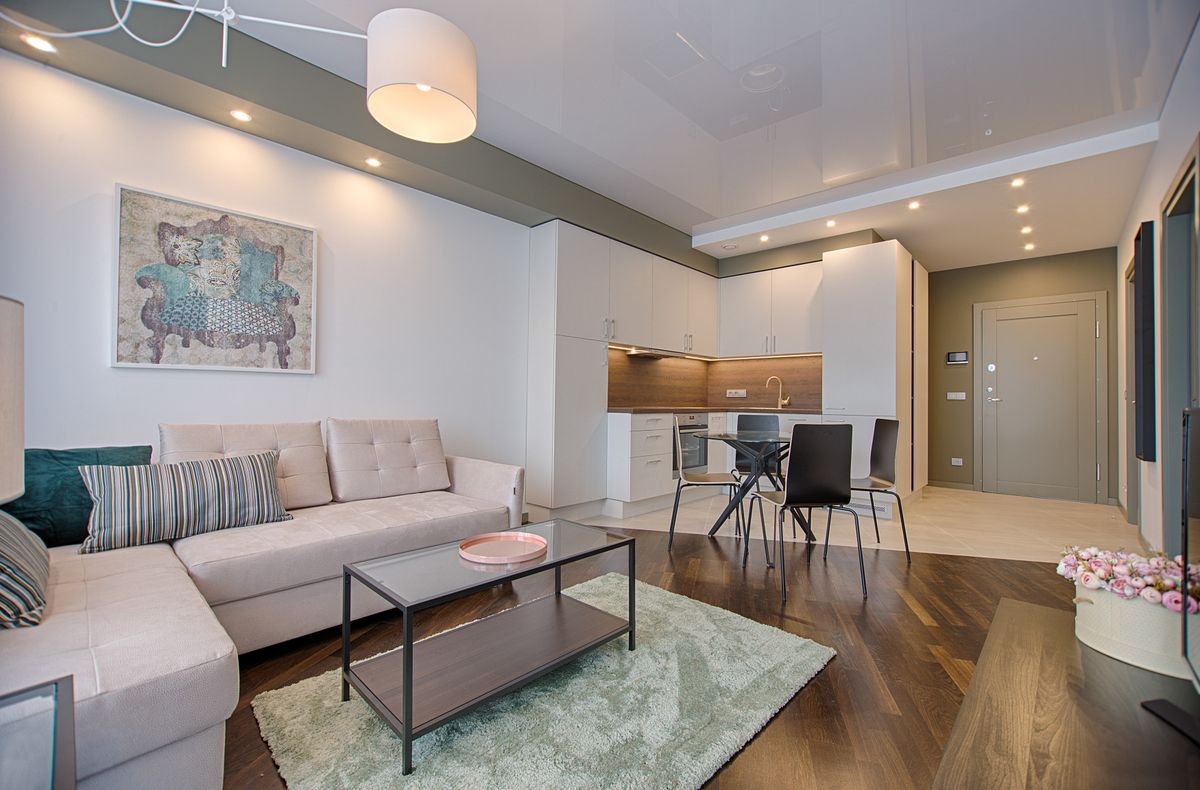
For a smaller apartment, refined materials, custom storage and intelligent lighting may create a strong premium effect. Larger homes can accommodate more extensive architectural detailing, bespoke furniture, statement lighting and specialized spaces.
Continue Exploring
Luxury interior design resources
Frequently Asked Questions
The three levels of luxury: FAQ
What are the three levels of luxury?
The three broad levels are accessible luxury, intermediate or mid-tier luxury, and ultimate or ultra-luxury. They differ primarily in quality, exclusivity, customization, craftsmanship, service and overall experience.
What is accessible luxury?
Accessible luxury offers premium quality and elevated styling above mainstream products while remaining relatively attainable.
What is intermediate or mid-tier luxury?
Intermediate luxury introduces more exclusivity, personalization, customization and attention to craftsmanship.
What is ultra-luxury?
Ultra-luxury focuses on highly bespoke solutions, exceptional craftsmanship, specialized materials, exclusivity and individualized service.
How does luxury apply to interior design?
In interiors, luxury can be expressed through spatial planning, material selection, custom furniture, lighting, detailing, craftsmanship, technology and personalized design.
Does a luxury interior always need expensive materials?
No. Material quality matters, but proportion, planning, craftsmanship, lighting, personalization and restraint can also strongly influence how luxurious a space feels.
Create Your Interior
Luxury should feel personal, not simply expensive.
Start with your home’s architecture, lifestyle, priorities and desired level of customization, then build the design around those requirements.