Home Renovation Cost Guide · 2026
What Is the Most Expensive Part of Renovation?
Renovation costs can vary dramatically from one home to another. Kitchen remodeling is often one of the largest discretionary expenses, but structural repairs, plumbing, electrical replacement, waterproofing and hidden defects can become even more expensive.
Quick Answer
There is no single most expensive renovation item.
The largest expense depends on the property condition and the scope of renovation. For many homes, the kitchen becomes one of the biggest room-specific investments. However, structural repairs, major plumbing or electrical replacement, waterproofing and concealed defects can quickly exceed the cost of cosmetic work.
Major Cost Areas
What can consume the biggest part of a renovation budget?
The following categories can represent a significant share of renovation spending. Their actual cost depends on property size, existing condition, materials, labour, access and the amount of work required.
Kitchen Renovation
Cabinets, countertops, hardware, appliances, plumbing, electrical points, backsplash, flooring and lighting can combine into a substantial package.
Structural Repairs
Wall removal, structural strengthening, foundation problems, major cracks and other building defects may require specialist design and construction work.
Electrical & Plumbing
Rewiring, distribution boards, new circuits, water lines, drainage and concealed pipe replacement can become expensive in older properties.
Waterproofing
Bathroom, terrace, balcony or wet-area waterproofing may involve demolition, surface preparation, treatment and replacement of finished surfaces.
Bathroom Renovation
Tiles, sanitaryware, plumbing, waterproofing, shower systems, vanity units, electrical work and fixtures can create a large renovation package.
Flooring & Finishes
Flooring across a whole property can become a major expense, particularly when old flooring needs removal and premium stone, wood or specialist finishes are selected.
Where the Money Goes
Renovation becomes expensive when several trades overlap.
A kitchen, bathroom or major layout change can involve multiple trades at the same time. Demolition, civil work, plumbing, electrical, carpentry, finishes and installation can all be connected.
Kitchen Renovation
Why the kitchen often becomes the biggest discretionary expense.
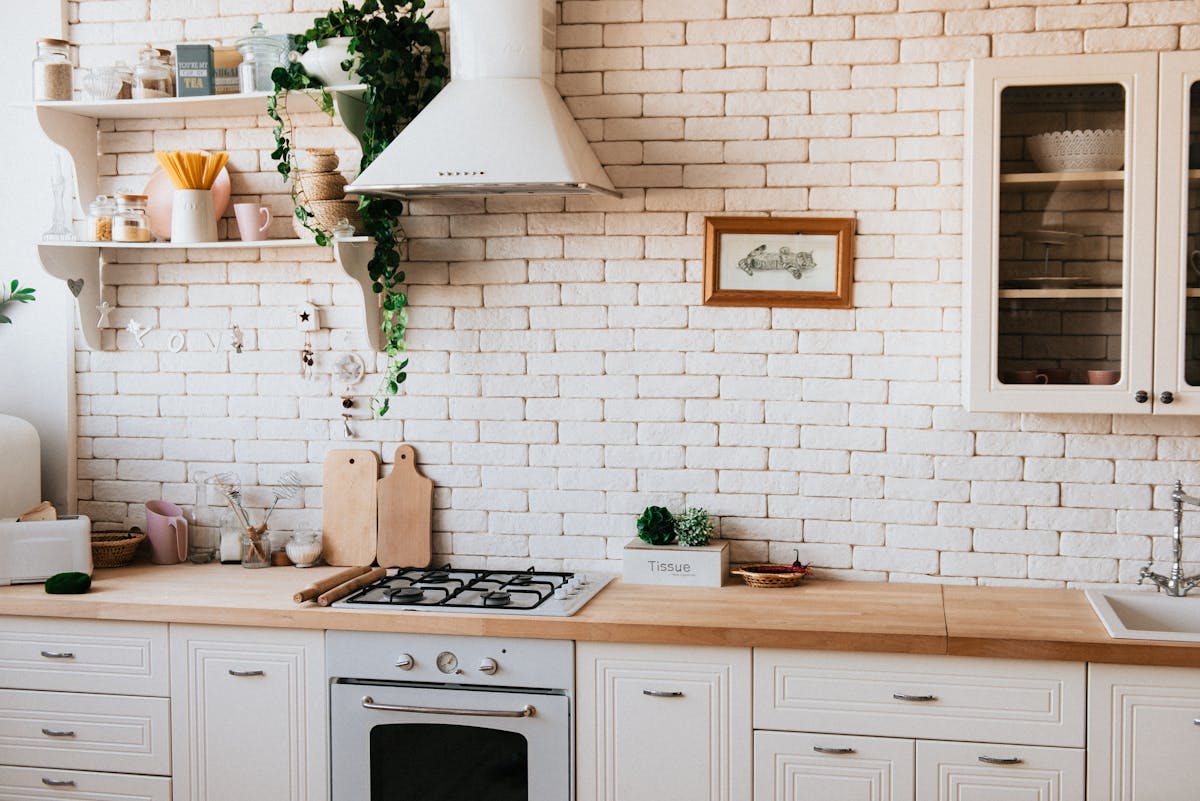
Unlike a simple painting project, a kitchen combines storage, surfaces, hardware, services and appliances in one space. Changing the layout can increase the scope further.
Cabinets & Storage
Carcass material, shutters, internal storage, drawers, tall units and specialized accessories affect the final cost.
Hinges & Mechanisms
Soft-close systems, tandem drawers, lift-up mechanisms and premium hardware can substantially change the specification.
Countertop & Backsplash
Quartz, granite, marble, tiles and other surface choices influence both material and installation costs.
Electrical & Plumbing
New appliance points, water connections, drainage and concealed services may be required.
Kitchen Appliances
Built-in ovens, hobs, chimneys, refrigerators and dishwashers can significantly increase the total kitchen investment.
Execution
Demolition, manufacturing, transport, installation and finishing all contribute to the final project cost.
Hidden Renovation Costs
The unexpected work can cost more than the visible finishes.
Older homes can reveal problems only after demolition begins. A realistic renovation budget should allow for investigation and a contingency reserve.
Damp & Water Damage
Moisture can damage plaster, flooring, cabinetry and wall finishes and may require the underlying source to be repaired first.
Old Electrical Wiring
Rewiring an older home may involve new circuits, distribution boards, earthing, switches and substantial wall repairs.
Plumbing Defects
Leaks, damaged pipes, drainage problems and old concealed plumbing can require demolition before replacement.
Uneven Floors
Poor substrates can require leveling or repair before new flooring is installed.
Hidden Wall Damage
Existing walls may reveal cracks, weak substrates, pests or previous repair problems once finishes are removed.
Access & Site Constraints
Apartment rules, working hours, material movement and restricted access can influence labour and logistics.
Renovation Priority
What should you spend money on first?
A renovation budget works better when essential problems are separated from upgrades that can be postponed.
| Priority | Work | Why It Comes First |
|---|---|---|
| 1 | Structural repairs | Protects the building and addresses safety or stability issues. |
| 2 | Waterproofing & leaks | Prevents new finishes from being damaged by moisture. |
| 3 | Electrical & plumbing | Important infrastructure should be completed before closing walls. |
| 4 | Layout & civil work | Major changes are easier before cabinetry and finishes. |
| 5 | Kitchen & storage | Core functional elements define how the home works. |
| 6 | Decorative upgrades | Paint, décor and styling can follow once essential work is complete. |
Renovation Cost Control
Six ways to prevent the budget from expanding.
Inspect Before Designing
Check dampness, electrical systems, plumbing, flooring and structural conditions before finalizing the design.
Define the Scope
List every room and every service included in the renovation.
Compare Itemized Quotes
Compare materials, quantities, labour, installation, taxes and exclusions rather than only the final number.
Avoid Unnecessary Changes
Moving kitchens, bathrooms, walls and services can create additional demolition and installation costs.
Choose Materials Strategically
Use premium materials where they create meaningful value and standard specifications where they do not.
Keep a Contingency
Reserve part of the project budget for hidden defects, site changes and unforeseen work.
Renovation vs Interior Design
Know what type of project you are actually planning.
Renovation and interior design can overlap, but they are not always the same scope.
Repair & Transform
May include demolition, civil work, structural repairs, waterproofing, electrical, plumbing, flooring and new finishes.
Design & Build
Can focus on space planning, kitchens, wardrobes, furniture, lighting, finishes and styling.
Complete Execution
Can combine design, procurement, manufacturing, labour, installation, coordination and project management.
Delhi NCR Renovation
Renovating a home in Delhi, Gurgaon or Noida?
Renovation budgets in Delhi NCR can vary according to apartment rules, property condition, labour, logistics, materials and the amount of civil and interior work required.
Delhi
Independent homes, builder floors and apartments can require very different renovation scopes.
Explore Delhi NCR Home Interiors →Gurgaon
Apartment renovation may involve society requirements, access restrictions and detailed execution coordination.
See Gurgaon Cost Guide →Noida
Define kitchen, wardrobes, civil work, electrical work and furniture requirements before comparing quotations.
Explore Noida Interior Design →Useful Resources
Continue planning your interior project.
Understand interior design pricing, finish levels and budgeting.
Review indicative rates for common interior work categories.
Explore kitchen planning, storage and design options.
Plan circulation, furniture placement and functional zones.
Understand coordinated design and execution services.
Explore residential and commercial interior project work.
Frequently Asked Questions
Before starting your renovation.
What is the most expensive part of a renovation?
There is no single answer for every property. Kitchens are often one of the largest discretionary expenses, while structural repairs, major plumbing, electrical replacement, waterproofing or other building-system repairs can become more expensive when serious defects are present.
Why is kitchen renovation so expensive?
A kitchen combines cabinetry, hardware, countertops, appliances, plumbing, electrical work, backsplash, flooring, lighting and installation. Custom layouts and premium materials can increase the budget further.
Are structural repairs more expensive than interior finishes?
They can be. Structural work may involve engineering, demolition, specialist labour, materials and extensive making-good work. The cost depends on the nature and extent of the problem.
What renovation work should be completed first?
Structural problems, waterproofing, major plumbing, electrical safety issues and other building defects should generally be addressed before cosmetic upgrades such as paint, furniture and décor.
How much contingency should I keep for renovation?
A contingency reserve can help cover concealed defects and unforeseen site work. Around 10–15% is commonly used as a practical planning reserve, although the appropriate amount depends on the property’s condition and renovation scope.
Does changing the home layout increase renovation cost?
Yes. Moving walls, kitchens, bathrooms, plumbing lines or electrical points can increase demolition, design, labour, material and repair requirements.
What is usually cheaper: renovation or interior design?
It depends entirely on scope. Renovation may involve civil, structural and building-system work, while interior design may focus on cabinetry, furniture, lighting and finishes. Compare complete scopes rather than labels.
How can I control renovation costs?
Define the scope, inspect the property, prioritize essential repairs, compare itemized quotations, select materials strategically and maintain a contingency reserve.
Plan Before You Build
Understand the renovation scope before approving the budget.
Share your property type, location, approximate size and renovation requirements to discuss the right scope for your home.