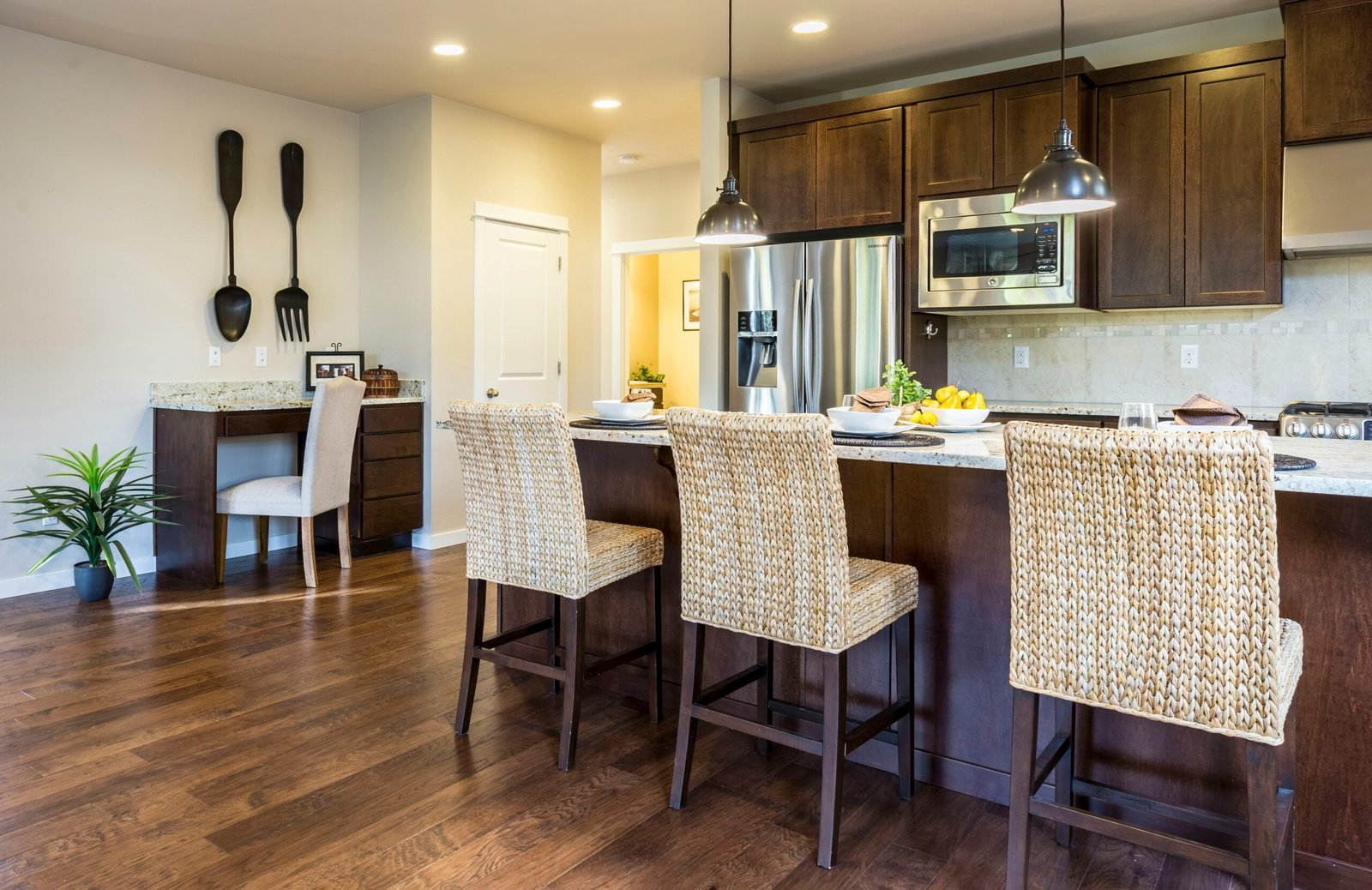
Introduction to Kitchen Cabinet Design
Kitchen cabinet design plays a crucial role in defining the overall aesthetics and functionality of a kitchen space. Cabinets not only provide essential storage solutions but also serve as integral design elements that can significantly enhance the visual appeal of the kitchen. The selection and arrangement of cabinets can transform a mundane area into a stylish and efficient space, making the kitchen both functional and inviting.
In contemporary kitchen design, the emphasis on cabinetry has evolved, with various trends emerging to meet diverse homeowner preferences. Open shelving, for instance, has gained popularity, providing a spacious feel and showcasing decorative dishware or plants. Such designs contribute to an airy ambience and can make the kitchen appear larger than it is. Conversely, closed cabinets are still sought after for their practicality, allowing for a streamlined look while concealing clutter.
Another significant trend in kitchen cabinet design is the use of bold colors and unique finishes. Homeowners are increasingly opting for cabinetry that features high-gloss finishes, matte textures, or even natural wood grains to create visual interest. Additionally, customization options such as selecting hardware, adding moldings, and incorporating glass fronts are becoming more common, allowing for a personal touch that reflects individual styles.
Moreover, sustainability has emerged as a key factor in kitchen cabinet design. Many consumers are now looking for environmentally friendly materials and processes in the manufacturing of cabinets. This shift not only appeals to eco-conscious homeowners but also contributes to long-lasting design choices that prioritize durability and environmental impact.
Overall, understanding the significance of kitchen cabinet design can help homeowners make informed choices that enhance both the functionality and aesthetic appeal of their kitchens. As trends continue to evolve, keeping abreast of innovations in cabinetry will allow for a transformation that aligns with personal taste and modern design principles.
Understanding Different Styles of Kitchen Cabinets
When it comes to kitchen cabinet design, understanding the various styles is crucial in transforming your space according to your preferences and functional needs. Each style brings its unique attributes, aesthetics, and materials that can complement the overall decor of the kitchen. Here, we will explore five popular styles: traditional, modern, contemporary, farmhouse, and industrial.
Traditional kitchen cabinets often feature ornate details, rich woods, and classic finishes. These cabinets are typically characterized by raised panel doors, intricate moldings, and natural hues. Popular materials include oak and cherry, which add warmth and a sense of timelessness to the kitchen. These cabinets can easily accommodate various decorative elements and provide a sophisticated, inviting atmosphere.
In contrast, modern kitchen cabinets emphasize simplicity and functionality. This style showcases sleek lines, flat-panel doors, and minimal ornamentation. Often crafted from materials like laminate or stainless steel in bold colors or neutrals, modern cabinets prioritize clean aesthetics and efficient space usage. The design leans towards open spaces, allowing for a seamless flow in minimalist environments.
Contemporary kitchen cabinets, while similar to modern styles, introduce more experimental designs and materials. These cabinets may feature a mix of textures, innovative finishes, and unique shapes. Common materials used in contemporary designs include high-gloss polymers and wood laminates, which often come in a wide range of colors. The goal here is to create fresh and dynamic environments that reflect personal style while remaining practical.
Farmhouse kitchen cabinets are synonymous with rustic elegance. They incorporate elements like beadboard panels, distressed finishes, and open shelving, often painted in soft, muted colors. Popular materials include reclaimed wood and painted finishes, which give the space a cozy, inviting feel associated with rural charm.
Lastly, industrial kitchen cabinets draw inspiration from warehouse and loft spaces. Characterized by the use of raw materials such as metal, wood, and concrete, these cabinets often boast an unpolished aesthetic. The color palette ranges from earthy tones to darker shades, reflecting the rugged nature of the industrial environment.
Each of these styles offers a unique approach to kitchen cabinet design, allowing homeowners to choose the perfect fit for their space. By carefully considering the features and materials of each style, individuals can create a kitchen that meets their functional and aesthetic demands effectively.
Materials Used in Kitchen Cabinet Design
When it comes to kitchen cabinet design, selecting the appropriate materials is fundamental to achieving both function and aesthetics. Various options are available, each bringing its unique characteristics, advantages, and drawbacks.
Wood is one of the most traditional materials used in cabinet construction. It offers a timeless elegance and is available in various species, including oak, maple, and cherry. Solid wood cabinets are durable, can be refinished, and often enhance the value of a home. However, they can be more susceptible to warping and can come with a higher price tag. Understanding the types of wood and their finishes can help homeowners choose a design that complements the overall décor.
Medium Density Fiberboard (MDF) is another common choice, made from wood fibers bonded with resin. This material is smooth and easily paintable, making it a popular option for modern designs. However, MDF is more prone to damage from moisture compared to solid wood, which can limit its application in kitchens with high humidity levels.
Plywood offers a balance between strength and weight. It consists of several layers of wood veneer glued together, creating a durable and versatile material. Plywood cabinets can withstand changes in temperature and humidity better than solid wood and MDF, making them suitable for various kitchen environments. However, they may be priced higher than other engineered materials.
Laminate is a cost-effective alternative often used for cabinetry. Laminate is manufactured by applying a thin layer of plastic over a composite base, allowing for a wide range of colors and designs. While laminate cabinets are easy to maintain, they may not provide the same level of durability as wood or plywood and can be more susceptible to scratches and dents.
Lastly, metal cabinets, particularly stainless steel, are gaining popularity for their contemporary appearance and high durability. These cabinets are resistant to moisture and easy to clean, making them ideal for a busy kitchen environment. However, the cost of metal cabinets can be significantly higher compared to traditional materials.
In making an informed decision, homeowners should consider the durability, maintenance requirements, and aesthetic value of each material to ensure a successful kitchen cabinet design that suits their lifestyle and preferences.
The Role of Color in Cabinet Design
Color plays a pivotal role in kitchen cabinet design, influencing both the aesthetic appeal and psychological ambiance of the space. A well-chosen color palette can transform a kitchen into a welcoming and stylish environment, while also reflecting the homeowner’s taste. Popular color trends for kitchen cabinets range from classic whites to bold hues and rich wood tones, each offering distinct characteristics that cater to various design preferences.
Classic white cabinets, for instance, are timeless and versatile, contributing to a bright and open feel, particularly in smaller kitchens. They serve as a neutral backdrop, allowing other design elements, such as hardware and countertops, to shine. On the other hand, warm wood tones can add depth and richness, creating a cozy atmosphere. This earthy choice is perfect for kitchens inspired by rustic or farmhouse aesthetics, as it emphasizes natural materials and textures.
For those seeking to make a statement, bold colors such as navy blue, deep green, or even striking red can add personality to the kitchen space. These vibrant hues work exceptionally well in larger kitchens or open floor plans, where they can create a focal point without overwhelming the overall design. When selecting a bold color, it is essential to consider the existing fixtures and decor to ensure a cohesive look.
Furthermore, the choice of color should take into account the kitchen’s size and the amount of natural light it receives. Lighter colors can enhance the perception of space in small or dimly lit kitchens, whereas darker shades can create an intimate atmosphere in larger areas. In summary, understanding the role of color in cabinet design is crucial to achieving the desired kitchen aesthetic while maintaining a harmonious environment.
Functional Design Elements to Consider
When undertaking a kitchen cabinet design project, it is imperative to consider various functional elements that not only enhance the visual appeal of the space but also improve its usability. An effective layout is critical; it should facilitate a smooth workflow between areas, ensuring efficiency during meal preparation and other kitchen activities. A common and effective approach is the work triangle concept, where cabinets, countertops, sink, and appliances are strategically placed to minimize movement and maximize efficiency.
Storage solutions play a pivotal role in kitchen cabinet design. Selecting cabinets that offer ample storage is essential for organizing kitchen essentials. Consider incorporating deep drawers for pots and pans, along with adjustable shelves for flexibility based on your needs. Furthermore, integrating specialized storage solutions such as pull-out shelves, lazy Susans, and tall cabinets can significantly improve accessibility while keeping the design aesthetically pleasing. These solutions not only maximize the use of available space but also allow for quick and easy access to frequently used items.
Another aspect to consider is how cabinets can be designed to incorporate appliances seamlessly. Built-in appliances can create a streamlined appearance, enhancing the overall design while saving valuable space. Look for options that allow appliances like microwaves and dishwashers to be integrated within cabinets, minimizing visual clutter and contributing to a cohesive look.
Lastly, it is important to create accessible storage areas within the cabinetry. Features like pull-outs that accommodate spices or cleaning supplies can enhance the overall user experience, ensuring that every item has its rightful place. Balancing aesthetic appeal with these functional elements will lead to a kitchen that is not only beautiful but also practical and user-friendly.
Customization vs. Pre-Made Cabinets
When it comes to designing your kitchen, one of the most significant decisions involves choosing between custom cabinets and pre-made options. Each alternative provides distinct advantages and disadvantages, and weighing these factors can lead to a more suitable choice tailored to your needs.
Custom cabinets are crafted specifically for your kitchen space, offering complete personalization in terms of dimensions, materials, colors, and styles. This level of customization allows homeowners to create storage solutions that perfectly complement their unique layouts and aesthetic preferences. Additionally, custom cabinets often boast superior craftsmanship and durability, which can be a long-term investment for your home. However, this bespoke approach can come with a substantially higher price tag, making it less accessible for individuals with limited budgets.
In contrast, pre-made cabinets present a more budget-friendly alternative. These options often come in standard dimensions and styles, allowing for quicker installation and immediate accessibility. Homeowners on a tighter budget may find pre-made cabinets to be a practical solution without sacrificing aesthetic appeal. Many manufacturers offer a wide range of styles and finishes that can still enhance the overall look of a kitchen. Nevertheless, the limitations in customization may pose challenges for those with specific requirements or unusual kitchen layouts.
Ultimately, the decision between custom and pre-made cabinets depends on individual preferences, needs, and budgets. If your kitchen requires a high level of personalization, or if your design vision is specific, custom cabinets may be the right choice. Conversely, for those looking for economical solutions with a variety of options, pre-made cabinets could serve as a stylish and practical choice. Assessing your individual circumstances will ensure the best outcome for your kitchen renovation project.
The Importance of Cabinet Hardware
Cabinet hardware is often an overlooked component in kitchen design; however, it plays a crucial role in both the aesthetic and functional aspects of your space. The choice of hardware—whether knobs, pulls, or hinges—can significantly influence the overall appearance and usability of your kitchen cabinets. Each type of hardware serves a specific purpose and contributes to the overall design theme of the kitchen.
Knobs are typically used on cabinet doors and are available in various styles and finishes, making them versatile for modern or traditional kitchens. They can add a touch of elegance or a rustic charm, depending on the chosen design. Pulls, on the other hand, are ideal for larger drawers and provide a more comfortable grip, making them particularly useful in high-traffic areas. The selection of either knobs or pulls should align with the kitchen’s architectural style, enhancing cohesion and visual appeal.
Hinges are another essential aspect of cabinet hardware, as they dictate how smoothly cabinet doors open and close. While often concealed, the style and finish of the hinges can match or contrast with the overall design, offering an additional layer of detail. Selecting high-quality hinges is crucial for durability and functionality, ensuring that cabinets operate smoothly over time.
When choosing cabinet hardware, consider the scale, shape, and finish that complement your cabinet style. For instance, sleek, modern cabinets may benefit from minimalist hardware, whereas vintage-inspired designs might look best with ornate knobs or pulls. It is essential to strike a balance between functionality and aesthetics, ensuring the hardware enhances the kitchen’s overall design while proving practical for everyday use. By carefully selecting cabinet hardware, you can uplift your kitchen’s appearance and make it a more enjoyable space to cook and gather.
Sustainable Options for Eco-Friendly Cabinets
In recent years, the demand for sustainable kitchen cabinet design has surged, reflecting a broader trend toward environmental consciousness in home improvement projects. Homeowners are increasingly seeking materials and practices that minimize ecological impact, and the kitchen serves as a focal point for these eco-friendly initiatives. One of the most popular sustainable materials is reclaimed wood, which not only reduces the need for new lumber but also adds unique character and history to kitchen designs. Cabinets made from salvaged trees or repurposed wood are not only environmentally friendly but often boast durability that stands the test of time.
Another key element of sustainable cabinetry is the use of low-VOC (Volatile Organic Compounds) finishes. Traditional finishes often release harmful chemicals into the air, contributing to indoor pollution and negatively impacting health. By selecting cabinets that utilize low-VOC or no-VOC paints and sealants, homeowners can create a healthier living environment. These eco-friendly products help maintain air quality while still offering a range of aesthetic choices, allowing for beautiful designs without compromising on safety.
Additionally, energy-efficient manufacturing processes contribute significantly to sustainable kitchen cabinet design. Many manufacturers are now adopting practices that reduce waste and energy consumption throughout production. By choosing cabinets from companies that prioritize sustainability in their operations, homeowners can further ensure that their kitchen remodel aligns with eco-friendly values. Embracing these sustainable options not only transforms a kitchen aesthetically but also reflects a commitment to preserving the environment.
Ultimately, integrating sustainable materials and practices into kitchen cabinet design enables environmentally-conscious homeowners to make greener choices, turning their kitchens into examples of thoughtful, responsible design.
Conclusion: Making Your Kitchen Unique
As we conclude this guide on kitchen cabinet design, it is essential to recognize that kitchen cabinets play a pivotal role in defining the overall aesthetic and functionality of this vital space in the home. When designing your kitchen, consider how the cabinets can reflect your personal taste and complement your lifestyle. A well-thought-out cabinet design not only provides storage solutions but also enhances the emotional ambiance of the kitchen, making it a welcoming environment for family and friends.
First and foremost, assessing your needs is crucial. Take into account the size of your family, your cooking habits, and how often you entertain guests. If you’re a culinary enthusiast who loves hosting, you may require cabinets that house a variety of kitchen appliances and tools. Conversely, if your kitchen is primarily for casual dining, opt for designs that prioritize a minimalist look yet provide necessary functionality.
Moreover, aesthetics should not be overlooked. The choice of materials, colors, and finishes can dramatically alter the kitchen’s atmosphere. Whether you prefer a modern aesthetic with sleek lines and glossy surfaces or a classic farmhouse style with rustic elements, ensure that your cabinets resonate with your overall vision for the space. Personal touches, such as decorative hardware or open shelving, can also inject individuality into the design.
Lastly, remember that the kitchen is the heart of the home, and its design should promote comfort and ease of use. By combining function with your unique style, your kitchen cabinets can become integral elements that elevate the cooking and dining experience, turning an everyday space into an extraordinary reflection of who you are.